
2 min walk
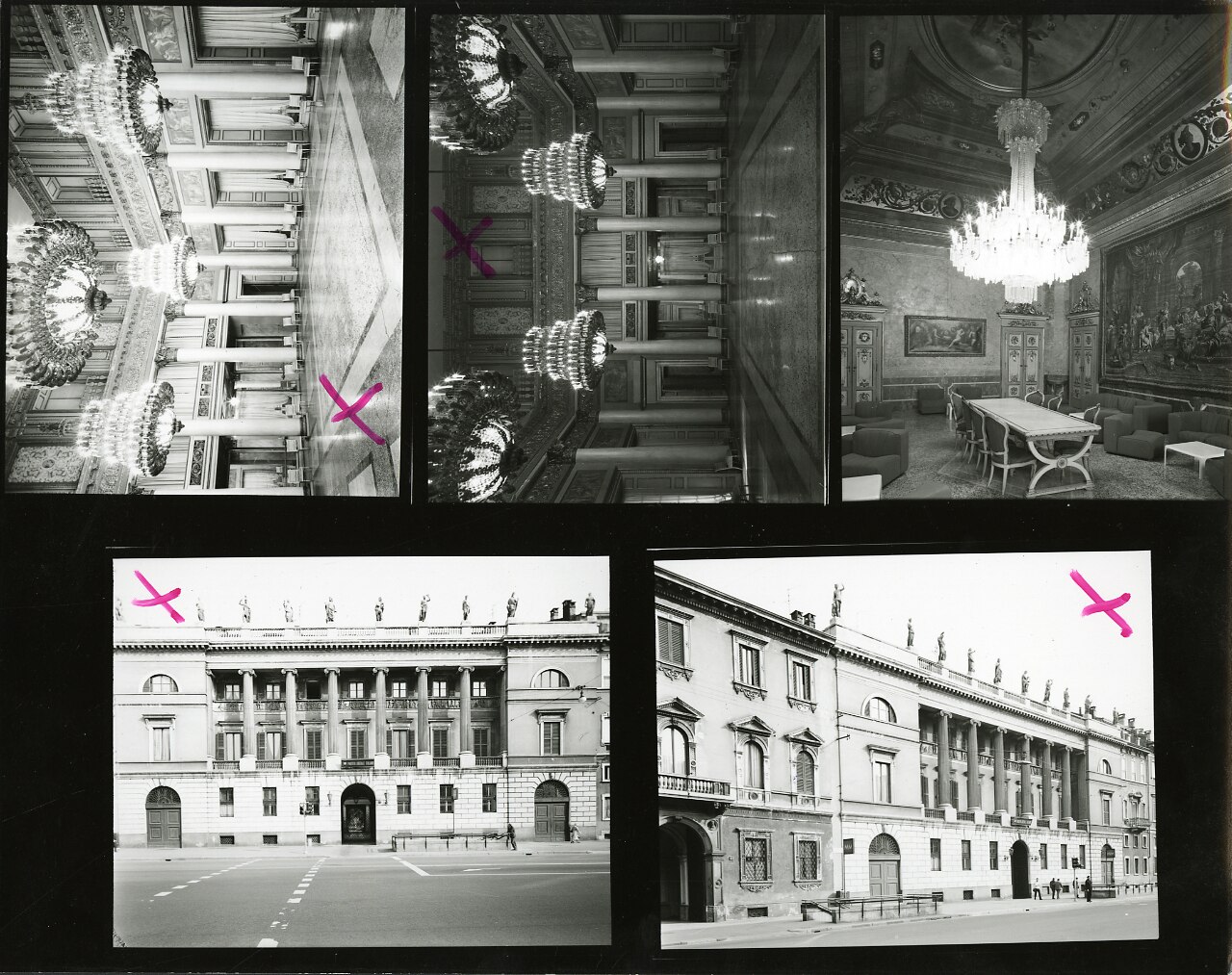
Palazzo Saporiti
- High · Heritage site
- Historic monument

Museum · Milan
Museo di Storia Naturale
Closed today, Monday. Next open Tuesday at 10:00 — the planner will not place a stop here on a Monday.
Plan around it| Monday | Closed |
|---|---|
| Tuesday | 10:00 – 17:30 |
| Wednesday | 10:00 – 17:30 |
| Thursday | 10:00 – 17:30 |
| Friday | 10:00 – 17:30 |
| Saturday | 10:00 – 17:30 |
| Sunday | 10:00 – 17:30 |
Checked 2026-08-31 · Source
| Per person | €10.00 |
|---|
Checked 2026-08-31 · Source
Read from the OpenStreetMap access tags; anything not listed has no tag recorded.
Set the group type to family in the planner and the day window contracts to about three quarters of a solo day.
Museo Civico di Storia Naturale di Milano is Milan’s natural history museum, commonly called Museo di Storia Naturale. It brings together zoology, botany, geology and paleontology in a historic museum setting near the city centre. The visit suits travelers who want a quieter, information-rich break from Milan’s churches, galleries and fashion districts. Its collections connect scientific study with public education, showing how landscapes, fossils, minerals, plants and animals help explain the natural world. Museo Civico di Storia Naturale di Milano is a natural history museum in Milan, locally known as Museo di Storia Naturale. It stands as one of Italy's most important institutions of its kind, with collections spanning multiple scientific disciplines. The museum occupies a historic building within the city's cultural district, serving both research and public education purposes. Its identity as node/9551885699 was matched exactly to the production city pool with coordinates copied without approximation. A flexible visit lets travellers connect Museo Civico di Storia Naturale di Milano with the rest of the day without treating one room, viewpoint or photograph as the whole experience. The useful pace depends on personal interest and conditions on arrival. Visitors should verify current entry procedures through official channels before arrival.
Checked 2026-08-26 · Source
The galleries cover several branches of natural history. Visitors encounter fossils and geological specimens, minerals, preserved animals, botanical material and displays explaining biodiversity. Taxidermy groups and dioramas provide the most immediate visual scenes, while cases and labels add scientific detail. The museum combines Italian natural heritage with specimens from wider parts of the world. A useful approach is to choose a few subjects that interest you, then compare the way different galleries explain change, adaptation and ecosystems.
Checked 2026-08-26 · Source
Plan roughly one and a half to three hours for a satisfying visit. A shorter route can focus on the most striking animals, fossils and dioramas, while a longer visit gives more time to read labels and move through the scientific collections carefully. Families may spend longer at visually dramatic displays, whereas specialists often linger over geology, paleontology or zoology. The museum works well as a substantial indoor stop rather than a quick photograph.
Checked 2026-08-26 · Source
An indoor museum visit is useful on a rainy or very hot Milan day. Morning visits can feel calmer for travelers who want to read detailed labels without rushing, while busier periods may suit visitors who prefer a livelier atmosphere. School holidays and summer travel can increase demand for central attractions. Build the museum into a flexible day alongside nearby cultural stops, leaving enough time for the galleries instead of treating it as a brief add-on.
Checked 2026-08-26 · Source
The museum is a civic cultural attraction in Milan, and its admission arrangements belong to the museum visit rather than to a separate outdoor site. Travelers should include ticket planning in their day budget and allow time at the entrance before beginning the galleries. The displays themselves form the main experience: fossils, minerals, animals and ecological scenes reward a visit focused on observation rather than a hurried pass through the building.
Checked 2026-08-26 · Source
The museum stands in a central Milan cultural area and fits naturally into a day based around walking and public transport. From central accommodation, travelers can combine the journey with other nearby streets, parks or museums. Milan’s urban network makes the district practical to reach without planning the museum as an isolated excursion. If arriving by car, allow for the constraints of city-centre traffic and parking, then complete the final approach on foot.
Checked 2026-08-26 · Source
This is a detailed museum, so visitors may find the labels and scientific material more demanding than a purely visual attraction. Glass cases can create reflections, especially from certain angles, and popular fossils or large dioramas may draw groups around a narrow viewing area. The building’s historic character may mean movement between floors is less simple than in a modern gallery. Bring a light layer if you are sensitive to cool indoor conditions.
Checked 2026-08-26 · Source
The museum offers strong subjects for close observation and photography: fossil forms, mineral colours, preserved animals and carefully arranged ecological scenes. Glass may reflect overhead lighting, so changing your angle often produces a clearer image. Keep the camera close to your position and leave space for other visitors around popular displays. Flash, tripods or photography in particular rooms may be restricted; follow the signs and staff directions while keeping the visit centred on the collections.
Checked 2026-08-26 · Source
The museum presents fossils, minerals, geological specimens, botanical material, preserved animals, taxidermy groups and dioramas explaining biodiversity and ecosystems.
Allow about one and a half to three hours, depending on how closely you read the labels and explore the zoology, geology and paleontology displays.
Yes. Families can focus on visually striking animals, fossils and dioramas, while children can compare specimens and ecological scenes across the galleries.
Yes. Its indoor galleries provide a substantial cultural visit when outdoor sightseeing is uncomfortable, with enough material for a flexible half-day plan.
Its collections cover zoology, botany, geology and paleontology, linking Italian natural heritage with specimens from other parts of the world.
Fossils, minerals, preserved animals and dioramas provide photographic subjects, although reflections from glass and room-specific photography rules can affect the result.
Loading the interactive map…
The interactive map could not be loaded.
Last updated:
Source: OpenStreetMap contributors, Wikidata ·