
1 min walk
Museo d'Arte Antica
- High
- Museum
Museum · Milan
Museo dei Mobili e delle Sculture Lignee
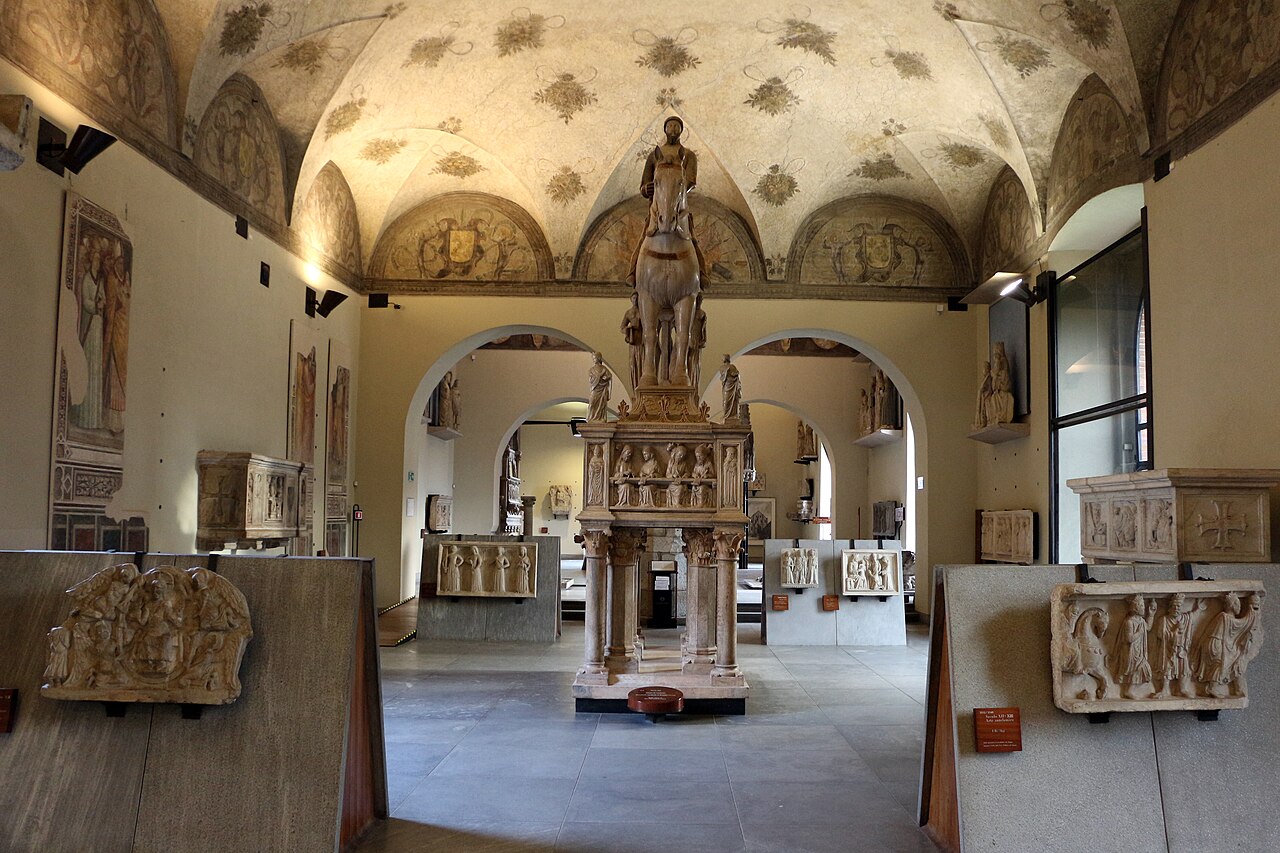
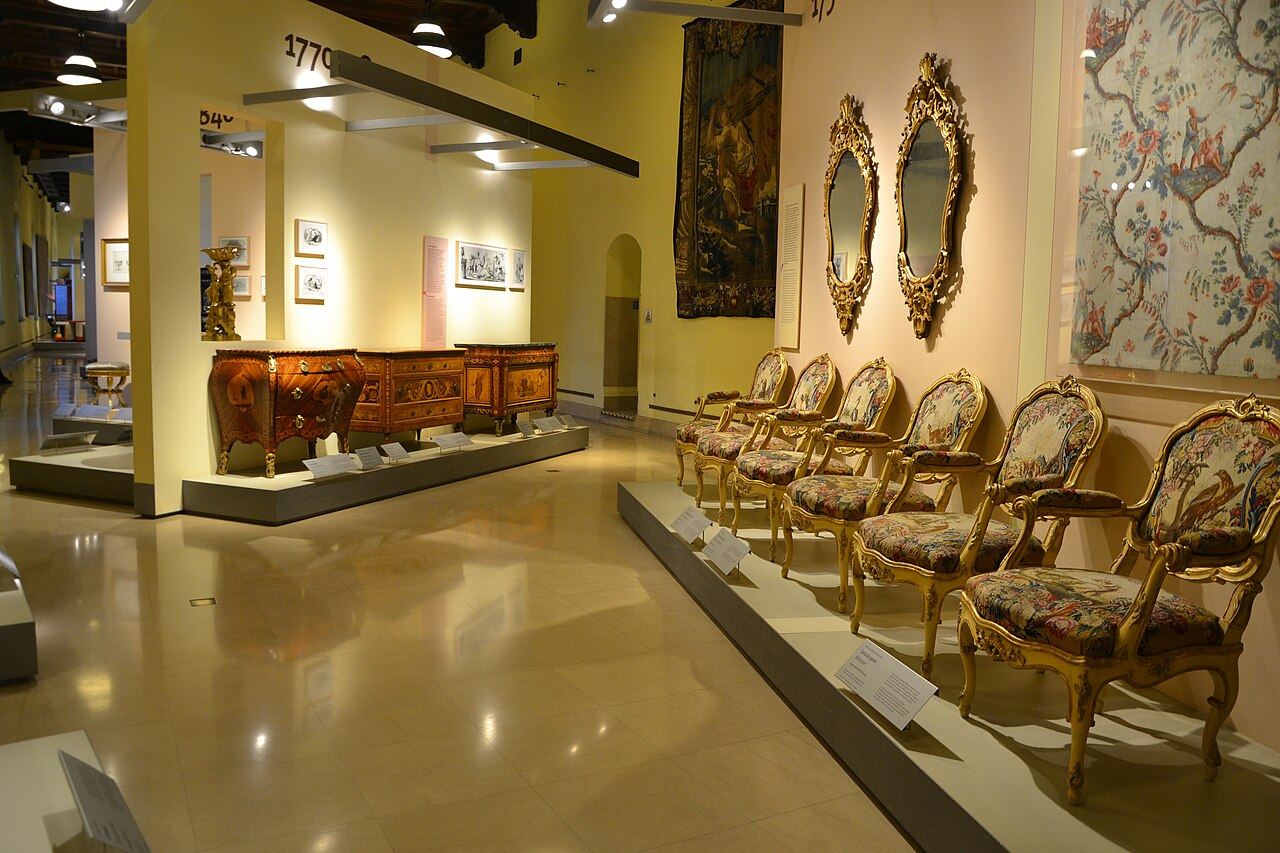
The Antique Furniture & Wooden Sculpture Museum, also known as Museo dei Mobili e delle Sculture Lignee, is a Milan museum devoted to furniture and sculpture made from wood. It offers a focused alternative to the city’s larger art institutions, directing attention toward objects where craftsmanship, material, design, and use meet. The collection’s subject makes the museum especially relevant to travellers interested in decorative arts, historic interiors, carving, and the practical intelligence of traditional makers. It is a place to study how wood shaped both everyday furnishings and artistic expression. The Antique Furniture & Wooden Sculpture Museum, locally known as Museo dei Mobili e delle Sculture Lignee, is a cultural institution in Milan dedicated to the preservation and display of historical furniture and wooden sculptural works.
Checked 2026-08-26 · Source
The museum brings together antique furniture and wooden sculptural works, allowing visitors to compare functional objects with pieces created primarily for artistic or devotional purposes. Look for the evidence of making: carved surfaces, joinery, proportions, inlay, and the relationship between decoration and use. Furniture can reveal how rooms were organised and how status was expressed, while sculpture shows the expressive possibilities of the same material. The most rewarding visit is observant rather than hurried, treating each object as both a designed thing and a record of historic woodworking practice.
Checked 2026-08-26 · Source
Allow roughly one to two hours for the Antique Furniture & Wooden Sculpture Museum. That length gives enough time to examine furniture surfaces, construction, carving, and the contrast between domestic objects and sculptural works. Visitors with a strong interest in decorative arts may want longer, especially if they read labels closely or sketch details. The focused subject also makes the museum manageable within a wider Milan culture day. Leave a small buffer between this stop and any fixed appointment so the visit does not become a rushed checklist.
Checked 2026-08-26 · Source
A daytime visit works well, particularly when you are already exploring Milan’s museums and historic districts. The collection rewards concentration, so choose a part of the day when you can slow down rather than fitting it between several major timed attractions. It also provides a useful indoor element during hot summer afternoons or cooler, damp weather. If your itinerary is crowded, schedule the museum as the central stop in a cultural block and place a walk or meal before and after it.
Checked 2026-08-26 · Source
Treat admission to the Antique Furniture & Wooden Sculpture Museum as a separate museum expense. The venue’s specialised collection should not be presumed to share entry with Milan’s major landmark attractions or broad city passes. Build the stop into your cultural itinerary without relying on a combined ticket, and keep the visit optional if your day has strict budget limits. This approach also makes it easier to combine the museum with free architectural walks and public spaces elsewhere in Milan.
Checked 2026-08-26 · Source
Navigate to the museum by its mapped location and connect it to the Milan neighbourhood you are visiting that day. Public transport, walking, and taxis all work as citywide options, but the final route depends on the museum’s position relative to your previous stop. Walking is particularly useful when linking several cultural venues, because the museum’s subject complements a broader exploration of Milanese design and historic interiors. Allow time for the final approach and keep the route adaptable if you are carrying shopping or luggage.
Checked 2026-08-26 · Source
Wooden furniture and sculpture need careful viewing, so move slowly and keep a respectful distance from displayed objects. A museum focused on historic pieces may have a quieter atmosphere than Milan’s headline attractions; conversation and movement should match that setting. Avoid bringing bulky items into a compact gallery route when possible. Visitors who need step-free circulation, seating, or adapted facilities should include those needs in their planning. The collection is most enjoyable when you have enough time to notice construction details rather than only recognising broad styles.
Checked 2026-08-26 · Source
Photographs are most useful here when they record details of carving, joinery, surface treatment, and silhouette. Keep equipment unobtrusive around furniture and sculpture, and use only the lighting permitted by the museum. Flash can distract other visitors and may be unsuitable for sensitive historic objects, so a quiet personal camera approach is preferable. Do not lean over barriers or use a tripod where it narrows the route. A small set of carefully composed images can preserve the material character of the collection better than a rapid record of every object.
Checked 2026-08-26 · Source
It presents antique furniture alongside wooden sculptures, focusing on craftsmanship, design, carving, and the uses of wood.
It is particularly suited to visitors interested in decorative arts, historic interiors, furniture design, and traditional woodworking.
Plan approximately one to two hours, with extra time if you study construction details or read labels closely.
Pay attention to carving, joinery, inlay, proportions, surface treatment, and the difference between functional furniture and sculpture.
Yes. Its focused subject works well in a cultural day alongside design, architecture, historic interiors, and free city walks.
Use discreet personal photography to capture carving, joinery, and material details while respecting barriers and museum directions.
Loading the interactive map…
The interactive map could not be loaded.

Last updated:
Source: OpenStreetMap contributors, Wikidata ·