
1 min walk
Museo d'Arte Antica
- High
- Museum
Historic monument · Milan
Torre di Bona
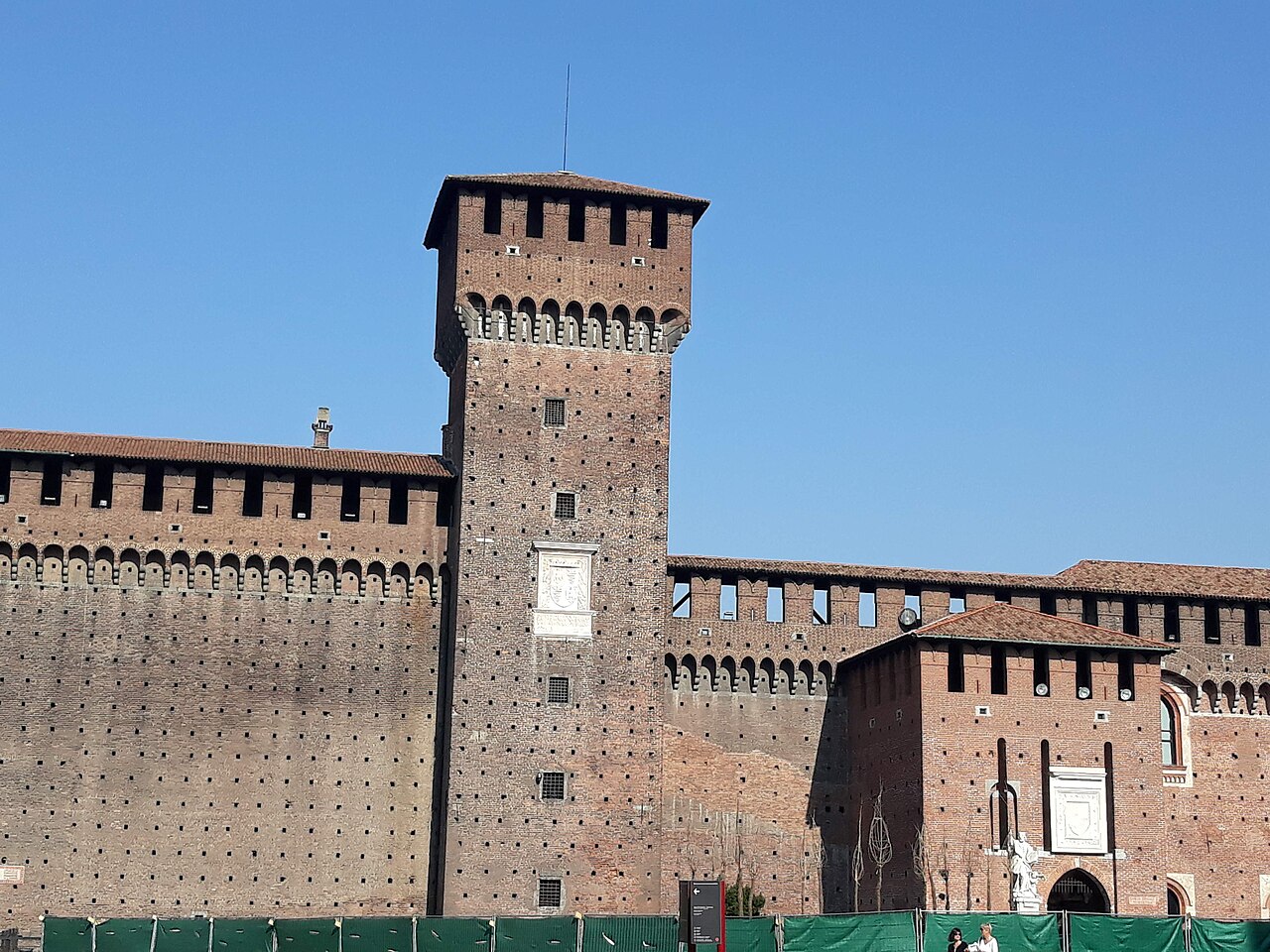
Bona of Savoy’s Tower, known in Italian as Torre di Bona, is a historic tower in Milan associated with Bona of Savoy, a fifteenth-century duchess. It represents a compact piece of the city’s aristocratic and architectural past, linking the modern urban landscape with the late medieval and early Renaissance period. The tower is valuable as a historical waypoint because it preserves the memory of noble life within Milan’s changing city fabric. Travelers interested in dynastic history, historic buildings, and overlooked urban details can use the site to add depth to a Milan walking route. It is not a conventional large museum experience; its importance comes from the structure’s association, age, and position within the city. Consider the tower alongside other historic streets and buildings so that the visit becomes part of a wider story about Milan’s development. Bona of Savoy’s connection gives the site a human and political dimension, while the tower itself provides a physical point of contact with the past. The stop rewards visitors who enjoy reading history through individual buildings rather than only through grand monuments.
Checked 2026-08-26 · Source
The documented attraction is the historic tower and its association with Bona of Savoy. The available place information does not describe an interior exhibition, furnished rooms, permanent displays, or a visitor route through the building. Focus your attention first on the structure’s exterior presence, proportions, masonry, and relationship with the surrounding Milanese streets. Historic towers can communicate a great deal through their position and construction even when the visit does not involve a conventional gallery sequence. Look for the way the building sits within the modern city and consider how a noble tower would have formed part of an older urban landscape. Instead, use the site as a prompt for understanding Milan’s late medieval and Renaissance layers. Travelers interested in Bona of Savoy can connect the architectural stop with the broader history of duchesses, noble families, and political presence in the city. The tower’s strongest experience is contextual: observe the building, place it in time, and continue through nearby streets with a clearer sense of Milan’s historical depth.
Checked 2026-08-26 · Source
Allow around twenty minutes for an exterior-focused stop at Bona of Savoy’s Tower. That gives you time to locate the structure, observe its form and materials, read any available contextual information, and understand how the tower fits into the surrounding streets. Extend the stop if the site invites closer architectural study or if you are tracing Milan’s medieval and Renaissance heritage on foot. It is most useful as a brief historical waypoint rather than as a full-day destination. Build it into a walking route that includes other historic buildings, public spaces, or museums, leaving enough time to pause without disrupting the rest of the itinerary. The available information does not define interior access, a guided route, or a display sequence, so do not reserve a long block around activities that are not established. A short visit can still be meaningful when you focus on the association with Bona of Savoy and the tower’s place in Milan’s urban history. Treat the duration as flexible: architecture enthusiasts may linger, while travelers following a broader route may need only a concise stop for observation and photographs.
Checked 2026-08-26 · Source
Bona of Savoy’s Tower works best in a Milan itinerary centered on walking, architecture, and historical context. Spring and autumn are comfortable seasons for spending time outdoors and connecting the tower with other heritage sites. Summer visits can be fitted into a route with shade and indoor pauses, while winter requires greater attention to weather during exterior observation. Choose a moment when you can slow down enough to study the building rather than passing it without context. The available information does not establish a public schedule, seasonal program, or regular interior opening pattern, so structure the visit around the documented exterior landmark and keep the rest of the day adaptable. A history-focused walking route can place the tower beside other traces of Milan’s noble and civic past. Travelers who prefer major museums can use the site as a short outdoor interlude between indoor attractions. The tower is especially suitable for visitors who enjoy discovering how historic structures survive within a modern city. Let the surrounding streets contribute to the experience, since the building’s meaning becomes stronger when viewed as part of Milan’s layered urban landscape.
Checked 2026-08-26 · Source
The available place information identifies Bona of Savoy’s Tower as a historic site associated with a fifteenth-century duchess but does not establish an admission price, ticket office, concession, donation arrangement, or combined pass. Plan the visit primarily as a historical and architectural stop, and keep the surrounding Milan itinerary flexible. The exterior can be incorporated into a walking route without building the day around a promised museum-style ticketed experience. Travelers who want a broader heritage day can combine the tower with churches, palaces, streets, and museums elsewhere in the city. The tower’s value comes from its association with Bona of Savoy and from seeing a historic structure embedded in Milan’s contemporary urban fabric. Instead, give the site a small, intentional place in the day and use the time to observe its architectural character. This approach suits visitors who enjoy historical context, even when a landmark is experienced as a brief waypoint rather than a conventional attraction with a full visitor program.
Checked 2026-08-26 · Source
Bona of Savoy’s Tower is mapped in Milan at OpenStreetMap relation 18241950. Use the site name or this mapped relation in a navigation application when planning the route. Milan’s metro, tram, and bus network provides the broader framework for reaching historic places, while the final approach should be guided by the mapped location. Keep the map available for the last segment and allow time to orient yourself among the surrounding streets. The tower is best incorporated into a pedestrian heritage route, with other historic buildings and urban spaces providing context before and after the stop. If you are driving, plan the route carefully around Milan’s central traffic conditions and use the map to identify a suitable destination point; no parking arrangement is established here. Travelers arriving by taxi or ride service can provide the tower name and mapped destination. The journey is part of the experience: the site makes most sense when approached as one surviving historical layer within the modern city.
Checked 2026-08-26 · Source
The principal consideration at Bona of Savoy’s Tower is that the attraction is a historic building rather than a clearly described museum circuit. Focus on the exterior and on the tower’s connection with Milan’s late medieval and early Renaissance history. Plan the stop accordingly and avoid promising a climb, interior room, or viewpoint. Historic urban settings may include uneven paving, narrow approaches, and changing light, so wear shoes suited to walking and give yourself time to look around safely. Respect masonry, boundaries, and any areas marked for protection. A short architectural stop is often enough, especially when combined with other heritage places. Travelers with mobility concerns should shape the route around the accessible parts of the surrounding streets and the view available from public space, since specific arrangements are not described. The tower rewards patience and historical imagination: notice how an old aristocratic structure sits inside present-day Milan.
Checked 2026-08-26 · Source
Bona of Savoy’s Tower is a strong subject for architectural photography. Begin with a wider view that places the tower within Milan’s surrounding streets, then look for details in its masonry, openings, proportions, and relationship with nearby buildings. Exterior images from public thoroughfares can record the site’s essential character without requiring an interior visit. The available place information does not establish an interior photography policy, so follow any signs or staff directions if access to enclosed areas is available. Avoid flash, tripods, drones, or equipment that obstructs pedestrians or risks contact with historic surfaces. Morning and late-day light can reveal texture and depth, while overcast conditions can emphasize the structure’s materials and outline. Keep people out of the frame when practical and respect private property around the historic site. The most useful photographs explain why the tower matters: they show a surviving architectural fragment associated with Bona of Savoy and its place inside the modern city. Treat photography as a way to study the building, not as a reason to cross boundaries or disturb the setting.
Checked 2026-08-26 · Source
It is a historic Milan tower associated with Bona of Savoy, a fifteenth-century duchess, and it represents a late medieval to early Renaissance layer of the city’s history.
Its association with Bona of Savoy places the site in Milan’s fifteenth-century, late medieval and early Renaissance historical context.
Allow around twenty minutes for an exterior-focused visit, with extra time if you enjoy studying historic architecture and the surrounding streets.
Use it as a brief historical waypoint within a walking route that also includes Milanese streets, buildings, public spaces, or larger heritage attractions.
The tower is mapped in Milan at OpenStreetMap relation 18241950. Use the site name or mapped relation for navigation and the final approach.
Photograph the tower’s exterior, masonry, openings, proportions, and relationship with the surrounding Milanese streets from respectful public viewpoints.
Loading the interactive map…
The interactive map could not be loaded.
Last updated:
Source: OpenStreetMap contributors, Wikidata ·