
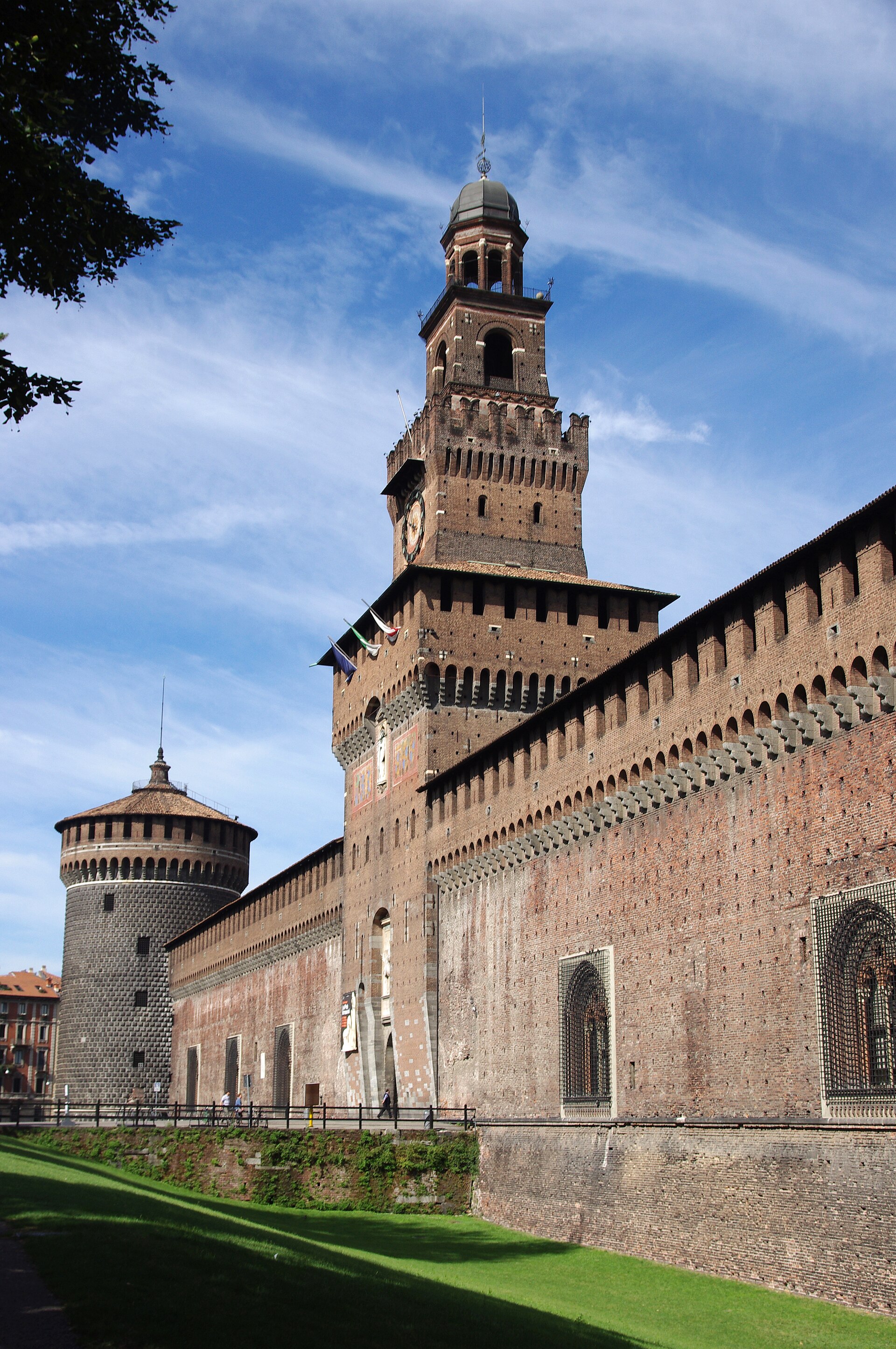
2 min walk
Sforza Castle
- Must see · Heritage site
- Historic monument
Museum · Milan
Museo Egizio
Closed today, Monday. Next open Tuesday at 09:30 — the planner will not place a stop here on a Monday.
Plan around it| Monday | Closed |
|---|---|
| Tuesday | 09:30 – 17:30 |
| Wednesday | 09:30 – 17:30 |
| Thursday | 09:30 – 17:30 |
| Friday | 09:30 – 17:30 |
| Saturday | 09:30 – 17:30 |
| Sunday | 09:30 – 17:30 |
Parsed from OpenStreetMap opening hours on 2026-09-09.
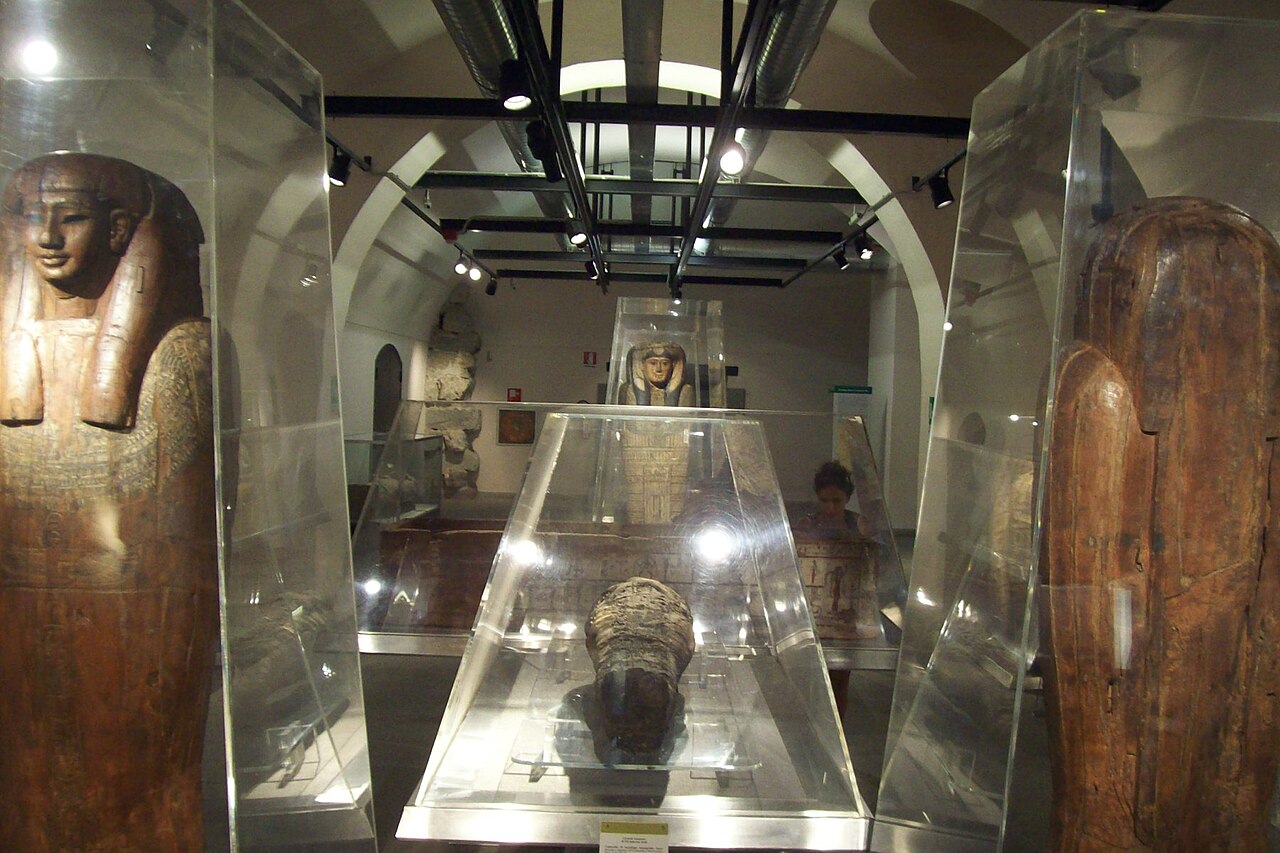
The Egyptian Museum of Milan, known locally as Museo Egizio, is a museum dedicated to Egyptian antiquities and archaeology. It adds an Egyptology-focused stop to Milan’s better-known art, design, and fashion itinerary. The subject connects visitors with the material culture, religion, daily life, and artistic traditions of ancient Egypt. For travellers who want historical depth beyond Milan’s Renaissance and modern collections, the museum offers a way to place the city within a wider story of archaeology, collecting, and the study of ancient civilisations. The Egyptian Museum of Milan, known locally as Museo Egizio, is a visitor-relevant point of interest located within the city of Milan. The local name is Museo Egizio.
Checked 2026-08-26 · Source
Expect a collection centred on Egyptian archaeological material and the objects through which ancient life is understood. Egyptian museums commonly use sculpture, funerary objects, written materials, religious artefacts, and everyday items to explain people, beliefs, and institutions across long periods of history. Read the displays as connected evidence: a statue can express power or devotion, a funerary object can reveal ideas about death, and an ordinary object can make daily life more tangible. The museum is most rewarding when individual artefacts are considered within those larger cultural relationships.
Checked 2026-08-26 · Source
Allow one to two hours for a general visit to the Egyptian Museum of Milan. That is enough for a broad introduction while leaving time for the rest of a Milan day. Egyptology enthusiasts may want longer to compare objects, follow historical sequences, and read interpretation carefully. A shorter visit can still work if you select the displays most relevant to your interests. Because the museum is indoors, it can serve as a substantial cultural anchor before or after outdoor sightseeing, shopping, or architectural walks through the city.
Checked 2026-08-26 · Source
Choose a daytime slot and leave enough time for the collection rather than treating the museum as a quick gap between reservations. It is a useful refuge during hot or wet weather, while the indoor setting also makes your day less dependent on conditions outside. A weekday morning can suit visitors who prefer a calmer start to a museum visit; a later slot works when the museum is part of a longer central-Milan route. Keep outdoor plans flexible around the museum so the archaeology receives proper attention.
Checked 2026-08-26 · Source
Plan the Egyptian Museum as its own admission stop and keep its entry separate from Milan Cathedral, transport, and other attractions. The museum’s archaeology-focused visit deserves a clear place in your cultural budget rather than being treated as an incidental part of a landmark ticket. If you are arranging several museums, compare the total cost of individual visits with any citywide cultural option available for your trip, but do not count this museum as included without explicit confirmation from the relevant ticket provider.
Checked 2026-08-26 · Source
Reach the Egyptian Museum of Milan using the city’s metro, tram, bus, walking, bike-share, or taxi network, selecting the route from your accommodation or preceding attraction. The exact approach depends on the museum’s position within Milan, so use its mapped point as the destination and allow time for the final city walk. Visitors arriving from Milano Centrale can connect through the city’s established public transport system. A walking link with other cultural venues is often pleasant when the weather is comfortable and you want to experience Milan between museum visits.
Checked 2026-08-26 · Source
Archaeology museums reward patience: labels, dates, materials, and cultural context can turn a quick glance into a meaningful visit. Carry only manageable bags and keep pathways clear around cases and sculptures. Indoor galleries may feel cooler than the street, so a light extra layer can improve comfort. Families should allow younger visitors breaks between dense displays. Stay attentive to museum directions, especially around fragile objects, and give yourself time to understand how the collection moves from individual artefacts toward wider ideas about Egyptian society and belief.
Checked 2026-08-26 · Source
Photograph the Egyptian Museum’s objects as records of form, material, and detail rather than as a substitute for reading the displays. Sculptures, inscriptions, funerary pieces, and small artefacts can reward close framing, while a wider image may show how the galleries group related evidence. Keep your camera discreet, avoid flash where it is restricted, and follow each gallery’s signs. Do not press against cases or interrupt another visitor’s view. A thoughtful selection of images will help you remember the collection’s visual language and the contrast between monumental and everyday objects.
Checked 2026-08-26 · Source
It is known locally as Museo Egizio.
The museum focuses on Egyptian antiquities and archaeology, including material evidence connected with ancient culture, belief, and daily life.
Allow about one to two hours for a general visit, with extra time for detailed Egyptology study.
It suits visitors interested in ancient Egypt, archaeology, religion, material culture, and history beyond Milan’s better-known art collections.
Yes. Use it as the indoor anchor of a cultural day with nearby museums, historic streets, architecture, or an outdoor walk.
Read objects as connected evidence, paying attention to material, dates, inscriptions, function, and their relationship to Egyptian society and belief.
Loading the interactive map…
The interactive map could not be loaded.
Last updated:
Source: OpenStreetMap contributors, Wikidata ·