.jpg)
1 min walk
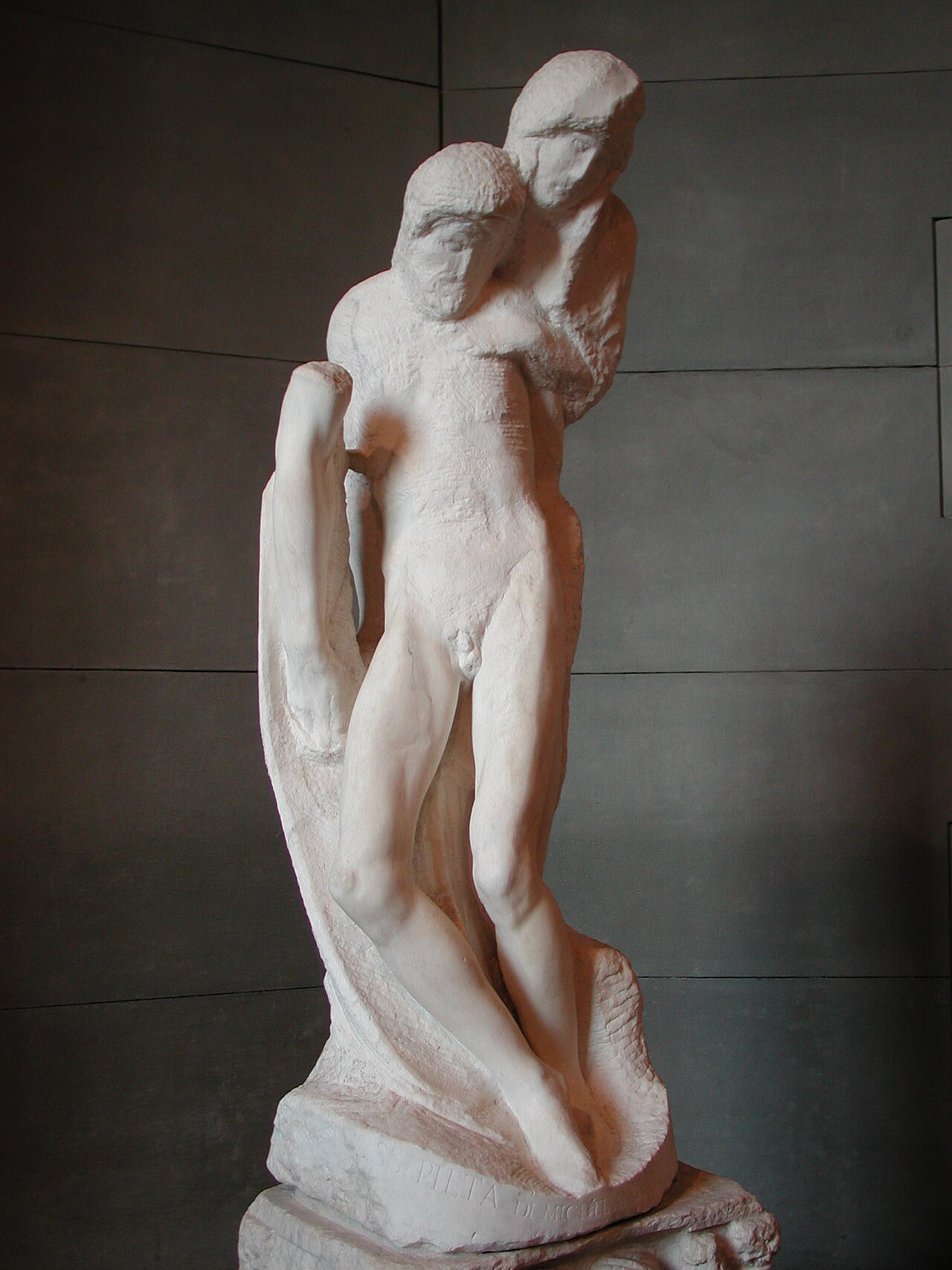
Rondanini Pietà
- High
- Museum
Museum · Milan
Museo degli Strumenti Musicali
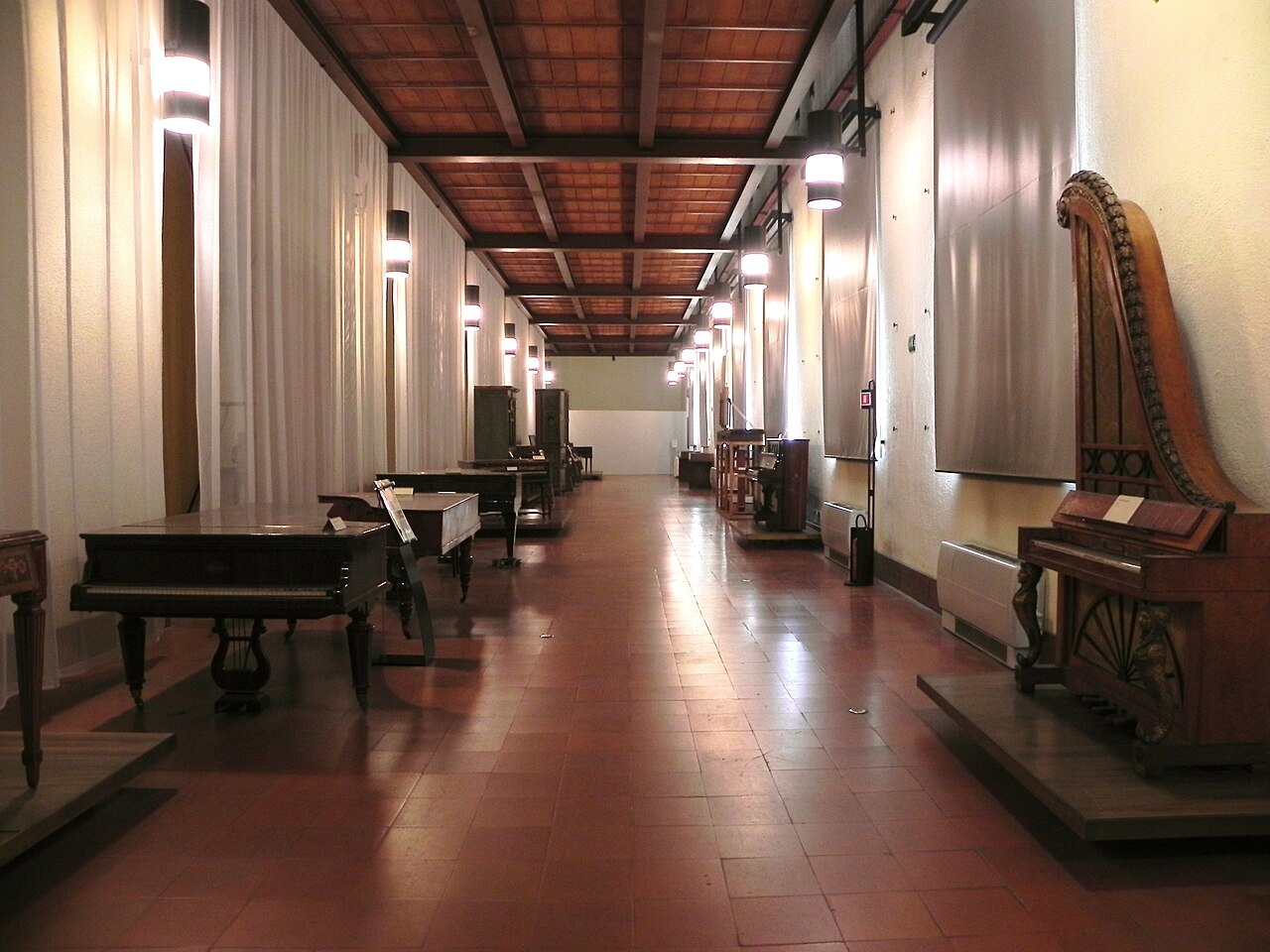
The Museum of Musical Instruments, or Museo degli Strumenti Musicali, is a Milan cultural stop devoted to musical heritage and instrument design. The collection helps visitors follow how musical tools developed across historical periods and how craftsmanship shaped sound. It suits travellers interested in music history, acoustics, materials, artistic expression and the practical ingenuity behind performance. Rather than presenting Milan through architecture alone, the museum offers a close look at the objects that allow musical ideas to become audible. The Museum of Musical Instruments, locally known as Museo degli Strumenti Musicali, is a cultural institution in Milan dedicated to the preservation and display of musical heritage. It houses a collection of instruments spanning historical periods, offering visitors insight into the evolution of musical craftsmanship. The museum serves as a point of interest for those exploring Milan's cultural landscape, particularly visitors with an interest in music history, instrument design, and the intersection of art and acoustic science.
Checked 2026-08-26 · Source
The collection spans string, wind, percussion and keyboard instruments from different traditions and periods. Displays connect each instrument with its construction, materials and cultural setting, helping visitors see how form and function work together. The museum is valuable for comparing the physical solutions used to create and control sound: strings vibrate, air resonates, surfaces are struck and keys translate movement into music. Visitors with an interest in design can look closely at joinery, proportions, mechanisms and decorative choices.
Checked 2026-08-26 · Source
Plan a flexible museum visit based on your interest in the instruments rather than on a fixed checklist. Visitors who enjoy music history or organology can spend substantial time studying construction details, while casual visitors can make a shorter circuit through the main families of instrument. A slower visit is worthwhile because the collection rewards comparison: notice how different materials, shapes and mechanisms solve the shared problem of producing musical sound across cultures and periods.
Checked 2026-08-26 · Source
The museum is a useful indoor addition to a Milan day focused on culture and design. It provides a calmer alternative to crowded headline attractions and works particularly well when you want to connect visual observation with sound, technology and craftsmanship. Summer heat or winter cold outside need not define the visit because the subject is contained within the galleries. Music lovers can pair the museum with other artistic experiences in Milan without making the instrument collection compete with a single famous landmark.
Checked 2026-08-26 · Source
Admission information is not included in this guide. The museum works best as one element in a broader cultural itinerary, giving visitors room to continue toward other Milan sights after studying the collection. Its subject is sufficiently focused that the quality of the visit depends more on curiosity than on covering a large building. Bring your attention to the relationship between craftsmanship and sound, and use the museum as a bridge between art history, engineering and the lived practice of music.
Checked 2026-08-26 · Source
The museum is within Milan’s urban transport network of metro, trams and buses. Public transport is the most practical way to combine this specialist collection with other districts and cultural stops. Walking may also suit visitors already exploring central Milan, depending on the rest of the day’s route. Cycling and ride-sharing provide alternatives, while parking near central cultural sites can be constrained. Treat the museum as part of a connected city route rather than as an isolated destination requiring a car.
Checked 2026-08-26 · Source
The Museum of Musical Instruments rewards quiet, attentive viewing. Food and drink should remain outside the collection, and visitors should give other people space around delicate instruments. Crowding can make it harder to appreciate mechanisms, surfaces and construction details, so patience improves the experience. The subject also invites comparison rather than hurried sightseeing: spend time understanding what each family of instrument does and how it achieves its sound. A specialist collection may feel more rewarding to curious adults and older children than to visitors seeking interactive entertainment.
Checked 2026-08-26 · Source
Photography arrangements are not included in this guide. Musical instruments are objects of fine construction as well as historical evidence, so keep cameras and phones clear of cases and displays. Follow signs and staff directions, and avoid flash, tripods or video setups if they disturb the galleries or other visitors. Personal photographs can help preserve the visual memory of the collection, but the most valuable record is the comparison between instrument families, materials, mechanisms and the different musical traditions represented in the museum.
Checked 2026-08-26 · Source
The Museum of Musical Instruments is locally known as Museo degli Strumenti Musicali.
The collection includes string, wind, percussion and keyboard instruments from different historical periods and traditions.
Visitors can explore instrument construction, materials, sound production, musical technology and the cultural settings in which instruments were played.
Yes. The range of instrument families and the focus on construction, materials and acoustics make the museum useful for visitors studying music, design or organology.
The museum adds sound, craftsmanship and technology to Milan’s cultural itinerary, offering a close study of how physical objects transform artistic ideas into music.
Compare the instrument families, materials, shapes and mechanisms. A patient visit reveals how different designs solve the shared challenge of producing and controlling sound.
Loading the interactive map…
The interactive map could not be loaded.

Last updated:
Source: OpenStreetMap contributors, Wikidata ·