
1 min walk
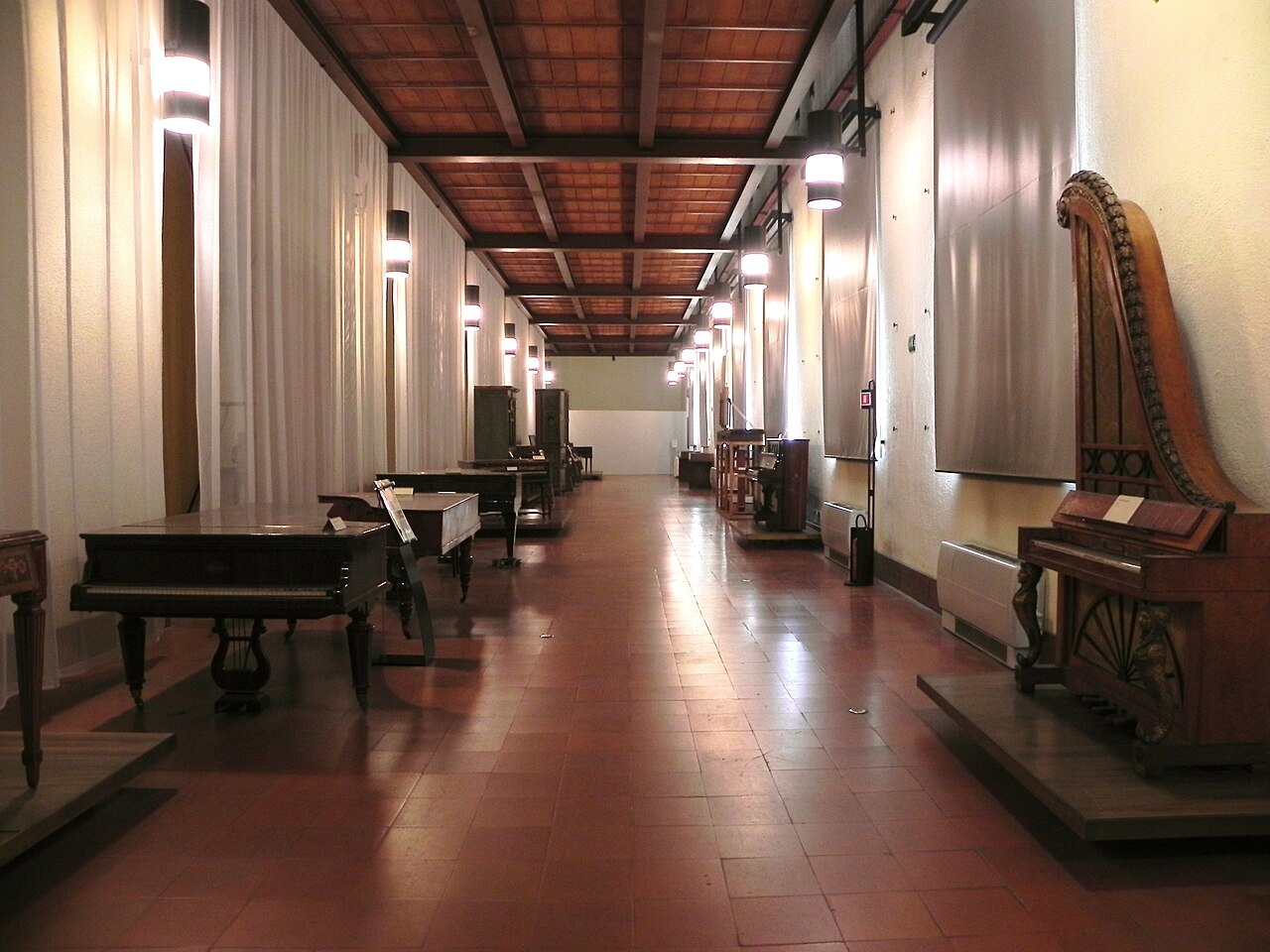
Museum of Musical Instruments
- Must see
- Museum

Museum · Milan
Museo delle Arti Decorative
The Applied Arts Collection of Milan, known locally as the Museo delle Arti Decorative, is a museum dedicated to decorative and applied arts within the city. It forms part of Milan's broader museum network, preserving objects that illustrate the intersection of artistic craftsmanship and practical function. The institution contributes to the city's cultural landscape alongside its more famous neighbours, offering visitors insight into material culture, design history, and artisanal traditions that have shaped Italian domestic and public life across periods.
Checked 2026-08-26
The collection encompasses decorative art objects including furniture, textiles, ceramics, glass, metalwork, and other crafted items. These materials demonstrate techniques and styles from various historical periods, reflecting changing tastes and technological capabilities in applied arts. Visitors can expect to encounter pieces that illustrate the evolution of design, from ornate historical examples through to more modern approaches. The specific scope and arrangement of displays depends on curatorial decisions and any rotation policies the museum maintains for its holdings. Applied Arts Collection of Milan also earns time in a milan itinerary because A visitor-relevant POI matched exactly to the production city pool; stored identity, local name and coordinates were copied without approximation. Its value becomes clearer when the stop is compared with the surrounding streets and the other ranked places nearby.
Checked 2026-08-26
A thorough visit typically requires between sixty and ninety minutes, though individual pacing varies considerably based on personal interest in decorative arts and museum engagement style. Visitors with strong enthusiasm for craftsmanship details, material histories, or specific object categories may wish to allocate additional time. Those combining this museum with other nearby cultural attractions should plan accordingly. The compact nature of many applied arts collections often permits meaningful engagement without demanding excessive duration, making this suitable for flexible itinerary inclusion.
Checked 2026-08-26
Visitors should consult official channels before planning attendance. Milan experiences substantial tourist traffic during spring and autumn months when weather conditions prove most agreeable for city exploration. Summer brings heat and humidity that may affect comfort, while winter offers fewer crowds but shorter daylight hours. Morning visits to museums generally provide quieter conditions for contemplative viewing. Weekdays typically attract fewer visitors than weekends, though this pattern may shift during holiday periods and special exhibition openings. Check the operator's own site for the travel date before relying on a schedule or fare.
Checked 2026-08-26
Visitors should verify current admission policies through official museum communications before arrival. Many Milan museums participate in municipal or regional museum card schemes that may provide access to multiple institutions, though specific inclusions require confirmation. Reduced rates for designated categories such as students, seniors, or residents are common practice in Italian museums but exact eligibility and discount levels need direct verification. Free admission days occur periodically in Italian public museums, though schedules vary annually. Check the operator's own site for the travel date before relying on a schedule or fare.
Checked 2026-08-26
The museum occupies a location within Milan's urban fabric, accessible via the city's public transportation network of metro lines, trams, and buses. Central Milan's dense transit coverage generally permits reaching most cultural institutions without private vehicle use, which visitors should avoid due to restricted traffic zones and parking scarcity. Walking from nearby landmarks or metro stations represents a practical approach. Exact station names and route numbers require verification against current transit authority information, as services undergo periodic modification. Bicycle sharing systems offer additional options.
Checked 2026-08-26
Milan's restricted traffic zone limits vehicle access in the historic centre; drivers must understand applicable regulations to avoid penalties. Pickpocketing occurs in crowded tourist areas and public transportation, necessitating vigilance with valuables. Museum visitors should confirm accessibility provisions if required, as older buildings may present challenges. Climate control in historic structures can prove inconsistent. Nearby dining options in central Milan may carry premium pricing; exploring slightly peripheral streets often yields better value. Advance verification of operational status prevents disappointment from unannounced closures.
Checked 2026-08-26
Photography policies in Italian museums vary considerably between institutions and may change without extensive notice. Flash photography typically faces prohibition due to conservation concerns for light-sensitive materials common in applied arts collections. Tripod and selfie stick use usually encounters restriction for safety and space management reasons. Visitors should observe posted signage or inquire with staff upon entry rather than assuming permissibility. Commercial or publication-oriented photography generally requires advance written authorisation. Respect for other visitors' viewing experience should guide all photographic behaviour within exhibition spaces.
Checked 2026-08-26
The collection focuses on decorative arts objects that may not engage younger visitors accustomed to interactive displays. Children with emerging interest in design, crafts, or history may find value. Families should assess individual child temperament and patience for traditional museum environments.
Tour availability is Not recorded. Visitors should contact the museum directly or consult official channels to determine whether scheduled tours, audio guides, or educational programming are offered in languages they comprehend.
On-site catering facilities are Not recorded. The central Milan location provides numerous nearby options for refreshments, though visitors should verify museum policy regarding re-entry if stepping out during a visit.
Storage facilities for bags and coats are Not recorded. Many Italian museums require deposit of larger bags for security and object protection; visitors should prepare accordingly and verify current provisions.
Accessibility provisions in historic Milanese buildings are Not recorded. Visitors requiring step-free access, lifts, or adapted facilities should contact the museum directly before visiting to confirm accommodation possibilities.
Museum collections are non-commercial holdings preserved for public benefit. Some institutions operate gift shops offering reproductions or related merchandise, though specific retail presence here is Not recorded.
Loading the interactive map…
The interactive map could not be loaded.
Last updated:
Source: OpenStreetMap contributors, Wikidata ·