
1 min walk
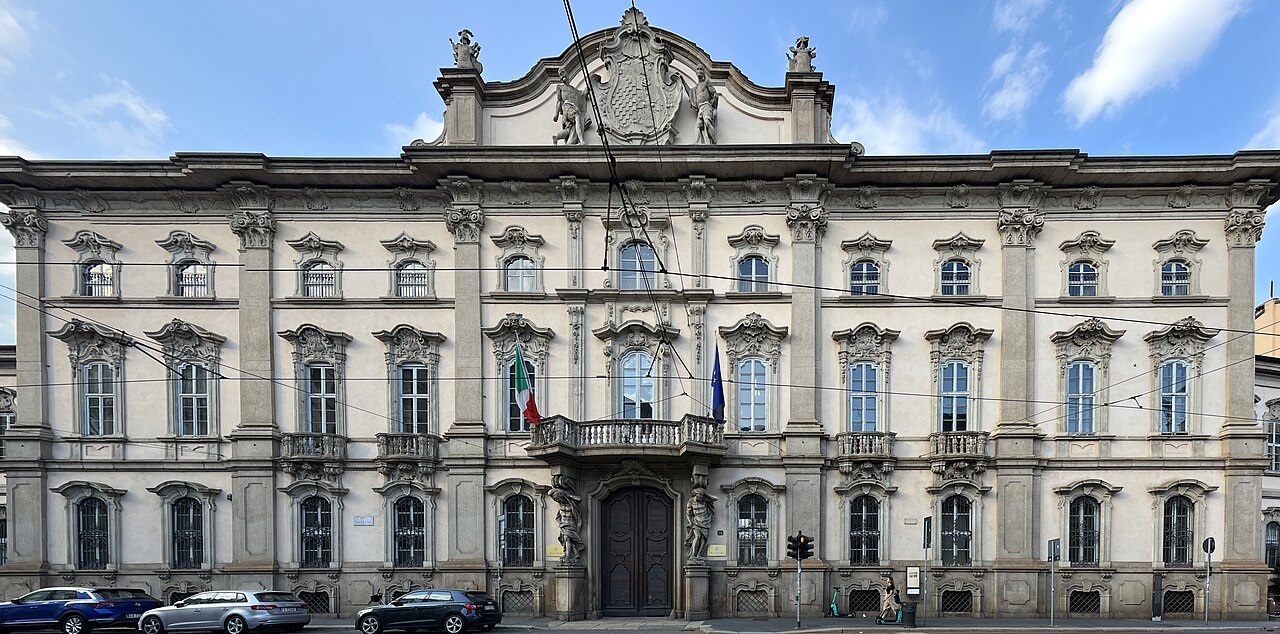
Palazzo Litta
- Must see · Heritage site
- Historic monument
Museum · Milan
Civico museo archeologico di Milano
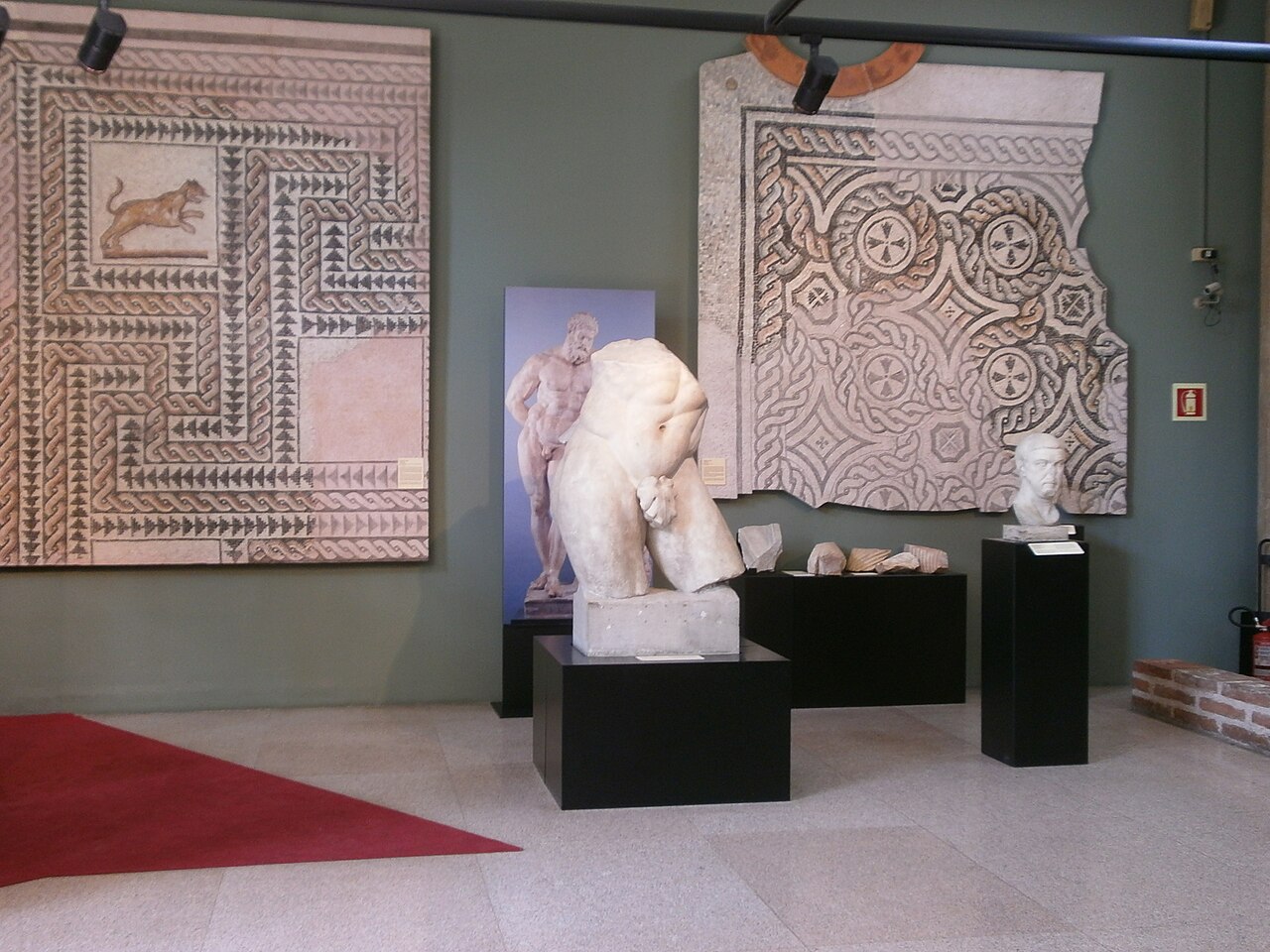
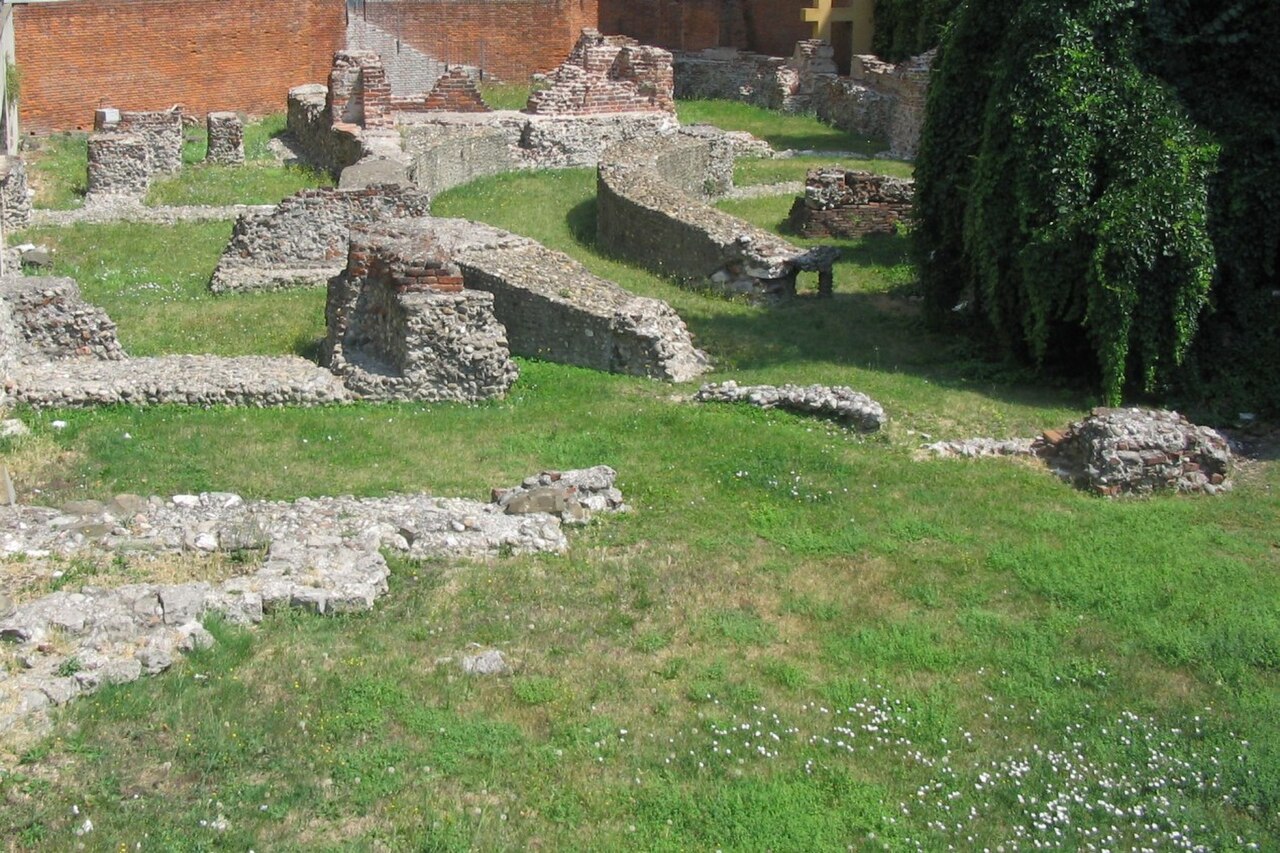
The Archaeological Museum of Milan, locally named Civico museo archeologico di Milano, preserves and presents archaeological collections relevant to the city's ancient history. Housed within a historic monastic complex, the institution serves as a municipal museum under civic administration. Its holdings span multiple periods of Milan's past, from Roman Mediolanum through later archaeological phases. The museum occupies spaces adapted from former religious buildings, creating a distinctive setting for artifact display. As a visitor-relevant point of interest matched to Milan's production city pool, it represents an established cultural destination for those seeking archaeological context for this major northern Italian city.
Checked 2026-08-26
The museum contains archaeological collections organized across multiple display areas within its historic premises. Roman-era materials form a significant component, reflecting Milan's importance as Mediolanum in antiquity. Exhibits include sculptural fragments, inscriptions, domestic objects, and architectural elements recovered from urban excavations. The former monastic spaces provide atmospheric galleries where stone artifacts and smaller finds are presented. Display arrangements follow chronological and thematic principles, allowing visitors to trace the city's material culture across centuries. The collections benefit from their setting within the atmospheric cloisters and halls of the adapted religious complex, creating an integrated experience of archaeology and historic architecture.
Checked 2026-08-26
Visitors typically allocate between ninety minutes and two hours for a meaningful exploration of the museum's galleries and courtyards. This duration allows adequate time to examine the Roman collections and appreciate the architectural setting without excessive haste. Those with specialized archaeological interests may prefer extended visits of approximately two and a half hours to study inscriptions and detailed displays more thoroughly. The compact nature of the historic premises means that circulation between galleries proceeds efficiently, though the atmospheric cloister spaces invite contemplative pacing. Budgeting additional time for any temporary exhibitions or enhanced display areas is prudent for comprehensive visitation planning.
Checked 2026-08-26
Visitors should consult official sources before planning their arrival, as municipal museums in Milan may observe seasonal variations in accessibility. The museum's interior spaces offer reasonable shelter from summer heat and winter conditions, making it theoretically suitable across seasons, though specific seasonal closures or reduced schedules are not documented here. Weekday mornings potentially offer quieter conditions for unhurried examination of archaeological materials. Weekend and holiday periods may attract increased attendance, though precise patterns are not established. Advance verification through the provided source pointer or direct institutional contact remains essential for reliable scheduling. Check the operator's own site for the travel date before relying on a schedule or fare.
Checked 2026-08-26
As a municipal museum, the institution may participate in Milan's civic museum access schemes, though specific pricing tiers, concession categories, or free-entry provisions are not documented here. Some Italian municipal museums offer free admission on certain monthly dates under national cultural policies, but applicability to this specific institution requires verification. Visitors should consult the official source pointer or direct museum contact for current rate structures. Any combined ticketing with other Milan civic museums would also require confirmation. Budget-conscious travelers should verify all cost information through authoritative channels rather than relying on potentially outdated secondary references. Check the operator's own site for the travel date before relying on a schedule or fare.
Checked 2026-08-26
The museum occupies a central position within Milan's urban fabric, accessible via the city's public transportation network. Metro stations serve the general area, with walking connections through historic streets. Surface tram and bus routes provide additional access options through nearby stops. The central location makes taxi and ride services viable alternatives, though traffic conditions in Milan's historic core vary considerably by time of day. Pedestrian approaches from major landmarks or commercial areas are feasible for those already exploring the city center. Cyclists should note that Milan's bike-sharing system extends to this district, though specific parking provisions at the museum itself are not recorded.
Checked 2026-08-26
The historic monastic architecture presents accessibility considerations that visitors with mobility limitations should investigate in advance. Cloister spaces and adapted historic interiors may include level changes, uneven paving, or narrow passages not originally designed for universal access. The archaeological collections include numerous stone objects displayed at various heights, potentially challenging for younger visitors or those with visual impairments. Climate control in historic buildings may be less comprehensive than in purpose-built museums, affecting comfort during temperature extremes. Security protocols typical of Italian municipal museums apply, with bag checks possible. Photography restrictions may apply to specific artifacts or areas, requiring attentive observation of posted guidance.
Checked 2026-08-26
Photography policies within Italian municipal museums vary considerably, and specific regulations for this institution are not recorded. Visitors should observe posted signage upon entry and seek staff clarification if guidance is ambiguous. Flash photography typically raises conservation concerns for sensitive archaeological materials, particularly pigments on fragile surfaces or light-sensitive display components. Tripods and professional equipment generally require advance authorization in Italian museum contexts. Smartphone photography for personal documentation may be permitted in some areas while restricted in others containing loans or particularly vulnerable objects. Respectful practice suggests disabling flash functions by default and refraining from photography where other visitors or staff indicate restrictions apply.
Checked 2026-08-26
The museum contains stone artifacts and historic displays that may engage children with prior interest in ancient history, though interactive elements typical of family-oriented museums are not recorded. Parents should assess individual children's engagement capacity with traditional archaeological exhibitions.
Guided tour provision is not recorded. Visitors seeking structured interpretation should consult the official source pointer or contact the museum directly to inquire about scheduled tours, audio guides, or educational programming availability.
On-site catering facilities are not recorded. The central Milan location provides numerous nearby dining options, and visitors may wish to plan refreshment breaks before or after their museum visit.
Bag storage provisions are not recorded. Italian municipal museums sometimes restrict large bags for security reasons, so visitors should travel light or verify storage options through official channels before arrival.
Retail facilities are not recorded. Visitors interested in archaeological publications or reproduction artifacts should inquire directly or consult the official source for current amenities.
Accessibility provisions in the historic monastic complex are not recorded. The adapted religious architecture may present challenges, and visitors requiring barrier-free access should contact the institution directly for verified information about ramps, lifts, and accessible restroom facilities.
Loading the interactive map…
The interactive map could not be loaded.
Last updated:
Source: OpenStreetMap contributors, Wikidata ·