
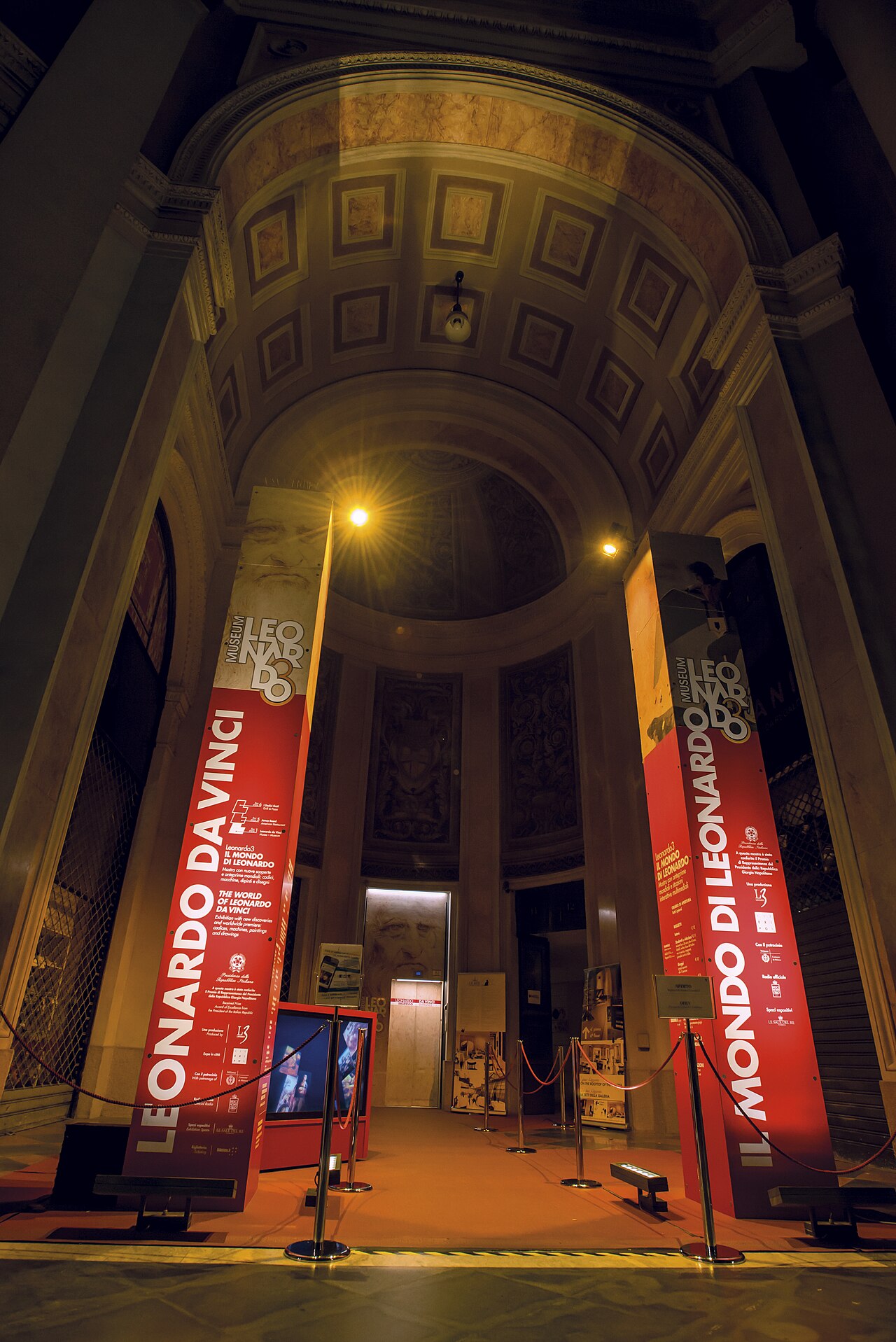
2 min walk
Leonardo3 Museum
- Must see
- Museum
Museum · Milan
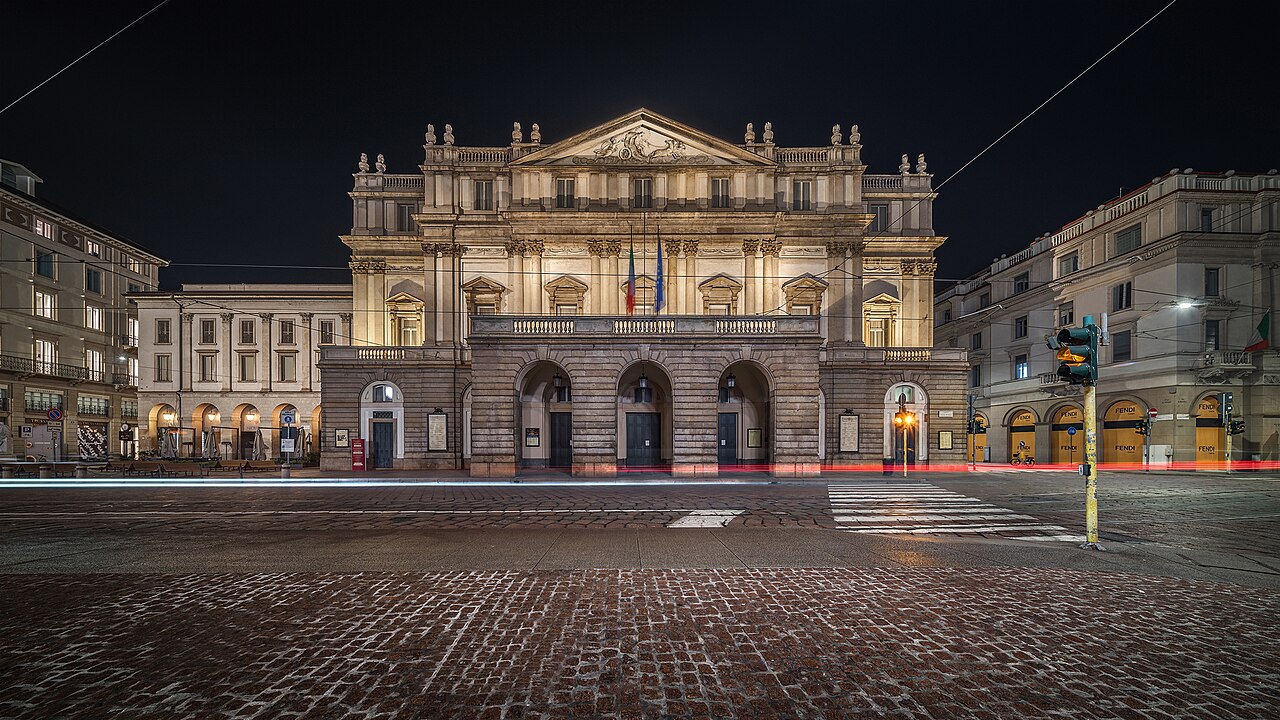
Museo Teatrale alla Scala is the museum devoted to the history of opera, ballet and theatre connected with Milan’s Teatro alla Scala. The museum occupies the Palazzo Bussetti beside the famous opera house and brings together objects from the performing arts rather than functioning as a general art museum. Its collections trace the artistic culture surrounding La Scala since the theatre’s founding in 1778. The museum is a strong choice for visitors who want context for Milan’s opera tradition, even when no performance forms part of the day. The setting beside the theatre also places the visit directly within the historic centre.
Checked 2026-08-26 · Source
The collection includes historic costumes, original set designs, scale models, musical instruments, portraits of composers and singers, manuscripts, letters and archival photographs. These objects show how opera and ballet were created, performed and remembered across generations. A designated gallery viewpoint gives visitors a privileged look into Teatro alla Scala’s red-and-gold auditorium, although the view is from above rather than from the auditorium floor. The exhibits combine personal stories of performers with the visual language of stage production. Visitors interested in costume, scenography, music or theatre history will find several different ways into the collection.
Checked 2026-08-26 · Source
Allow approximately 45 to 90 minutes for the museum. The compact rooms make a shorter visit possible, while opera enthusiasts may spend longer with costumes, portraits, documents and stage designs. The auditorium viewpoint is a brief but memorable part of the route, and the exhibits reward visitors who read the historical material rather than moving through only for the interior view. Temporary displays can change the amount of time needed. The museum pairs naturally with a walk around Piazza della Scala and the nearby Duomo, but the collection itself can be enjoyed as a focused cultural stop.
Checked 2026-08-26 · Source
Morning is a useful time for a calmer museum visit, particularly when Milan’s centre is busy. Visitor numbers can rise during major tourism periods, fashion events and holidays. Teatro alla Scala’s performance and rehearsal activity can affect access to the auditorium viewpoint, so the museum experience may not be identical on every day. The museum stands in a central district where it is easy to combine culture with the Duomo and Piazza della Scala. Plan enough time for the exhibits themselves, because the theatre view is one element of a collection centred on opera and ballet history.
Checked 2026-08-26 · Source
The museum is a separate visitor attraction from attending an opera or ballet performance at Teatro alla Scala. Admission arrangements can include the museum visit and may differ according to visitor category or special programming. A performance ticket is not the same experience as entry to the museum. Visitors interested in a broader Milan cultural day can place the museum alongside the Duomo and the historic centre. The collection is suited to visitors who want to see theatrical objects and an auditorium viewpoint without committing to a full evening at the opera house.
Checked 2026-08-26 · Source
Museo Teatrale alla Scala is in Milan’s historic centre beside Teatro alla Scala and within walking distance of the Duomo and Piazza della Scala. Duomo station is served by metro lines M1 and M3, while Montenapoleone on M3 also serves the surrounding area. Tram and bus routes cross the central district. The nearby streets are well suited to walking between the museum, the cathedral and other historic sights. Taxis and cycling services provide additional options, although central traffic and pedestrian areas make a car an inconvenient way to approach this particular museum.
Checked 2026-08-26 · Source
The museum’s rooms are compact, so busy periods can make movement and exhibit viewing feel crowded. The auditorium viewpoint may be affected by theatre activity and can have restricted access on some visits. Treat the building as a historic cultural institution: follow staff directions, keep personal belongings secure and respect any photography signs. Visitors with mobility needs should consider the building’s historic layout when planning the visit. The museum is most rewarding for people willing to spend time with visual and archival material, not only those seeking a quick photograph of the famous auditorium.
Checked 2026-08-26 · Source
The museum’s strongest photographic subject is the red-and-gold Teatro alla Scala auditorium seen from the designated gallery viewpoint. Costumes, portraits, instruments and stage designs provide additional visual details, while manuscripts and letters offer a more intimate record of theatrical life. Use the museum’s posted instructions for photography, and avoid flash or equipment that obstructs other visitors. The gallery viewpoint may offer only a limited angle, so patience and careful framing are more useful than bulky gear. The contrast between the museum’s historic objects and Milan’s busy central streets also gives the visit a strong sense of place.
Checked 2026-08-26 · Source
Yes. Museo Teatrale alla Scala is an independent museum visit, separate from attending an opera or ballet performance.
The museum contains costumes, set designs, scale models, instruments, portraits, manuscripts, letters and archival photographs connected with opera, ballet and theatre.
The museum provides a designated gallery viewpoint overlooking the red-and-gold auditorium, rather than direct floor-level access to the theatre interior.
Allow approximately 45 to 90 minutes, depending on how closely you study the theatrical objects and archival material.
The museum is beside Teatro alla Scala in Milan’s historic centre, within walking distance of the Duomo and Piazza della Scala.
It suits visitors interested in opera, ballet, costume, stage design, music history and the cultural world surrounding Teatro alla Scala.
Loading the interactive map…
The interactive map could not be loaded.

Last updated:
Source: OpenStreetMap contributors, Wikidata ·