
4 min walk
Armani/Silos
- Must see · Heritage site
- Museum
Museum · Milan
Mudec
| Monday | Closed |
|---|---|
| Tuesday | 09:30 – 19:30 |
| Wednesday | 09:30 – 19:30 |
| Thursday | 09:30 – 22:30 |
| Friday | 09:30 – 19:30 |
| Saturday | 09:30 – 19:30 |
| Sunday | 09:30 – 19:30 |
Checked 2026-08-31 · Source
| Per person | Free entry |
|---|
Checked 2026-08-31 · Source
Read from the OpenStreetMap access tags; anything not listed has no tag recorded.
Set the group type to family in the planner and the day window contracts to about three quarters of a solo day.
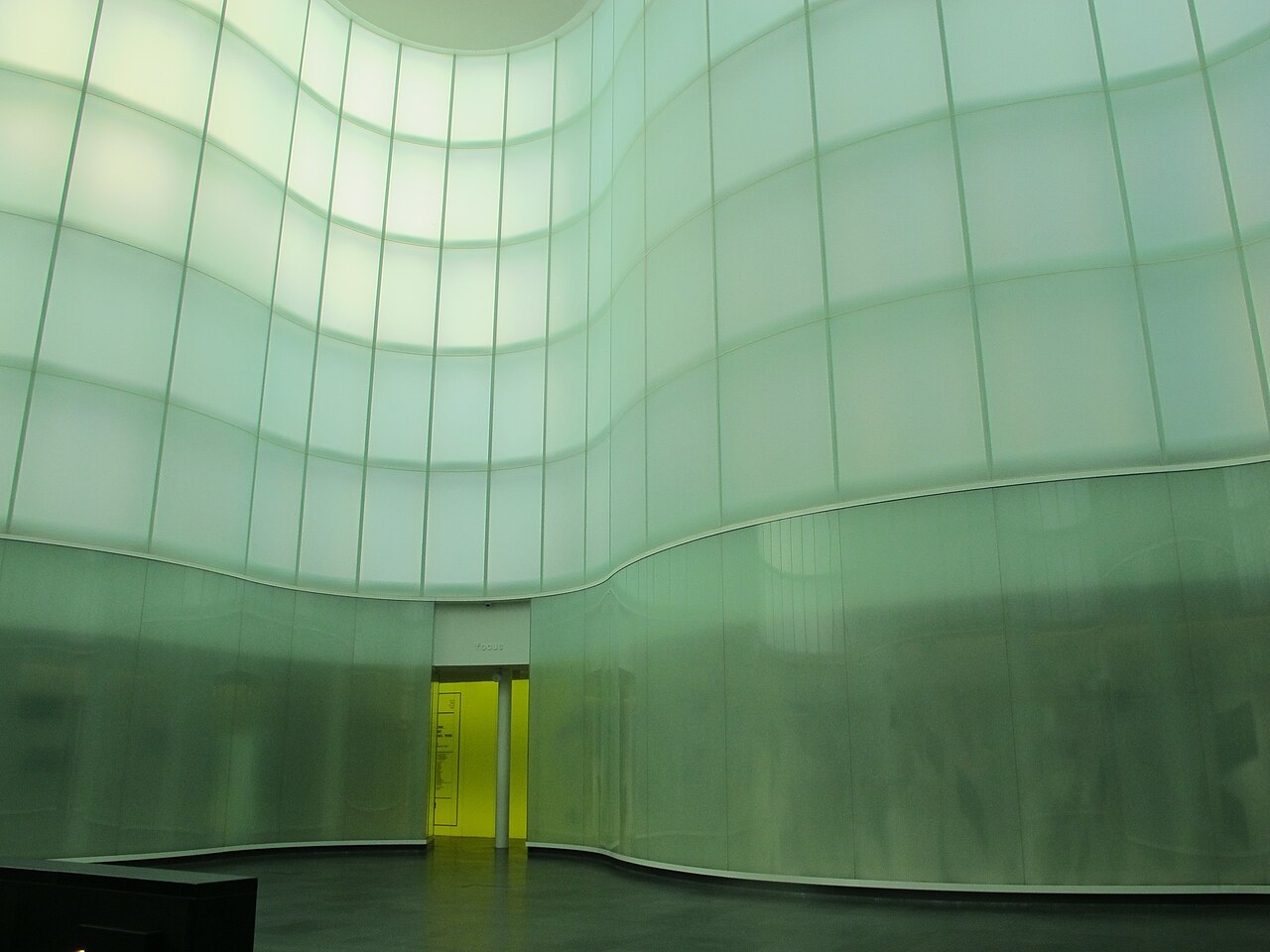
MUDEC, the Museum of Cultures, is a contemporary Milan museum devoted to cultures from around the world. Its location in the Porta Genova district places it near the Navigli area, where former industrial spaces, canals, restaurants, and nightlife shape the surrounding city experience. The museum combines anthropology, art, ethnography, research, and public exhibitions. It is a useful choice for travelers who want a global perspective in Milan and a change of emphasis from the city’s better-known Italian Renaissance and Gothic landmarks. MUDEC, the Museum of Cultures, is a contemporary museum in Milan dedicated to interdisciplinary study and display of world cultures. Housed in a distinctive building with an architectural profile that has become recognizable in the Porta Genova district, it serves as a venue for exhibitions, research, and cultural dialogue.
Checked 2026-08-26 · Source
Inside MUDEC, visitors find galleries devoted to rotating exhibitions and cultural material from different regions of the world. Displays can include artworks, textiles, ritual objects, documentary material, multimedia presentations, and contemporary installations. The museum also contains spaces for events, education, and scholarly activity. The balance between temporary exhibitions and longer-term displays changes with the program. Plan to read labels and compare objects across cultures rather than rushing through as if it were a single-theme collection. The building itself adds a modern architectural layer to the visit.
Checked 2026-08-26 · Source
Allow about one hour for a focused visit to one exhibition. Two to three hours suit visitors combining several galleries, reading interpretive material, and spending time with multimedia or anthropological displays. Exhibition size and personal interest make the experience flexible. MUDEC also pairs naturally with a walk through Porta Genova and the Navigli district, so the museum can anchor either a compact cultural stop or a longer afternoon. Visitors who enjoy detailed object study should leave additional time rather than trying to fit every display into a rushed schedule.
Checked 2026-08-26 · Source
MUDEC works well in a Milan itinerary when you want an indoor cultural activity near Porta Genova and Navigli. The climate-controlled interior offers relief from summer heat and from winter rain, while the surrounding neighborhood is lively throughout the year. Exhibition openings, events, and maintenance can change the experience, so give the current program priority when choosing a day. After the galleries, continue toward the canals for a contrasting outdoor walk. Crowds around nightlife areas are more noticeable later in the day.
Checked 2026-08-26 · Source
MUDEC uses admission arrangements that can differ between its permanent cultural displays and temporary exhibitions. A temporary exhibition may have its own price, while reduced categories or special event arrangements can apply to particular programs. Treat the exhibition you want to see as the key planning detail, because the contents and ticket structure change with the calendar. The surrounding Porta Genova and Navigli districts provide plenty of free street-level sightseeing, allowing the museum to fit into a broader day even when your focus is a paid exhibition.
Checked 2026-08-26 · Source
MUDEC is in Milan’s Porta Genova district, near the Navigli canals. Porta Genova station provides access to the M2 green metro line and regional rail, while ATM trams and buses serve the surrounding streets. The canal district can also be reached on foot or by bicycle from nearby neighborhoods. Private-car access is less convenient because central Milan has restricted traffic and limited parking. Public transport and walking are the simplest ways to combine MUDEC with the nearby canals, cafés, and former industrial streets.
Checked 2026-08-26 · Source
MUDEC’s galleries can differ greatly from one exhibition to the next, so the subject, layout, and photography rules may change with the program. In Porta Genova and Navigli, busy pedestrian areas and evening activity require ordinary urban awareness with bags and phones. Historic or converted urban surroundings can include uneven surfaces, while modern museum circulation may involve changes of level. Follow gallery signs about food, bags, photography, and interactive displays. Give other visitors room around popular works and keep voices low in exhibition spaces.
Checked 2026-08-26 · Source
Photography at MUDEC depends on the exhibition and on rights held by lenders, artists, or other rights holders. Where personal photography is allowed, use no flash and keep clear of circulation routes and other visitors’ sightlines. Tripods, selfie sticks, and additional lighting can interfere with gallery movement and may be restricted. Commercial photography requires permission. The museum’s contemporary architecture and the nearby Navigli streets provide separate subjects, so a photography-focused visit can combine indoor cultural details with urban scenes around Porta Genova.
Checked 2026-08-26 · Source
MUDEC is a museum of cultures in Milan, presenting art, anthropology, ethnography, documentary material, and contemporary exhibitions from around the world.
MUDEC is in Milan’s Porta Genova district, close to the Navigli canal area.
The Porta Genova and Navigli districts around MUDEC contain numerous dining establishments, making it easy to combine the museum with a meal nearby.
Allow about one hour for a focused exhibition visit, or two to three hours for several galleries and detailed reading.
Porta Genova station connects the area with Milan’s M2 green metro line and regional rail. ATM trams and buses serve nearby streets.
Photography rules vary by exhibition. When personal photography is permitted, avoid flash and keep clear of other visitors and the artworks.
Loading the interactive map…
The interactive map could not be loaded.

Last updated:
Source: OpenStreetMap contributors, Wikidata ·