The Conte Biancamano command bridge is a preserved section of an Italian ocean liner inside Milan's National Museum of Science and Technology Leonardo da Vinci. It is an exhibit within the museum's Air and Water Transport Pavilion, not a freestanding attraction elsewhere in the city. The liner began its inaugural Genoa–Naples–New York voyage in November 1925. Its changing career included passenger routes, wartime troop transport under the name Hermitage, and renewed Atlantic service after the war. When the ship was dismantled in 1960–61, the museum saved substantial sections and moved them from La Spezia to Milan. Visit for that survival story as much as for maritime engineering.
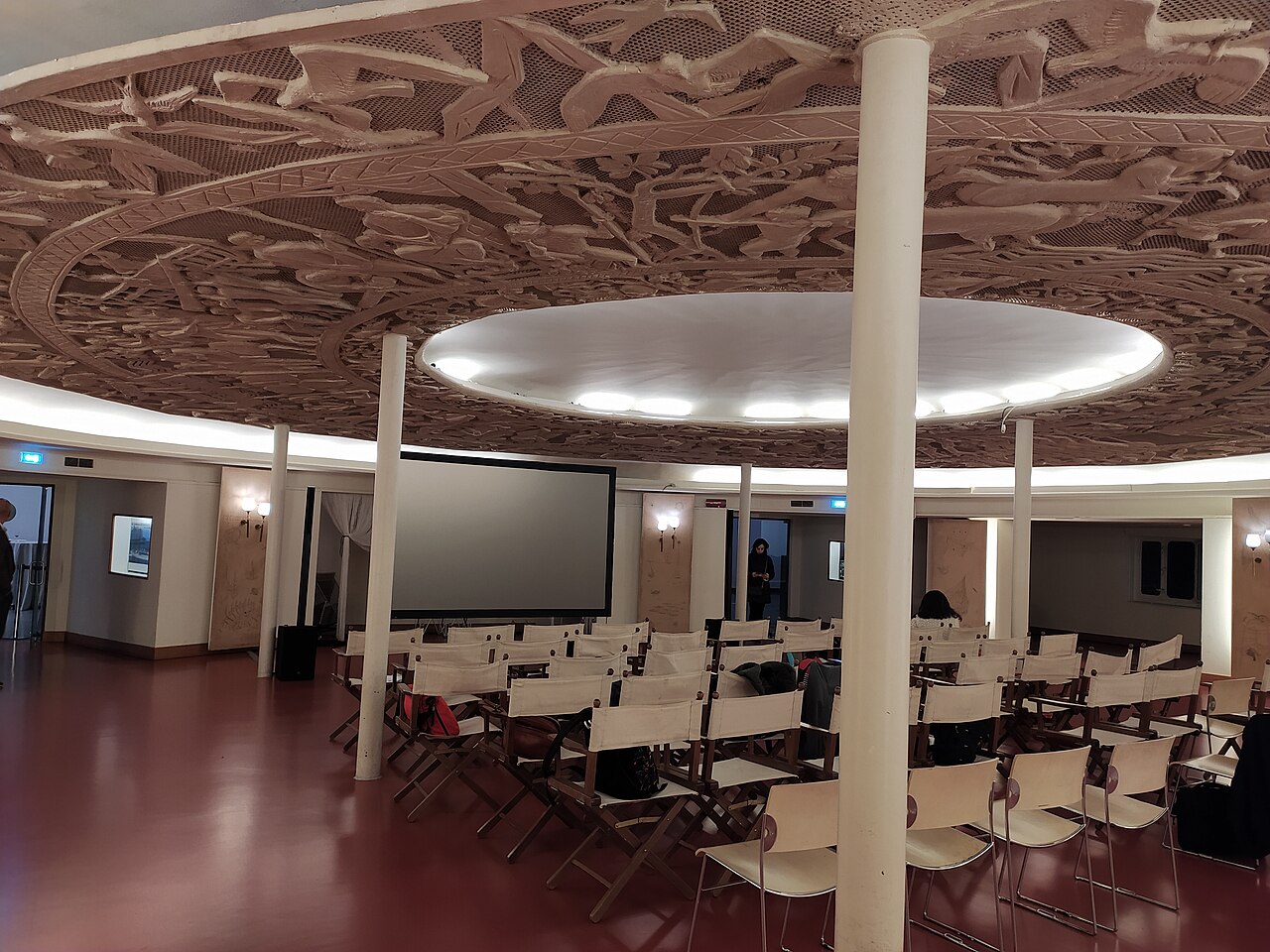
The museum's inventory describes a five-level steel structure, not just a single small room. It identifies the pilothouse and nautical spaces, parts of the boat deck with first-class cabins, and the first-class ballroom with decoration by Marcello Mascherini. Equipment, instruments and furnishings were acquired with the command bridge. The Air and Water pavilion was designed around the recovered liner sections and the training ship Ebe. Look at the difference between working navigation spaces and passenger leisure spaces: it explains why the surviving fragment tells a broader ship story than a wheel alone. The inventory does not guarantee that visitors can enter every preserved level.
Allow twenty to thirty minutes as an editorial planning allowance to see the preserved section from the museum route, then set aside additional time for the surrounding naval exhibits and the rest of the museum. That estimate is not an operator-promised duration or a guaranteed time on the bridge itself. The museum has advertised supervised boarding of the command bridge during a special Open Night programme, which shows that such access can be event-specific. Check the current calendar if boarding matters to you. A general museum visit and a booked activity are different commitments, so build the day around the actual programme rather than a fixed bridge tour.
Choose your date from the museum's current visitor calendar, not from generic hours for an imagined stand-alone bridge attraction. The operator publishes the museum's opening schedule and programme on its own visitor pages. A special event can offer access to the command bridge, but a past Open Night activity is not proof that boarding happens every day. If your goal is simply to see the preserved liner from the pavilion, check that the relevant gallery is open on your date. If your goal is to step aboard, look for a named activity and its booking terms before travelling. No season reliably guarantees quieter access.
Use the museum's official ticket route for the National Museum of Science and Technology. The Conte Biancamano is listed within the naval display; no source checked here establishes a separate, always-free bridge ticket or a universal boarding supplement. Special activities may have their own registration and capacity rules, so read the programme attached to the date you choose. A free one-night museum event is not a permanent admission policy. Do not infer prices, discounts or booking rights for this exhibit from another Milan attraction. The museum's current ticket page is the place to confirm what a regular visit includes.
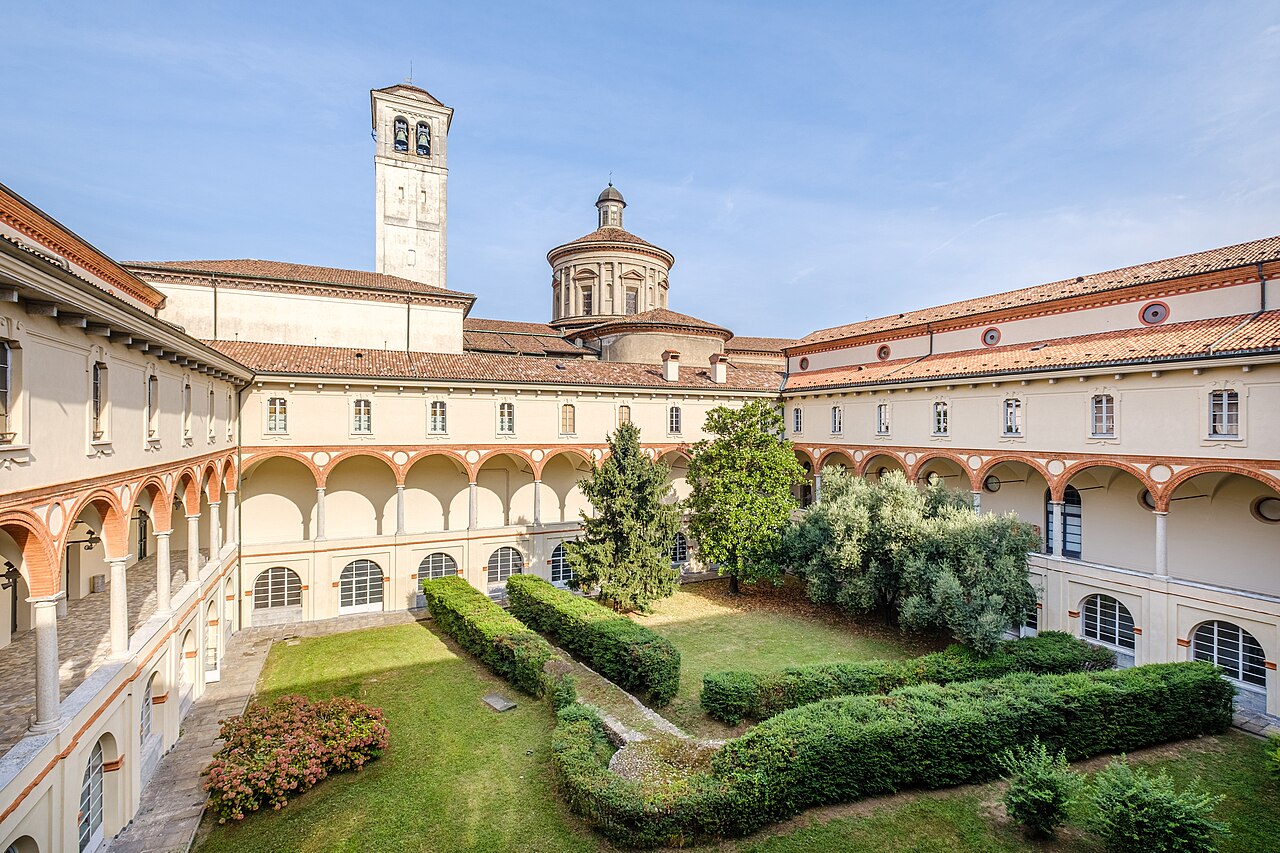
Start at the National Museum of Science and Technology Leonardo da Vinci, Via San Vittore 21, Milan. The operator's visitor page gives that entrance, while its collection catalogue places the Conte Biancamano in the Air and Water Transport Pavilion. Follow the museum's internal signs to the naval display; the command bridge is not an independent street address. The preserved sections share this pavilion with the training ship Ebe and other maritime objects, so a museum route can connect several exhibits without a second city transfer. Check museum directions before departure rather than following a map marker attached only to the ship fragment.
The object is a historic ship section in a museum, so keep to the routes staff make available and do not touch instruments or furnishings unless an activity explicitly invites interaction. The collection record describes original equipment but does not specify an unrestricted climb through its five levels. Likewise, a special boarding event does not establish permanent step-free access to every deck. Ask the museum about the route and assistance that apply to your visit if mobility is a concern. Avoid treating the 1960–61 dismantling date or the ship's wartime name as a claim that the entire vessel survives in Milan; it is a preserved part.
The command bridge's scale and the adjacent ballroom can be worthwhile photographic subjects from the public museum route. The collection catalogue provides images of the object, but the sources checked for this guide do not state a current visitor photography rule for the pavilion, including flash, tripods or pictures inside the preserved structure. Ask museum staff and follow signs before taking photographs. If a special activity permits boarding, its own rules may differ from ordinary gallery access. A picture from the floor can show the ship fragment without assuming the upper levels are open; no personal visit or guaranteed viewpoint is claimed here.
It is in the Air and Water Transport Pavilion of the National Museum of Science and Technology Leonardo da Vinci. Start at the museum entrance, Via San Vittore 21.
Can I board the command bridge on a normal visit?
The museum has advertised supervised boarding for a special event. That does not establish daily access; check the current programme for a named activity and its booking terms.
Is there a separate ticket for this ship section?
The ship section is part of the museum naval display. No separate always-free bridge ticket or universal boarding supplement was verified; use the museum’s current ticket and activity pages.
What survives of the Conte Biancamano?
The museum inventory describes the command bridge, nautical rooms, sections with first-class cabins and a ballroom; the entire ship does not survive.
Why was the ship brought to Milan?
The liner was dismantled in 1960–61. The museum acquired substantial sections and moved them from La Spezia to a pavilion designed to house them.
May I photograph or enter all five levels?
The sources checked here do not confirm current photography rules or unrestricted access through all five levels. Follow signs and ask museum staff.