
1 min walk
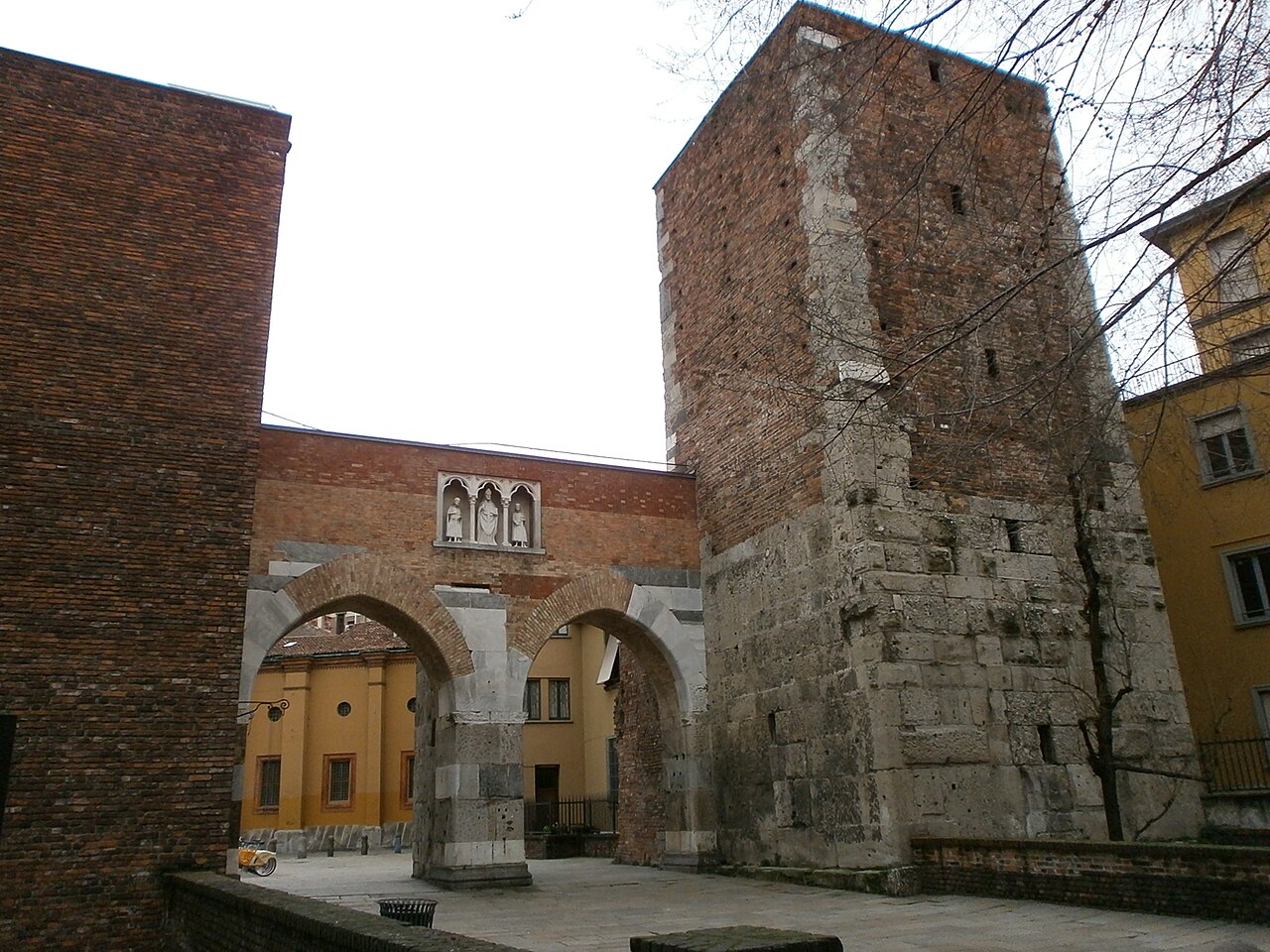
Pusterla di Sant'Ambrogio
- High · Heritage site
- Historic monument
Language · 11 published
Historic monument · Milan
Reviewed by Elena Voss · Roavina Travel Editor
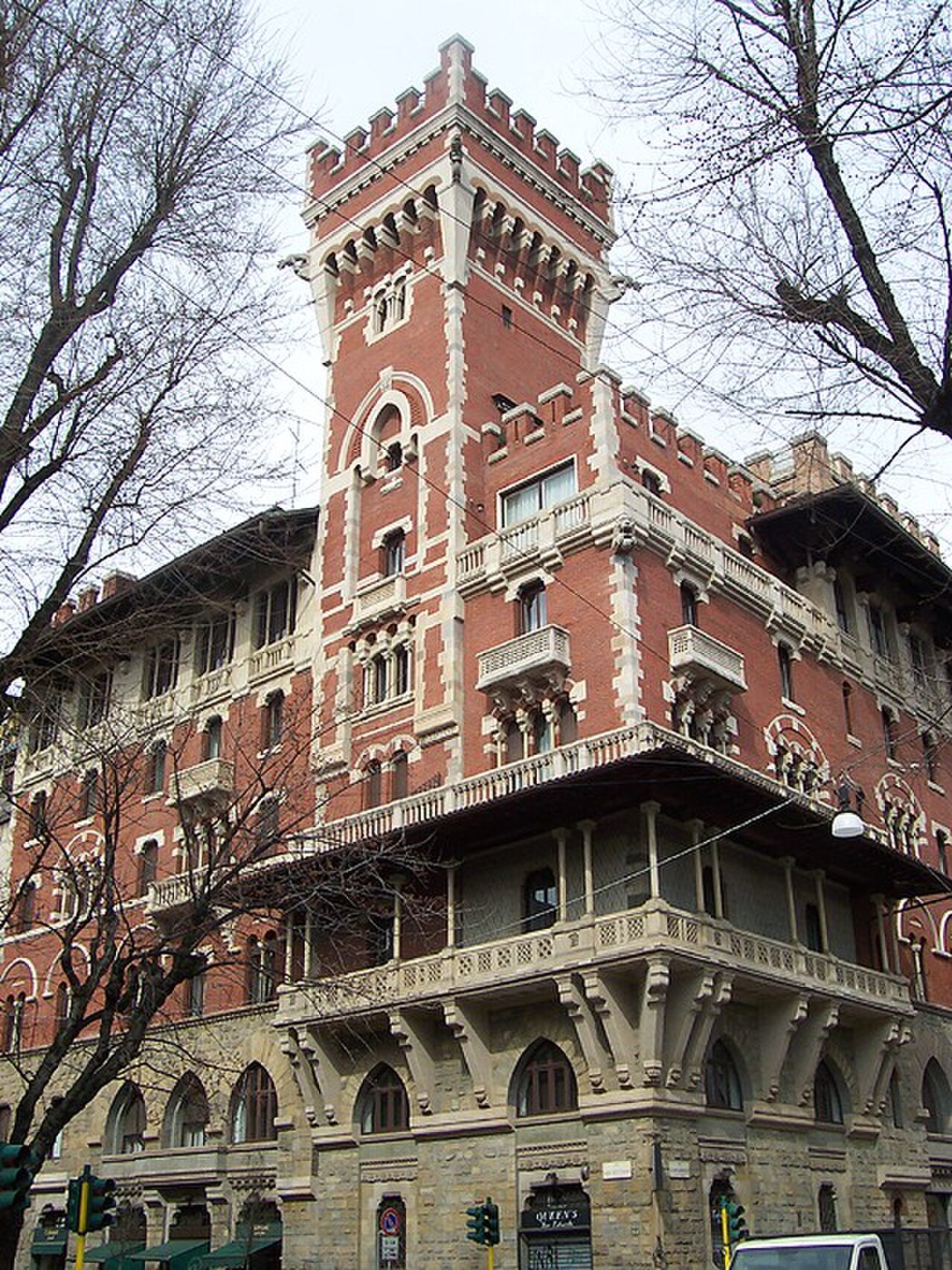
It was built in the Neo-medieval style. It was designed by Adolfo Coppedè. It carries the Italian national heritage heritage designation.
Castello Cova is a historic building in Milan, Italy, known for its distinctive castle-like appearance. The structure features neo-medieval architectural elements that distinguish it from surrounding buildings. Located in the city centre, it contributes to Milan's diverse architectural heritage. The building dates from the late nineteenth or early twentieth century, reflecting the period's taste for revivalist styles. Its crenellated towers and fortified appearance have made it a notable landmark. The building serves commercial or institutional purposes rather than functioning as a traditional castle. Visitors encounter it while exploring central Milan.
Checked 2026-08-28
The interior details of Castello Cova are Not recorded. The building's external architecture represents its primary visitor interest. What lies behind the fortified facade remains undocumented in available sources. The structure may contain offices, commercial spaces, or other functions typical of historic urban buildings repurposed over time. Original decorative features, if preserved, are not described in accessible materials. Visitors should not expect castle interiors such as great halls, armouries, or residential chambers. The building's value lies chiefly in its exterior contribution to streetscape character. Interior access appears limited or restricted.
Checked 2026-08-28
A visit to Castello Cova requires minimal time if approached as an external architectural observation. The building occupies a compact urban site without extensive grounds. Most visitors spend five to fifteen minutes appreciating the facade, photographing distinctive features, and continuing their exploration. No queues, ticketed entry, or structured itinerary applies to exterior viewing. Those incorporating it into a broader walking route of central Milan should allocate brief moments. The duration depends entirely on personal interest in architectural photography and historical context. It functions best as one stop among many in a leisurely city stroll.
Checked 2026-08-28
The building's exterior remains visible at all hours from public thoroughfares. Daylight offers optimal conditions for appreciating architectural details and photography. Evening illumination may enhance the castle-like atmosphere, though lighting specifics are unconfirmed. Seasonal considerations follow general Milan patterns: spring and autumn provide comfortable temperatures for walking; summer brings heat and crowds; winter offers atmospheric conditions but shorter days. No special events or seasonal openings are documented. Visitors should verify any interior access possibilities independently. The structure lacks the scheduling constraints of ticketed attractions. Check the operator's own site for the travel date before relying on a schedule or fare.
Checked 2026-08-28
Exterior viewing from public streets requires no payment. The building does not operate as a standard tourist attraction with admission procedures. Any interior access, if available, would involve separate arrangements undocumented here. Visitors should not anticipate ticket offices, guided tours, or visitor facilities. The economic transaction, if any, relates solely to surrounding commercial activities. Budget planning for this site need not allocate specific funds beyond general urban exploration costs. Verification of any changed circumstances remains the visitor's responsibility. Check the operator's own site for the travel date before relying on a schedule or fare.
Checked 2026-08-28
Castello Cova occupies a central Milan location accessible by metropolitan transport. The precise address and nearest transit stops are Not recorded. Milan's extensive metro, tram, and bus networks serve the central area comprehensively. Walking from major landmarks or transport hubs likely proves feasible given the compact city centre. Visitors familiar with Milan's geography should locate it relative to known reference points. Standard urban navigation tools apply. The building's distinctive appearance assists identification upon approach. Bicycle and pedestrian infrastructure characterises central Milan, though specific route recommendations are unverified.
Checked 2026-08-28
The building's integration into active urban fabric means visitors encounter functioning commercial or institutional premises. Respect for apparent private or semi-private boundaries is advisable. Street conditions follow typical central Milan patterns: pedestrian traffic, vehicles, and cycling activity require awareness. No specific hazards are documented, though standard urban vigilance applies. The structure's age may present uneven surfaces or other physical characteristics requiring care if closer inspection is attempted. Weather exposure is minimal given the brief duration of exterior visits. No visitor services such as restrooms, seating, or shelter are confirmed.
Checked 2026-08-28
The castle-like facade offers distinctive photographic subjects. Crenellations, towers, and textured masonry provide architectural interest. Street-level perspectives dominate given apparent access limitations. Wide-angle lenses accommodate the building's height and narrow frontage context. Lighting conditions vary throughout the day; overcast skies may reduce contrast beneficially for detail capture. Adjacent structures encroach closely, complicating composition. No restrictions on exterior photography from public spaces are documented, though interior photography appears irrelevant given access uncertainties. Tripod use in busy pedestrian areas may attract attention or obstruction. The building rewards patient observation for optimal framing.
Checked 2026-08-28
Interior access is Not recorded. The building appears to function as commercial or institutional premises rather than a public attraction.
Five to fifteen minutes suffices for exterior appreciation. It functions best as one element within a broader walking exploration of central Milan.
Viewing from public streets requires no payment. Check the operator's own site for the travel date before relying on a schedule or fare.
The building exhibits neo-medieval or revivalist characteristics with castle-like features including crenellations and towers, dating from the late nineteenth or early twentieth century.
Daylight hours optimise architectural observation and photography from public thoroughfares.
Specific transit connections are Not recorded. The central location suggests accessibility via Milan's metro, tram, and bus networks with likely walking required.
Loading the interactive map…
The interactive map could not be loaded.

Last updated:
Source: OpenStreetMap contributors, Wikidata ·