
24 min walk
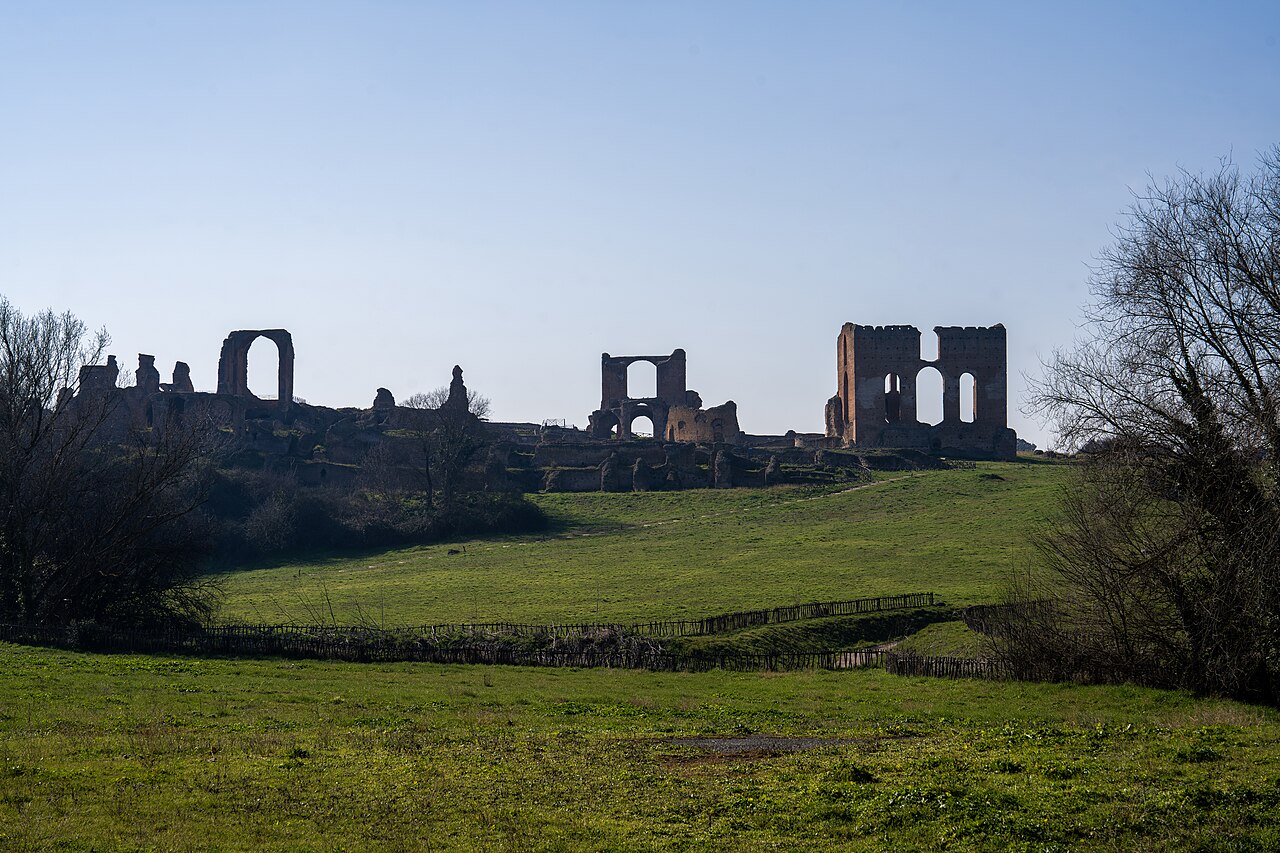
Villa of the Quintilii
- High · Heritage site
- Historic monument
Language · 11 published
Nature site · Rome
Reviewed by Elena Voss · Roavina Travel Editor
This place is a Park.
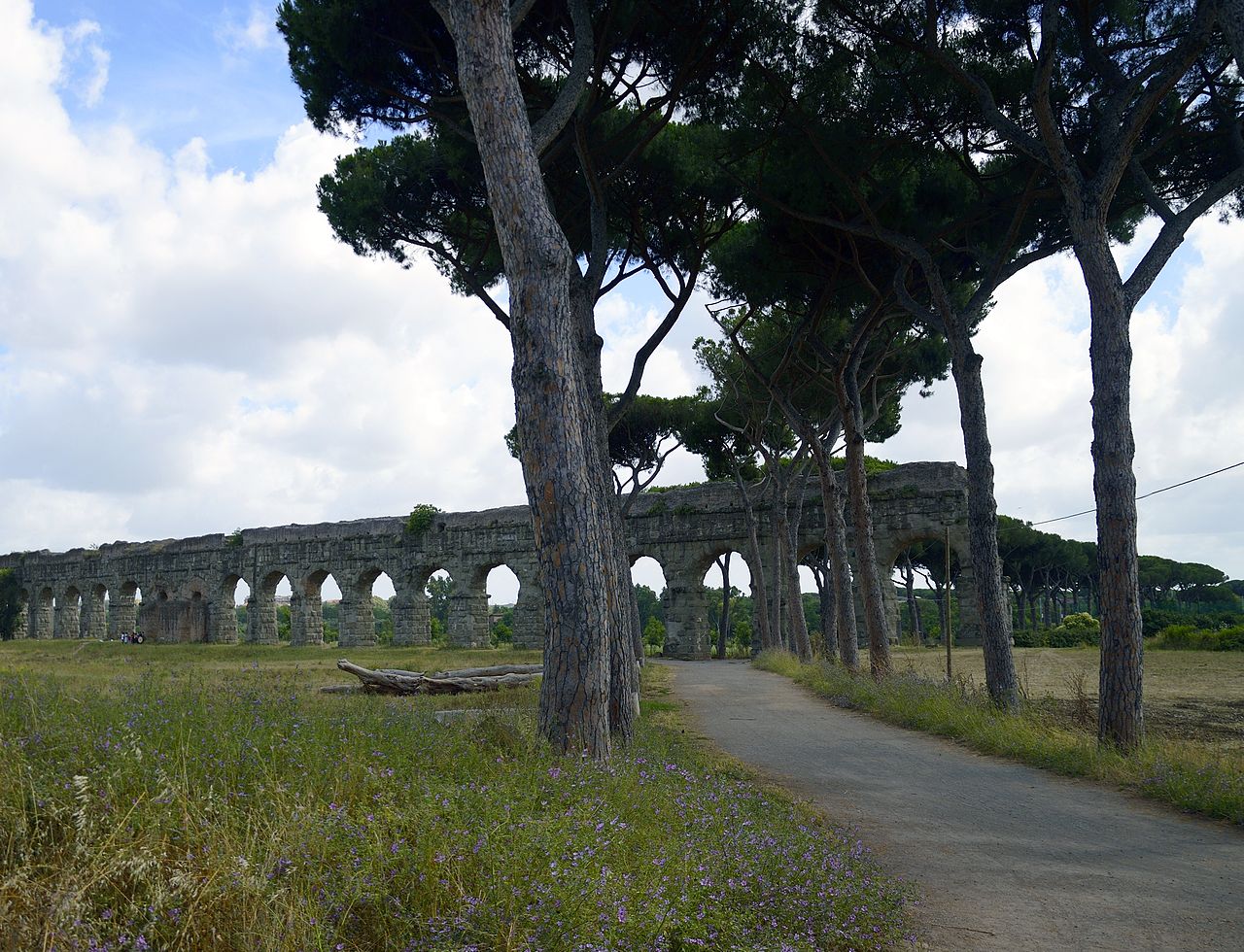
Parco degli Acquedotti is a public park in Rome's southeastern periphery, named for the ancient Roman aqueducts that traverse its terrain. The park preserves a stretch of the Aqua Claudia and Aqua Felix aqueducts, monumental engineering works that supplied water to ancient Rome. It forms part of the larger Appian Way Regional Park system. The landscape combines archaeological remains with open green space, offering visitors a rare encounter with Roman infrastructure amid relatively undeveloped surroundings. The aqueduct arches dominate the visual character of the site.
Checked 2026-08-26
The park's defining features are the standing remains of Roman aqueducts, particularly the Aqua Claudia with its distinctive arcaded construction. These structures stretch across the landscape in long rows of arches. The terrain is predominantly open grassland with scattered trees, lacking formal garden design. Visitors will find unpaved paths and natural vegetation rather than manicured facilities. The archaeological remains are exposed to the elements without protective coverings. No visitor center, museum, or interpretive installation is recorded. The experience centers on direct engagement with ancient engineering in a semi-rural setting.
Checked 2026-08-26
A visit to Parco degli Acquedotti can range from thirty minutes to several hours depending on interest level. Casual visitors photographing the aqueducts and walking a short stretch may complete their visit quickly. Those wishing to walk the full visible length of the remains and explore connecting paths within the broader park system should allow two to three hours. The flat terrain permits easy walking, though uneven ground requires appropriate footwear. Combining this site with nearby Appian Way attractions extends the excursion substantially. Parco degli Acquedotti also earns time in a rome itinerary because Exact unique production name match within the declared city scope. Its value becomes clearer when the stop is compared with the surrounding streets and the other ranked places nearby.
Checked 2026-08-26
The park is open land without gates or controlled access, suggesting daytime visiting is appropriate. Seasonal considerations apply: summer brings intense Roman heat with minimal shade, making early morning or evening visits preferable. Spring and autumn offer milder conditions for walking. Winter visits are feasible though weather may be inclement. No staffed facilities exist for shelter or services. Visitors should carry water and sun protection regardless of season, as the open landscape offers limited natural cover. Check the operator's own site for the travel date before relying on a schedule or fare.
Checked 2026-08-26
Parco degli Acquedotti appears to function as free public access space without entry controls or ticket barriers. No admission infrastructure is visible at the site. Visitors should verify current status before travel, as Italian park regulations occasionally change. No guided tour services, audio guides, or equipment rentals are documented. Any organized activities or special access arrangements would require separate confirmation. Budget-conscious travelers may appreciate the absence of entry costs, though this reflects minimal on-site services rather than deliberate accessibility policy. Check the operator's own site for the travel date before relying on a schedule or fare.
Checked 2026-08-26
The park lies beyond Rome's historic center, accessible via public transportation. The Giulio Agricola station on Metro Line A provides the nearest subway access, requiring subsequent walking. Several bus routes serve the surrounding Tuscolano district. Private vehicles may park along adjacent roads, though designated parking areas are not formally documented. The site lacks the concentrated tourist infrastructure of central Rome. Visitors should consult current transit schedules, as Roman bus frequencies vary. Walking from the metro station involves urban navigation through residential areas before reaching the park's open landscape.
Checked 2026-08-26
The terrain presents genuine hazards: uneven ground, potholes, and unmarked depressions occur throughout. The aqueduct ruins themselves are unstable ancient masonry; climbing is unsafe and likely prohibited. The isolated character of the park requires personal security awareness, particularly at edges of daylight hours. No emergency services or call points are stationed on site. Limited mobile phone coverage is possible in lower areas. Wildlife including stray dogs may be encountered. Visitors should inform others of their plans and carry basic first aid supplies. Water fountains or sanitation facilities are not recorded.
Checked 2026-08-26
The aqueducts offer exceptional photographic subjects, with the repeating arches creating strong linear perspectives. Early morning and late afternoon provide optimal directional light that emphasizes the masonry texture. The open landscape permits unobstructed views, though overhead sun at midday flattens visual depth. Tripods appear unrestricted given the public access nature. Drone operation would require Italian aviation authority compliance and should not be assumed permitted. The absence of crowds benefits patient photographers. Weather conditions significantly impact atmospheric quality; hazy summer days reduce visibility of distant arches. No commercial photography permits are documented.
Checked 2026-08-26
No. The park lies in Rome's southeastern periphery, well beyond the central tourist district, requiring dedicated travel from major monuments.
Climbing ancient masonry is unsafe due to structural instability and likely violates preservation regulations. Visitors should observe from ground level.
No permanent facilities are recorded. Visitors should complete personal needs before arrival and carry sufficient water.
Open space permits activity, but uneven terrain and unprotected archaeological edges require close supervision. Playground equipment is not present.
The ungated landscape lacks formal closing mechanisms, but visitor safety and security considerations strongly discourage nighttime presence.
Parco degli Acquedotti forms part of the broader Appian Way Regional Park system, though the ancient road itself lies at some distance from the aqueduct remains.
Loading the interactive map…
The interactive map could not be loaded.
Last updated:
Source: OpenStreetMap contributors, Wikidata ·