7 min walk
Appian Way
- Must see
- Historic monument
Historic monument · Rome
Castrum Caetani
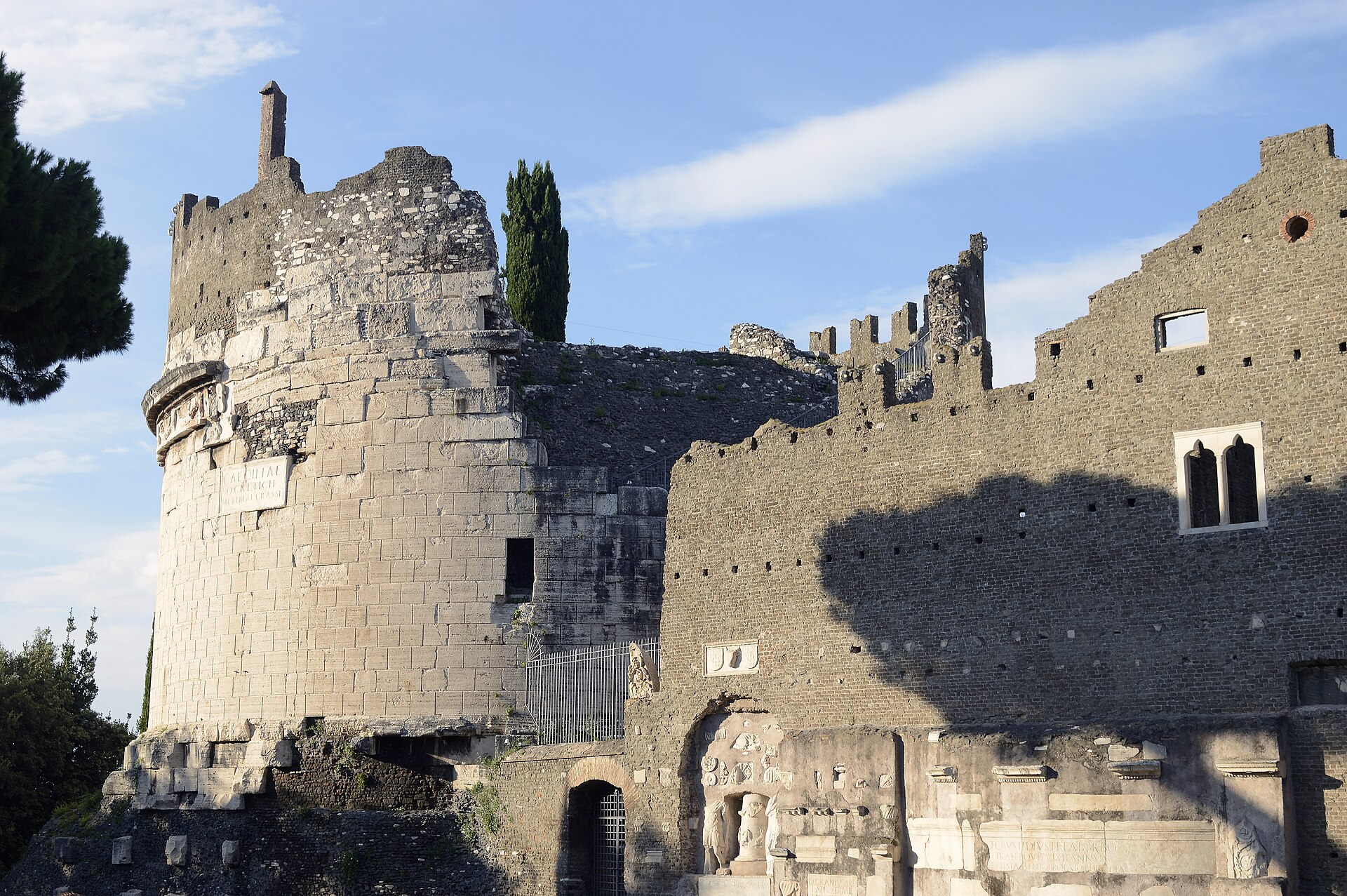
The Tomb of Caecilia Metella, known locally as Castrum Caetani, stands on the Via Appia Antica in Rome. This cylindrical funerary monument dates to the late first century BCE and commemorates Caecilia Metella, daughter of a Roman consul. The structure later became incorporated into a medieval fortress built by the Caetani family. The site represents a significant example of Roman Republican funerary architecture and subsequent medieval adaptation. The tomb's prominent location along the ancient Appian Way made it a notable landmark for travellers entering Rome from the south.
Checked 2026-08-28
The interior of the tomb structure is not extensively preserved in its original funerary form. Visitors can observe the substantial cylindrical drum construction with its travertine facing. The medieval fortress additions include walls and a tower that enclose the ancient monument. The site contains architectural elements from both Roman and medieval periods. The interior spaces reflect the building's dual function across centuries. Interpretive materials may be present to explain the historical layers. The physical remains demonstrate construction techniques from antiquity through the Middle Ages without reconstructed decorative elements.
Checked 2026-08-28
A visit to the Tomb of Caecilia Metella typically requires between thirty minutes and one hour depending on individual interest in architectural and historical detail. The compact nature of the site means that the main features can be observed within a relatively brief period. Visitors with particular interest in Roman construction methods or medieval fortification adaptations may wish to spend additional time examining the stonework and structural elements. The site forms one component of a broader Via Appia Antica exploration that many visitors combine with other nearby archaeological remains.
Checked 2026-08-28
Visitors should verify current opening schedules through official sources before planning their visit. The Via Appia Antica region experiences seasonal variations in visitor numbers, with spring and autumn generally offering moderate temperatures for outdoor archaeological exploration. Summer months can bring intense heat with limited shade at the monument itself. Winter visits may encounter reduced daylight hours and occasional rain. The exposed nature of the site means weather conditions significantly affect visitor comfort regardless of season. Check the operator's own site for the travel date before relying on a schedule or fare.
Checked 2026-08-28
Admission arrangements should be confirmed through official channels prior to visiting. The site may operate under combined ticketing with other nearby archaeological properties along the Via Appia Antica. Visitors should inquire whether any concessions apply for specific categories such as students, seniors, or residents. Payment methods accepted at the entrance are not documented in available sources. Group arrangements and guided tour inclusions require direct verification with site management. Tomb of Caecilia Metella is best treated as a distinct stop rather than a generic example of its category. Focus on the setting, surviving features and visitor route visible on arrival. Check the operator's own site for the travel date before relying on a schedule or fare.
Checked 2026-08-28
The tomb is located on the Via Appia Antica, accessible from Rome's historic centre. Public bus services operate along portions of the Appian Way, though specific route numbers and frequencies are Not recorded pending review. Private vehicle access is possible with parking availability subject to local regulations. The site lies within the Appia Antica Regional Park, which contains extensive archaeological remains spread across a considerable area. Walking or cycling along the ancient road provides context for the monument's original placement. Visitors should plan adequate time for transit given the distance from central Rome.
Checked 2026-08-28
The site contains uneven surfaces and ancient masonry without modern barriers in all areas. Appropriate footwear is essential for safe movement around the structure. Limited shelter from sun or rain means visitors should carry necessary protection against weather exposure. The surrounding Via Appia Antica area includes active road traffic in sections, requiring caution when moving between archaeological points. Water and refreshment facilities are not documented in immediate proximity. Mobile telephone reception may be variable in this semi-rural archaeological zone. Visitors should remain on designated paths to preserve the archaeological fabric.
Checked 2026-08-28
Photography rules are Not recorded pending review. Visitors should observe any posted restrictions regarding image capture within the monument. The cylindrical form and travertine construction present distinctive photographic subjects under varying light conditions. The medieval fortress elements offer additional compositional possibilities. Tripod use and commercial photography likely require specific permission though this is not confirmed. The exposed location permits natural lighting throughout daylight hours. Drone operation would be subject to Italian aviation regulations and any site-specific prohibitions. Respect for other visitors should guide photography behaviour in confined spaces.
Checked 2026-08-28
The local name Castrum Caetani refers to the medieval fortress that incorporated the ancient Roman tomb. The names describe different historical phases of the same structure.
The accessible interior spaces reflect medieval modifications rather than the original Roman funerary chamber. Specific access arrangements are Not recorded pending review.
Uneven ancient surfaces and limited modern adaptations suggest challenges for mobility-impaired visitors. Specific accessibility provisions are Not recorded pending review.
Most visitors combine this monument with other Via Appia Antica remains. The compact nature of the site suits inclusion within a broader exploration rather than as a sole destination.
Guided tour availability is Not recorded pending review. Visitors should inquire through official channels about educational programming or audio interpretation options.
Sturdy footwear, weather protection, and drinking water are advisable given the exposed archaeological setting. Specific on-site amenities are Not recorded pending review.
Loading the interactive map…
The interactive map could not be loaded.
Last updated:
Source: OpenStreetMap contributors, Wikidata ·