Roavina

City guide · Italy

Florence

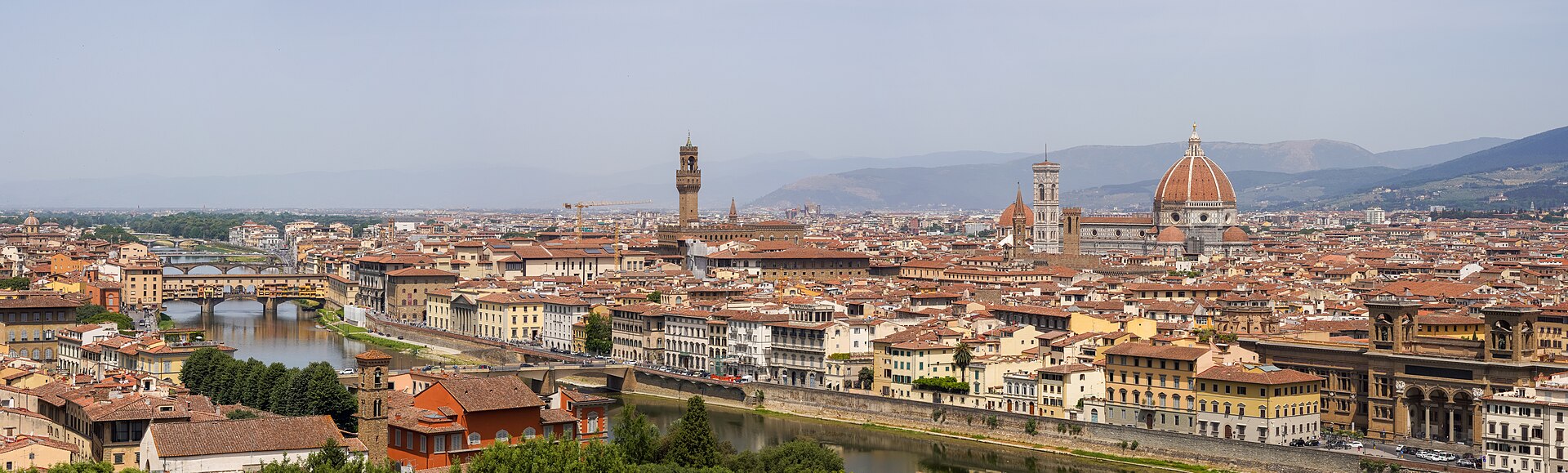
A photograph of Florence
Photograph · Wikibusters · CC BY-SA 4.0

Florence has a compact, largely pedestrian historic centre on both sides of the Arno. The Duomo, Piazza della Signoria, Uffizi and Santa Croce form the main north-bank cluster; the Oltrarno begins across the river around Santo Spirito and Palazzo Pitti. Santa Maria Novella station lies northwest of the centre, while hilltop viewpoints and Fiesole require a separate climb or transport leg.

Reviewed by Elena Voss · Roavina Travel Editor

Practical information

Language spoken
Italian
National practical orientation; regional and minority languages may also be used
Dialling code
+39
International calling code; local area and mobile prefixes still apply
Currency
Euro (EUR)
Use the official local currency; card acceptance varies by place
Emergency number
112
Use only for an emergency; tourist assistance may use a separate number
Plug type
Type C, F and L · 230 V
Check that chargers support the recorded voltage before using an adapter
Tap water
Not recorded
No verified nationwide visitor statement was recorded

Turn this list into a plan

Set your days, your pace and the hours you actually want to be out. The planner works around closing days and travel time, and leaves room to eat.

Plan Florence

Planning a visit

Suggested stay
Not recorded
Getting around
Walking, tram and bus
  1. January: viable with meaningful trade-offs
  2. February: good time to visit
  3. March: good time to visit
  4. April: good time to visit
  5. May: best time to visit
  6. June: best time to visit
  7. July: viable with meaningful trade-offs
  8. August: viable with meaningful trade-offs
  9. September: best time to visit — current month
  10. October: good time to visit
  11. November: viable with meaningful trade-offs
  12. December: viable with meaningful trade-offs
  • Best time
  • Good time
  • Viable with trade-offs
  • Difficult conditions

Sources

Top things to see

Ranked by importance — sitelinks, pageviews and heritage status, not editor preference.

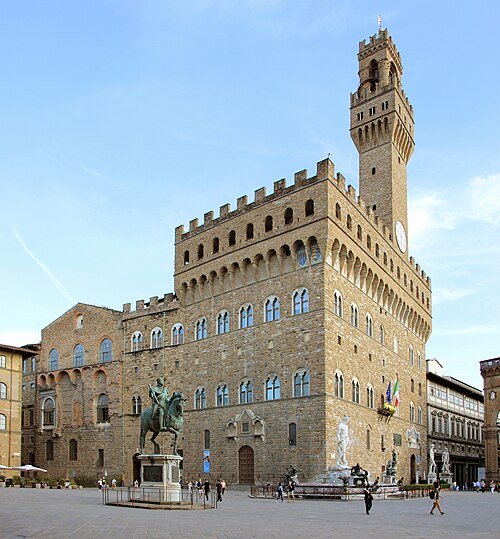
  1. Palazzo Vecchio Palazzo Vecchio
    02 2 hr 30 min

    Palazzo Vecchio

    Palazzo Vecchio is the fortified town hall on the north side of Piazza della Signoria, and it is still exactly that: the city's museum service calls it the monument that symbolises Florence and the seat of its government for more…

    • Must see
    • Historic monument
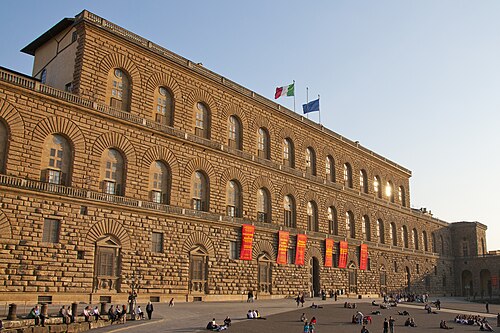
  2. Palazzo Pitti Palazzo Pitti
    03 3 hours

    Palazzo Pitti

    Palazzo Pitti is a single enormous palace on the south bank of the Arno that now holds five museums and a chapel under one ticket.

    • Must see
    • Historic monument
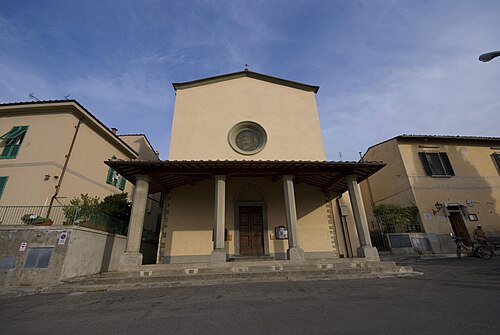
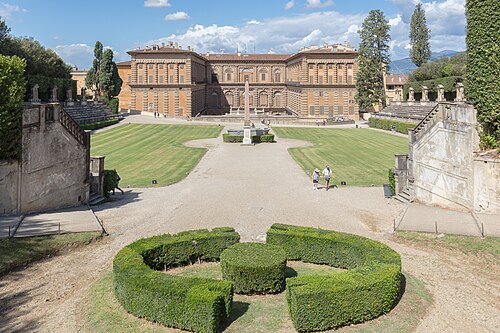
  3. Boboli Gardens Boboli Gardens
    04 2 hours

    Boboli Gardens

    Giardino di Boboli

    The Boboli Gardens climb the hillside directly behind Pitti Palace and run south along the line of the old city walls as far as Porta Romana.

    • Must see
    • Historic monument
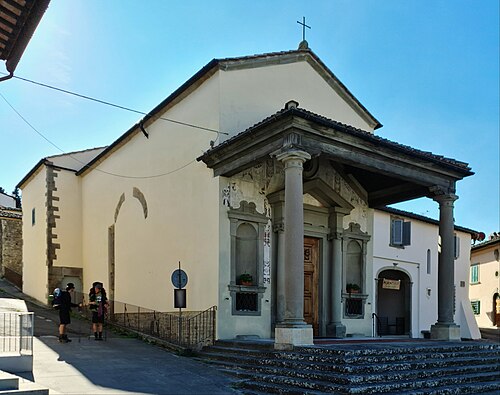
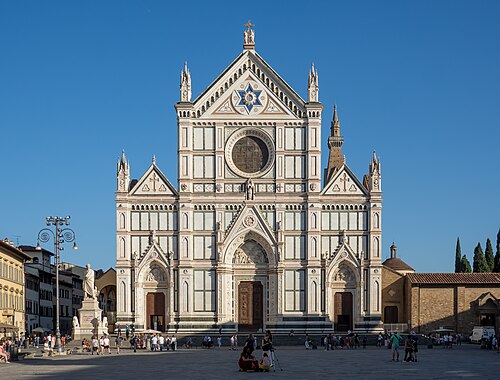
  4. Basilica of Santa Croce Basilica of Santa Croce
    05 1 hour

    Basilica of Santa Croce

    Basilica di Santa Croce

    Santa Croce is the Franciscan mother church of Florence and the largest Franciscan church in the world.

    • Must see
    • Historic monument
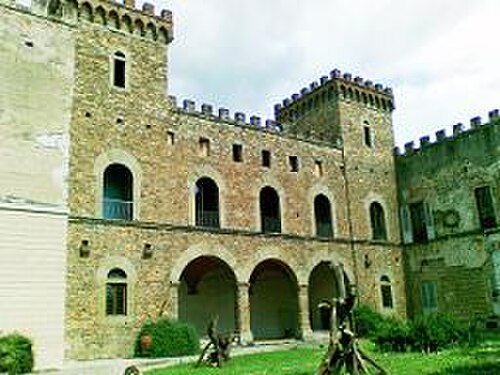
  5. piazzale Michelangelo piazzale Michelangelo
    06 45 min

    piazzale Michelangelo

    Piazzale Michelangiolo

    Piazzale Michelangelo is a panoramic square overlooking Florence from the south bank of the Arno River. It was designed by architect Giuseppe Poggi in 1869 as part of Florence's brief period as capital of the Kingdom of Italy.

    • Must see
    • Historic monument
  6. Piazza della Signoria Piazza della Signoria
    07 45 min

    Piazza della Signoria

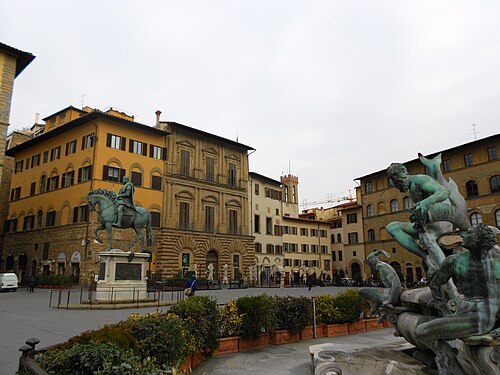
    Piazza della Signoria is Florence's principal civic square and the historic heart of the city's political life.

    • Must see
    • Historic monument
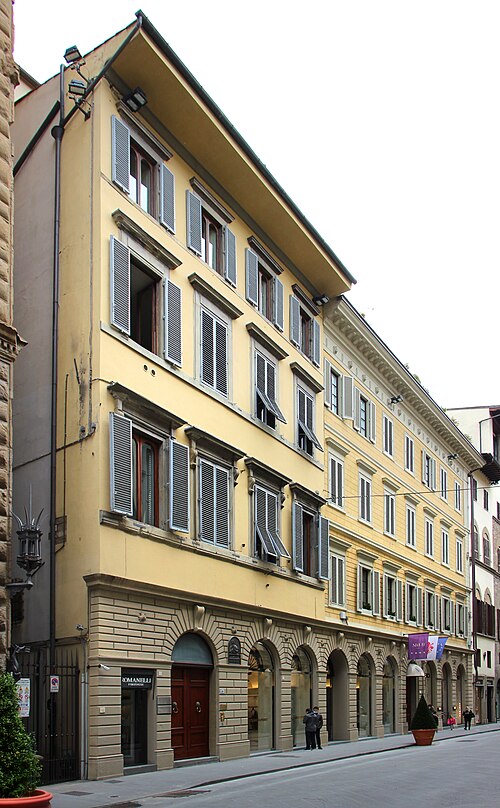
  7. Palazzo Medici Riccardi Palazzo Medici Riccardi
    08 45 min

    Palazzo Medici Riccardi

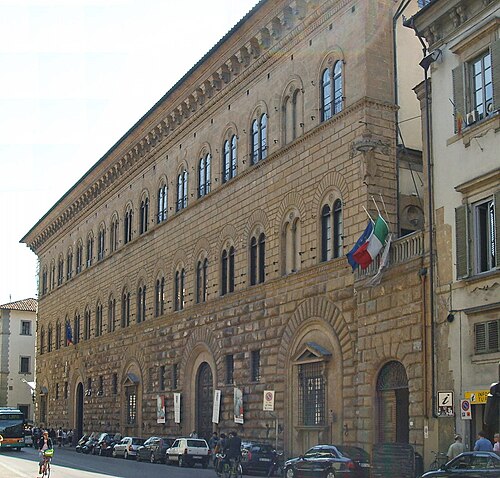
    Palazzo Medici Riccardi is a Renaissance palace in Florence, Italy. It was commissioned by Cosimo de' Medici and designed by Michelozzo di Bartolomeo in the fifteenth century.

    • Must see
    • Historic monument
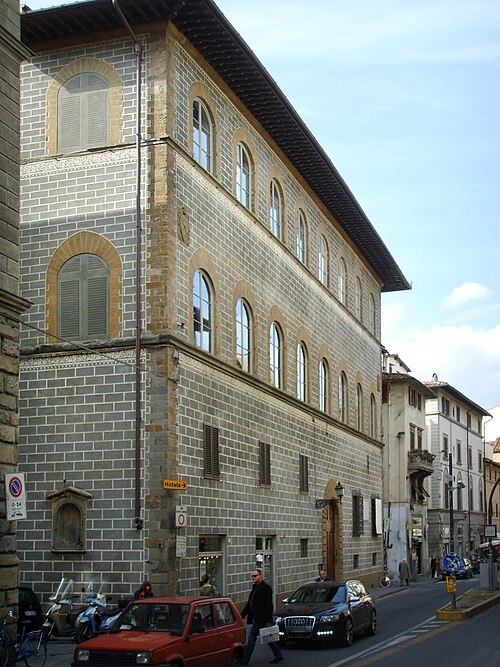
  8. Santo Spirito Santo Spirito
    09 45 min

    Santo Spirito

    Basilica di Santa Maria del Santo Spirito

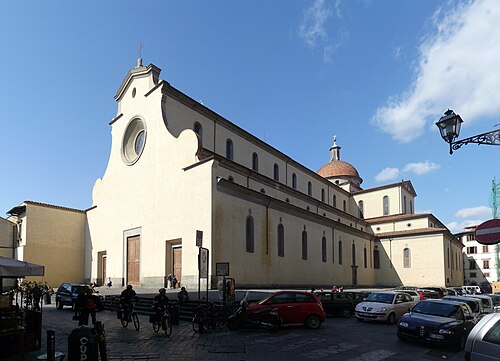
    Santo Spirito is a major basilica in Florence's Oltrarno district, formally named Basilica di Santa Maria del Santo Spirito. The church stands as one of the most significant Renaissance religious structures in the city, designed by Filippo Brunelleschi.

    • Must see
    • Historic monument
  9. Loggia dei Lanzi Loggia dei Lanzi
    10 45 min

    Loggia dei Lanzi

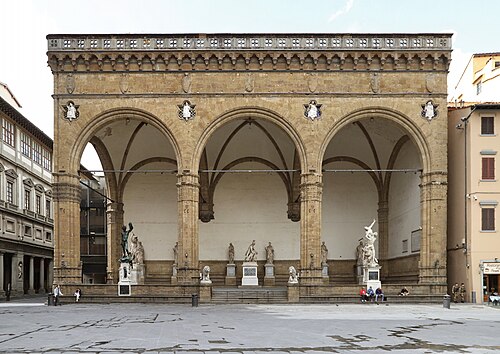
    The Loggia dei Lanzi is an open-air sculpture gallery located on the southeast corner of Piazza della Signoria in Florence. Built between 1376 and 1382, this Gothic-style loggia was originally designed to host public ceremonies of the Florentine Republic.

    • Must see
    • Historic monument
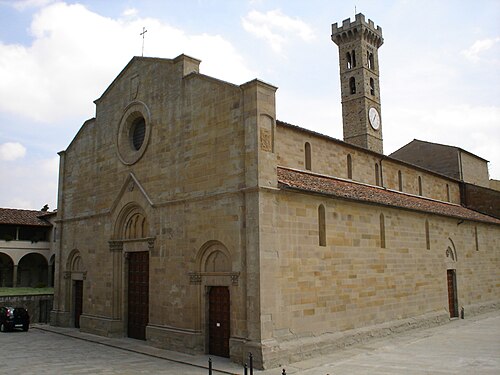
  10. Fiesole Cathedral Fiesole Cathedral
    11 45 min

    Fiesole Cathedral

    Cattedrale di San Romolo

    Fiesole Cathedral, known locally as Cattedrale di San Romolo, stands in the hill town of Fiesole overlooking Florence. This historic cathedral serves as the seat of the Diocese of Fiesole and represents a significant religious landmark in the Tuscany region.

    • Must see
    • Historic monument
  11. Santissima Annunziata Santissima Annunziata
    12 45 min

    Santissima Annunziata

    Basilica della Santissima Annunziata

    The Basilica della Santissima Annunziata is a major Renaissance church in Florence and the centre of the piazza that bears its name.

    • Must see
    • Historic monument
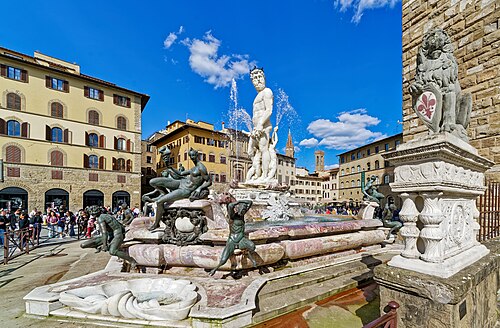
  12. Fountain of Neptune Fountain of Neptune
    13 45 min

    Fountain of Neptune

    Fontana del Nettuno

    The Fountain of Neptune is a monumental fountain located in the Piazza della Signoria, Florence's central civic square.

    • Must see
    • Historic monument
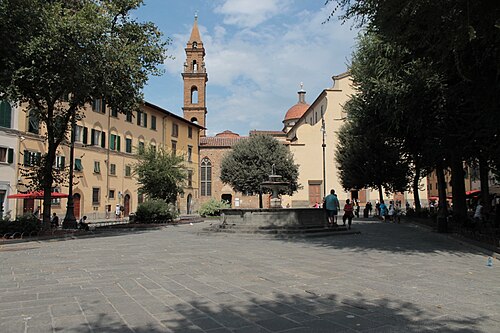
  13. Piazza Santo Spirito Piazza Santo Spirito
    14 45 min

    Piazza Santo Spirito

    Piazza di Santo Spirito

    Piazza Santo Spirito is a lively public square in Florence's Oltrarno district, south of the Arno. The square takes its name from the Basilica di Santo Spirito, the Renaissance church designed by Filippo Brunelleschi on its eastern side.

    • Must see
    • Historic monument
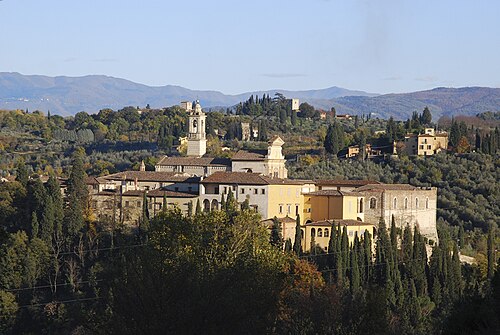
  14. Florence Charterhouse Florence Charterhouse
    15 45 min

    Florence Charterhouse

    Certosa del Galluzzo

    Florence Charterhouse, or Certosa del Galluzzo, is a Carthusian monastery on a hillside south of central Florence. Niccolò Acciaiuoli founded the complex in 1341.

    • Must see
    • Historic monument
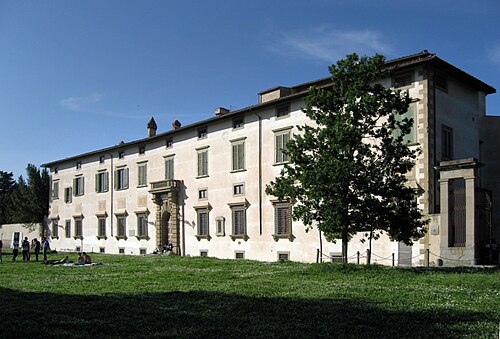
  15. Villa Castello Villa Castello
    16 45 min

    Villa Castello

    Villa medicea di Castello

    Villa Castello, or Villa medicea di Castello, is a Medici villa on the outskirts of Florence. The property combines Renaissance architecture with a formally designed garden and belongs to the network of rural residences created for the Medici family.

    • High
    • Historic monument
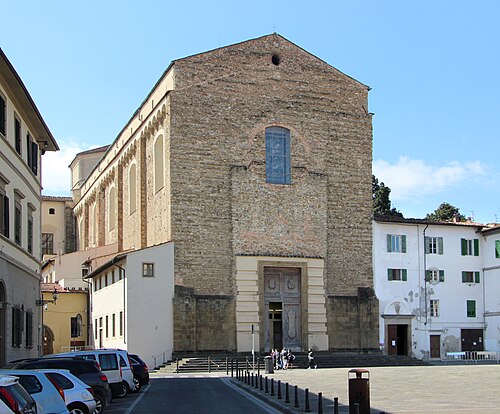
  16. Santa Maria del Carmine Santa Maria del Carmine
    17 45 min

    Santa Maria del Carmine

    Basilica di Santa Maria del Carmine

    Santa Maria del Carmine is a Carmelite church in Florence's Oltrarno district. The basilica dates to the thirteenth century and was rebuilt after a devastating fire in 1771 destroyed much of its interior.

    • High
    • Historic monument
  17. Porta San Giorgio, Florence Porta San Giorgio, Florence
    18 45 min

    Porta San Giorgio, Florence

    Porta San Giorgio

    Porta San Giorgio is a medieval city gate in Florence, located in the Oltrarno district near the Arno River. It forms part of the historic defensive walls that once encircled the city.

    • High
    • Historic monument
  18. Archbishop's Palace Archbishop's Palace
    19 45 min

    Archbishop's Palace

    Palazzo Arcivescovile

    The Archbishop's Palace, known locally as Palazzo Arcivescovile, stands as the historic residence of the Archbishop of Florence. This significant ecclesiastical building occupies a prominent position near the Duomo cathedral complex in the heart of the city.

    • Notable
    • Historic monument
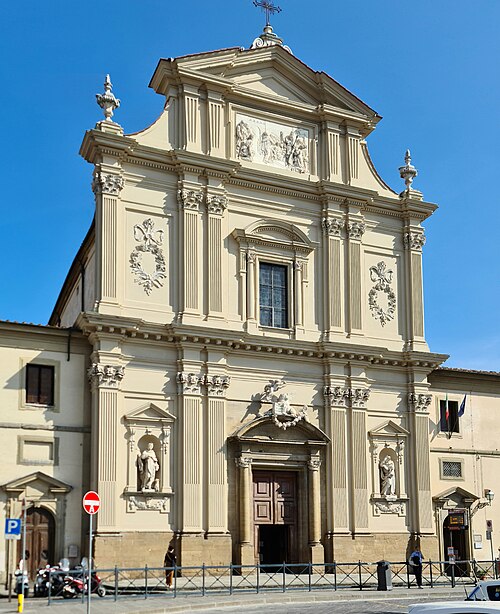
  19. Basilica of St. Mark Basilica of St. Mark
    20 45 min

    Basilica of St. Mark

    Basilica di San Marco

    The Basilica of St. Mark, or Basilica di San Marco, is a historic religious building in Florence. It is distinct from St. Mark’s Basilica in Venice, although both are dedicated to the same patron saint.

    • Notable
    • Historic monument
  20. Belvedere Belvedere
    21 45 min

    Belvedere

    Forte di Belvedere

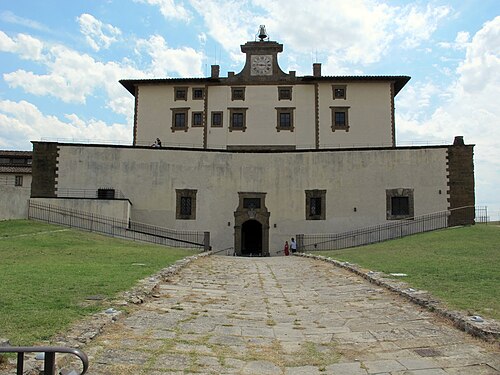
    Forte di Belvedere is a Renaissance fortress on the Boboli hill above Florence. Built under Grand Duke Ferdinando I de’ Medici and designed by Bernardo Buontalenti, it served military and residential purposes.

    • Notable
    • Historic monument
  21. Bisarno Castle Bisarno Castle
    22 45 min

    Bisarno Castle

    Castello di Bisarno

    Bisarno Castle, also known as Castello di Bisarno, is a historic castle in the Florence area of Tuscany. It represents the region’s layered relationship with fortified architecture, noble residences, and changing patterns of settlement.

    • Notable
    • Historic monument
  22. Church of San Niccolò Oltrarno Church of San Niccolò Oltrarno
    23 45 min

    Church of San Niccolò Oltrarno

    Chiesa di San Niccolò Oltrarno

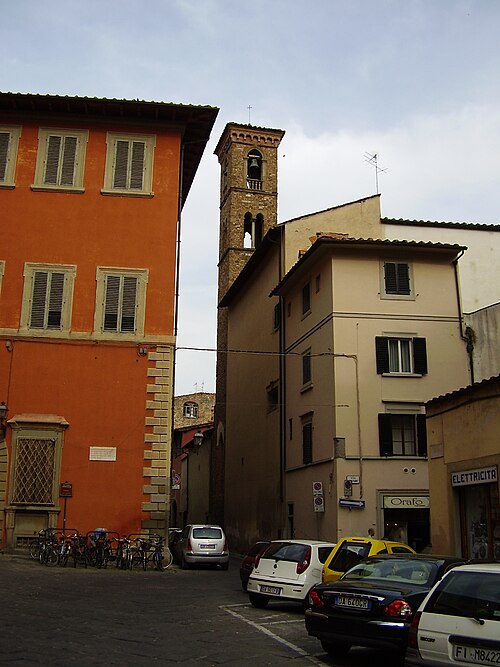
    The Church of San Niccolò Oltrarno is a parish church in Florence’s Oltrarno district, south of the Arno River. Its setting places it within a traditionally local part of the city known for artisan streets and neighbourhood life.

    • Notable
    • Historic monument
  23. church of Santa Maria a Quinto church of Santa Maria a Quinto
    24 45 min

    church of Santa Maria a Quinto

    Santa Maria a Quinto

    The Church of Santa Maria a Quinto is a religious building in Florence and part of the city’s extensive network of churches.

    • Notable
    • Historic monument
  24. Church of Santa Maria Primerana Church of Santa Maria Primerana
    25 45 min

    Church of Santa Maria Primerana

    Santa Maria Primerana

    Santa Maria Primerana is a historic church in Florence and one of the many sacred buildings that give the city its exceptional concentration of heritage.

    • Notable
    • Historic monument
  25. Montalbano Castle Montalbano Castle
    26 45 min

    Montalbano Castle

    Castello di Montalbano

    Montalbano Castle is a historic castle structure in the Florence area, identified in OpenStreetMap as way/305689918. It belongs to Tuscany’s wider landscape of medieval defensive architecture and carries the Montalbano name associated with the region.

    • Notable
    • Historic monument
  26. Obelisk of Piazza dell'Unità Italiana (Florence) Obelisk of Piazza dell'Unità Italiana (Florence)
    27 45 min

    Obelisk of Piazza dell'Unità Italiana (Florence)

    Monumento ai Caduti delle Guerre d'Indipendenza

    The Obelisk of Piazza dell'Unità Italiana stands beside Florence's Santa Maria Novella railway station.

    • Notable
    • Historic monument
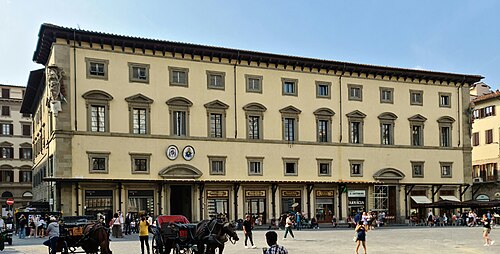
  27. Palazzo Altoviti-Sangalletti Palazzo Altoviti-Sangalletti
    28 45 min

    Palazzo Altoviti-Sangalletti

    Palazzo Altoviti Sangalletti

    Palazzo Altoviti-Sangalletti is a historic palace in central Florence near the Arno River. Its name links the building with the Altoviti and Sangalletti families and places it within the city’s dense tradition of aristocratic residences.

    • Notable
    • Historic monument
  28. Palazzo Busini Bardi Palazzo Busini Bardi
    29 45 min

    Palazzo Busini Bardi

    Palazzo Bardi

    Palazzo Busini Bardi, also known locally as Palazzo Bardi, is a historic palace in Florence, Tuscany. It belongs to the city’s dense Renaissance streetscape, where aristocratic residences stand close to churches, civic buildings, shops, and busy pedestrian routes.

    • Notable
    • Historic monument
  29. Palazzo Corsi-Tornabuoni Palazzo Corsi-Tornabuoni
    30 45 min

    Palazzo Corsi-Tornabuoni

    Palazzo Tornabuoni

    Palazzo Corsi-Tornabuoni, also known as Palazzo Tornabuoni, is a historic palazzo in the centre of Florence. It belongs to the sequence of Renaissance and aristocratic buildings that shape the city’s historic streets.

    • Notable
    • Historic monument
  30. Palazzo Corsini Palazzo Corsini
    31 45 min

    Palazzo Corsini

    Palazzo Corsini al Parione

    Palazzo Corsini al Parione is a historic palace in central Florence’s Parione district.

    • Notable
    • Historic monument

Source: OpenStreetMap contributors, Wikidata ·

How the city is laid out

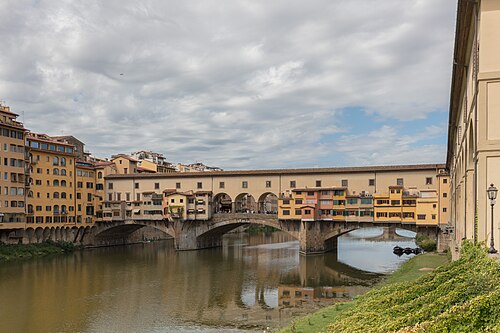
The cathedral is the clearest central landmark. Piazza della Signoria and the Uffizi lie south toward the Arno, Santa Croce lies east, and Santa Maria Novella lies west near the main station. Cross Ponte Vecchio for the Oltrarno, Palazzo Pitti and the Boboli Gardens. Piazzale Michelangelo sits above the river and should be treated as a separate uphill destination rather than part of a flat centre walk.

Checked 2026-08-26

Getting around

Walk for most journeys inside the historic centre. Visit Tuscany describes Florence as relatively small and largely pedestrianised, with buses and trams serving places beyond the walking core. The tram also connects selected outer districts and the airport corridor. Restricted traffic zones make driving impractical for many visitors, so use public transport for outlying stops and keep central days on foot.

Checked 2026-08-26

Common questions

How many days should I spend in Florence?

A fixed duration is not recorded. Plan by clusters: the cathedral and civic centre, Santa Croce, Santa Maria Novella, the Oltrarno and any hilltop or day-trip destination.

Is Florence easy to explore on foot?

Yes. The historic centre is compact and largely pedestrianised. Most major central sights can be linked on foot, while outer districts and uphill destinations may need transport.

Which sights are south of the Arno?

The Oltrarno contains Palazzo Pitti, the Boboli Gardens and Santo Spirito. Reach it across the central bridges and treat it as a separate neighbourhood cluster.

Does Florence have trams and buses?

Yes. Florence uses buses and a tram network for journeys outside the pedestrian core, including selected outer districts and the airport corridor.

Should I drive in central Florence?

Public transport and walking are usually more practical. The historic centre has restricted traffic areas, narrow streets and a layout designed for short pedestrian journeys.