.JPG)
7 min walk
Villa Corsini in Castello
- High · Heritage site
- Museum
Language · 11 published
Historic monument · Florence
Villa medicea di Castello
Reviewed by Elena Voss · Roavina Travel Editor
| Monday | 08:30 – 18:30 |
|---|---|
| Tuesday | 08:30 – 18:30 |
| Wednesday | 08:30 – 18:30 |
| Thursday | 08:30 – 18:30 |
| Friday | 08:30 – 18:30 |
| Saturday | 08:30 – 18:30 |
| Sunday | 08:30 – 18:30 |
Parsed from OpenStreetMap opening hours on 2026-09-09.
It was designed by Niccolò Tribolo. It carries the part of UNESCO World Heritage Site heritage designation.
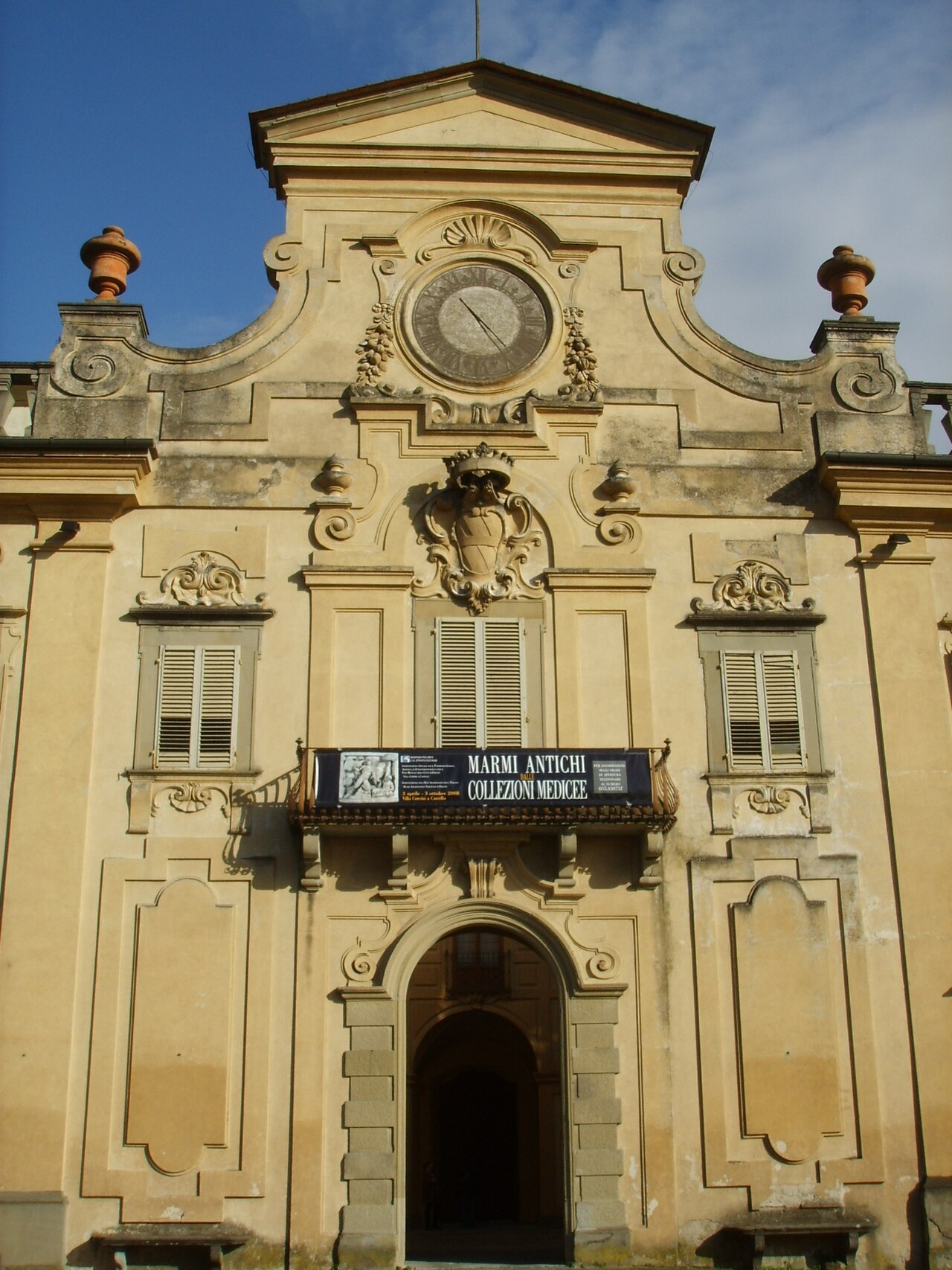
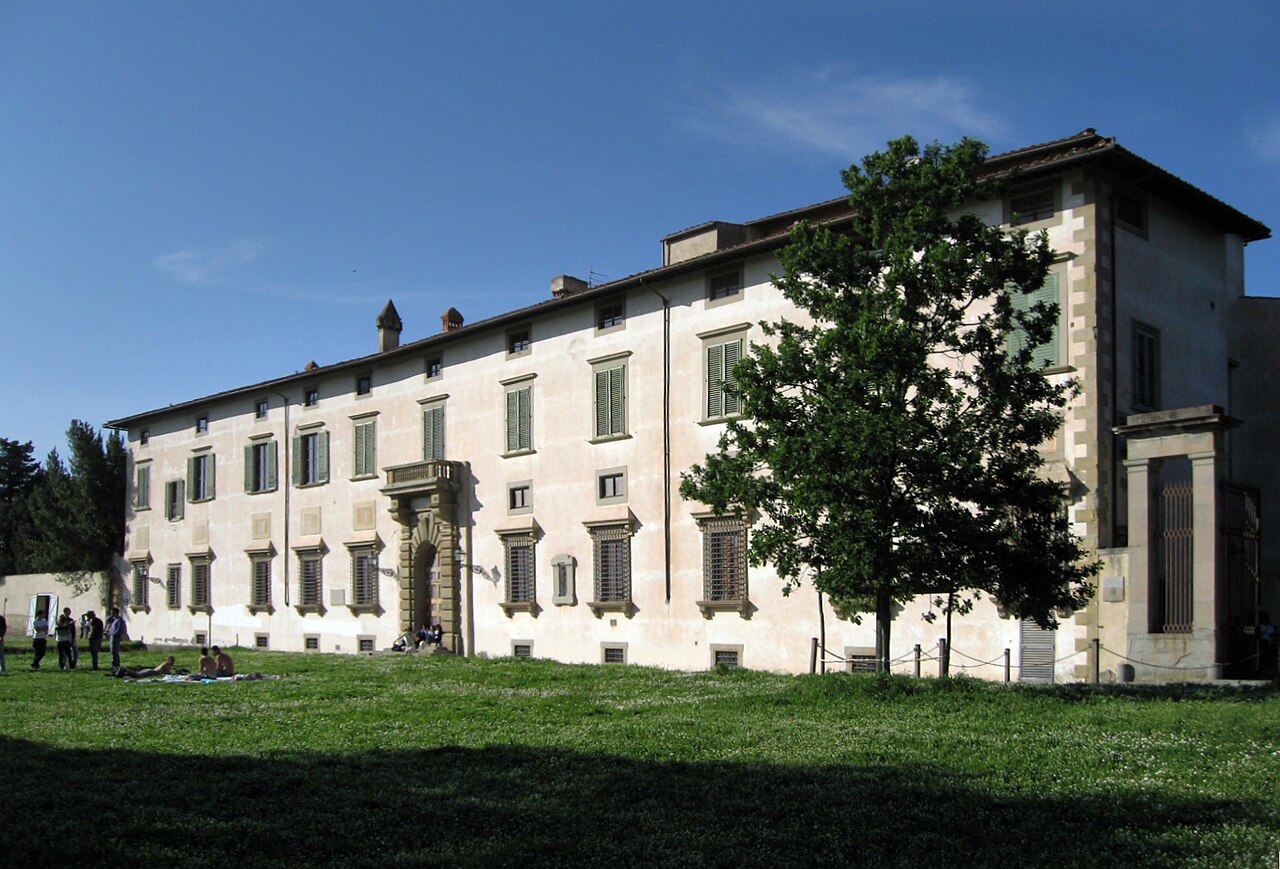
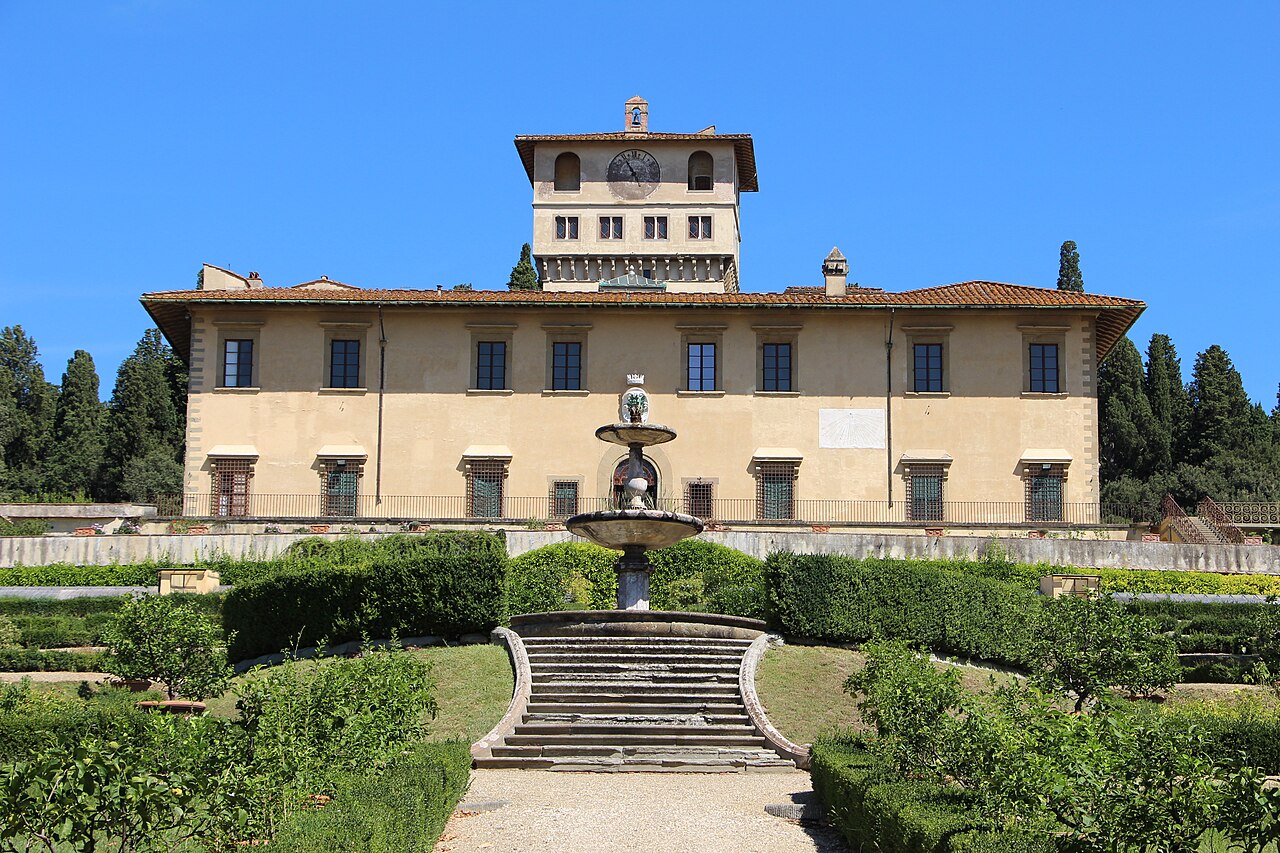
Villa Castello, or Villa medicea di Castello, is a Medici villa on the outskirts of Florence. The property combines Renaissance architecture with a formally designed garden and belongs to the network of rural residences created for the Medici family. It offers travelers a way to explore aristocratic life, artistic patronage, and landscape design beyond Florence’s dense historic center, where buildings, sculpture, water, and planting form one designed ensemble. Villa Castello, locally known as Villa medicea di Castello, stands as a significant Medici villa on the outskirts of Florence. The estate represents an important example of Renaissance villa architecture and garden design. The property holds historical importance as part of the Medici family's network of rural residences. Its gardens are particularly notable for their formal layout and sculptural elements. The villa itself reflects the architectural ambitions of its patrons. The surrounding grounds demonstrate the integration of built structures with landscaped environments typical of elite Florentine country houses. The site contributes to understanding aristocratic life and cultural patronage in Renaissance Tuscany. Yes, Villa medicea di Castello is the local Italian name for the property known in English contexts as Villa Castello.
Checked 2026-08-26 · Source
The estate is known for its gardens, terraces, fountains, sculpture, and carefully organized vegetation. Water features demonstrate the engineering ambitions of Renaissance garden design, while statues contribute to the symbolic and decorative program. The villa’s residential and representational character completes the setting. Walk through the grounds by reading the relationships between the building, geometric planting, water, and sculptural decoration rather than treating each feature as an isolated object. The villa complex contains interior spaces that served residential and representational functions for the Medici family. The gardens constitute a major feature, with terraces, fountains, and sculptural arrangements. Notable garden elements include the elaborate water features and carefully planned vegetation. Statuary within the grounds enhances the aesthetic and symbolic program. The layout follows principles of Renaissance garden design with geometric organization. Water engineering demonstrates technical capabilities of the period. The ensemble of architecture, sculpture, and horticulture creates a cohesive artistic environment. Visitors can observe how these components interact to form a unified cultural landscape representative of sixteenth-century aristocratic taste.
Checked 2026-08-26 · Source
Allow about one to two hours for a meaningful visit to Villa Castello, with additional time if you enjoy garden history, sculpture, or architectural photography. The experience depends on walking through landscaped areas and pausing at fountains, terraces, and viewpoints. A slower pace helps reveal the garden’s geometry and its connection with the villa. Treat the excursion as a distinct garden visit rather than a quick roadside stop. A thorough visit to Villa Castello typically requires approximately one to two hours for garden exploration and exterior appreciation.
Checked 2026-08-26 · Source
Spring and early summer bring strong conditions for appreciating planted areas, while every season gives the garden a different visual character. Dry weather is more comfortable because much of the experience takes place outdoors. Morning visits offer gentler light and can feel calmer than the busiest part of the day. Wear clothing suited to sun and changing weather, and build outdoor walking time into your Florence itinerary.
Checked 2026-08-26 · Source
Include room for a site-specific entry cost when planning the excursion. The main value of the visit lies in experiencing the relationship between Medici architecture, sculpture, fountains, and planting. Treat the gardens as the core attraction when deciding whether this outing suits your interests.
Checked 2026-08-26 · Source
Villa Castello lies on Florence’s periphery, so plan transport from the historic center. Public buses connect central Florence with the surrounding area, while a private vehicle or taxi offers a direct alternative. The site is too far from the main tourist concentration for a casual central-city walk. Allow time for the suburban journey and final wayfinding, especially when fitting the villa between other appointments.
Checked 2026-08-26 · Source
The gardens include uneven ground, slopes, steps, and changes of level, so comfortable footwear is important. Outdoor exposure makes sun protection and drinking water sensible companions in warm weather. Fountains and water features require care around their edges, while historic areas may have restricted circulation. The peripheral location feels different from central Florence, with less immediate tourist infrastructure around the property itself.
Checked 2026-08-26 · Source
Villa Castello is well suited to images of formal garden geometry, fountains, sculpture, terraces, and architectural details. Morning and late-afternoon light can emphasize perspective, symmetry, and reflections in the water. Keep paths open for other visitors and treat historic fabric carefully.
Checked 2026-08-26 · Source
Its Italian name is Villa medicea di Castello.
It is best known for its Medici connection and its formal Renaissance garden of terraces, fountains, sculpture, and planting.
Plan approximately one to two hours for walking through the gardens and appreciating the estate.
It forms part of the network of rural residences developed by the Medici family in and around Florence.
Focus on the terraces, geometric planting, fountains, water engineering, sculptures, and the connection between the garden and villa.
No. It is on Florence’s periphery and requires transport from the historic center.
Loading the interactive map…
The interactive map could not be loaded.
Last updated:
Source: OpenStreetMap contributors, Wikidata ·