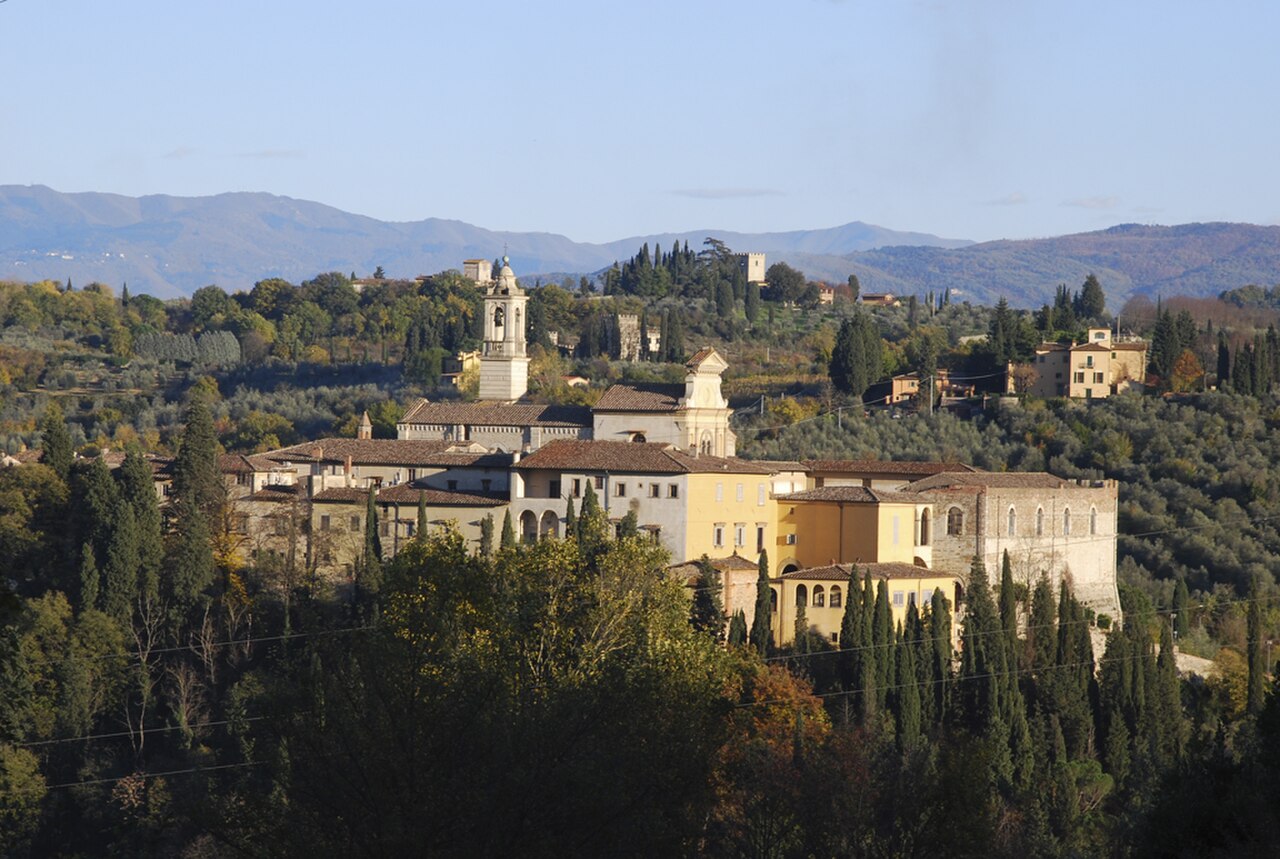
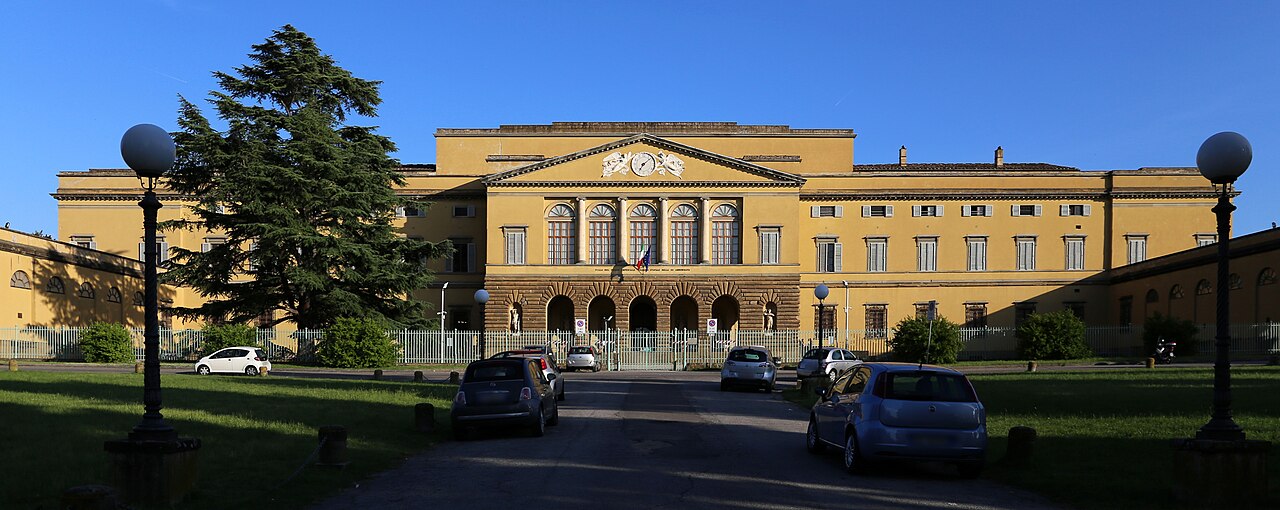
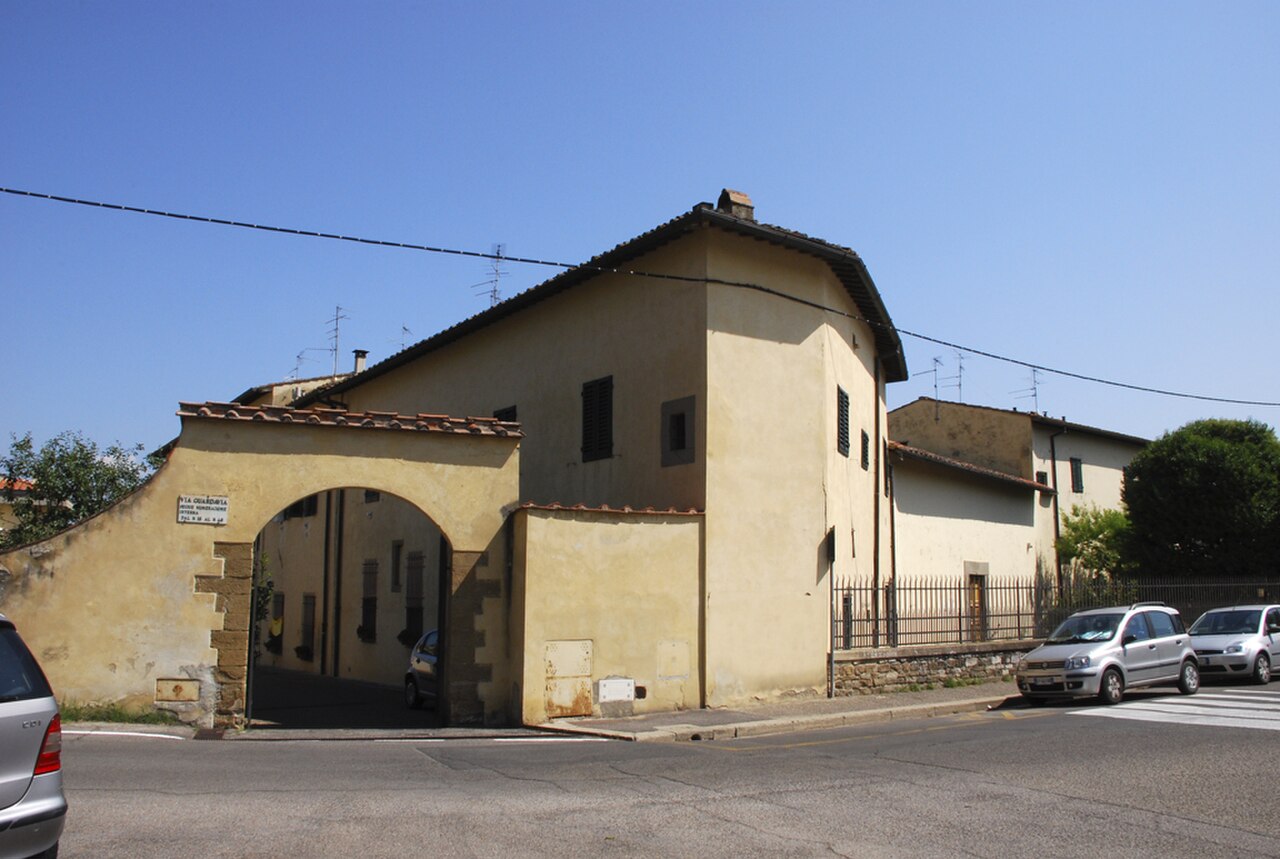
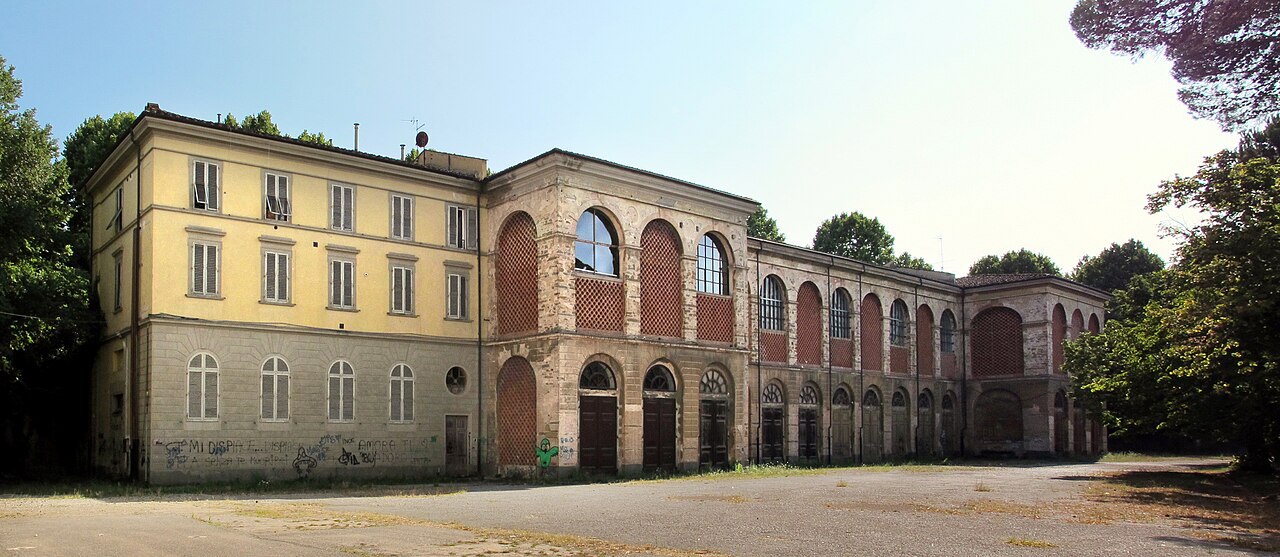
Florence Charterhouse, or Certosa del Galluzzo, is a Carthusian monastery on a hillside south of central Florence. Niccolò Acciaiuoli founded the complex in 1341. Its elevated position overlooks the Arno valley, while the buildings preserve a long religious and artistic history. The site combines monastic architecture, Renaissance art, cloisters, and a peaceful setting beyond Florence’s crowded centre. Florence Charterhouse, known locally as Certosa del Galluzzo, is a Carthusian monastery situated on a hillside south of central Florence. Founded in 1341 by Niccolò Acciaiuoli, a prominent Florentine statesman, the complex served as a contemplative religious community for centuries. The charterhouse occupies elevated ground overlooking the Arno valley, offering views toward the city. Its architecture spans multiple periods, reflecting renovations and additions made across several centuries of monastic life. The site remains significant for its historical role in Florentine religious and cultural development. The historical function as a Carthusian monastery has evolved. Visitors should treat the site with appropriate respect regardless of active monastic status.
The complex includes a church, cloisters, individual monk cells, and refectory spaces arranged around the Carthusian community’s self-contained way of life. Pontormo painted important frescoes during his residence at the charterhouse from 1525 to 1527. Marble details, gardens, the large cloister, a historic pharmacy, and a library add depth to the visit. Look for how art and architecture support contemplation. The charterhouse complex encompasses a church, cloisters, individual monks cells, and refectory spaces typical of Carthusian planning. Frescoes by Pontormo, executed during his residence there in 1525-1527, constitute notable artistic holdings within the church and chapter house. The large cloister connects to small individual cells arranged around gardens, preserving the eremitic character of Carthusian life. A pharmacy and library historically supported the community. Decorative elements include marble work and architectural details from Renaissance and later periods. The ensemble illustrates the self-contained nature of monastic existence.
Allow one to two hours to explore the accessible buildings, cloisters, and hillside setting. The complex is spread across several spaces, so the visit involves walking between levels and rooms. Add time if Renaissance art interests you, especially Pontormo’s frescoes. Travel from central Florence and the surrounding Galluzzo area turn the charterhouse into a rewarding half-day outing. Visitors should allocate approximately one to two hours for exploring the charterhouse grounds and accessible interior spaces. The site's hillside location and dispersed layout across multiple buildings and cloisters necessitate walking between areas. Those with particular interest in Renaissance art, especially Pontormo's frescoes, may wish to extend their stay for careful examination. The contemplative atmosphere and panoramic setting encourage unhurried pacing. Combining the charterhouse with the journey from central Florence typically constitutes a half-day excursion rather than a brief stop.
Morning is comfortable for the hillside approach and can provide softer light around the cloisters and architecture. Summer afternoons may feel hot in exposed exterior spaces, while the elevated setting can bring stronger wind than central Florence. Choose a daytime visit so the complex, gardens, valley outlook, and surrounding Galluzzo landscape can be experienced without rushing.
Plan this visit around the monastic complex, its art, and its architecture. Entry arrangements may shape how independently you move through the site, so leave room in the day for the organised rhythm of a religious heritage visit. The principal highlights are the church, cloisters, monk cells, marble details, gardens, and Pontormo’s frescoes rather than commercial visitor facilities.
The charterhouse lies in Galluzzo, about five kilometres south of Florence’s historic centre. Bus services connect the centre with the Galluzzo area, and taxis provide a direct alternative. The hillside approach includes slopes, whether you arrive by road or continue on foot. Cycling is possible but demanding because of the elevation change. Plan extra time for the final approach.
Dress respectfully for this religious site, with shoulders and knees covered. Move quietly in devotional and contemplative areas, and follow any instructions governing access through the complex. Expect steps and uneven surfaces between buildings and cloisters. The stone interiors can feel cool, while the hillside paths may be sunny or windy. Give ongoing religious use priority throughout the visit.
The charterhouse offers strong subjects in its church, cloisters, gardens, marble details, and hillside views toward the Arno valley. Pontormo’s frescoes deserve close visual attention if they are within the areas open to visitors. Use the camera quietly and follow signs around devotional art. Exterior spaces provide architectural and landscape opportunities even when interior image-making is restricted.
It is a Carthusian monastery known locally as Certosa del Galluzzo, founded in 1341 on a hillside south of Florence.
Which artist is associated with the charterhouse?
Pontormo is associated with the site and painted frescoes there during his residence from 1525 to 1527.
What can I see inside the complex?
The complex includes a church, cloisters, monk cells, refectory spaces, gardens, marble details, a historic pharmacy, a library, and Pontormo’s frescoes.
How long should I spend at Florence Charterhouse?
Allow one to two hours on site, or half a day when including travel from Florence and the surrounding Galluzzo area.
Where is the charterhouse?
It is in Galluzzo, approximately five kilometres south of Florence’s historic centre, on elevated ground above the Arno valley.
What should I wear there?
Wear respectful clothing covering shoulders and knees, and choose practical footwear for the hillside paths, steps, and uneven historic surfaces.
Nothing non-essential is set before you choose, in regions where consent is required. If you decline, ads still appear and analytics is switched off entirely.