
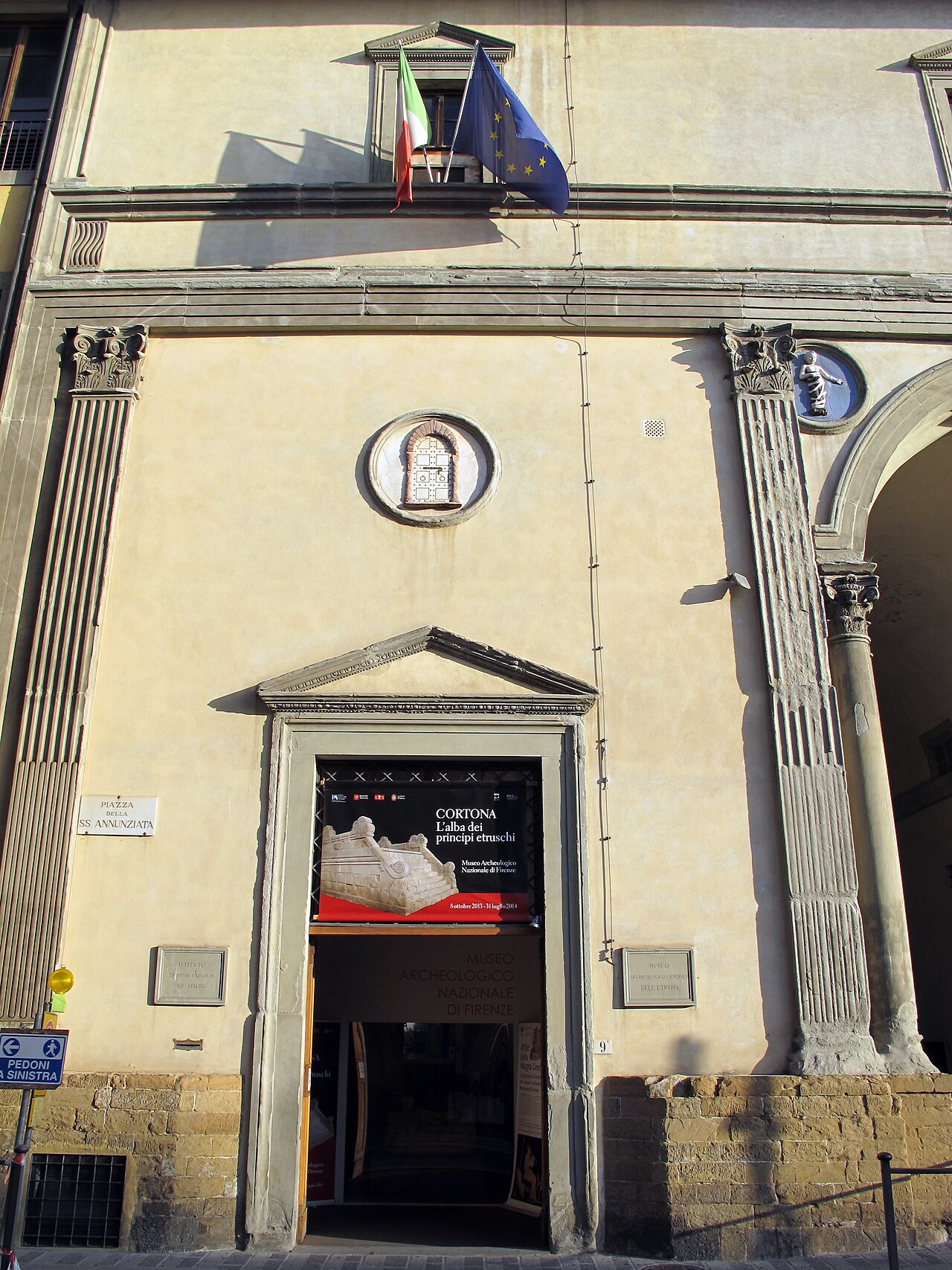
1 min walk
National Archaeological Museum
- Must see · Heritage site
- Museum
Language · 11 published
Historic monument · Florence
Basilica della Santissima Annunziata
Reviewed by Elena Voss · Roavina Travel Editor

It was established in 1250. It was built in the Renaissance architecture style. It was designed by Michelozzo. It carries the part of UNESCO World Heritage Site heritage designation.
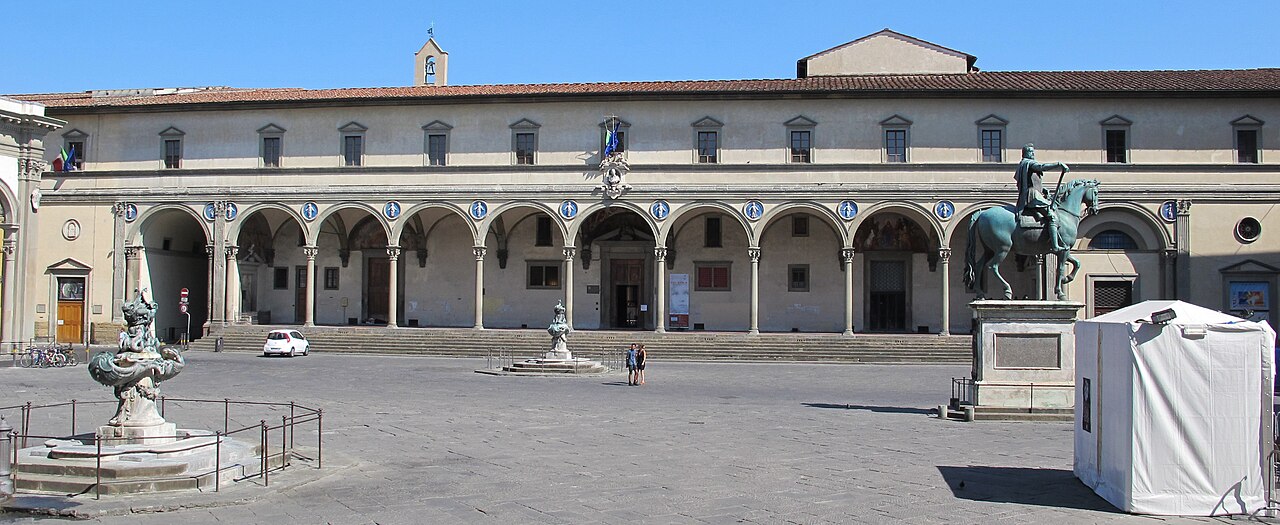
The Basilica della Santissima Annunziata is a major Renaissance church in Florence and the centre of the piazza that bears its name. Founded in 1250 by the Servite order and rebuilt during the fifteenth and seventeenth centuries, the basilica combines an active religious role with important art and architecture. Visitors come for the church's Marian devotion, its Renaissance interiors and the chance to see a quieter historic complex beyond Florence's busiest cathedral routes. The Basilica della Santissima Annunziata is a major Renaissance church in Florence, Italy. Founded in 1250 by the Servite order and rebuilt in the fifteenth and seventeenth centuries, it stands as one of the city's most architecturally significant religious complexes. The church gives its name to the surrounding piazza, a notable public square. The structure exemplifies Florentine Renaissance design principles and has served as an important center of Marian devotion for centuries, attracting both worshippers and visitors interested in its artistic and historical importance.
Checked 2026-08-26 · Source
The basilica contains frescoes, altarpieces and chapels shaped by the artistic patronage of Florence. The Chiostrino dei Voti, a small adjacent cloister, is particularly important for its frescoes by artists including Andrea del Sarto. The church also houses the Annunciation image at the centre of long-standing popular devotion. Renaissance columns, vaulting and layered decoration show how the complex changed across centuries. Look slowly from the main interior towards the chapels, because the artistic interest is spread through the space rather than concentrated in one object.
Checked 2026-08-26 · Source
Allow forty-five to ninety minutes for the basilica, its principal chapels and the accessible parts of the Chiostrino dei Voti. Visitors focused on Renaissance painting and religious iconography may need longer, particularly when studying the fresco cycle. Add time for Piazza Santissima Annunziata, whose architecture makes the approach part of the visit. A service can change the route or quietness of the interior, so keep the schedule flexible and treat worshippers' use of the church as the priority.
Checked 2026-08-26 · Source
Morning is often a rewarding time for seeing the architecture and art in a calmer atmosphere. The basilica is an active place of worship, so religious services and feast days can alter visitor access and increase local attendance. The covered interior also makes the complex useful during Florence's heat or rain. Weekends can bring a stronger devotional presence, while quieter weekday periods suit visitors who want to examine the chapels and cloister without rushing through the spaces.
Checked 2026-08-26 · Source
The basilica's primary purpose is worship, and churches in Florence commonly distinguish ordinary church entry from access to associated cloisters, museums or special areas. Treat the main church and the Chiostrino dei Voti as related parts of one historic complex, while recognising that access arrangements can differ between them. Carry a small amount of cash for a possible donation or charge connected with a special area. The value of the visit lies in the art, devotional image and layered architecture rather than a long list of rooms.
Checked 2026-08-26 · Source
The basilica stands on Piazza Santissima Annunziata, northeast of the Duomo in Florence's compact historic centre. The approach is straightforward on foot from the cathedral area and other central attractions. Local buses serve streets around the piazza for visitors travelling from farther across Florence. Expect cobblestones and uneven historic paving on the walk. The piazza's distinctive architecture helps identify the destination, and the open square gives the basilica a clear urban setting before you enter the church.
Checked 2026-08-26 · Source
Dress and conduct should suit an active church: cover shoulders and knees, keep voices low and give priority to worshippers. Services can interrupt sightseeing access, especially around the principal devotional image. Historic flooring may be uneven, and seating is limited, so visitors who need frequent rests should pace the visit. Keep belongings secure in the tourist-heavy centre. The piazza can be lively with vendors and passers-by, while the basilica itself calls for a quieter and more respectful rhythm.
Checked 2026-08-26 · Source
The facade and Piazza Santissima Annunziata provide open views for exterior photography. Inside, keep the flash off and follow any signs or staff directions, since the basilica contains frescoes, paintings and devotional spaces. The Chiostrino dei Voti may have rules that differ from the main church. Do not photograph worshippers closely, interrupt a service for a picture or use bulky equipment in narrow areas. The best interior photographs respect the atmosphere of the church and leave visitors space to pray or look quietly.
Checked 2026-08-26 · Source
The basilica is known for Renaissance architecture, important frescoes and altarpieces, the Chiostrino dei Voti and the Annunciation image at the centre of Marian devotion.
The Chiostrino dei Voti is a small cloister beside the basilica containing important Renaissance frescoes, including works by Andrea del Sarto.
Allow about forty-five to ninety minutes for the church, principal chapels and accessible areas of the adjacent cloister, with extra time for the piazza.
Yes. The Basilica della Santissima Annunziata remains an active religious site, and services can affect visitor movement and access to parts of the interior.
The basilica is on Piazza Santissima Annunziata, northeast of the Duomo in Florence's central historic area.
Wear respectful clothing with shoulders and knees covered, and keep your voice low because the building remains a place of worship.
Loading the interactive map…
The interactive map could not be loaded.
Last updated:
Source: OpenStreetMap contributors, Wikidata ·