

2 min walk
Porta San Giorgio, Florence
- High
- Historic monument
Language · 11 published
Historic monument · Florence
Forte di Belvedere
Reviewed by Elena Voss · Roavina Travel Editor
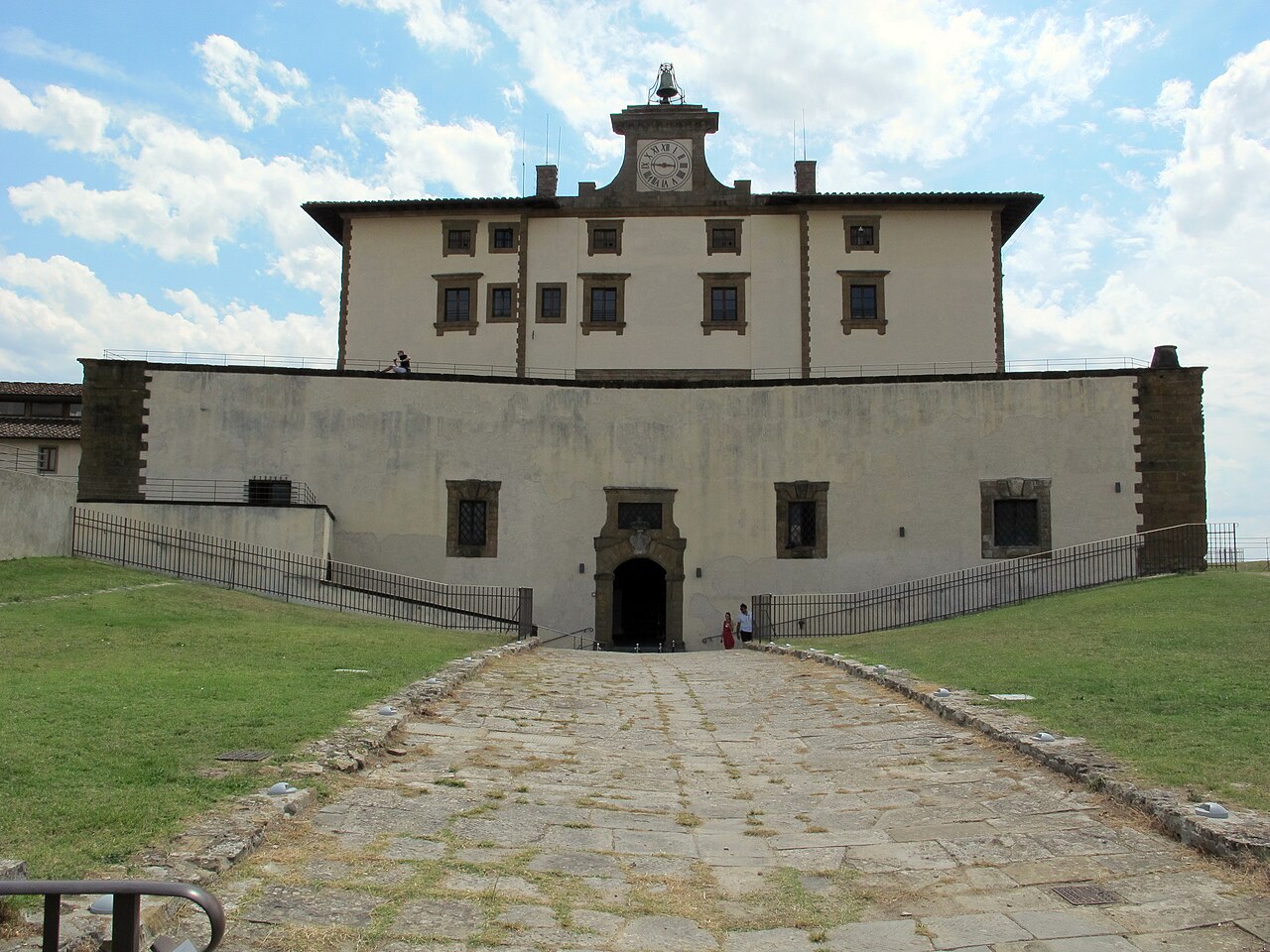
This place is a Attraction. It opened in 1595. It was designed by Bernardo Buontalenti. It carries the Italian national heritage heritage designation.
Forte di Belvedere is a Renaissance fortress on the Boboli hill above Florence. Built under Grand Duke Ferdinando I de’ Medici and designed by Bernardo Buontalenti, it served military and residential purposes. Its hilltop position protected the city and gave the Medici family a secure retreat during political unrest, while today the fortification is valued for architecture and views. Forte di Belvedere is a historic fortress in Florence, Italy, constructed in the late sixteenth century under Grand Duke Ferdinando I de' Medici. The fortification was designed by architect Bernardo Buontalenti and completed around 1595. It stands on the highest point of the Boboli hill, overlooking the Arno River and the city center. The structure served both military defensive purposes and as a safe residence for the Medici family during political unrest. Its elevated position provided strategic surveillance over Florence and the surrounding territory. The fortress is located on the same hill system but operates as a distinct site with separate access from the main Boboli Gardens complex.
Checked 2026-08-26 · Source
The fortress is shaped by bastions, ramparts, walls, a central courtyard, vaulted chambers and passages. Open terraces look across Florence, including the Duomo, Palazzo Vecchio and the Arno. The site has also hosted art installations and cultural events. Its strongest experience comes from combining military architecture with open-air space and a broad view over the historic city. The fortress contains substantial bastions and ramparts characteristic of Renaissance military architecture. The central courtyard and surrounding walls demonstrate period construction techniques. The site encompasses open spaces suitable for exhibitions and cultural events. Interior areas include vaulted chambers and passages within the fortification walls. The building has historically accommodated art installations and temporary displays. Views from the upper terraces extend across Florence's historic center, including the Duomo and Palazzo Vecchio. The architectural ensemble represents a significant example of Medici patronage in military and residential design.
Checked 2026-08-26 · Source
Set aside about sixty to ninety minutes for the main fortress route. Add time for panoramic viewing, architectural photography or temporary installations. The visit includes walking around historic walls, bastions and open spaces, so the physical pace can be slower than the compact footprint suggests. Visitors who enjoy city views may want to pause at several points rather than move straight through. A complete visit to Forte di Belvedere typically requires between sixty and ninety minutes for thorough exploration of the accessible areas. Visitors interested in architectural photography or extended viewing of the panoramas may wish to allocate additional time. The duration depends on whether temporary exhibitions or special installations are present during the visit. The perimeter walls and bastions involve walking on uneven historic surfaces with some inclines.
Checked 2026-08-26 · Source
Spring and autumn are comfortable seasons for exploring the exposed ramparts and hilltop paths. Morning light can give clear views over Florence, while summer afternoons may feel hot in the open courtyard and on the walls. Wind and changing weather matter at this elevated site. Seasonal daylight also changes the appearance of the skyline, river and surrounding hills.
Checked 2026-08-26 · Source
Forte di Belvedere is best planned as a distinct hilltop cultural stop rather than as an automatic extension of the Boboli Gardens. Its architectural setting, terraces and Florence panorama provide the main reasons to visit, while exhibitions or cultural events may add another focus. Leave flexibility in the itinerary so the fortress can be enjoyed at an unhurried pace.
Checked 2026-08-26 · Source
The fortress stands south of the Arno on a hill reached from the Boboli Gardens area, Via San Leonardo or Costa San Giorgio. Walking from central Florence is possible, but the approach includes uphill sections and some steep paved stretches. Buses require a further walk from nearby stops, while a taxi may approach closer to the entrance than ordinary traffic.
Checked 2026-08-26 · Source
Expect cobblestones, ramps, steps, inclines and exposed edges around the historic fortification. Wear secure footwear and take care near wall heights, especially with children. Shade and shelter are limited in open areas, so summer heat and wind can affect comfort. The hilltop approach requires moderate physical effort, and the terrain is unsuitable for a relaxed stroll without planning.
Checked 2026-08-26 · Source
Forte di Belvedere offers wide views toward the Duomo, Palazzo Vecchio, Ponte Vecchio, the Arno and Florence’s surrounding hills. Morning light can suit the southern outlook, while the bastions and walls provide strong close-up textures. Use care on uneven surfaces while framing shots, and keep equipment manageable on the uphill approach. The courtyard and vaulted passages add darker architectural subjects.
Checked 2026-08-26 · Source
It stands on the same hill system but is a distinct fortress with its own access, separate from the main Boboli Gardens complex.
The terraces and ramparts look across Florence toward the Duomo, Palazzo Vecchio, Ponte Vecchio, the Arno and surrounding hills.
Allow about sixty to ninety minutes for the main route, adding time for views, photographs or temporary cultural installations.
It can be reached on foot from central Florence, but the route climbs toward the Boboli hill and includes steep sections.
The fortress shows Renaissance military design through its bastions, ramparts, walls, central courtyard, vaulted chambers and defensive passages.
Wear secure, comfortable footwear for cobblestones, ramps, steps and inclines, and prepare for sun or wind on the exposed hilltop.
Loading the interactive map…
The interactive map could not be loaded.
Last updated:
Source: OpenStreetMap contributors, Wikidata ·