
1 min walk
Giardino Bardini
- High · Heritage site
- Nature site
Language · 11 published
Museum · Florence
Museo Annigoni
Reviewed by Elena Voss · Roavina Travel Editor
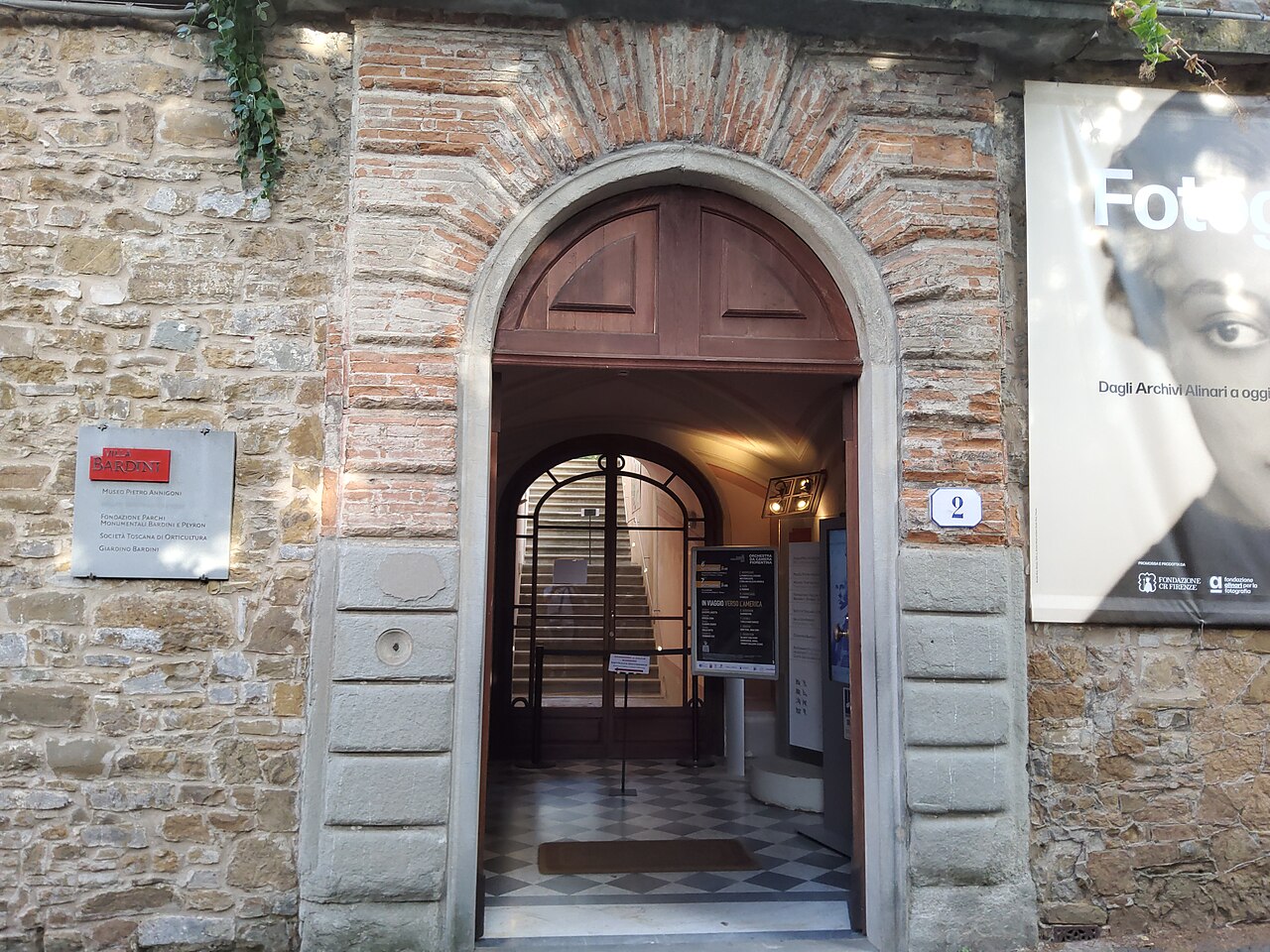
This place is a Museum. It was established in 2008. It carries the Italian national heritage heritage designation.
The Annigoni Museum, or Museo Annigoni, is devoted to Pietro Annigoni, the Florence-based Italian painter known especially for highly detailed portraits. The museum presents his commitment to figurative art during a period when modernist approaches were gaining influence. It offers a focused way to encounter a twentieth-century artist through paintings, drawings, working materials, and personal context. Travelers interested in portraiture, traditional technique, or Florence’s more recent artistic history will find a distinct alternative to the city’s Renaissance collections. The Annigoni Museum, known locally as Museo Annigoni, is a museum dedicated to the work of Pietro Annigoni, the renowned Italian portrait painter of the twentieth century. Located in Florence, the city where Annigoni lived and worked for significant portions of his career, the museum preserves and displays his artistic legacy. Annigoni achieved international recognition for his portraits of prominent figures, including members of the British royal family. The institution serves as a cultural repository for understanding mid-twentieth-century Italian figurative art, offering visitors insight into traditional techniques that persisted alongside modernist movements. The museum's specialized focus on a single portrait artist may engage older children with established art interest, though younger visitors might find limited interactive elements. Family suitability depends upon individual temperament and preparation.
Checked 2026-08-26 · Source
The collection includes portraits, landscapes, genre scenes, drawings, preparatory studies, and examples of Annigoni’s oil and tempera practice. Look for the careful modeling of faces and the Renaissance-inspired realism that defines much of his reputation. Studio objects, personal effects, documents, and material connected with his working methods add depth to the paintings. The displays also reflect the range of his career, from early experiments to mature commissions for aristocratic, political, and cultural patrons in Italy and abroad.
Checked 2026-08-26 · Source
Plan on roughly one to one and a half hours for a considered visit. The museum’s specialist focus makes it easy to move through at a steady pace, while art students and portrait enthusiasts may want longer to study brushwork, poses, and preparatory drawings. It works well as part of a half-day devoted to Florence’s smaller museums. Allow time to revisit the works that show Annigoni’s strongest control of expression, surface, and traditional technique.
Checked 2026-08-26 · Source
Choose the Annigoni Museum when you want a concentrated indoor art experience away from Florence’s largest galleries. A morning visit can leave the rest of the day open for walking through the historic center, while an afternoon stop provides a quieter counterpoint to crowded headline attractions. The museum’s subject is best enjoyed without rushing: pause before the portraits and compare the finished paintings with the drawings and studies nearby. Its twentieth-century focus adds variety to a Renaissance-heavy itinerary.
Checked 2026-08-26 · Source
Treat this as a specialist single-artist museum rather than a major multi-building attraction. The visit is centered on Annigoni’s works and related studio or personal material, so travelers can plan around the collection itself without setting aside an entire day. If you are building a museum route, place it beside other central cultural stops and leave a little flexibility. That makes it easier to appreciate the paintings at a deliberate pace instead of hurrying through them to meet a later appointment.
Checked 2026-08-26 · Source
The museum is located within Florence’s compact urban center, where walking is usually the simplest way to connect one cultural stop with the next. Santa Maria Novella railway station is the city’s principal rail arrival point, and central routes continue through the historic streets on foot. Public buses cover the broader city, while private cars face the practical complications of restricted traffic and limited parking in the center. Use the museum as one stop in a walk rather than an isolated excursion.
Checked 2026-08-26 · Source
A specialist museum rewards visitors who arrive with a clear interest in portraiture or traditional painting, but the focused subject may feel less varied than the Uffizi or Palazzo Vecchio. Move carefully around paintings, drawings, studio objects, and furnishings. Keep bags, food, and drinks under control in gallery spaces, and follow any restrictions concerning flash or equipment. If you are visiting with children, frame the experience around faces, stories, and technique to make the collection more engaging.
Checked 2026-08-26 · Source
The museum’s paintings and drawings invite close looking, particularly where Annigoni’s controlled technique is visible in faces, hands, and surface texture. Keep photography discreet and follow signs or staff directions about cameras, flash, and filming. Avoid blocking narrow viewing areas while composing images. Even when personal photography is permitted, reflections, glass, and controlled gallery lighting can affect results. A patient visual study of the works will usually reveal more than a rapid sequence of souvenir photographs.
Checked 2026-08-26 · Source
Pietro Annigoni was an Italian twentieth-century painter associated with detailed figurative art and internationally recognized portrait commissions.
The collection includes portraits, landscapes, genre scenes, drawings, preparatory studies, documents, and material related to Annigoni’s studio practice.
Allow around sixty to ninety minutes, with more time useful for close study of the portraits, drawings, and working methods.
It provides a focused view of Florence’s twentieth-century artistic life and shows how Annigoni continued a detailed, traditional approach to figurative painting.
Yes. The paintings, preparatory studies, materials, and portraits offer useful subjects for studying composition, technique, and the construction of likeness.
Its compact single-artist focus works well as a quieter cultural stop within a half-day route through Florence’s historic center and smaller museums.
Loading the interactive map…
The interactive map could not be loaded.

Last updated:
Source: OpenStreetMap contributors, Wikidata ·