
28 min walk
Museo del Calcio
- High · Heritage site
- Museum
Language · 11 published
Historic monument · Florence
Castello di Bisarno
Reviewed by Elena Voss · Roavina Travel Editor
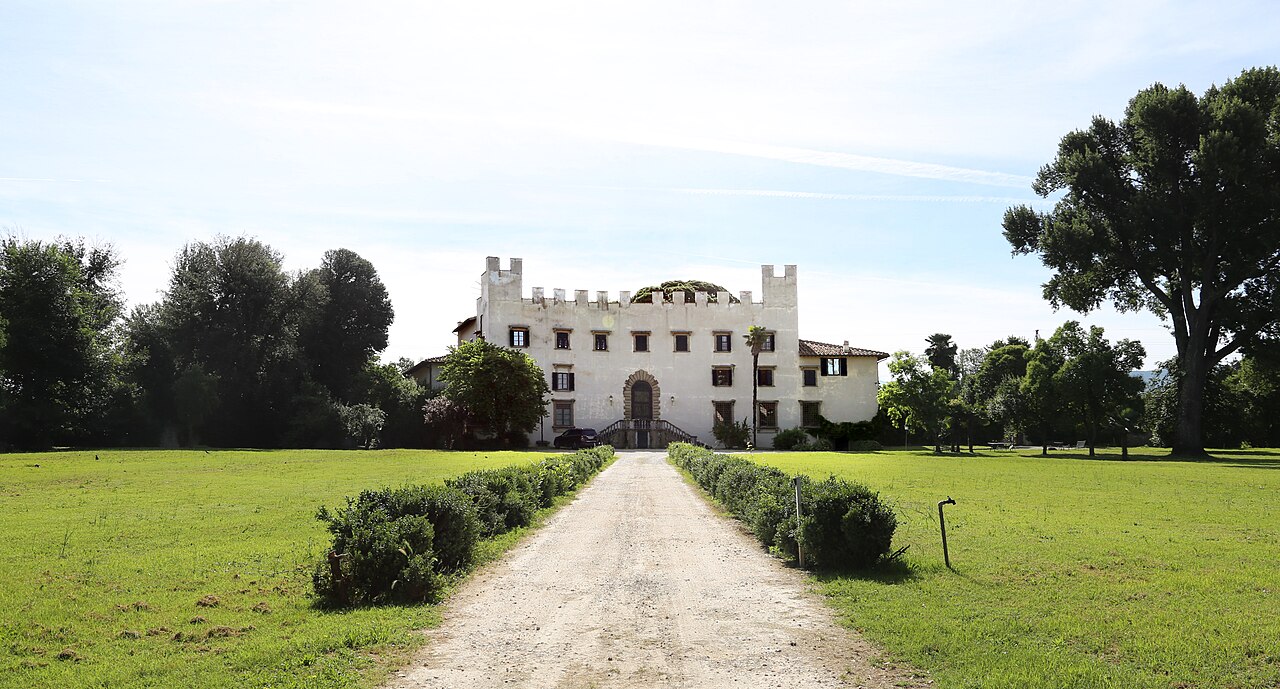
Bisarno Castle, also known as Castello di Bisarno, is a historic castle in the Florence area of Tuscany. It represents the region’s layered relationship with fortified architecture, noble residences, and changing patterns of settlement. The castle is a rewarding choice for travelers who want to move beyond Florence’s central masterpieces and encounter heritage in a broader landscape. Its appeal comes from the sense of an authentic historic structure rather than from a highly produced visitor attraction. Read the site as part of the Tuscan setting: stone, defensive form, and the long history of Florence’s surrounding territory all matter here.
Checked 2026-08-26 · Source
Bisarno Castle’s central experience is its historic architectural fabric. Travelers should look for the character of a Tuscan castle: substantial masonry, defensive proportions, surviving structural details, and the atmosphere created by a building shaped over many periods. The guide does not establish a named interior collection or a museum-style display, so the castle is best approached through its architecture and setting. Notice how the building relates to the surrounding landscape and imagine the practical role of fortified places in regional life. This is a destination for observing place and structure, not for moving through a guaranteed sequence of curated galleries.
Checked 2026-08-26 · Source
Allow roughly an hour to an hour and a half for Bisarno Castle when the accessible exterior and interior areas can be enjoyed at a comfortable pace. That gives you time to examine the building, absorb its relationship with the Tuscan landscape, and pause for photographs without turning the visit into a rushed inspection. Travelers with a strong interest in fortifications, masonry, or regional history may need longer. The castle works well as one part of a countryside outing rather than as the only activity of an entire day. Leave space around it for the slower rhythm of travel beyond central Florence.
Checked 2026-08-26 · Source
Spring and autumn are attractive seasons for a castle visit because moderate temperatures make it easier to appreciate both the building and its surrounding Tuscan landscape. Morning or late afternoon can bring more comfortable conditions and expressive light for stonework and countryside views. Summer may feel hot in exposed areas, while winter can make an outdoor heritage stop less comfortable. Plan Bisarno Castle as part of a day with room for changing pace, scenic pauses, and other regional sights. The destination suits travelers who prefer atmosphere and architecture to crowded landmark schedules.
Checked 2026-08-26 · Source
Choose Bisarno Castle for its heritage value and setting, while keeping the practical admission arrangement separate from the cultural decision to visit. The castle belongs in a Tuscany-focused plan for travelers drawn to historic architecture, fortified places, and the countryside around Florence. It is not necessary to build the day around a large ticketed museum experience; the pleasure comes from the structure, its atmosphere, and its place in the region. If you are combining several destinations, treat the castle as one architectural stop among villages, landscapes, and other historic places.
Checked 2026-08-26 · Source
Bisarno Castle lies in the Florence area and fits most naturally into a route that includes the wider Tuscan surroundings. A private vehicle gives a countryside itinerary flexibility, while public transport and walking can require more careful route planning because the castle is outside the city’s main monument sequence. Use a detailed map and group the visit with other nearby destinations to avoid unnecessary crossings. Build in time for the approach itself: rural roads, changing views, and pauses are part of the experience. Sturdy shoes are useful for historic ground and outdoor surfaces.
Checked 2026-08-26 · Source
Historic castle conditions can make the visit physically demanding. Uneven ground, steps, exposed areas, and older surfaces may affect comfort, especially for travelers with mobility limitations or young children. The rural setting may offer fewer nearby services than central Florence, so carry water and plan food and rest stops elsewhere in the day. Weather matters more when part of the experience is outdoors. Keep the pace calm, wear firm footwear, and respect any areas that are closed or used for residential purposes. The destination rewards preparation and patience more than a tightly timed sightseeing schedule.
Checked 2026-08-26 · Source
Bisarno Castle is well suited to photographs that connect architecture with landscape. Look for stone textures, defensive massing, openings, walls, and views that place the castle within the Tuscan countryside. Morning and late-afternoon light can reveal depth in masonry and create stronger contrast across historic surfaces. Walk slowly around the building where access allows, and vary between close architectural details and wider contextual frames. Keep photography compatible with the dignity of the place and with any residential or managed areas. The best images will communicate the castle’s setting rather than isolate it from its regional character.
Checked 2026-08-26 · Source
Bisarno Castle, or Castello di Bisarno, is a historic castle in the Florence area and part of Tuscany’s wider architectural heritage.
Visit it to experience historic castle architecture and a broader Tuscan setting beyond Florence’s central monuments.
Allow about sixty to ninety minutes for a measured visit focused on the castle’s structure, atmosphere, and surrounding landscape.
Wear sturdy footwear and comfortable clothing suitable for uneven historic surfaces and outdoor conditions.
Photograph the masonry, architectural details, defensive forms, and views that show the castle within the Tuscan landscape.
It works best as one stop in a wider Tuscan outing, combined with other countryside, village, or heritage destinations.
Loading the interactive map…
The interactive map could not be loaded.
Last updated:
Source: OpenStreetMap contributors, Wikidata ·