


17 min walk
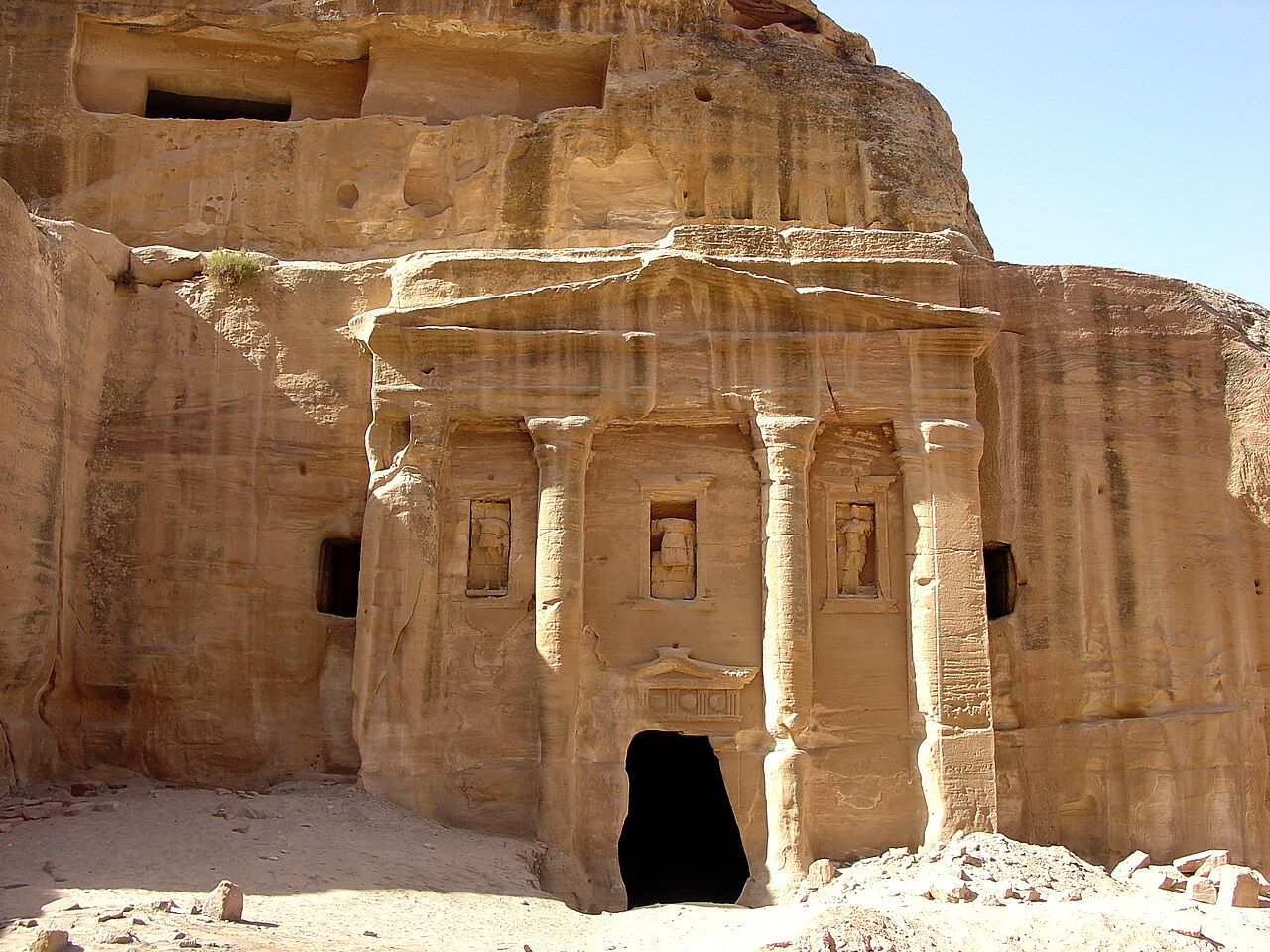
Tomb of the Roman Soldier
- Must see
- Historic monument
Language · 11 published
Historic monument · Wadi Musa
Editorial responsibility: Elena Voss · Roavina Travel Editor
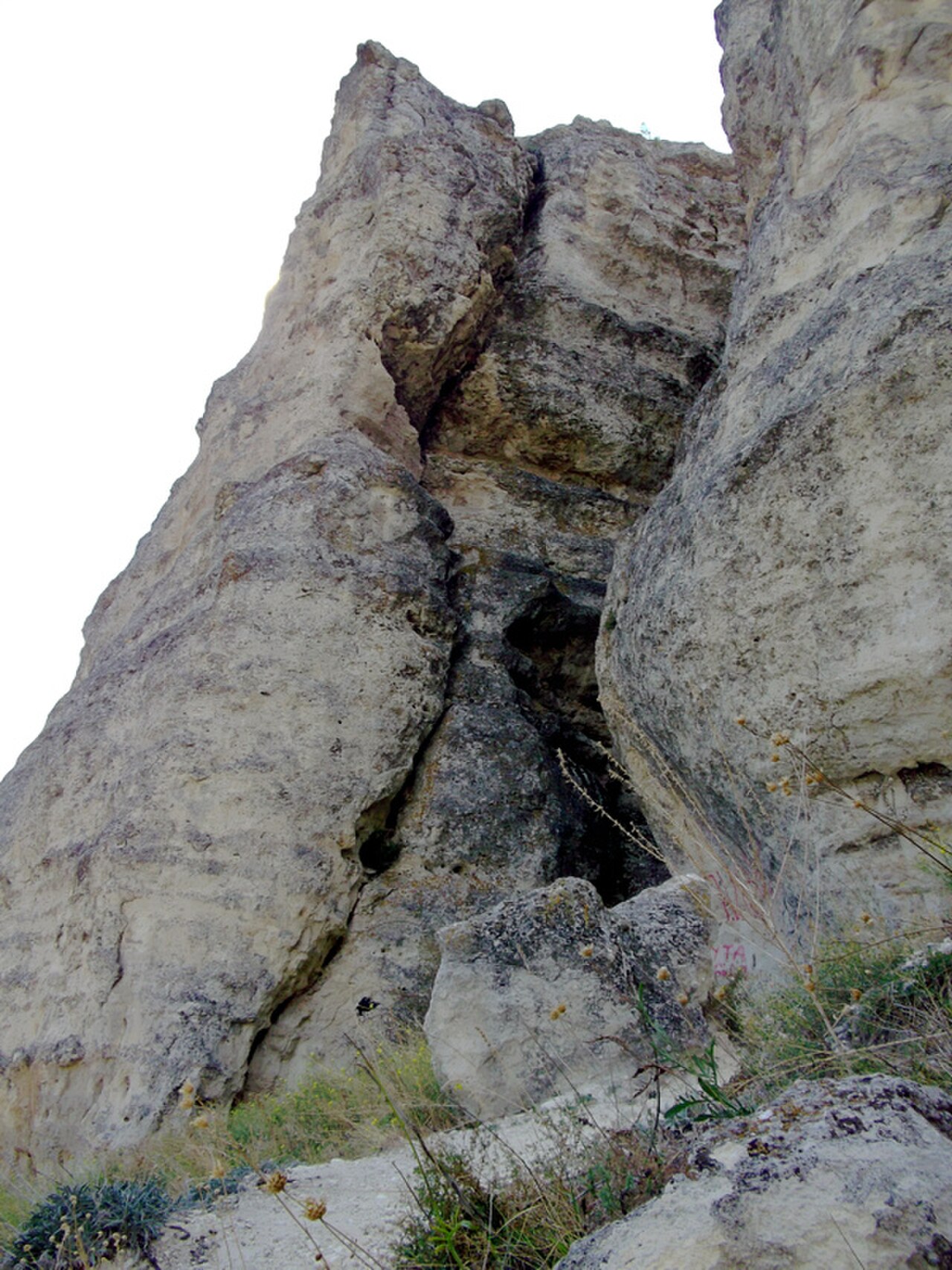
This place is a Archaeological site.
Snake Monument is a named feature within Petra's archaeological park in southern Jordan. Its name gives the stop a distinctive identity among the ancient city's carved facades, tombs, trails and natural sandstone formations. It belongs to the wider UNESCO-listed Petra landscape rather than standing as a separate visitor attraction. Include it when you want to explore the many smaller points that sit beyond the most famous monuments. Snake Monument is a named feature within the Petra archaeological park in Jordan. The monument takes its name from serpentine characteristics in its form or associated trail configuration. As part of the broader UNESCO World Heritage Site, it contributes to Petra's extensive network of carved facades, tombs, and natural geological formations that draw international visitors to the Wadi Musa region. No. Snake Monument is documented as a named feature within the archaeological park but does not hold equivalent prominence to the Treasury, Monastery, or other internationally recognised structures. It represents one of numerous points of interest distributed across the extensive site.
Checked 2026-08-26 · Source
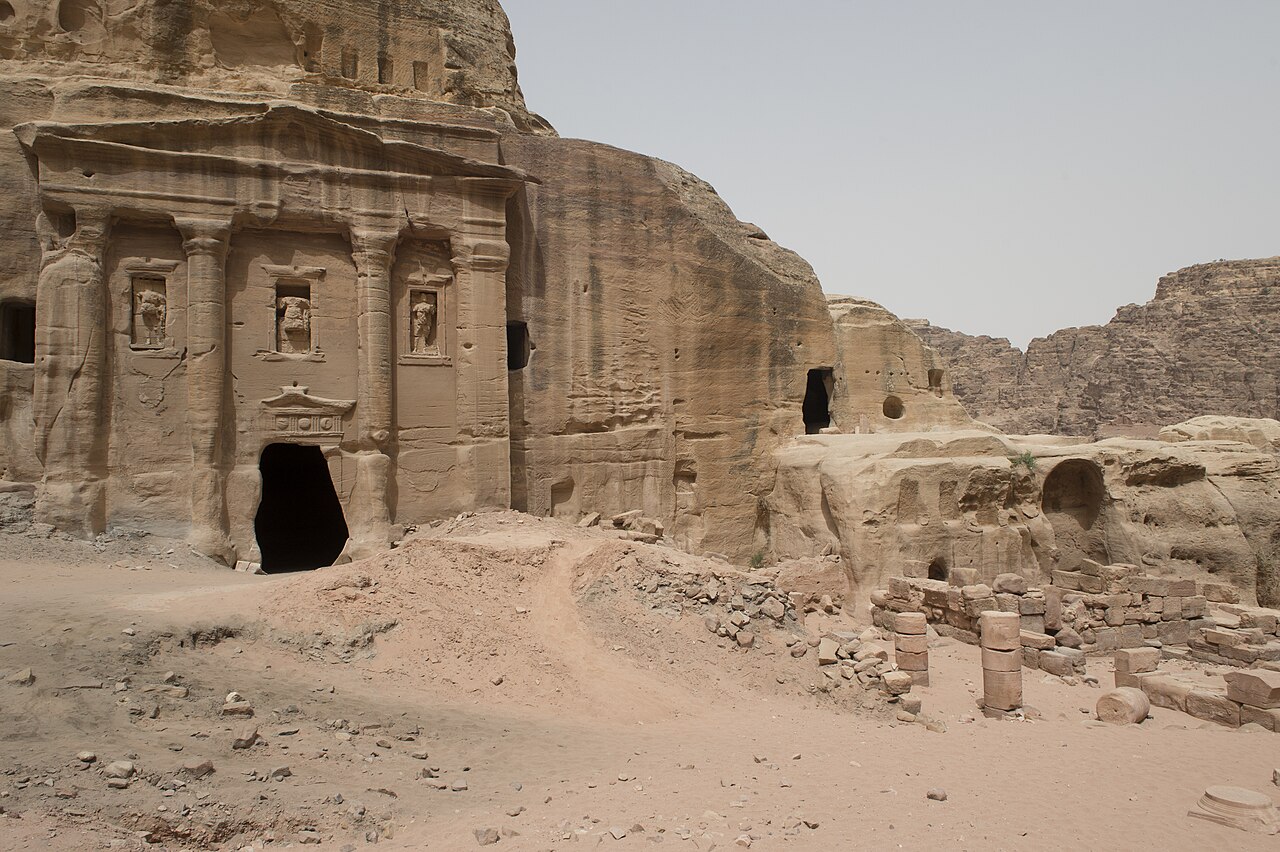
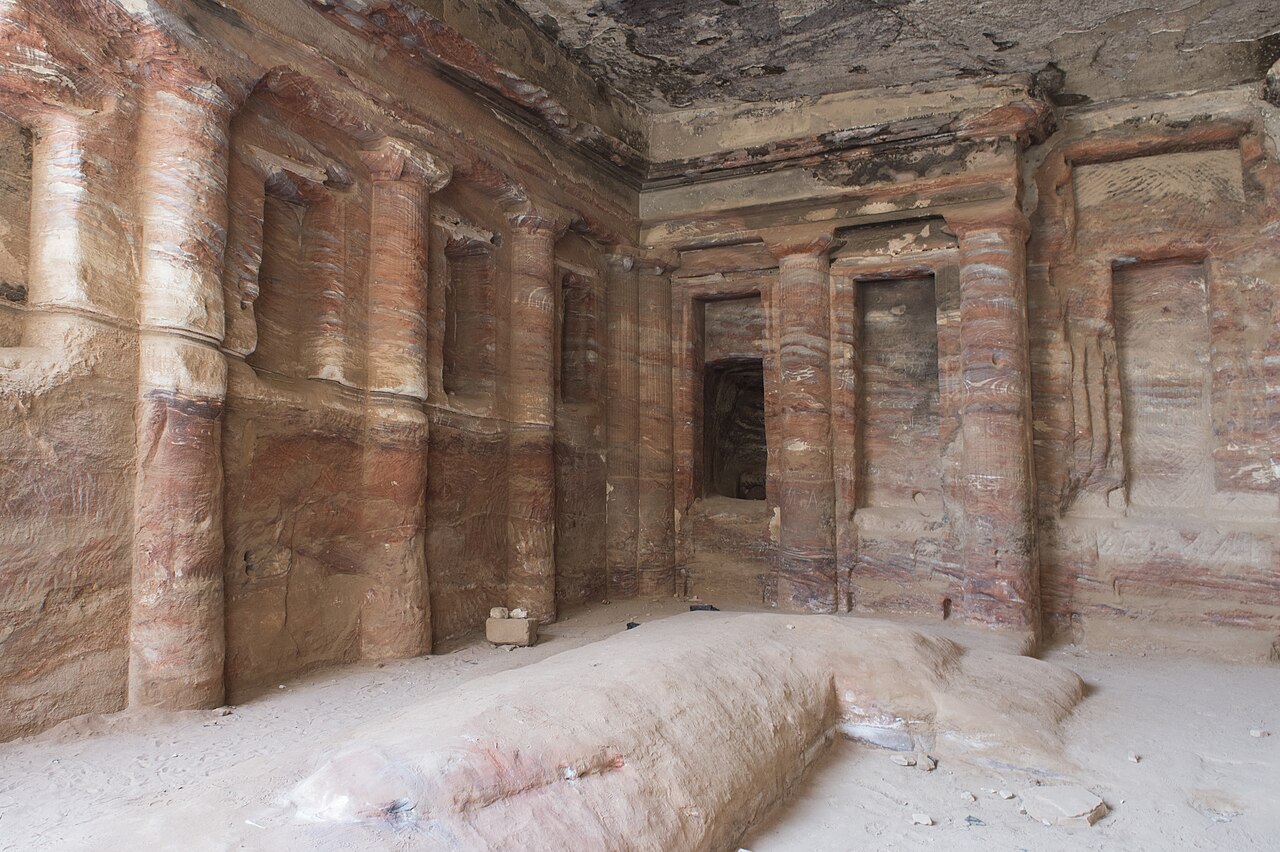
The setting around Snake Monument is Petra's characteristic rose-red sandstone terrain, where carved surfaces, open desert ground and traces of ancient water management appear together. This is a landscape-led stop rather than a conventional indoor attraction. Give attention to the relationship between the named feature, the surrounding cliffs and the route through the archaeological zone. The wider environment supplies much of the experience. The immediate surroundings of Snake Monument consist of Petra's characteristic sandstone terrain, with rock-cut architecture and desert landscape typical of the archaeological zone. Visitors in this area may observe Nabataean engineering remnants, water management systems, and carved surfaces integrated into the rose-red cliffs. The monument itself represents one of numerous named points of interest distributed throughout the vast site. A flexible visit lets travellers connect Snake Monument with the rest of the day without treating one room, viewpoint or photograph as the whole experience. The useful pace depends on personal interest and conditions on arrival.
Checked 2026-08-26 · Source

A brief look may take only a few minutes, while a slower pause for photographs and landscape observation can take fifteen to twenty minutes. The important time commitment is the walk through Petra's extensive park. Add Snake Monument to a route linking larger landmarks rather than travelling across the site only for this single named feature. Weather, distance and personal pace shape the full outing. Time allocation for Snake Monument depends entirely on individual itinerary planning within Petra's expansive grounds. The archaeological park encompasses numerous kilometres of trails, with major highlights such as the Treasury and Monastery requiring full-day commitments.
Checked 2026-08-26 · Source

Visit during daylight as part of your Petra exploration. Early morning reduces heat on exposed paths and can bring gentler light to the sandstone. Late afternoon adds warm colour, though you should leave sufficient daylight for the return walk. Spring and autumn generally favour long outdoor routes. Summer requires careful pacing and water, while winter can bring cold conditions and wet stone.
Checked 2026-08-26 · Source
Snake Monument is visited under the general entry arrangement for Petra archaeological park. It is not described as carrying a separate admission charge. The Jordan Pass can include Petra for eligible international visitors. Plan the monument as one element of a wider park day, with the same entry covering the paths and archaeological features encountered along the route through Petra.
Checked 2026-08-26 · Source

Enter Petra from the visitor area near Wadi Musa and continue through the archaeological park on foot. The route network crosses uneven ground and can include changes in elevation. Horse, carriage and donkey services operate on parts of the wider site, but walking remains central to exploring its named features. Use a park map to place Snake Monument within a practical circuit that also includes larger landmarks.
Checked 2026-08-26 · Source

Desert heat, reflective sandstone and long distances can make Petra more tiring than expected. Wear shoes suited to loose ground and uneven carved surfaces, and carry ample water and sun protection. Take care near steep drops and unguarded edges. Animal transport requires clear agreement about the journey and price. Smaller features may feel remote, so keep your route, daylight and energy in mind.
Checked 2026-08-26 · Source
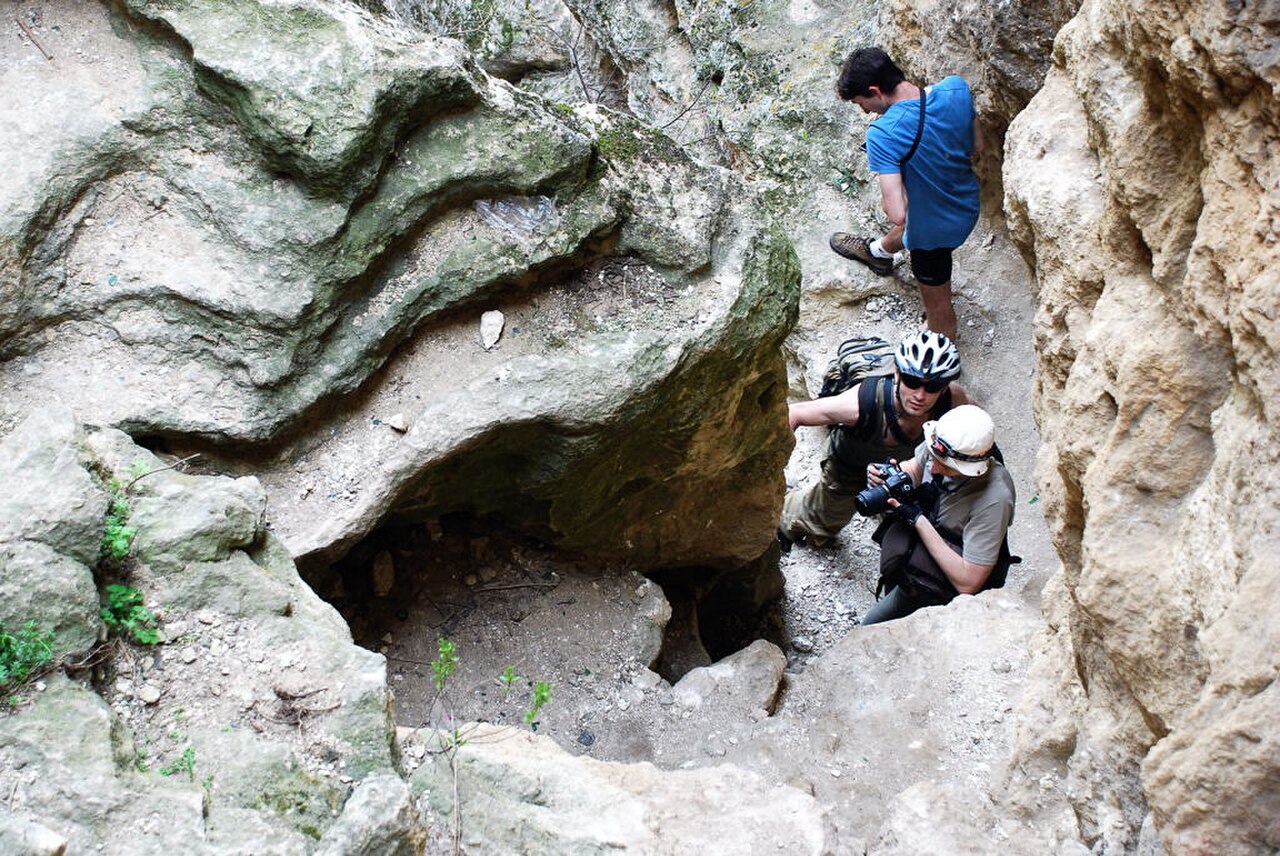
Photograph Snake Monument within the larger visual character of Petra: red sandstone, sculpted surfaces, open valley and changing light. Golden-hour conditions shortly after sunrise or before sunset can add warmth and relief to the rock. Wide images show the landscape context, while closer frames emphasise texture. Keep batteries charged before entering, carry only manageable equipment and avoid blocking paths or disturbing other visitors.
Checked 2026-08-26 · Source
Yes. Snake Monument is a named feature within Petra's extensive archaeological park and UNESCO-listed landscape.
No separate ticket is described; the feature is visited under the general Petra archaeological park entry arrangement.
Allow a few minutes for a quick look or fifteen to twenty minutes for photographs and landscape observation, plus the walking time through Petra.
The feature sits within rose-red sandstone terrain containing carved surfaces, open desert ground and traces of Petra's ancient water-management landscape.
Carry water, sun protection, sturdy footwear and enough battery power for navigation and photographs across Petra's large site.
The warm light shortly after sunrise and before sunset can emphasise Petra's red sandstone, textures and surrounding landscape.
Loading the interactive map…
The interactive map could not be loaded.
Last updated:
Source: OpenStreetMap contributors ·