.jpg)

135 min walk
Nairobi National Park
- Must see
- Nature site
Language · 11 published
Museum · Nairobi
Reviewed by Elena Voss · Roavina Travel Editor
Read from the OpenStreetMap access tags; anything not listed has no tag recorded.
Set the group type to family in the planner and the day window contracts to about three quarters of a solo day.
This place is a Museum.
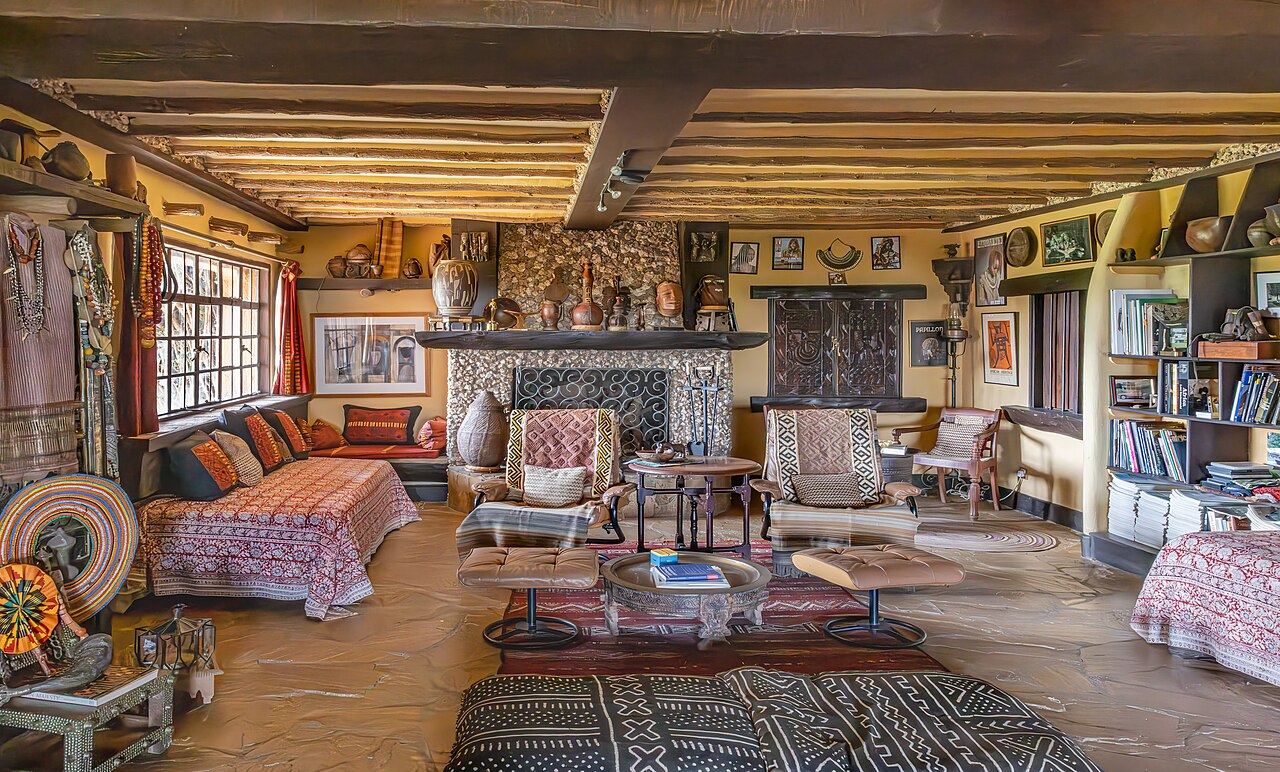
African Heritage House is a distinctive residence and cultural landmark south of central Nairobi. Created by Alan Donovan, it brings together architectural ideas, artistic traditions, textiles, and design objects from across Africa. The building is part of the experience: its structure and rooms present African creativity as an integrated environment rather than as separate museum displays. African Heritage House is the landmark residence of Alan Donovan, an American collector and designer who settled in Kenya. The house stands south of central Nairobi as a singular expression of pan-African creative vision. It functions as both a private home and a showcase for architectural and artistic traditions drawn from across the African continent. The structure itself embodies design principles and construction techniques sourced from multiple African cultures, making the building an integral part of its own collection rather than merely a container for exhibits. No. The house operates as a private residence with visiting arrangements made by appointment. Unannounced visitors cannot expect access. The house embodies pan-African architecture, incorporating design principles and construction techniques from multiple African cultures rather than representing a single regional tradition.
Checked 2026-08-26 · Source
Inside, visitors encounter pan-African architecture, textiles, artworks, and design objects arranged through domestic rooms. Fabrics are especially prominent, while sculptural and functional pieces add variety to the interiors. The residential arrangement gives the collection a personal atmosphere, with objects experienced as part of a lived setting rather than along a conventional gallery route. The house presents pan-African architecture, textiles, art, and design in an integrated domestic setting. Visitors encounter architectural elements, fabric collections, artworks, and design objects drawn from diverse African traditions. The arrangement reflects Donovan's personal collecting philosophy and his decades of engagement with African material culture. Textiles feature prominently among the displayed materials, alongside sculptural and functional art pieces. The domestic context distinguishes this venue from conventional museums, offering viewing within lived spaces rather than purpose-built galleries. The cumulative effect presents African creative production as interconnected across regional and national boundaries.
Checked 2026-08-26 · Source
Allow several hours for a considered visit, especially if architecture, textiles, or African design are central to your interests. The house rewards a slow pace because objects and architectural details are distributed through living spaces. Visitors joining an arranged group experience may follow a set schedule, while other visits can unfold more gradually. Visitor duration depends on interest level in architecture, textiles, and African design traditions. A thorough examination of the house and its collections typically requires several hours, given the density of material on display and the integration of objects throughout living spaces. Those with specialized interest in textile history, architectural adaptation, or pan-African design movements may wish to allocate additional time. The residential character of the venue suggests a paced visit rather than rapid circulation.
Checked 2026-08-26 · Source
Visits are arranged in advance, reflecting the house's role as a private residence as well as a cultural venue. Nairobi's drier periods, from June to October and December to March, can make the journey more comfortable, although the principal experience is indoors. Arrange your visit before travelling south of central Nairobi so your arrival fits the agreed schedule.
Checked 2026-08-26 · Source
African Heritage House is visited by arrangement rather than through a standard walk-in museum ticket. The cost of a visit depends on the arrangement made for the experience, so settle the practical details when organising your appointment. Treat the visit as a hosted cultural encounter in a private home, not as an attraction with a fixed public admission desk.
Checked 2026-08-26 · Source
The house stands south of central Nairobi, outside the city's main visitor corridors. Road transport is the practical way to reach it, using a private vehicle, taxi, or ride-hailing service. Traffic can alter the journey considerably. Keep the address and appointment details with you, and allow additional time for the approach to a residential cultural venue.
Checked 2026-08-26 · Source
Remember that this is a private residence with a dense display of valuable objects. Arrive only for the arranged visit, move carefully through the rooms, and give the household setting the same respect you would give a host's home. Ask about photography before taking pictures, and follow any directions about where to stand or what not to touch.
Checked 2026-08-26 · Source
Photography should be discussed when arranging your visit and again on arrival. The collection includes textiles and other materials that require careful handling, while the residence also has a private character. If permission is granted, follow the household's conditions and avoid flash unless it is expressly allowed. Commercial image use requires separate permission from the collection holder.
Checked 2026-08-26 · Source
No. African Heritage House is a private residence and cultural venue visited by prior arrangement, so visitors should organise access before travelling there.
It presents pan-African architecture, combining design principles and construction techniques associated with multiple African cultures rather than one regional style.
The house brings together African textiles, artworks, design objects, and architectural features within domestic rooms and living spaces.
Plan several hours if you want to appreciate both the architecture and the collection at an unhurried pace.
It is south of central Nairobi, away from the city's main central visitor area, and is reached by road transport.
The collection is displayed within a private residential setting, so the building, rooms, and objects form one connected cultural experience.
Loading the interactive map…
The interactive map could not be loaded.
Last updated:
Source: OpenStreetMap contributors ·