Nairobi National Park
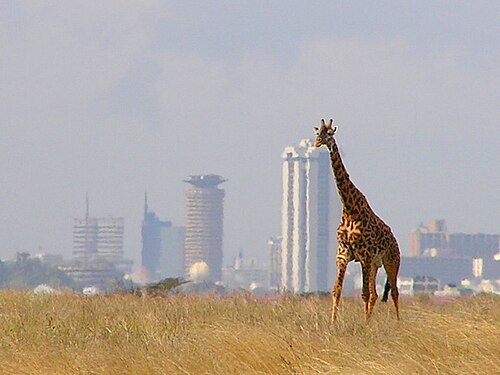
Nairobi National Park is a protected wildlife reserve situated at the edge of Kenya's capital city. Established in 1946, it holds distinction as one of Africa's oldest national parks.
- Must see
- Nature site
- Nairobi
Country guide
Kenya covers 580,367 km2 and its 2026 estimate counts 54,227,015 people, but the number worth knowing is how unevenly the land divides. The western Rift Valley...
Photograph · Nina R · CC BY 2.0
Reviewed by Elena Voss · Roavina Travel Editor
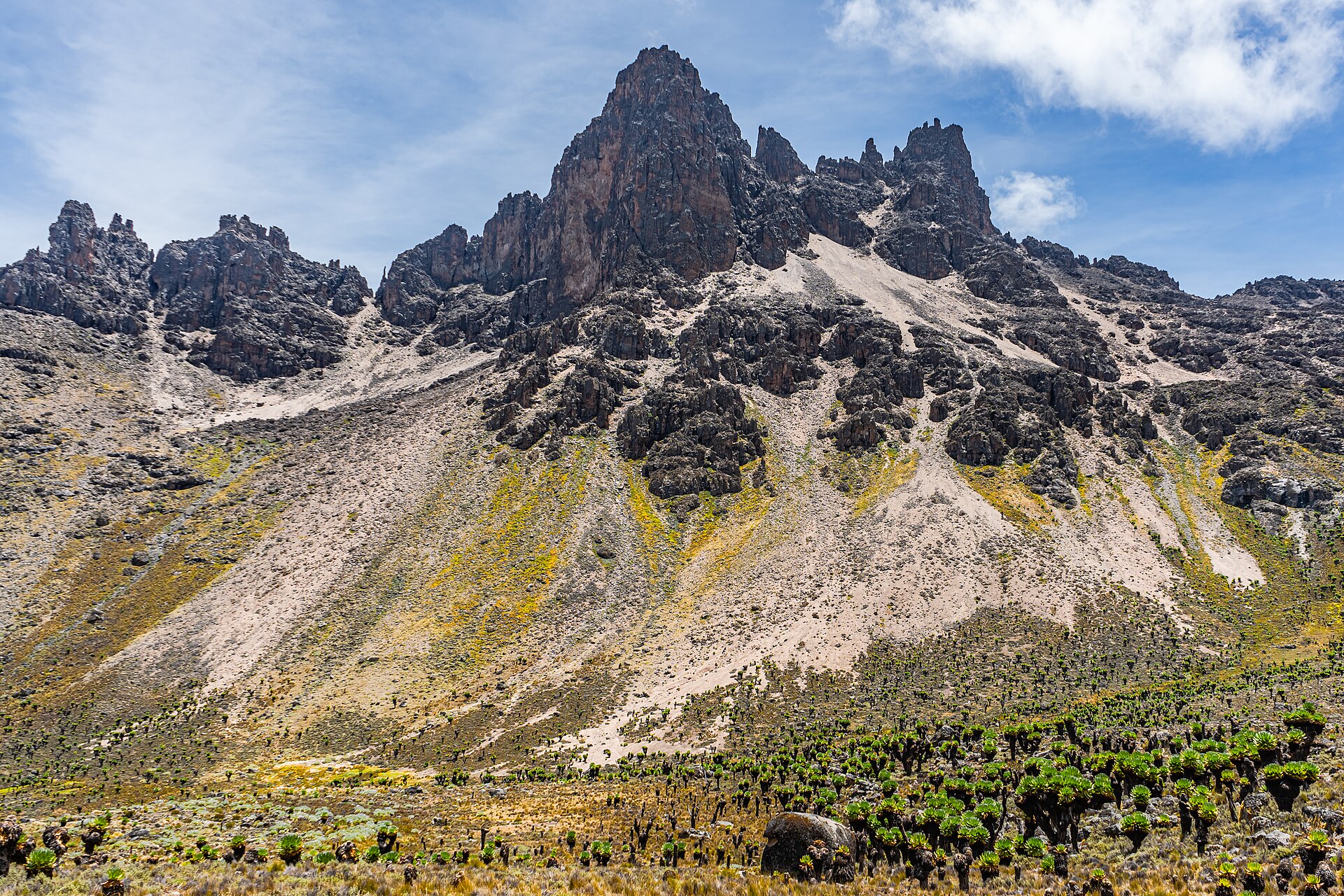
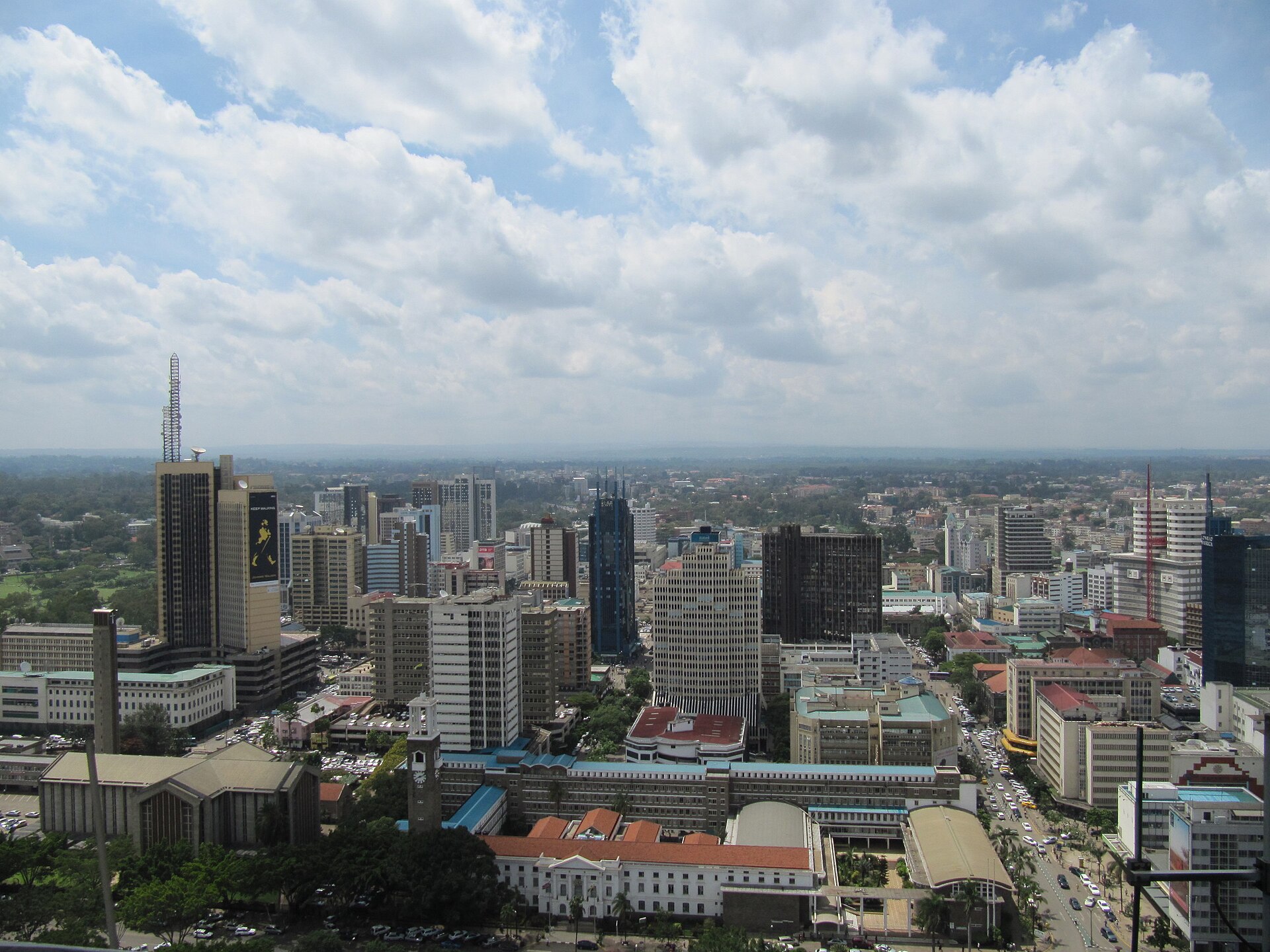
Kenya covers 580,367 km2 and its 2026 estimate counts 54,227,015 people, but the number worth knowing is how unevenly the land divides. The western Rift Valley counties carry snow on their highest peaks, forest below that and fertile farmland below that again, while much of the north and east is arid, semi-arid or outright desert. Nairobi, the capital, is where nearly every trip begins. Mombasa is the second city and the oldest one, a port sitting on its own island on the Indian Ocean, and choosing between highland and coast is the first decision a visitor here actually makes.
Checked 2026-08-25
Every city catalogued in this country so far, ranked by how much there is to see.
Photograph · Daryona · CC BY-SA 3.0
Seasonal closures come from recorded opening hours.
Ranked by importance — sitelinks, pageviews and heritage status, not editor preference.
49 places match
Category
Typical visit duration
Interests
Nairobi National Park is a protected wildlife reserve situated at the edge of Kenya's capital city. Established in 1946, it holds distinction as one of Africa's oldest national parks.
David Sheldrick Wildlife Trust
The Sheldrick Wildlife Trust's Nairobi Nursery is an orphan-elephant care facility inside Nairobi National Park.
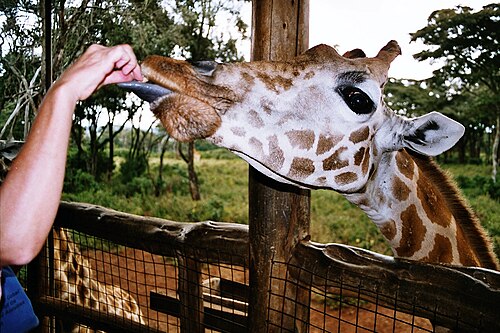
The Giraffe Centre is a conservation and education facility near Nairobi, Kenya. It was established by the African Fund for Endangered Wildlife to protect the endangered Rothschild's giraffe subspecies.
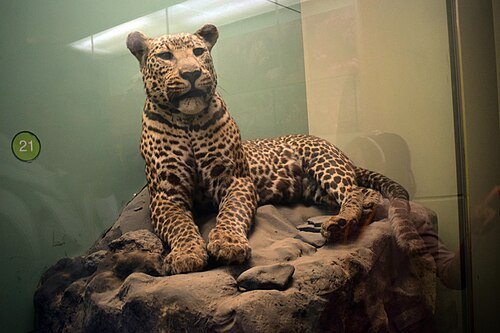
Nairobi National Museum
Nairobi National Museum is Kenya’s flagship museum on Museum Hill in Nairobi. Its galleries bring together human origins, natural history, art, and national culture, making it a strong introduction to the country before exploring the city or travelling onward.
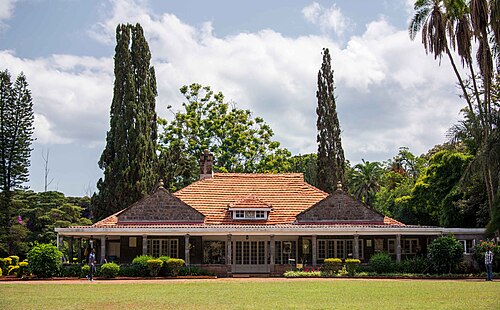
Karen Blixen Museum occupies the preserved farmhouse where Danish author Karen Blixen lived from 1914 to 1931. The house stands in Nairobi’s Karen suburb, a district whose name is connected with Blixen.
Karura Forest Reserve is Nairobi's largest protected urban forest and a working water catchment managed by the Kenya Forest Service with the Friends of Karura Forest community association.
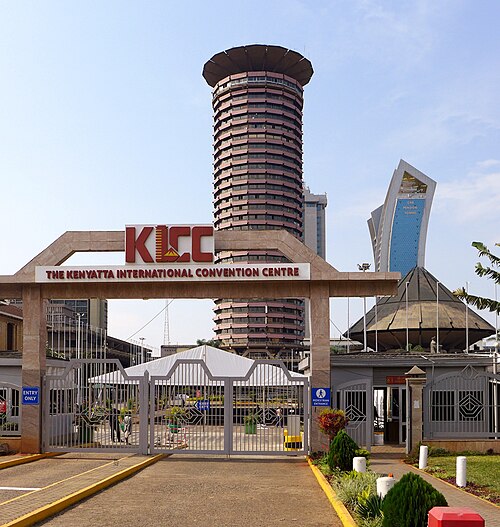
The Kenyatta International Convention Centre is Nairobi's cylindrical landmark and Kenya's state-owned national convention venue. Norwegian architect Karl Henrik Nøstvik designed the complex in 1967, and President Jomo Kenyatta opened it on 11 September 1973.
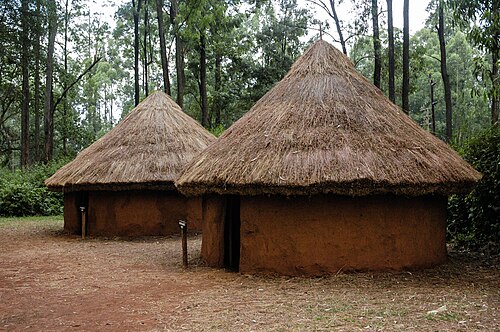
Bomas of Kenya is a national cultural institution in Nairobi’s Langata area. It presents the heritage of Kenya’s many ethnic communities through reconstructed homesteads, traditional architecture, music, dance, and theatrical performance.
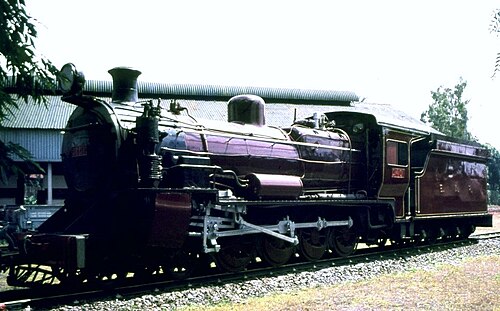
Nairobi Railway Museum is a heritage museum in central Nairobi dedicated to the Uganda Railway and Kenya’s rail transport history. It occupies the former railway headquarters near Nairobi railway station.
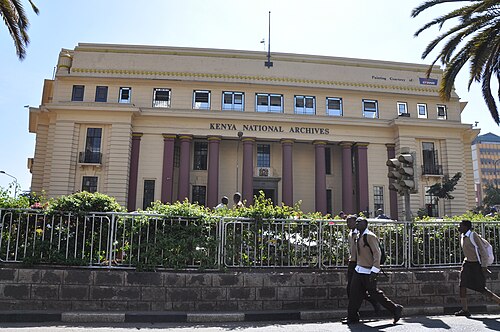
The Kenya National Archives stands in Nairobi's central business district as the country's principal repository for documentary heritage. The institution preserves government records, historical manuscripts, and private collections that chronicle Kenya's precolonial, colonial, and independent eras.
Nairobi Gallery occupies the historic Point Zero building at a prominent junction in Nairobi’s central business district. The building gives the visit an architectural and civic setting, while the gallery provides a cultural stop within the city centre.
Nairobi Safari Walk is an interpretive boardwalk beside Nairobi National Park. It presents Kenyan habitats in a compact, structured setting, giving visitors a way to encounter wildlife themes and conservation ideas without taking a full drive through the park.
Nairobi Snake Park and Aquarium is a zoological facility located within the National Museums of Kenya complex in Nairobi. It was established in 1961 and serves as a conservation and education centre focused on reptiles, amphibians, and fish species.
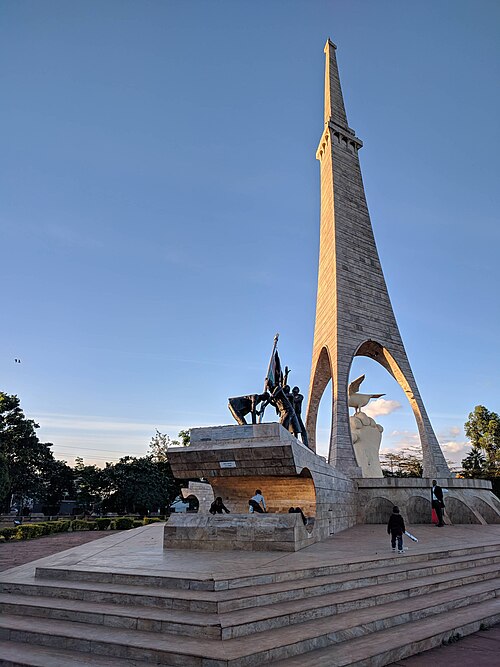
Uhuru Gardens National Monument and Museum is a public park and national monument in Nairobi, Kenya. It commemorates the spot where the Kenyan flag was first raised at independence in 1963.
Animal Orphanage
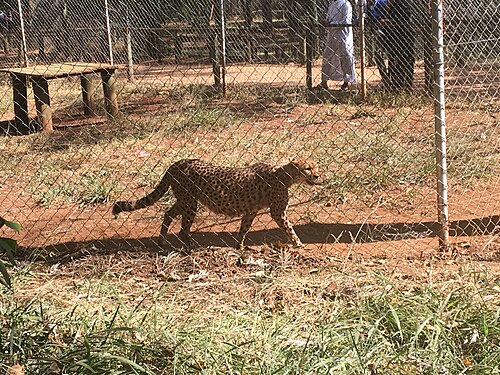
The Nairobi Animal Orphanage is a wildlife rehabilitation facility located within Nairobi National Park in Kenya. Established by the Kenya Wildlife Service, it serves as a sanctuary for orphaned, injured, and abandoned wild animals.
Arboretum
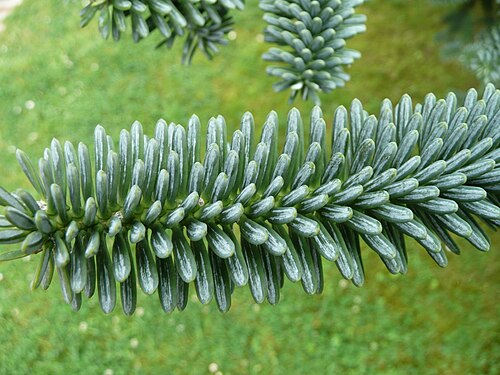
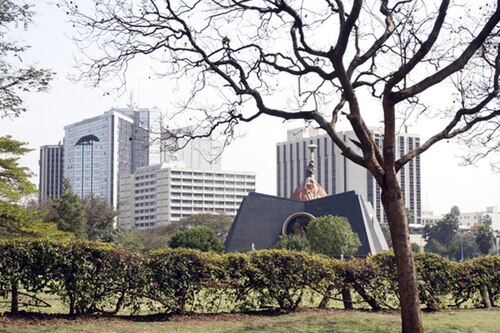
Nairobi Arboretum is a public green space in Nairobi, Kenya. Established in 1907, it spans approximately 30 hectares along State House Road in the Kilimani area.
August 7th Memorial Park
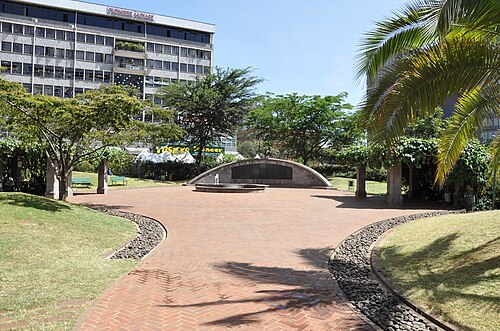
August 7th Memorial Park is a memorial garden and museum in Nairobi, Kenya. It preserves the site and human history of the 1998 United States embassy bombing.
Kazuri Beads and Pottery Centre is a craft workshop and retail outlet in Nairobi, Kenya. The enterprise produces hand-painted ceramic beads and pottery items. It was established with a social mission to provide employment for disadvantaged women.
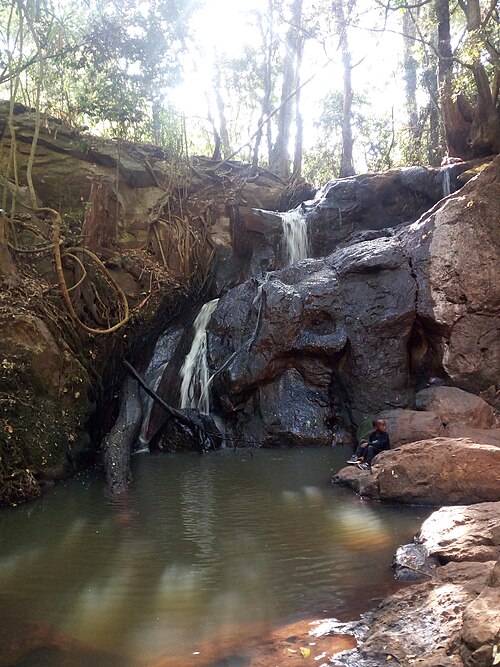
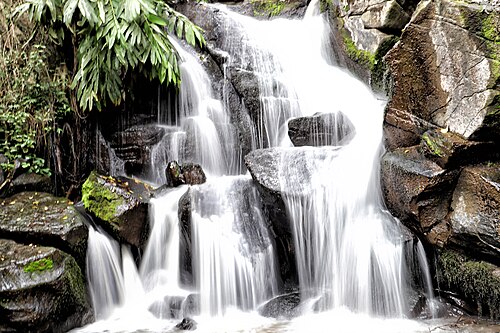
Oloolua Nature Trail is a forested walking route in Nairobi’s Karen area. Dense vegetation, quieter paths, and natural features give it a different mood from the city’s busier attractions.
Maasai market
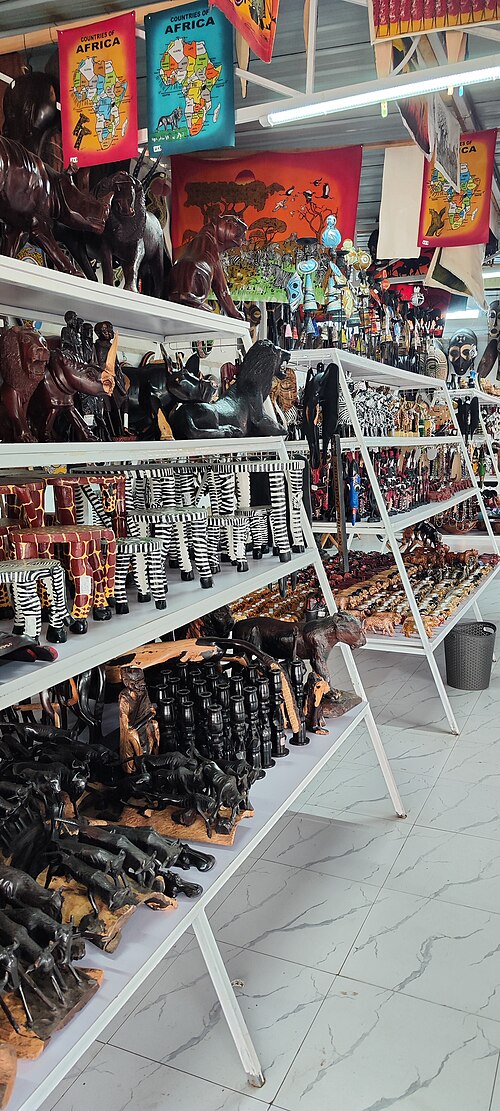
Maasai Market is an open-air market in Nairobi known for Maasai handicrafts and cultural goods. It operates as a rotating market, shifting location across different neighbourhoods on different days of the week.
City Market
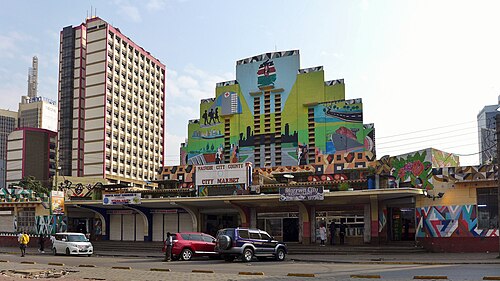
Nairobi City Market is a historic trading hall in the Central Business District of Nairobi. Established during the colonial era, it remains part of the city’s commercial and architectural identity.
African Heritage House is a distinctive residence and cultural landmark south of central Nairobi. Created by Alan Donovan, it brings together architectural ideas, artistic traditions, textiles, and design objects from across Africa.
anselm Kitengela Hot Glass
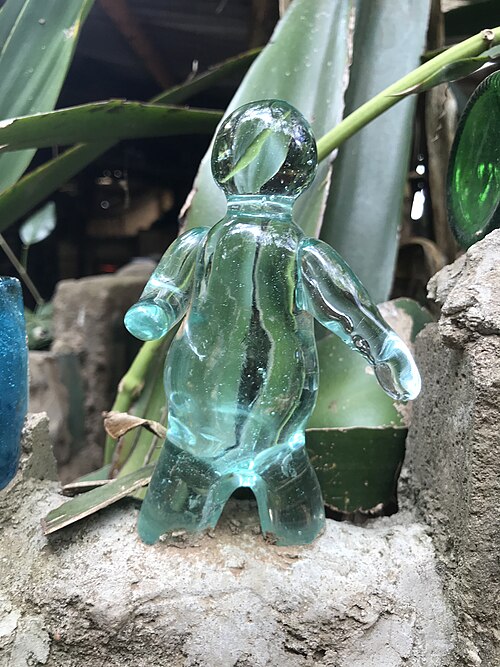
Kitengela Hot Glass is a working glass-art studio and gallery on the outskirts of Nairobi. Founded by artist Nani Croze, it combines craft production with a visitor experience in a semi-rural setting.
Uhuru Park is Nairobi's principal civic green space and a historic setting for public gathering and democratic expression. The park occupies a central position in Kenya's capital city and serves as a restored public landscape.
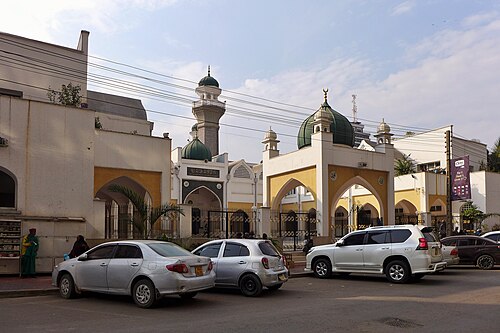
Jamia Mosque is Nairobi’s principal historic mosque and a major religious, architectural and community landmark. Beside the city’s central market, it occupies a prominent position in the commercial heart of the capital.
Ten to fourteen days allows Nairobi plus one safari circuit or coast extension without turning every day into a transfer. Combining several reserves and the Indian Ocean requires additional nights because road and flight links are not interchangeable.
Kenya’s Electronic Travel Authorisation service is the official place to determine pre-travel permission. Submit through that government portal and verify passport, transit and supporting-document requirements for the individual journey.
Nairobi is the main international and domestic hub, and scheduled flights connect safari airstrips and coastal airports. Road transfers remain central to many circuits; the final park, lodge or ferry connection should be confirmed with its operator.
July to October is a broad safari window, while the coast and individual reserves have their own rain and wildlife cycles. Select dates around the target ecosystem rather than treating Kenya as one climate zone.
Kenyan shillings (KES) are used for local prices. Current mobile-money access, cash requirements and card fees for visitors are Not recorded here; ask the operator which method it accepts before a remote transfer or park visit.
Kenya lists 999 and 112 for emergencies. Type G plugs carry 240 V; the available national source does not record tap-water safety, so seek local advice.