Nairobi National Park
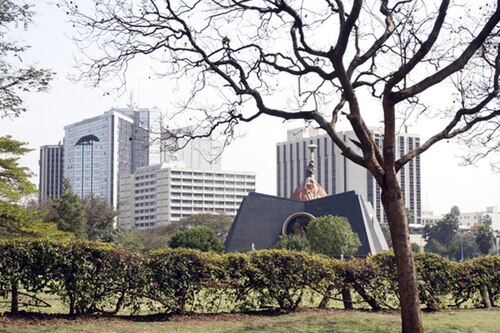
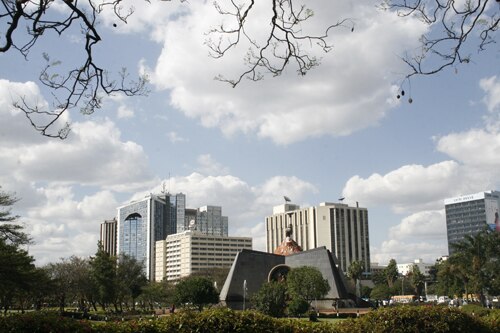
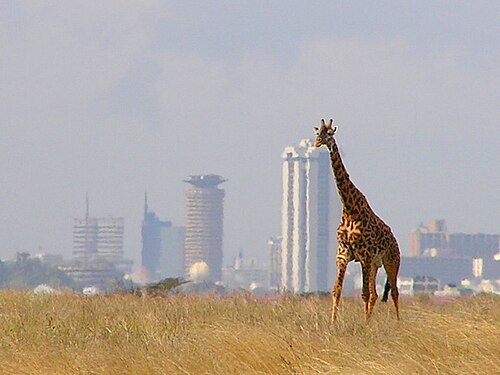
Nairobi National Park is a protected wildlife reserve situated at the edge of Kenya's capital city. Established in 1946, it holds distinction as one of Africa's oldest national parks.
- Must see
- Nature site
City guide · Kenya
Nairobi combines a dense central business district with major visitor areas spread south and west across the metropolitan edge. The National Museum and central...
Photograph · Daryona · CC BY-SA 3.0
Set your days, your pace and the hours you actually want to be out. The planner works around closing days and travel time, and leaves room to eat.
Editorial responsibility: Elena Voss · Roavina Travel Editor
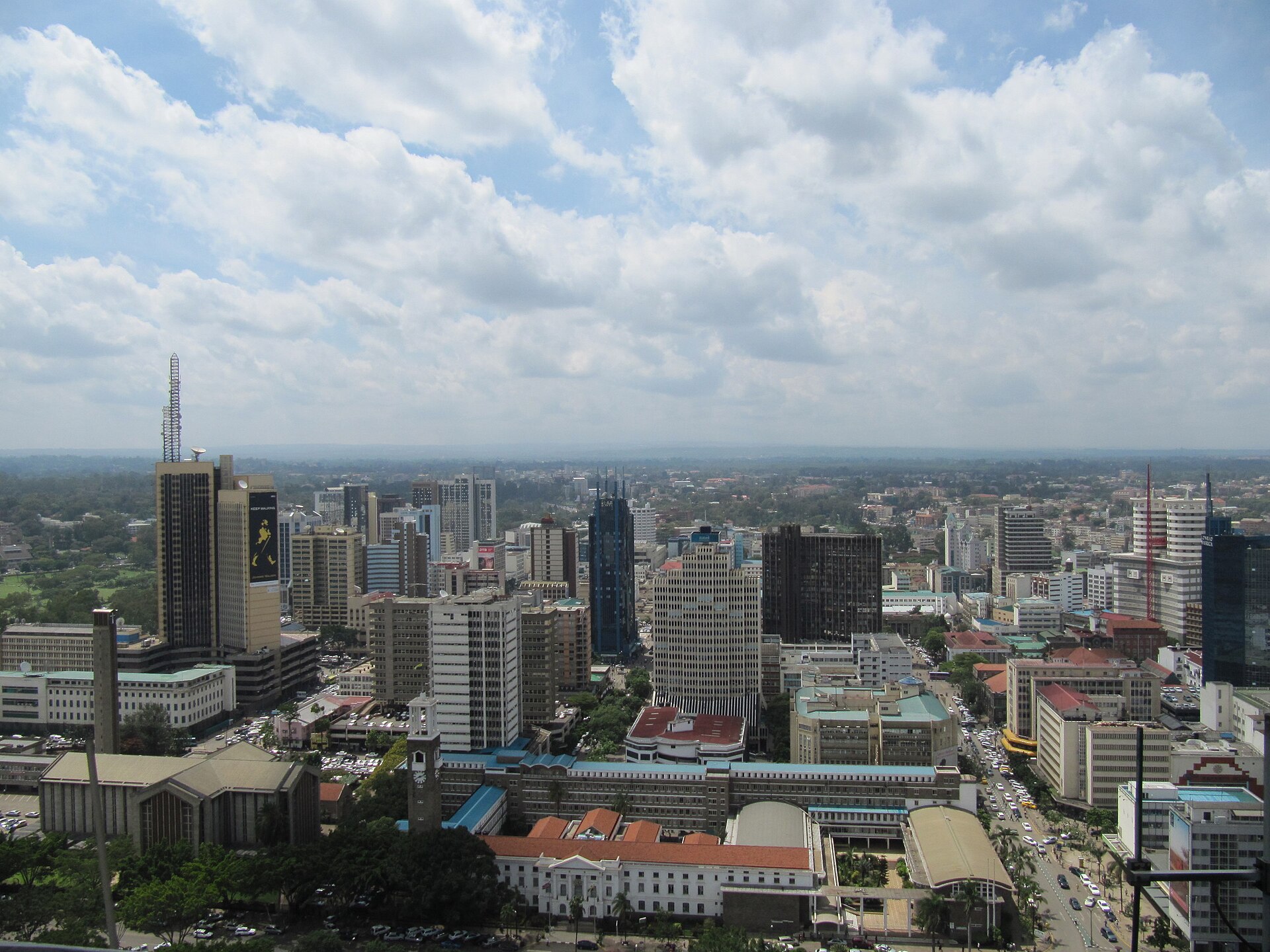
Nairobi combines a dense central business district with major visitor areas spread south and west across the metropolitan edge. The National Museum and central civic sites can share one route, while Karen and Langata contain a separate group of museums, wildlife centres and cultural venues. Nairobi National Park forms another large southern zone. Grouping these areas prevents repeated crossings through traffic and makes early wildlife entry times easier to manage.
Checked 2026-08-26
November · November's short rains bring Nairobi 154.2 mm over fifteen days, a substantial planning trade-off despite mild temperatures.
Ranked by importance — sitelinks, pageviews and heritage status, not editor preference.
53 places match
Category
Typical visit duration
Good for
Interests
Nairobi National Park is a protected wildlife reserve situated at the edge of Kenya's capital city. Established in 1946, it holds distinction as one of Africa's oldest national parks.
David Sheldrick Wildlife Trust
The Sheldrick Wildlife Trust's Nairobi Nursery is an orphan-elephant care facility inside Nairobi National Park.
Nairobi National Museum
Nairobi National Museum is Kenya’s flagship museum on Museum Hill in Nairobi. Its galleries bring together human origins, natural history, art, and national culture, making it a strong introduction to the country before exploring the city or travelling onward.
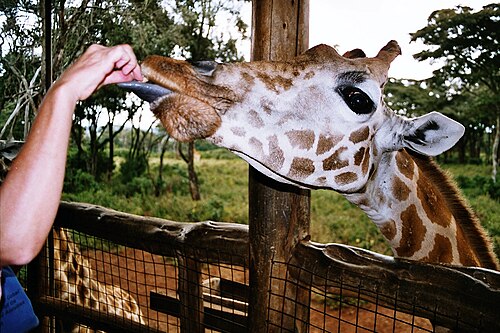
The Giraffe Centre is a conservation and education facility near Nairobi, Kenya. It was established by the African Fund for Endangered Wildlife to protect the endangered Rothschild's giraffe subspecies.
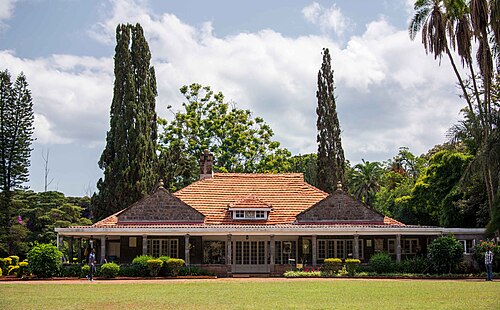
Karen Blixen Museum occupies the preserved farmhouse where Danish author Karen Blixen lived from 1914 to 1931. The house stands in Nairobi’s Karen suburb, a district whose name is connected with Blixen.
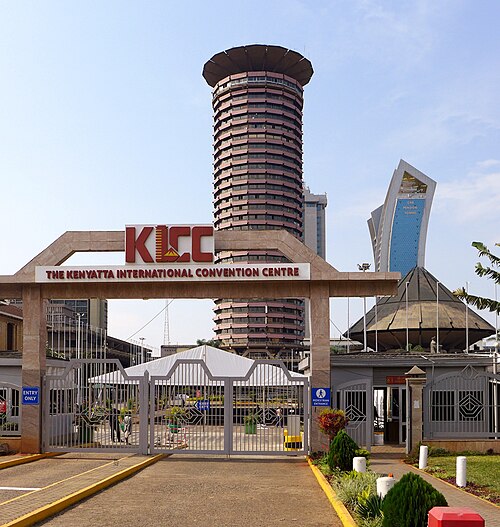
The Kenyatta International Convention Centre is Nairobi's cylindrical landmark and Kenya's state-owned national convention venue. Norwegian architect Karl Henrik Nøstvik designed the complex in 1967, and President Jomo Kenyatta opened it on 11 September 1973.
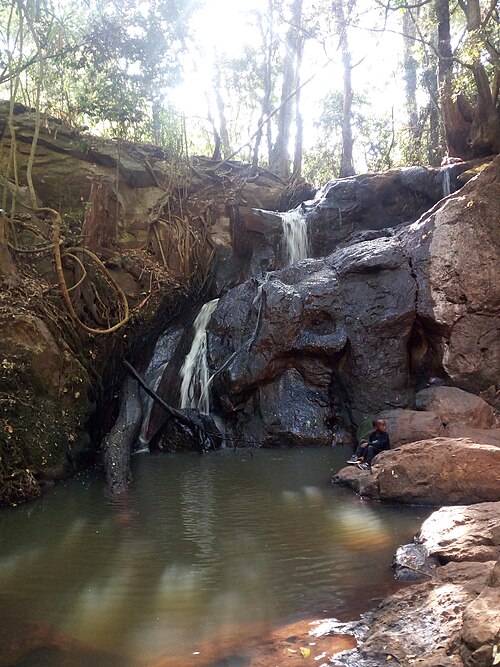
Karura Forest Reserve is Nairobi's largest protected urban forest and a working water catchment managed by the Kenya Forest Service with the Friends of Karura Forest community association.
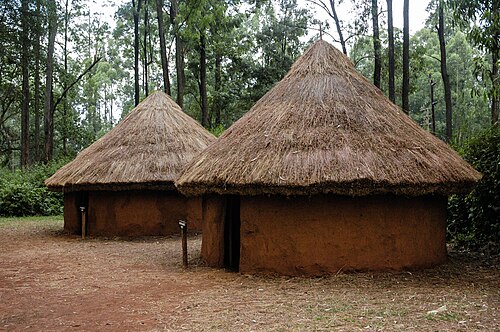
Bomas of Kenya is a national cultural institution in Nairobi’s Langata area. It presents the heritage of Kenya’s many ethnic communities through reconstructed homesteads, traditional architecture, music, dance, and theatrical performance.
Nairobi Gallery occupies the historic Point Zero building at a prominent junction in Nairobi’s central business district. The building gives the visit an architectural and civic setting, while the gallery provides a cultural stop within the city centre.
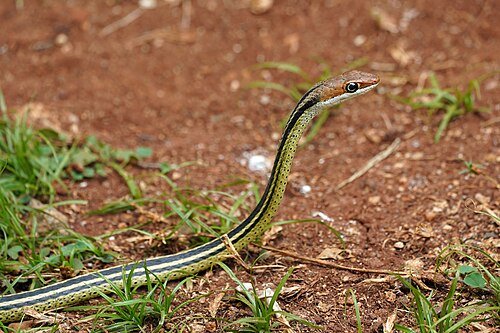
Nairobi Snake Park and Aquarium is a zoological facility located within the National Museums of Kenya complex in Nairobi. It was established in 1961 and serves as a conservation and education centre focused on reptiles, amphibians, and fish species.
Uhuru Park is Nairobi's principal civic green space and a historic setting for public gathering and democratic expression. The park occupies a central position in Kenya's capital city and serves as a restored public landscape.
Central Park is a compact green space in Nairobi city centre, beside Uhuru Park. It forms part of the capital’s central civic landscape and offers a pause from the surrounding streets and buildings.
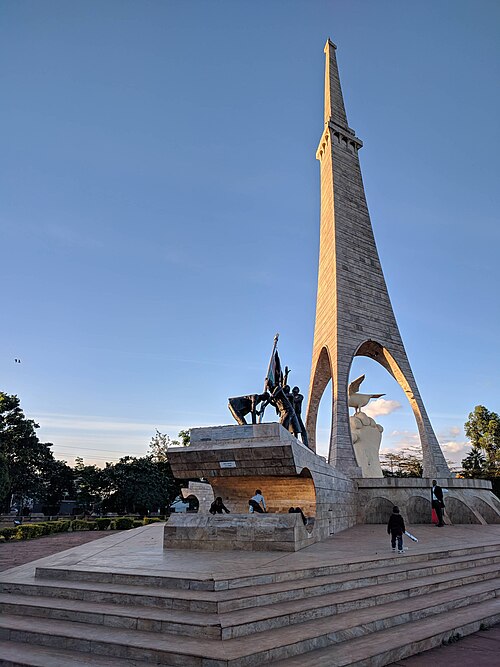
Uhuru Gardens National Monument and Museum is a public park and national monument in Nairobi, Kenya. It commemorates the spot where the Kenyan flag was first raised at independence in 1963.
Arboretum
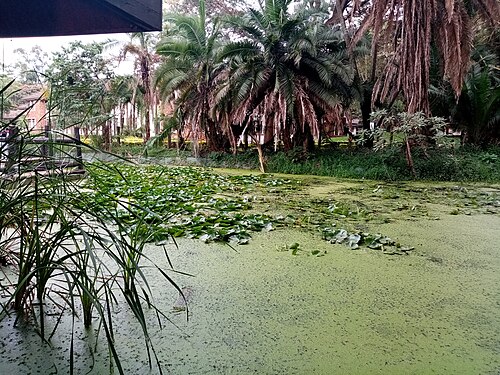
Nairobi Arboretum is a public green space in Nairobi, Kenya. Established in 1907, it spans approximately 30 hectares along State House Road in the Kilimani area.
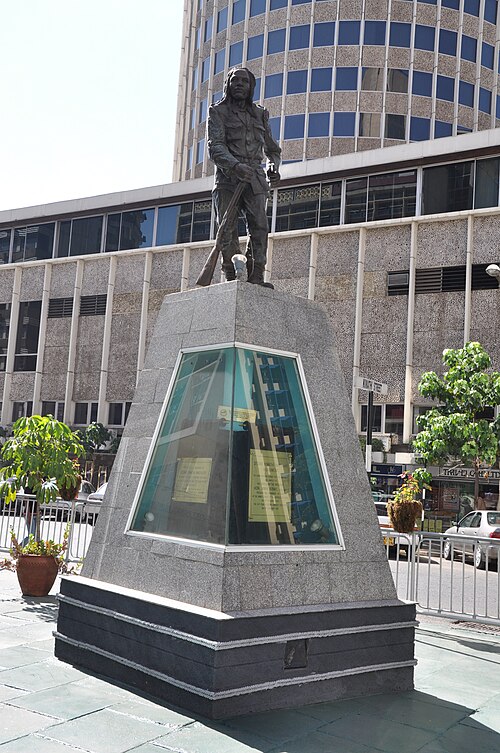
Dedan Kimathi Statue is a public memorial on Kimathi Street in Nairobi’s Central Business District. It commemorates Dedan Kimathi, a leading figure in Kenya’s Mau Mau uprising and independence struggle.
Holy Family Basilica
The Cathedral Basilica of the Holy Family is a Catholic cathedral and basilica in Nairobi and the seat of the Archdiocese of Nairobi.
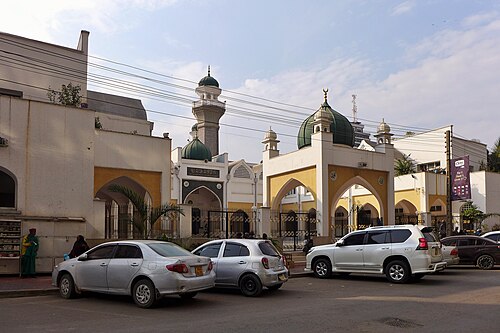
Jamia Mosque is Nairobi’s principal historic mosque and a major religious, architectural and community landmark. Beside the city’s central market, it occupies a prominent position in the commercial heart of the capital.
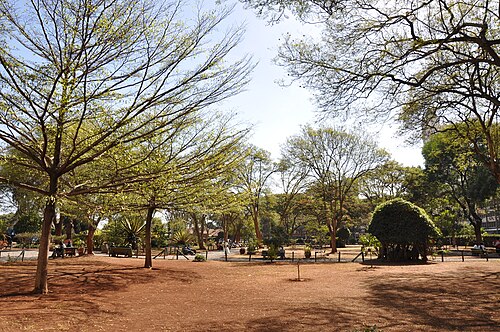
Jeevanjee Gardens is a central public garden in Nairobi and one of the city’s established civic green spaces. It was created through a donation by Alibhai Mulla Jeevanjee in the early twentieth century.
The Ivory Burning Site is a historic spot inside Nairobi National Park that the Kenya Wildlife Service (KWS) lists among the park's attractions.
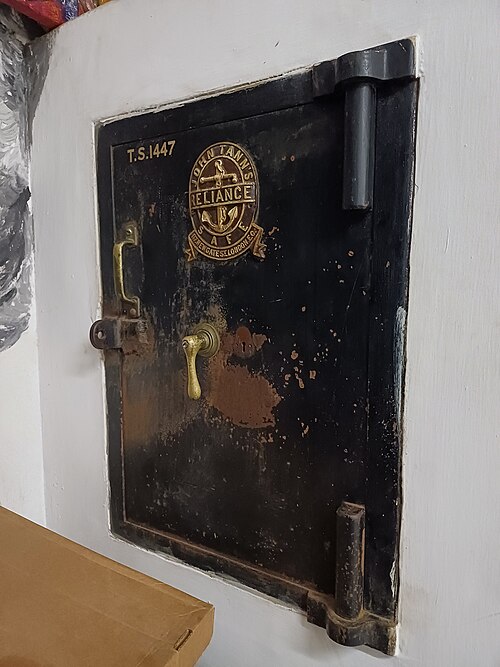
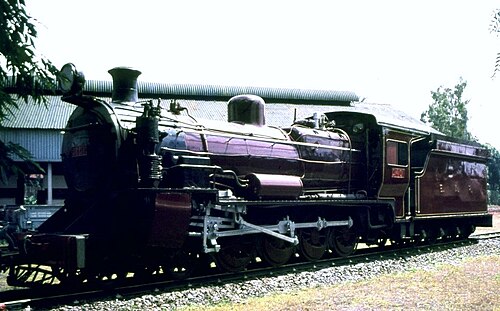
Nairobi Railway Museum is a heritage museum in central Nairobi dedicated to the Uganda Railway and Kenya’s rail transport history. It occupies the former railway headquarters near Nairobi railway station.
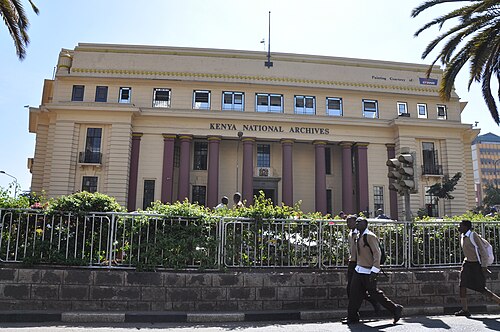
The Kenya National Archives stands in Nairobi's central business district as the country's principal repository for documentary heritage. The institution preserves government records, historical manuscripts, and private collections that chronicle Kenya's precolonial, colonial, and independent eras.
Nairobi Safari Walk is an interpretive boardwalk beside Nairobi National Park. It presents Kenyan habitats in a compact, structured setting, giving visitors a way to encounter wildlife themes and conservation ideas without taking a full drive through the park.
Animal Orphanage
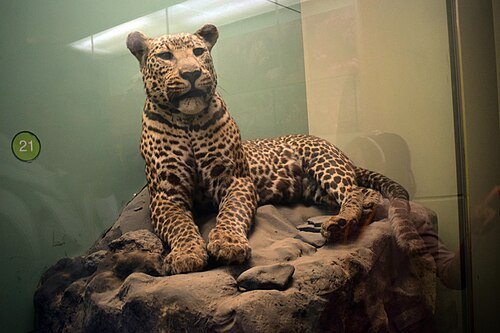
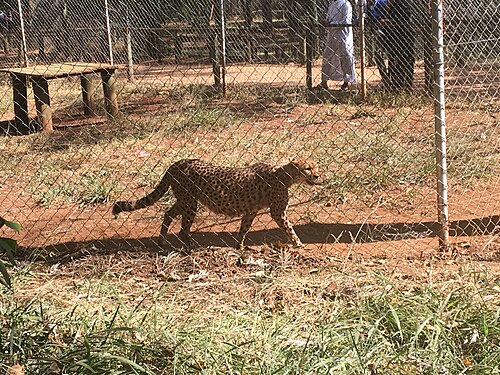
The Nairobi Animal Orphanage is a wildlife rehabilitation facility located within Nairobi National Park in Kenya. Established by the Kenya Wildlife Service, it serves as a sanctuary for orphaned, injured, and abandoned wild animals.
The central business district contains City Market, the National Archives and civic landmarks. Westlands sits northwest with hotels, dining and access toward Karura Forest. Karen and Langata lie southwest and hold the Karen Blixen Museum, Giraffe Centre, Bomas of Kenya and conservation sites. Nairobi National Park stretches along the southern edge near Wilson Airport. These zones are connected by busy arterial roads, not one continuous visitor centre.
Checked 2026-08-26
Nairobi City County identifies buses and matatus as the most common public transport, alongside car rental and other road options. Walk only within a defined central or neighbourhood cluster, then use planned road transport between the CBD, Westlands, Karen, Langata and the national park. Route numbers and destinations are displayed on matatus, but visitors with timed entries or luggage should allow generous transfer time and confirm the return journey.
Checked 2026-08-26
Suggested stay for a first visit: 2–3 days. Plan separate blocks for the central city, Karen and Langata, Nairobi National Park, and any northern or western nature area.
It is possible, but the park is a large southern zone with timed wildlife activity and road transfers. Treat it as a dedicated block rather than a quick central stop.
Nairobi City County lists buses and matatus as common public transport and also describes car rental. Choose transport according to distance, timing, luggage and return needs.
The Karen Blixen Museum, Giraffe Centre, Bomas of Kenya and nearby conservation venues sit in the same broad southwestern part of Nairobi.
No. The central district contains important museums and civic landmarks, but many defining wildlife, conservation and cultural visits lie in Karen, Langata or the national park zone.