24 min walk
Carnivore
- Must see
- Restaurant or café
Historic site · Nairobi
| Monday | 06:00 – 18:00 |
|---|---|
| Tuesday | 06:00 – 18:00 |
| Wednesday | 06:00 – 18:00 |
| Thursday | 06:00 – 18:00 |
| Friday | 06:00 – 18:00 |
| Saturday | 06:00 – 18:00 |
| Sunday | 06:00 – 18:00 |
Checked 2026-11-10 · Source
| Per person | KES 1,000.00 Standard admission Adult |
|---|---|
| Per person | $80.00 Standard admission Foreign visitors |
Checked 2026-11-10 · Source
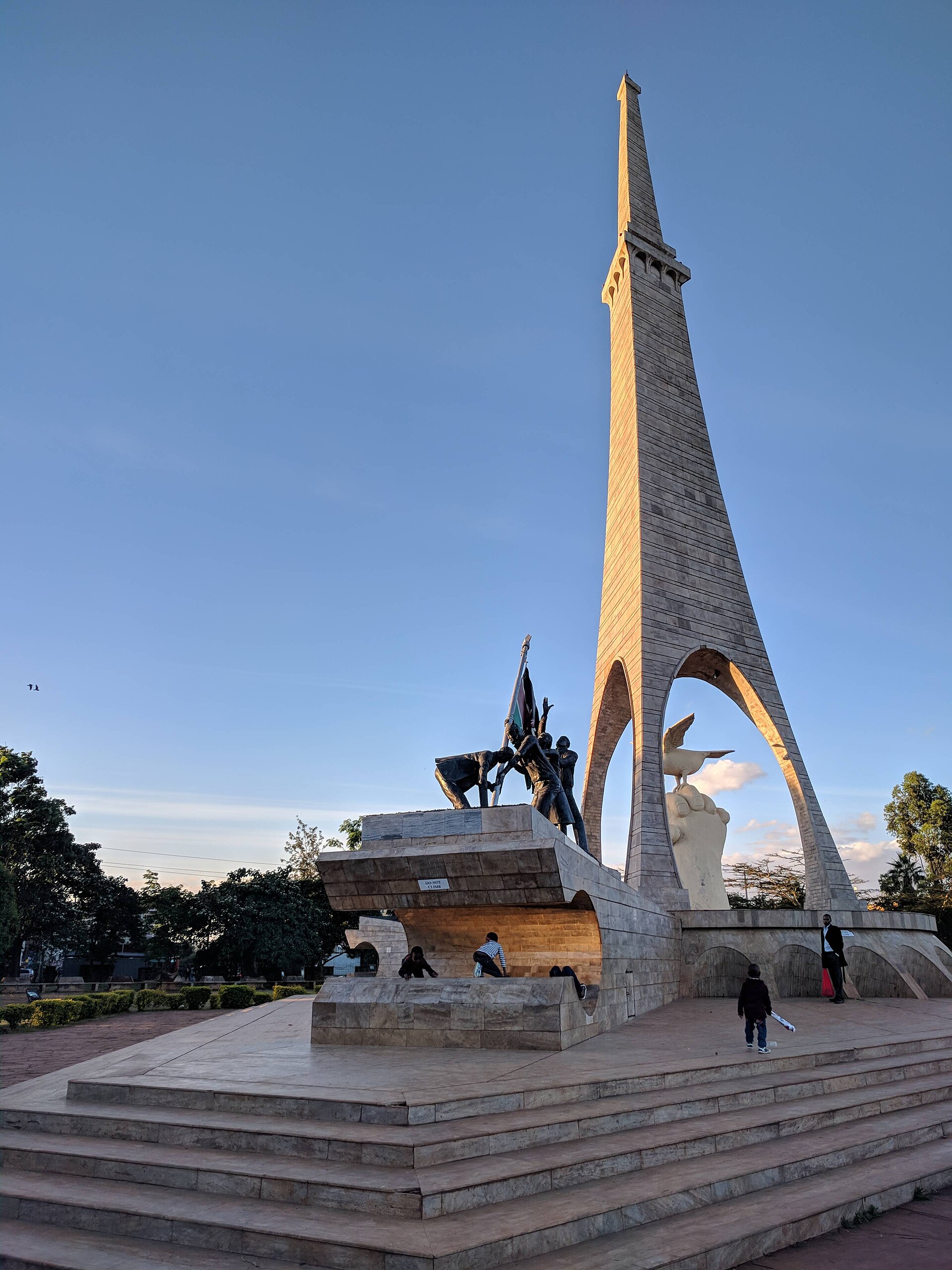
The Ivory Burning Site is a historic spot inside Nairobi National Park that the Kenya Wildlife Service (KWS) lists among the park's attractions. Kenya burned confiscated ivory in this park in 1989: Richard Leakey, then head of the wildlife department that preceded KWS, refused to sell the 12 tons of seized ivory, and President Daniel arap Moi set the pile alight. On 30 April 2016 President Uhuru Kenyatta set fire in the park to the largest pile of ivory ever destroyed: 105 tonnes of elephant ivory from about 8,000 elephants, plus 1.35 tonnes of rhino horn.
Checked 2026-11-10 · Source
The site lies inside Nairobi National Park, so the park's gate times apply. According to the Kenya Wildlife Service, the park gates open at 6:00 am and close at 6:00 pm, unless you are spending the night in the park, and visitors are asked to keep to the park entry and exit times. KWS also notes that visitors enter the park at their own risk and that its terms and conditions apply.
Checked 2026-11-10 · Source
The site is inside Nairobi National Park, and the Kenya Wildlife Service publishes these park entry rates: East Africa citizens KES 1,000 per adult and KES 500 per child; Kenya residents KES 1,350 per adult and KES 675 per child; African citizens USD 40 per adult and USD 20 per child; non-residents USD 80 per adult and USD 40 per child. KWS defines non-residents as foreigners visiting on a valid visa, and African citizens as nationals of African countries other than Kenya and the East African countries.
Checked 2026-11-10 · Source
The site is inside Nairobi National Park. The Kenya Wildlife Service places the park along Lang'ata Road, about 8 km from Nairobi's Central Business District, easily reached from Nyayo National Stadium along Lang'ata Road to just past the Langata Army Barracks. The airports KWS names for arriving by air are Jomo Kenyatta International Airport and Wilson Airport. Inside the park the maximum speed limit is 40 km/h (25 mph), and visitors must stay on established roads and trails; off-road driving is strictly prohibited.
Checked 2026-11-10 · Source
The Kenya Wildlife Service asks visitors to remain in their vehicles except in designated areas and to keep doors closed at all times. National parks are plastic-free, and single-use plastic is prohibited. Hooting and driving under the influence of alcohol are strictly prohibited, wildlife should be viewed from at least 20 metres, and feeding animals is not allowed. Use mobile phones and sound devices sparingly and only in designated areas, and carry out all trash. KWS recommends bringing clean drinking water, a camera, binoculars, sunscreen, insect repellent and sunglasses.
Checked 2026-11-10 · Source
In 1989, when President Daniel arap Moi burned twelve tons of ivory on a site within the park.
The gates open at 6:00 am and close at 6:00 pm, unless you are spending the night in the park.
USD 80 per adult and USD 40 per child.
It lies along Lang'ata Road, about 8 km from Nairobi's Central Business District.
Loading the interactive map…
The interactive map could not be loaded.
Last updated:
Source: OpenStreetMap contributors ·