
6 min walk
Carnivore
- Must see
- Restaurant or café
Nature site · Nairobi
Not recorded
Source · Checked 2026-08-31
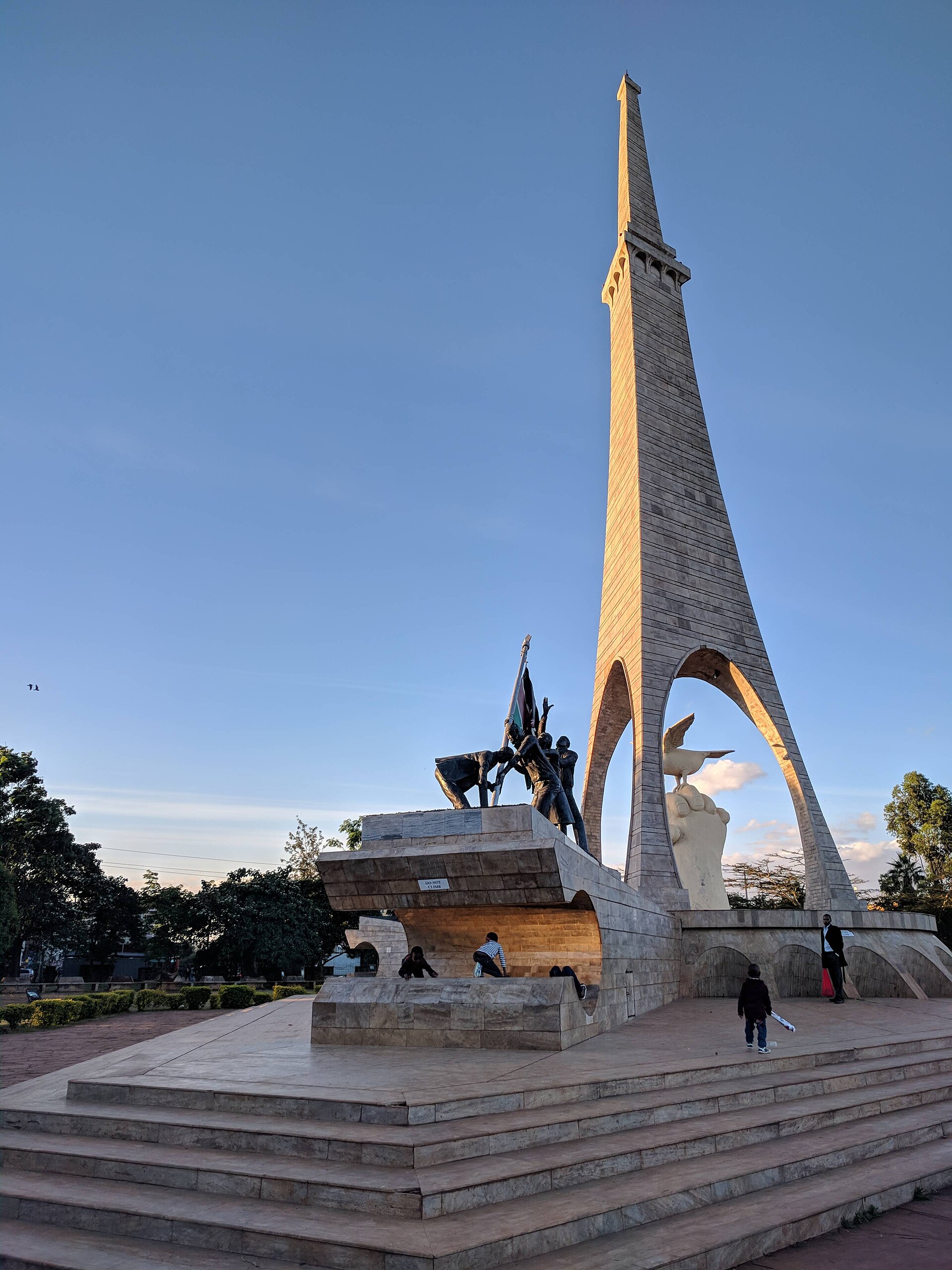
Uhuru Gardens National Monument and Museum is a public park and national monument in Nairobi, Kenya. It commemorates the spot where the Kenyan flag was first raised at independence in 1963. The site holds historical significance as the location of the formal ceremony marking Kenya's independence from British colonial rule. The grounds have been developed to include memorial elements and a museum facility. The space serves as both a recreational area for residents and a place of national remembrance for visitors seeking to understand Kenya's path to sovereignty.
Checked 2026-08-26
The monument grounds contain the independence monument and associated commemorative installations. A museum building presents historical exhibits related to Kenya's independence struggle and national heritage. The gardens themselves provide landscaped open space typical of urban parkland. Visitors should anticipate outdoor monument features alongside any indoor museum displays. The combination of memorial architecture, historical presentation, and green space defines the visitor experience at this nationally significant location.
Checked 2026-08-26
A thorough visit to Uhuru Gardens National Monument and Museum typically requires between ninety minutes and two and a half hours. This estimate allows time to walk the grounds, view the independence monument, and explore museum exhibits at a measured pace. Visitors with strong interest in Kenyan history may prefer the longer duration. Those combining the site with other Nairobi attractions might complete a meaningful visit in under two hours. Personal pacing and any special exhibitions or events would affect individual visit length substantially.
Checked 2026-08-26
Visitors should verify current opening times through official channels before planning attendance. Nairobi's climate features relatively consistent temperatures year-round, though two rainy seasons occur typically around April-May and October-November. Dry months generally offer more reliable conditions for outdoor monument viewing and garden walks. Morning hours typically provide cooler temperatures and softer light for outdoor appreciation. Weekend and public holiday patterns may affect visitor density and should be considered when scheduling a visit to this site of national significance.
Checked 2026-08-26
Visitors should verify current admission fees through official channels before arrival. The site may operate with differential pricing for residents versus non-residents, a common practice at Kenyan national monuments and museums. Some public monuments in Kenya maintain free access while associated museums charge separate entry fees. Any photography permits, guided tour supplements, or special exhibition charges would be additional costs. Budget-conscious travelers should confirm complete cost structures in advance to avoid unexpected expenditure at this national heritage site.
Checked 2026-08-26
Uhuru Gardens is located in Nairobi and accessible by road from central city areas. The site sits near Langata Road, a major thoroughfare connecting to other visitor destinations including Nairobi National Park. Private vehicle, taxi, or ride-hailing services represent practical access methods given limited reliable public transit information. Traffic congestion affects Nairobi travel times unpredictably, particularly during peak hours. Visitors should allow generous transit buffers. Wayfinding signage from major roads assists navigation. Those unfamiliar with Nairobi's road network may prefer driver services over self-navigation to this monument location.
Checked 2026-08-26
Urban park environments require standard visitor vigilance regarding personal belongings and surroundings. Nairobi's altitude approximately 1,795 metres may affect visitors unaccustomed to elevation. Sun exposure warrants protection during extended outdoor monument viewing. The combination of outdoor gardens and indoor museum spaces necessitates appropriate footwear and layered clothing preparation. Visitors should carry their own drinking water. Any construction, renovation, or event-related access restrictions would be announced locally. Verifying operational status before travel prevents disappointment at this site of national ceremonial importance.
Checked 2026-08-26
Visitors should observe posted signage and staff guidance regarding permitted camera use. National monuments and museums frequently impose restrictions on commercial photography, tripod deployment, or flash usage near sensitive exhibits. The outdoor independence monument and garden settings likely permit casual photography more liberally than indoor museum galleries. Drone operation would require specific authorization given the site's national significance. Respectful conduct during any ceremonial activities or visiting official delegations is essential. When uncertain, visitors should seek explicit permission before capturing images at this location of sovereign importance.
Checked 2026-08-26
Yes, the site commemorates where the Kenyan flag was first raised at independence in 1963.
Visitors should verify current fee structures through official channels.
Guided tour availability and scheduling should be confirmed with the operator.
Visitors should inquire directly about accessibility before attending.
Visitors should carry water and provisions.
The park and museum combination appears generally suitable for children.
Loading the interactive map…
The interactive map could not be loaded.
Last updated:
Source: OpenStreetMap contributors, Wikidata ·