


11 min walk
Pathway Hotel
- Notable
- Nightlife venue
Language · 11 published
Historic monument · Nairobi
Reviewed by Elena Voss · Roavina Travel Editor
| Monday | 06:00 – 18:00 |
|---|---|
| Tuesday | 06:00 – 18:00 |
| Wednesday | 06:00 – 18:00 |
| Thursday | 06:00 – 18:00 |
| Friday | 06:00 – 18:00 |
| Saturday | 06:00 – 18:00 |
| Sunday | 06:00 – 18:00 |
Parsed from OpenStreetMap opening hours on 2026-09-09.
This place is a Memorial.
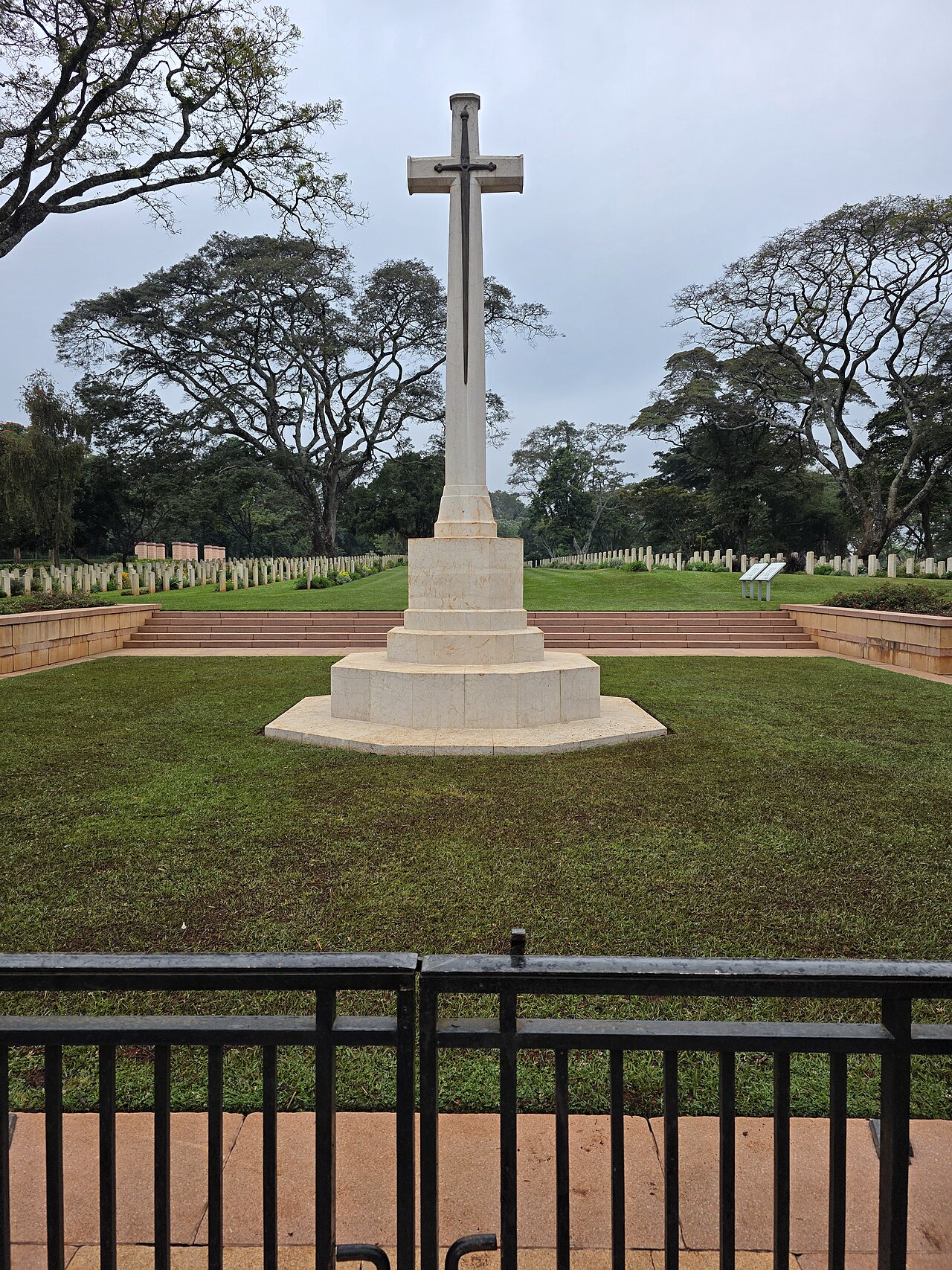
Nairobi War Cemetery is a Commonwealth War Graves Commission cemetery in Nairobi, Kenya. It is a quiet memorial landscape dedicated to military personnel who died during the Second World War in East Africa. Rows of graves bring the scale of the conflict into a human setting, while the carefully maintained grounds create space for reflection. The cemetery suits travelers interested in military history, remembrance, and Nairobi’s twentieth-century story. It is a contemplative stop rather than an entertainment attraction, so visitors should enter with a respectful pace and purpose. Nairobi War Cemetery is a Commonwealth War Graves Commission cemetery located in Nairobi, Kenya. It serves as a memorial landscape commemorating military personnel who died during the Second World War in East Africa. The cemetery is carefully maintained and represents a significant site for understanding the region's wartime history. It contains graves of service members from various Commonwealth nations who served in campaigns across East Africa during the conflict. Visitors should verify current opening schedules through official Commonwealth War Graves Commission channels before visiting.
Checked 2026-08-26 · Source
The cemetery contains individual headstones arranged in orderly rows across manicured lawns. Memorial architecture includes the Cross of Sacrifice, a familiar feature at Commonwealth War Graves Commission cemeteries. Trees, planted borders, and open grass frame the graves without competing with them. Service members from different Commonwealth nations are represented, reflecting the multinational character of wartime operations in East Africa. Walk slowly through the grounds, read inscriptions where appropriate, and notice how the regular layout gives each individual grave a place within the wider memorial.
Checked 2026-08-26 · Source
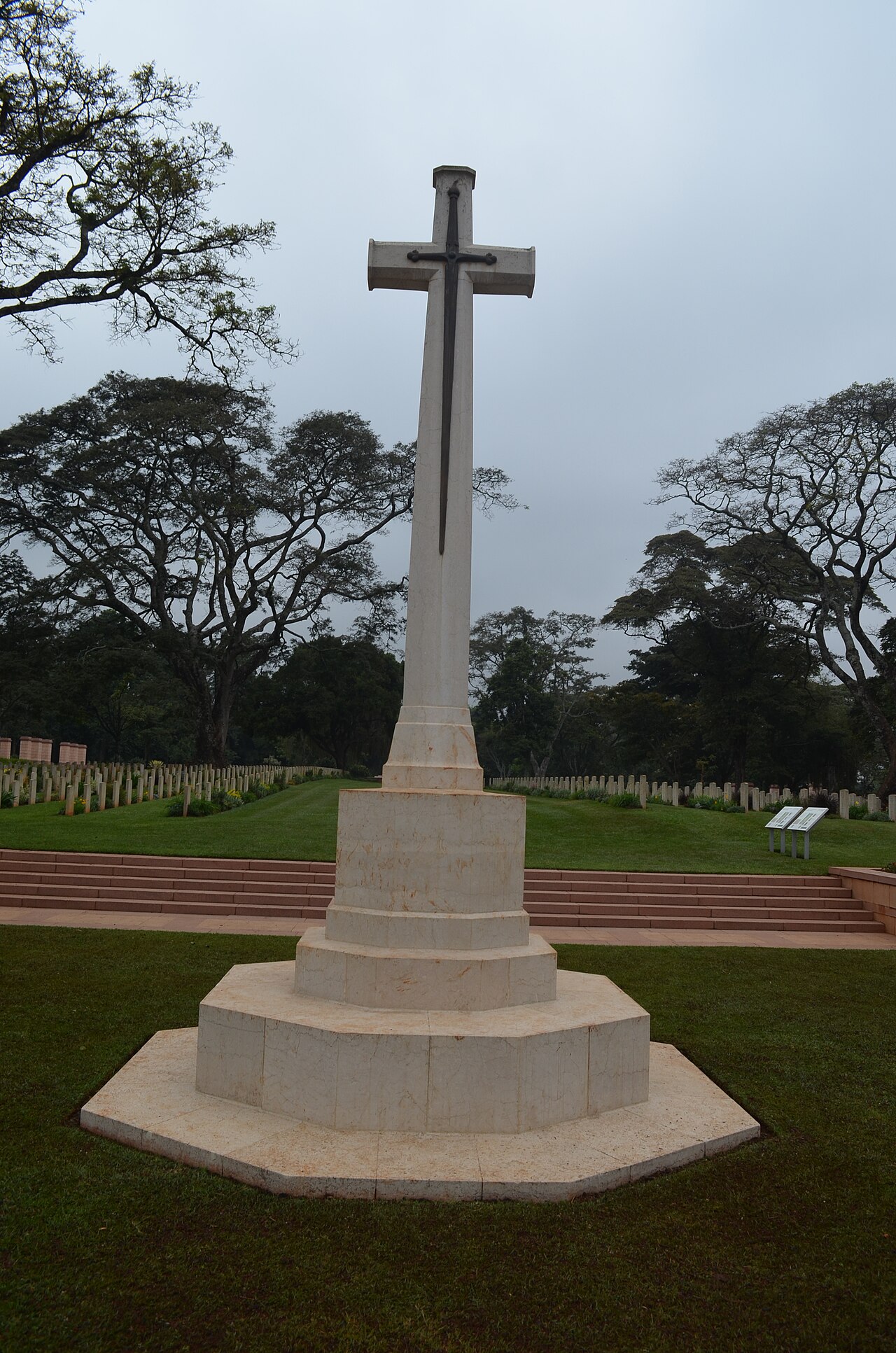
Allow around thirty minutes to one hour for a general visit. The grounds are compact enough for a complete walk, but the right length depends on how many inscriptions or family connections you want to explore. Travelers tracing a particular service member may need longer to locate and read the relevant grave. A quiet visit can also take more time than a quick sightseeing stop because the cemetery rewards pauses at the headstones, central memorial features, and landscaped edges.
Checked 2026-08-26 · Source
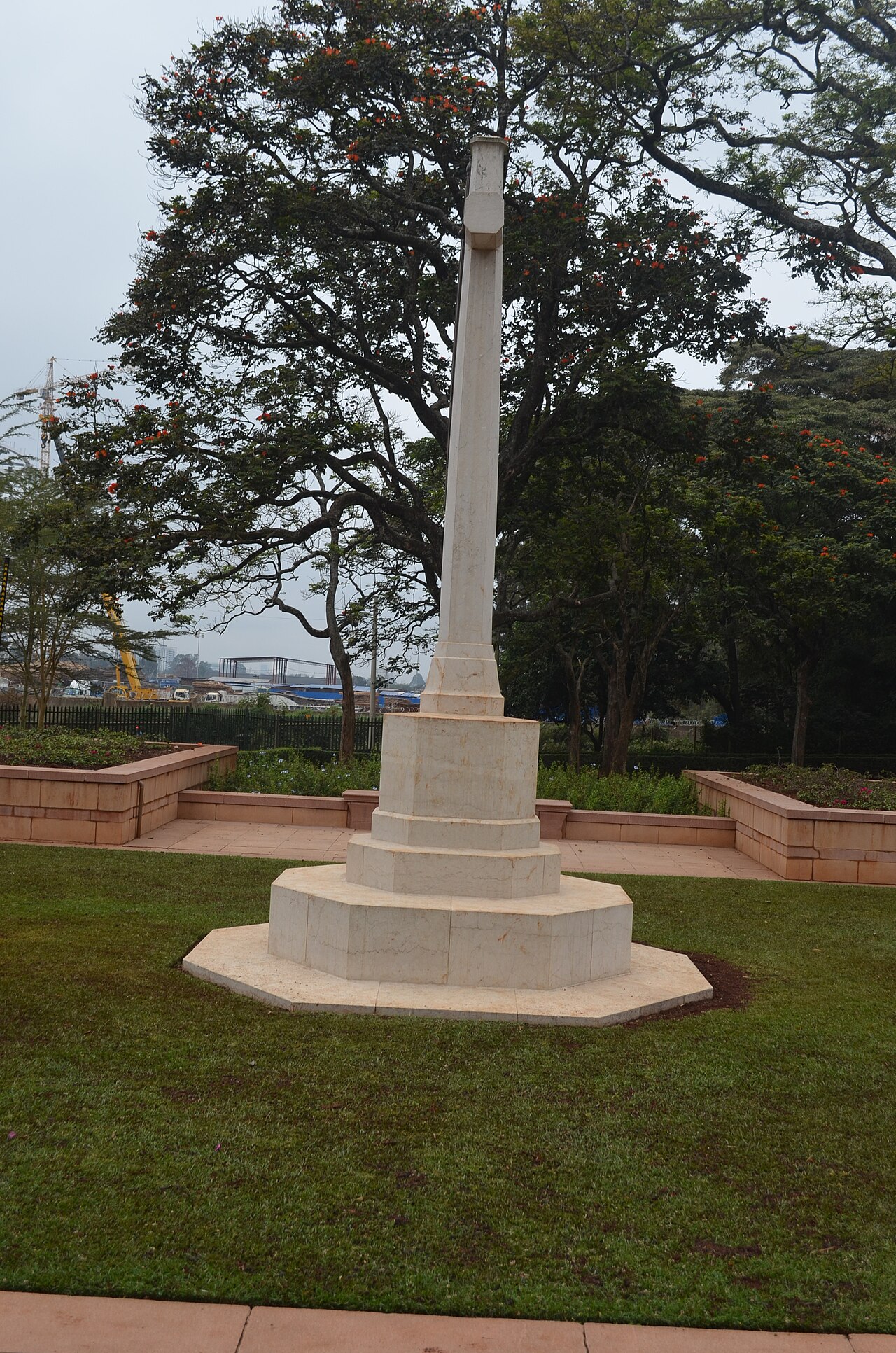
Morning is a comfortable time for a calm walk and can provide softer outdoor light. Nairobi’s rainy seasons commonly occur around April–May and October–November, so wet weather can change the feel of the lawns and paths. Drier periods are more convenient for outdoor viewing, although the cemetery’s significance does not depend on a particular season. Choose a time when you can move quietly and without rushing. Public holidays or commemorative occasions may bring a different atmosphere from an ordinary visit.
Checked 2026-08-26 · Source
The cemetery is a memorial site rather than a ticketed attraction, and the visit is suited to independent walking and reflection. There is no museum-style program described for the grounds. Travelers planning a formal group visit, ceremony, or research visit should organize their purpose before arrival and allow time to read the inscriptions respectfully. The most valuable part of the experience is the cemetery itself: the headstones, memorial architecture, names, dates, and carefully maintained setting.
Checked 2026-08-26 · Source
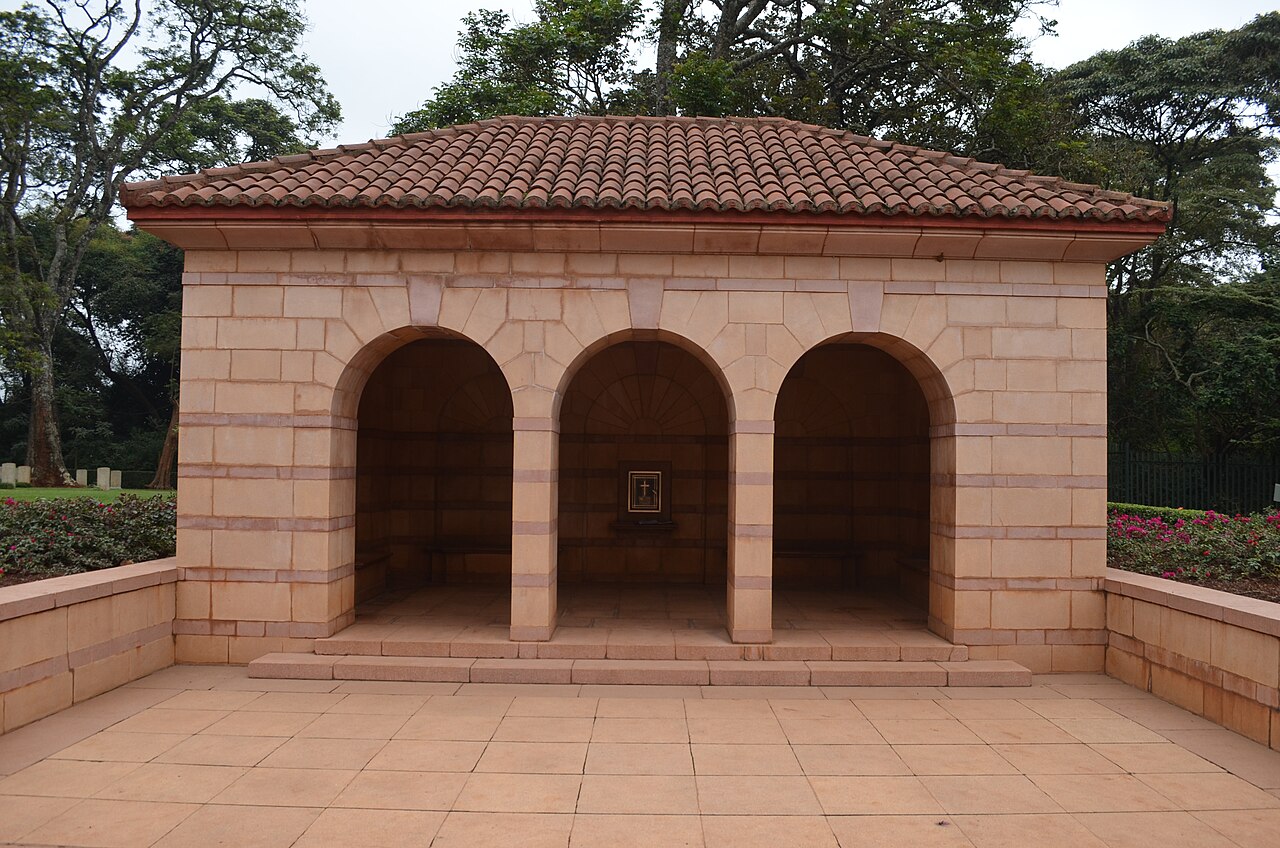
Nairobi War Cemetery is within Nairobi and can be reached as part of an urban sightseeing day. Ride-hailing services and taxis provide a direct option for travelers unfamiliar with the city. Matatus serve Nairobi’s wider network, though the practical route and final walking connection depend on the departure point. Traffic can make cross-city journeys slow, particularly at busy times. Plan the visit in daylight, use a current map for the final approach, and combine it with nearby Nairobi stops only when the overall route remains comfortable.
Checked 2026-08-26 · Source
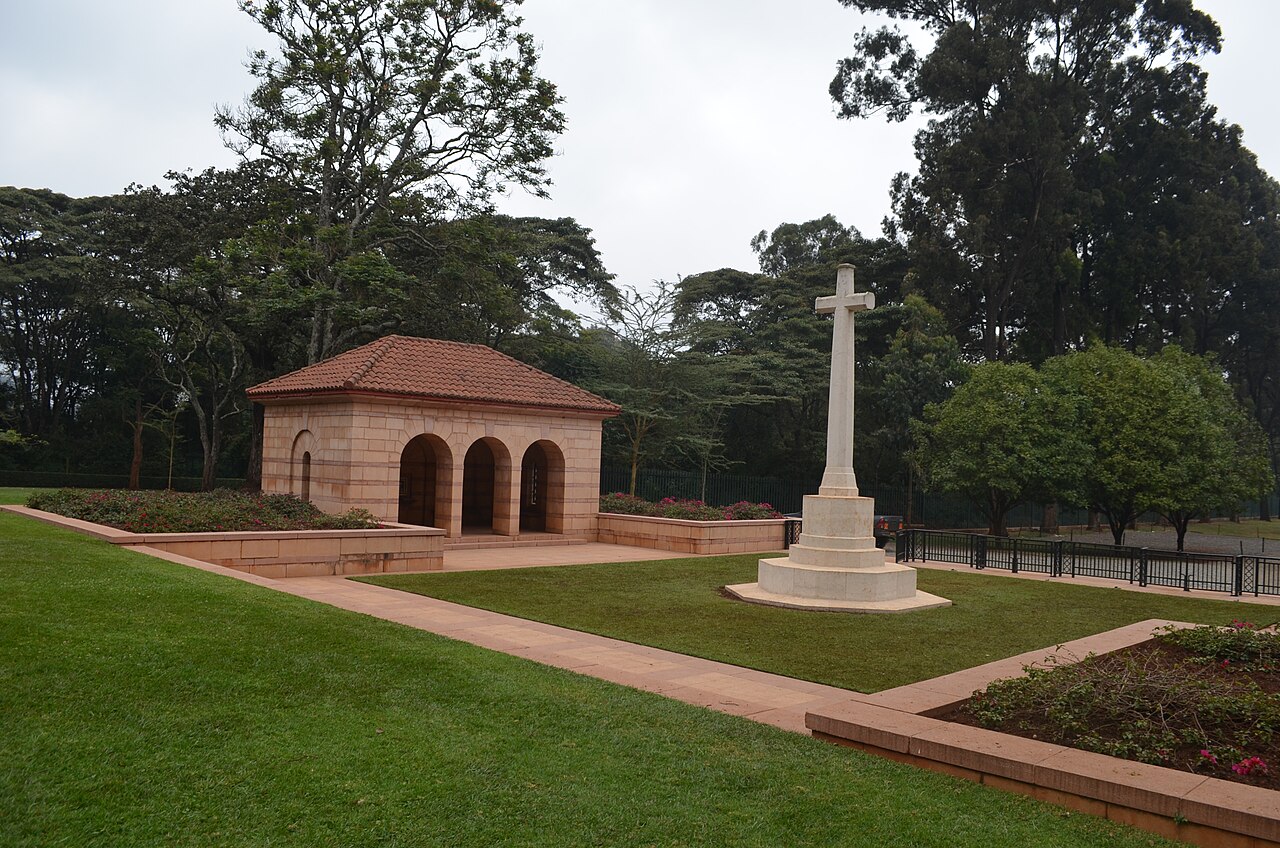
Treat the cemetery as a place of remembrance. Stay on established paths, leave headstones and planted areas undisturbed, and keep conversations quiet. Wear comfortable clothing for an outdoor walk, carry water, and protect yourself from Nairobi’s strong equatorial sun. Watch your belongings while traveling through the city and around arrival points. Uneven ground or wet grass can affect footing. Children should remain close to accompanying adults, especially while moving between rows of graves and memorial features.
Checked 2026-08-26 · Source
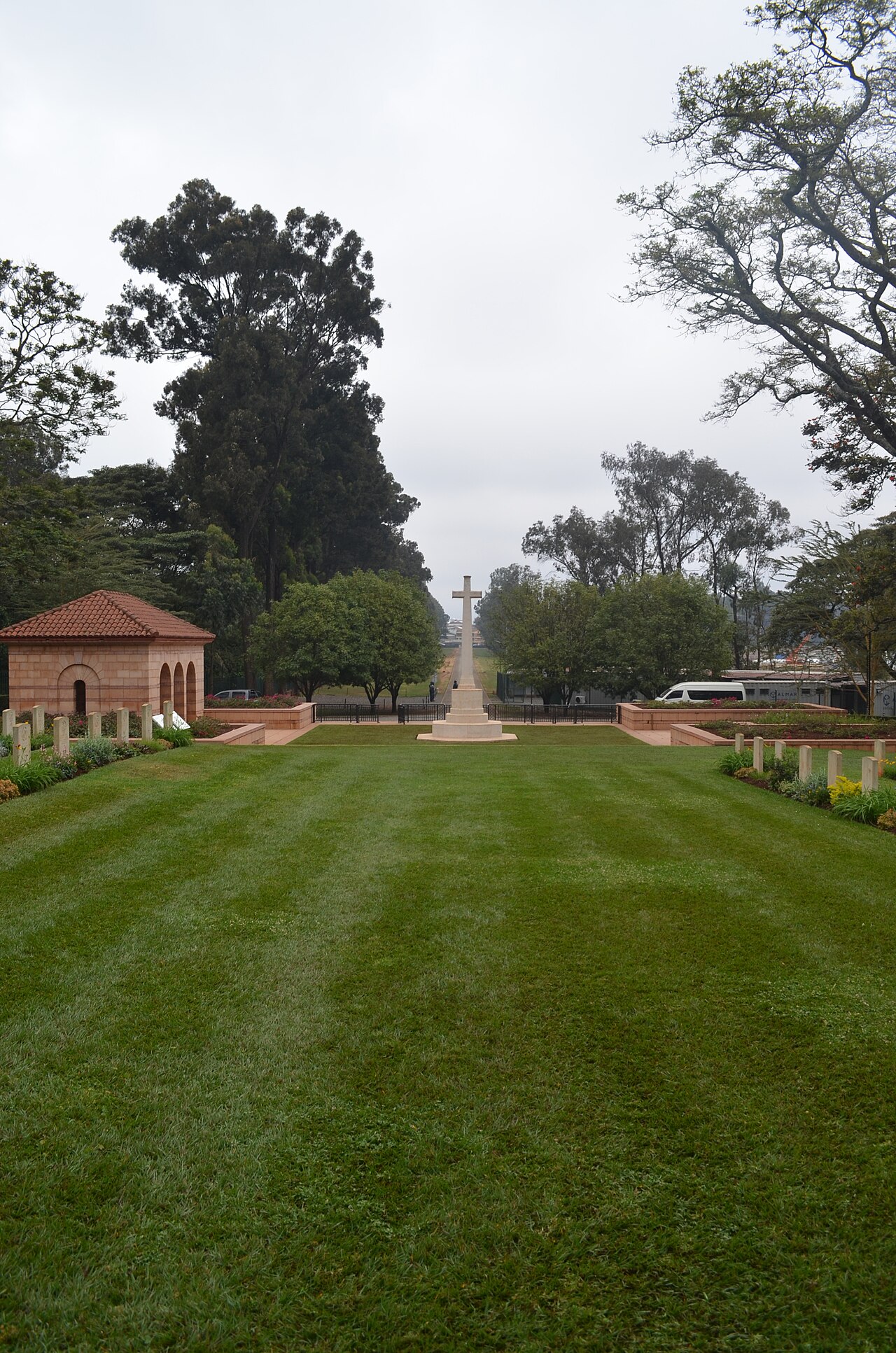
Personal photography can help preserve the memory of a visit, but the setting calls for restraint. Photograph the landscaped composition and memorial architecture without disrupting other visitors. If you photograph an individual headstone, frame it carefully and avoid treating the grave as a decorative prop. Do not touch markers or plants for a better image. Keep equipment unobtrusive, avoid flash when it is unnecessary, and leave any professional, commercial, or drone work outside the ordinary visit unless permission has been arranged.
Checked 2026-08-26 · Source
It commemorates military personnel who died during the Second World War in East Africa and contains graves representing several Commonwealth nations.
You can walk among orderly rows of individual headstones, manicured lawns, planted borders, and the Cross of Sacrifice memorial feature.
Allow about thirty minutes to one hour for a general walk, with extra time if you are reading many inscriptions or tracing a particular grave.
Yes. Its maintained lawns, orderly headstones, and memorial architecture create a calm setting for reflection and remembrance.
Yes. It is an urban Nairobi stop that can be combined with other places when traffic and the route between stops allow enough time.
Walk quietly, stay on paths, do not touch graves or plants, and take photographs in a restrained way that respects the memorial setting and other visitors.
Loading the interactive map…
The interactive map could not be loaded.
Last updated:
Source: OpenStreetMap contributors, Wikidata ·