.jpg)
2 min walk
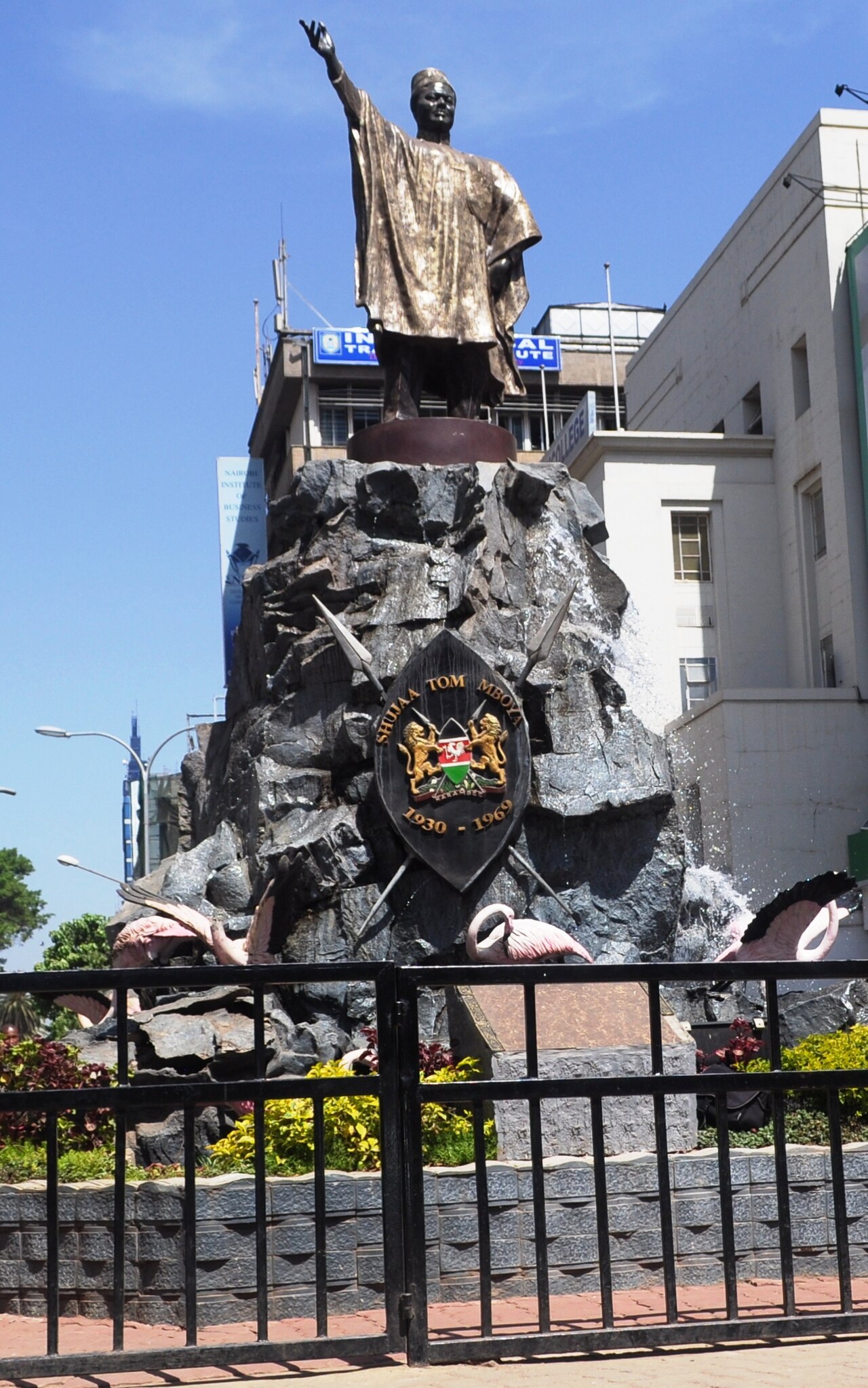
Tom Mboya Monument
- Must see
- Art and culture venue
Language · 11 published
Art and culture venue · Nairobi
Reviewed by Elena Voss · Roavina Travel Editor
This place is a Artwork.
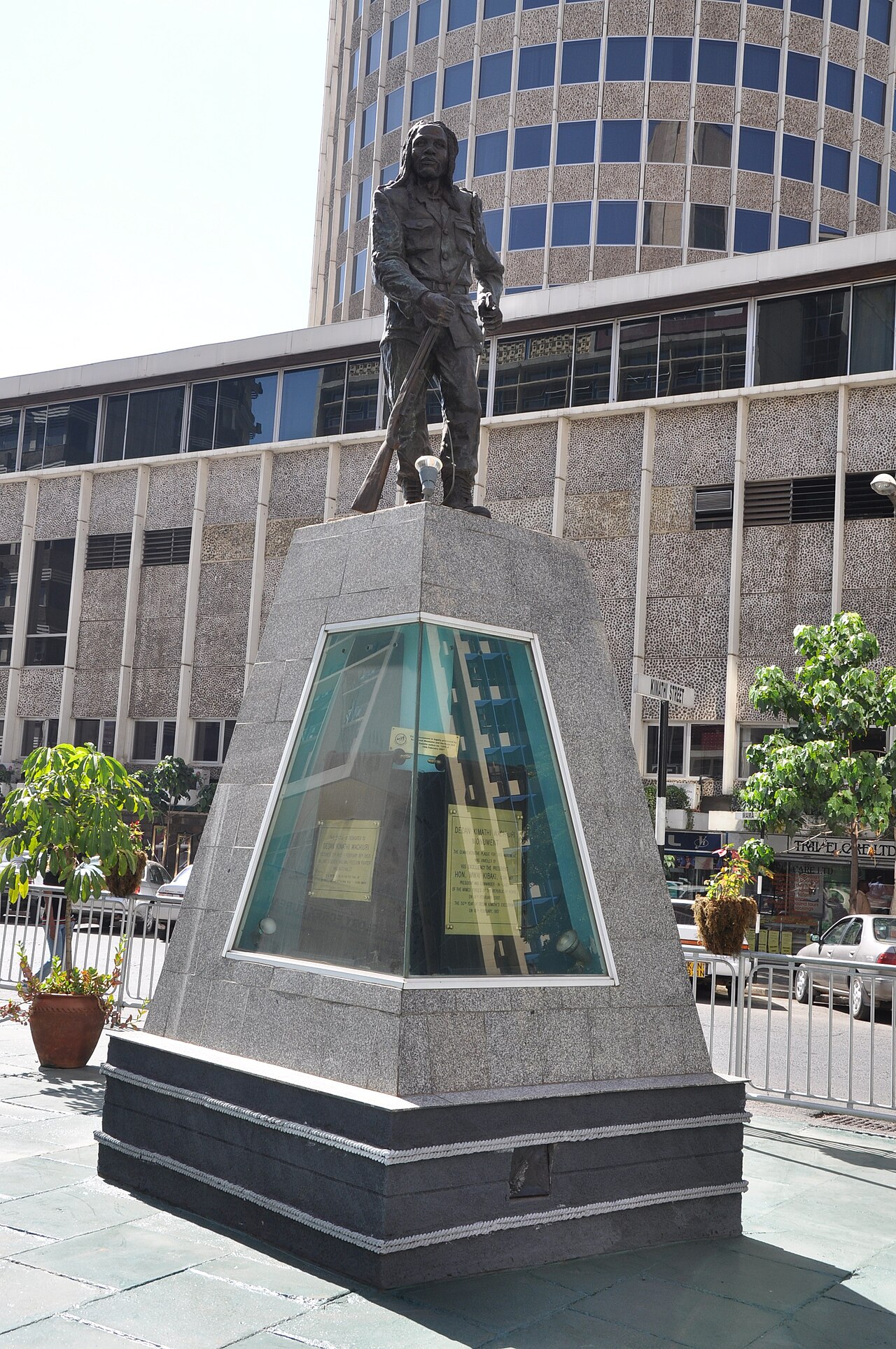
Dedan Kimathi Statue is a public memorial on Kimathi Street in Nairobi’s Central Business District. It commemorates Dedan Kimathi, a leading figure in Kenya’s Mau Mau uprising and independence struggle. The monument places this national history directly within a busy commercial neighbourhood, where offices, shops and pedestrians continue their daily routines around it. It is best understood as a brief historical stop during a central Nairobi walk, especially for travellers interested in Kenya’s path toward independence and the people associated with it. The Dedan Kimathi Statue is a prominent memorial located on Kimathi Street in Nairobi's Central Business District. It honours Dedan Kimathi, the celebrated leader of the Mau Mau uprising against British colonial rule in Kenya. The statue stands as a significant symbol of Kenya's independence struggle and is an essential stop for visitors interested in understanding the nation's liberation history. Positioned in a busy commercial area, it integrates historical commemoration into everyday urban life. A flexible visit lets travellers connect Dedan Kimathi Statue with the rest of the day without treating one room, viewpoint or photograph as the whole experience.
Checked 2026-08-26 · Source
There is no indoor exhibition building at this site. The monument presents a full-length figure of Dedan Kimathi in military clothing, holding a rifle and traditional weaponry, above street level on a raised pedestal. The surrounding experience is the Central Business District itself: Kimathi Street, commercial buildings, shops, traffic and the everyday movement of Nairobi. Read the statue as a civic landmark rather than a museum visit, with its meaning coming from the person commemorated and the urban setting around him.
Checked 2026-08-26 · Source
Allow about fifteen to thirty minutes for the statue. That gives enough time to view the figure from different angles, read any visible inscription and pause over its connection to Kenya’s independence history. The stop works well between other central Nairobi sights, shopping streets or a meal. Travellers with a strong interest in Dedan Kimathi or the Mau Mau period may stay longer for reflection and photography, but the monument does not require a long structured visit.
Checked 2026-08-26 · Source
Daylight is the most practical time to visit because the statue’s details are easier to see and Kimathi Street is easier to navigate. The monument is an outdoor public landmark in an active commercial district, so a visit during the daytime also fits naturally with a central-city walking route. Plan around the wider rhythm of Nairobi’s streets: traffic and pedestrian activity form part of the setting, while rain or strong sun can make a short exposed stop less comfortable.
Checked 2026-08-26 · Source
The statue is an outdoor civic monument on a public street, so there is no controlled museum entrance or ticketed visitor route described for the site. Treat it as a free stop that can be viewed while walking through Nairobi’s Central Business District. The main planning consideration is time rather than admission: pair the memorial with nearby central streets and allow a short pause for observation, historical reflection and photographs from the public approach.
Checked 2026-08-26 · Source
The statue stands on Kimathi Street in Nairobi’s Central Business District. Reach the central area by bus, matatu, taxi or ride-hailing service, then continue on foot through the CBD. Its position on a recognised city thoroughfare makes it suitable for a walking itinerary from nearby hotels, shops and other central landmarks. Nairobi traffic can slow vehicle journeys, while busy pavements require attentive pedestrian movement. Use the statue’s raised figure and Kimathi Street setting as visual wayfinding cues.
Checked 2026-08-26 · Source
This is a street monument with no enclosed shelter, so carry suitable protection for Nairobi’s sun or rain. Kimathi Street is a busy urban environment: watch vehicle movements when approaching or photographing, and keep personal belongings secure in crowded areas. Leave room for pedestrians and avoid obstructing the pavement. The memorial honours a major figure in Kenya’s liberation history, so quiet, respectful behaviour is appropriate even though the statue stands amid ordinary commercial activity.
Checked 2026-08-26 · Source
The raised pedestal makes it possible to frame the entire statue against the Central Business District. Photograph from a safe position on the pavement, keeping clear of traffic and other pedestrians. Wider views can show how the memorial sits within Kimathi Street’s commercial surroundings, while closer views emphasise the figure, rifle and traditional weaponry. Use a respectful approach to the subject: this is a national memorial, not merely a decorative streetscape, and the surrounding public space remains active.
Checked 2026-08-26 · Source
It commemorates Dedan Kimathi, a prominent leader of Kenya’s Mau Mau uprising and independence struggle.
The statue stands on Kimathi Street in Nairobi’s Central Business District.
It depicts Dedan Kimathi in military clothing, holding a rifle and traditional weaponry on a raised pedestal.
A visit of about fifteen to thirty minutes is suitable for viewing the monument and its urban surroundings.
No. It is an outdoor street monument without an enclosed exhibition space.
The memorial is surrounded by Nairobi CBD streets, commercial buildings, shops, traffic and everyday pedestrian activity.
Loading the interactive map…
The interactive map could not be loaded.

Last updated:
Source: OpenStreetMap contributors ·