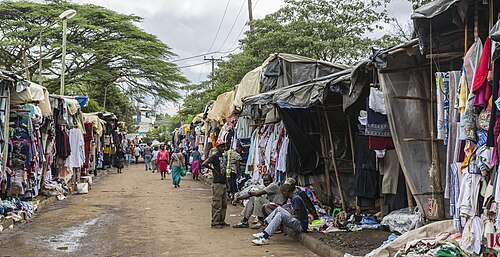
Maasai market
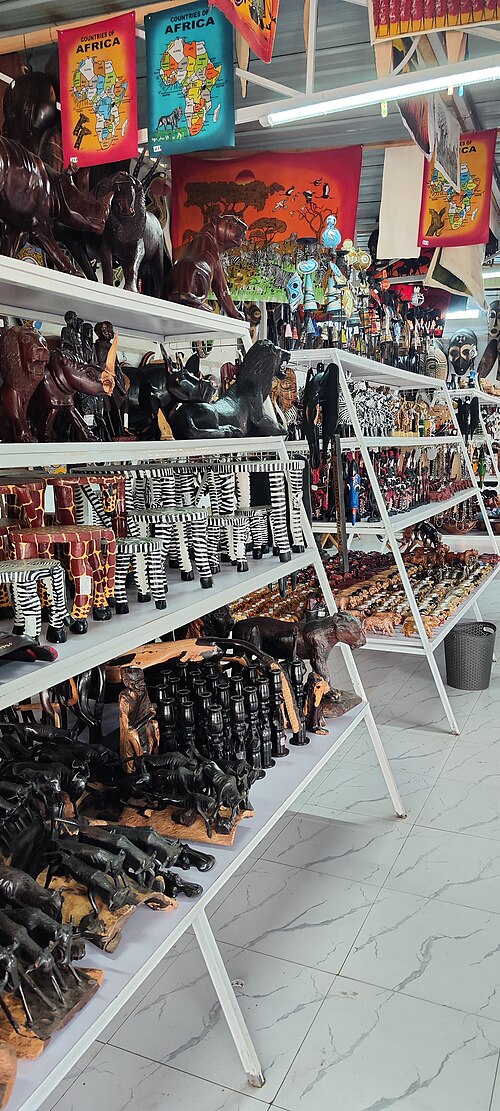
Maasai Market is an open-air market in Nairobi known for Maasai handicrafts and cultural goods. It operates as a rotating market, shifting location across different neighbourhoods on different days of the week.
- Must see
- Market
Language · 11 published
City guide · Kenya
Nairobi combines a dense central business district with major visitor areas spread south and west across the metropolitan edge. The National Museum and central civic sites can share one route, while Karen and Langata contain a separate group of museums, wildlife centres and cultural venues. Nairobi National Park forms another large southern zone. Grouping these areas prevents repeated crossings through traffic and makes early wildlife entry times easier to manage.
Reviewed by Elena Voss · Roavina Travel Editor
Set your days, your pace and the hours you actually want to be out. The planner works around closing days and travel time, and leaves room to eat.
Ranked by importance — sitelinks, pageviews and heritage status, not editor preference.
11 places match
Category
Typical visit duration
Interests
Maasai Market is an open-air market in Nairobi known for Maasai handicrafts and cultural goods. It operates as a rotating market, shifting location across different neighbourhoods on different days of the week.
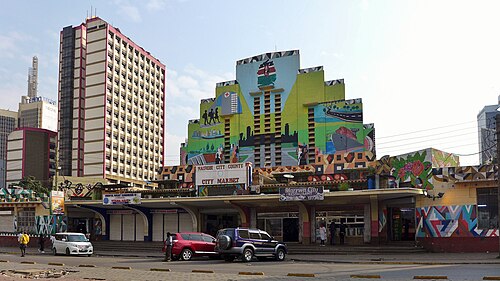
City Market
Nairobi City Market is a historic trading hall in the Central Business District of Nairobi. Established during the colonial era, it remains part of the city’s commercial and architectural identity.
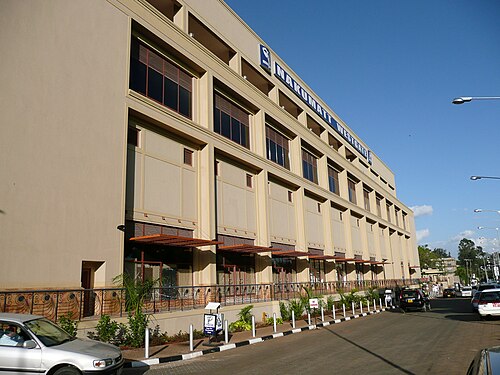
Westgate Shopping Mall
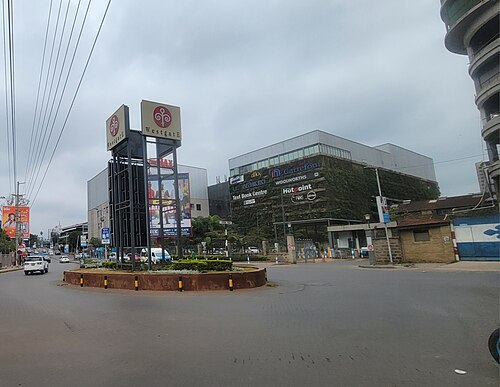
Westgate Shopping Mall is a major retail and leisure complex in Westlands, Nairobi. It is useful for travellers who want shopping, restaurants, and an urban break within the city.
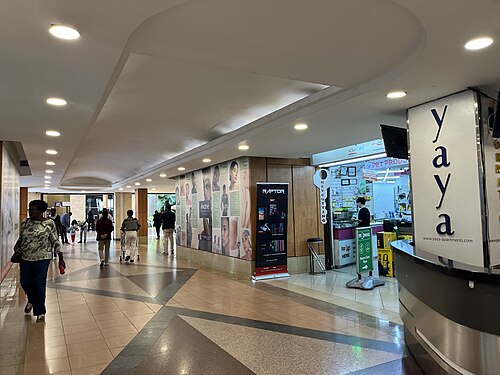
Yaya Centre is a shopping, dining, and services complex in Nairobi’s Kilimani neighbourhood. It gives travelers a practical look at everyday urban life in one of the city’s established residential and commercial districts.
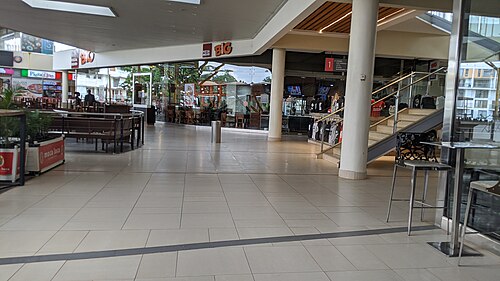
Garden City Mall is a modern shopping, dining, and recreation complex in Nairobi. It suits travellers who want an easy urban stop with several types of activity in one setting.
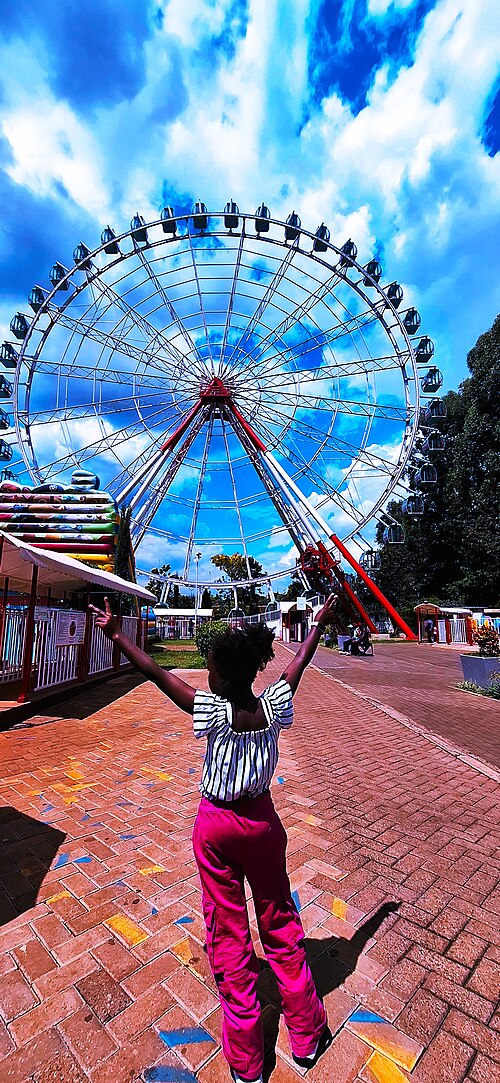
Two Rivers Mall is a large retail and leisure complex in northern metropolitan Nairobi. It combines shopping, dining and entertainment in one family-oriented destination, making it useful when a day needs a change from museums, monuments or outdoor sightseeing.
Sarit Center
Sarit Centre is a major shopping, dining and entertainment complex in Nairobi’s Westlands district. Its long presence has made it a familiar landmark and a practical destination for visitors who want several urban activities in one place.
The Hub Karen
The Hub Karen is an open-air retail and dining complex situated in the Karen suburb of southern Nairobi.
Gikomba Market is Nairobi’s vast flea and second-hand market, where clothing, repairs, household goods, produce and everyday trade converge. It offers a direct view of the city’s commercial energy rather than a curated attraction designed around visitors.
Toi Market is an extensive open-air market located along Ngong Road in Nairobi, Kenya. It serves as a major local commercial hub where traders and shoppers converge daily.
Kenyatta Market is a busy neighbourhood market in Nairobi where residents gather for food, personal services and everyday shopping. It is especially associated with nyama choma, the Kenyan tradition of grilled meat, and also contains many salons and tailoring businesses.
Source: OpenStreetMap contributors, Wikidata ·
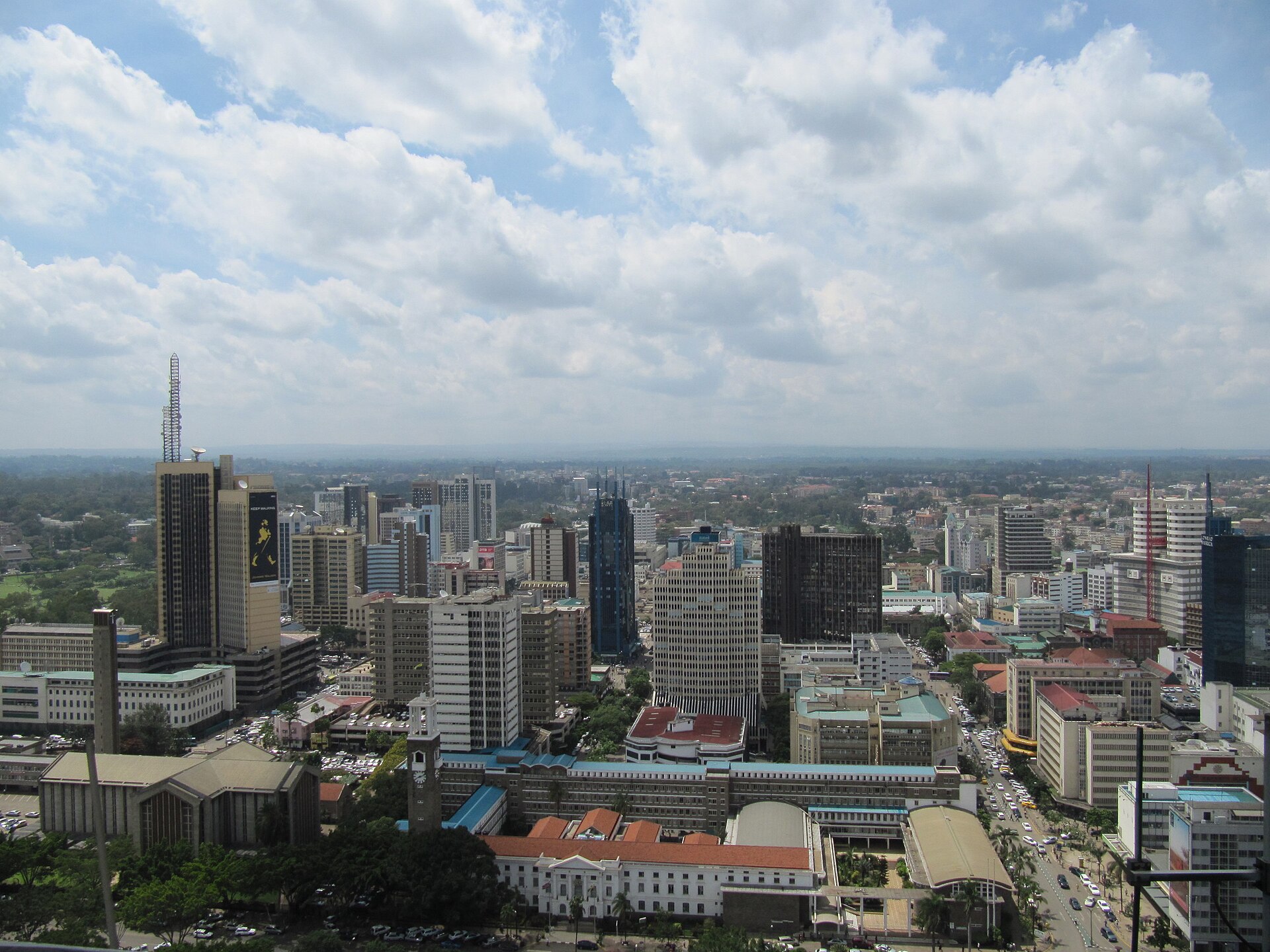
The central business district contains City Market, the National Archives and civic landmarks. Westlands sits northwest with hotels, dining and access toward Karura Forest. Karen and Langata lie southwest and hold the Karen Blixen Museum, Giraffe Centre, Bomas of Kenya and conservation sites. Nairobi National Park stretches along the southern edge near Wilson Airport. These zones are connected by busy arterial roads, not one continuous visitor centre.
Checked 2026-08-26
Nairobi City County identifies buses and matatus as the most common public transport, alongside car rental and other road options. Walk only within a defined central or neighbourhood cluster, then use planned road transport between the CBD, Westlands, Karen, Langata and the national park. Route numbers and destinations are displayed on matatus, but visitors with timed entries or luggage should allow generous transfer time and confirm the return journey.
Checked 2026-08-26
No fixed stay length is recorded. Plan separate blocks for the central city, Karen and Langata, Nairobi National Park, and any northern or western nature area.
It is possible, but the park is a large southern zone with timed wildlife activity and road transfers. Treat it as a dedicated block rather than a quick central stop.
Nairobi City County lists buses and matatus as common public transport and also describes car rental. Choose transport according to distance, timing, luggage and return needs.
The Karen Blixen Museum, Giraffe Centre, Bomas of Kenya and nearby conservation venues sit in the same broad southwestern part of Nairobi.
No. The central district contains important museums and civic landmarks, but many defining wildlife, conservation and cultural visits lie in Karen, Langata or the national park zone.