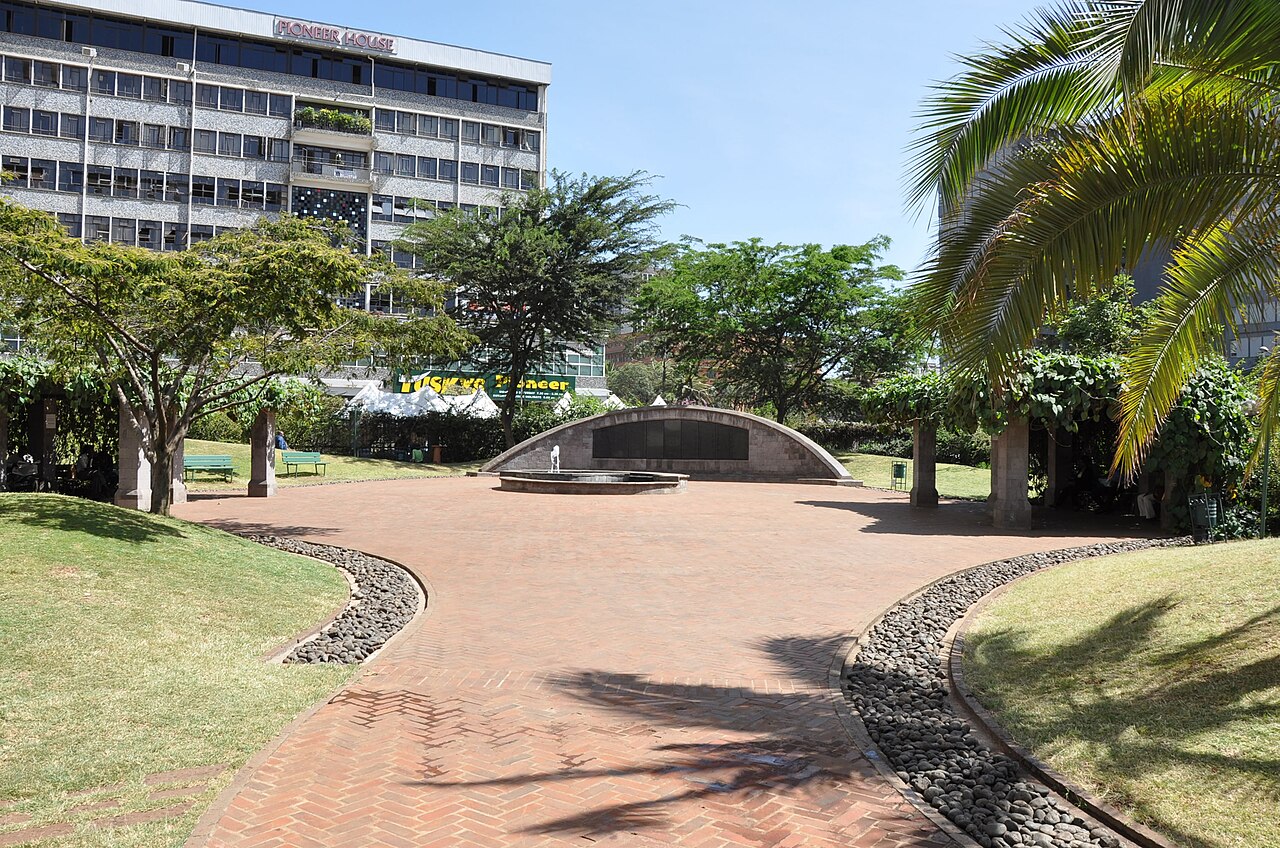
21 min walk
August 7th Memorial Park, Kenya
- Must see
- Historic monument
Language · 11 published
Market · Nairobi
Reviewed by Elena Voss · Roavina Travel Editor
This place is a Marketplace.
Gikomba Market is Nairobi’s vast flea and second-hand market, where clothing, repairs, household goods, produce and everyday trade converge. It offers a direct view of the city’s commercial energy rather than a curated attraction designed around visitors. The market is sprawling and open-air, with activity spread through dense trading areas and narrow routes. Come for the intensity of buying and selling, the variety of goods and the chance to see an important part of Nairobi’s daily economy at close range. Gikomba Market is Kenya's largest flea and second-hand market, serving as a major commercial hub in Nairobi. The market provides an intense view of the city's trade, repair, clothing, and everyday commerce. It operates as a sprawling open-air marketplace where vendors and buyers converge for diverse transactions. Visitors should expect a dynamic, unregulated environment characteristic of large African urban markets. Visitors should exercise elevated caution due to crowd density, limited formal security presence, and reported pickpocketing risk. Traveling in groups, securing valuables, and maintaining awareness of surroundings are prudent measures.
Checked 2026-08-26 · Source
Expect tightly packed stalls and pathways carrying second-hand clothing, textiles, hardware, household items and fresh produce. Repairers work on electronics, shoes and other practical goods, while food sellers serve the people who trade and shop there. The layout grows from commerce rather than from a visitor map, so neighbouring stalls can feel visually and functionally different. The market rewards slow observation: look at how goods are displayed, repaired, moved and negotiated across the trading environment. The market contains a vast array of goods and services. Clothing dominates significant portions, with second-hand garments sold in bulk and individually.
Checked 2026-08-26 · Source
Allow one to three hours, depending on whether you are observing, shopping or searching for a particular item. A first-time walk through key areas can take sixty to ninety minutes, while detailed browsing and price discussions require longer. Movement slows when paths are crowded, and orientation takes time because the market is expansive and organically arranged. Keep the route flexible, with enough margin to pause at stalls without turning the visit into a rushed crossing of the market.
Checked 2026-08-26 · Source
Daylight is the practical period for exploring an open-air market and reading the goods on display. Early morning is particularly active as wholesalers and retailers begin their trading, while midday can bring dense crowds and slower movement. Weather directly affects comfort because much of the experience is outdoors. A dry day makes walking between stalls easier, but the market’s commercial rhythm remains the main reason to choose a time: go when you want to see trade at its most active.
Checked 2026-08-26 · Source
Gikomba Market is a public commercial space rather than a ticketed attraction, so the visit centres on browsing and buying rather than admission. Prices belong to individual transactions, with negotiation forming part of the market experience. Carry Kenyan shillings in small denominations for practical purchases and easier bargaining. Inspect clothing, electronics, shoes and household items carefully before paying. There is no single standard price list across the market; each stall and item creates its own conversation.
Checked 2026-08-26 · Source
The market lies in Nairobi’s central urban area and is reached through the city’s matatu and bus network, taxi services or motorcycle taxis serving the surrounding streets. Private vehicles are less convenient because congestion and limited informal parking can complicate arrival. Walking from central accommodation may be possible for confident pedestrians, but the approach is an active city environment. Arrange a clear drop-off point and keep the final walk focused, since market routes are busy and compact.
Checked 2026-08-26 · Source
Crowded lanes create a real risk of losing contact with companions and make pickpocketing easier, so carry valuables securely and avoid displaying expensive equipment. Watch each step around uneven surfaces, drainage channels and debris. Vendor approaches can be persistent; a firm, courteous response keeps the interaction clear. Examine goods for condition and authenticity before purchase, especially electronics and branded items. Food areas vary in presentation, so choose carefully. Wear practical shoes and leave room for slow movement through dense passages.
Checked 2026-08-26 · Source
Photography needs sensitivity because Gikomba is a workplace where people are trading, repairing and earning a living. Ask before making an identifiable person the subject, and seek permission when focusing on a vendor, stall or merchandise display. Keep equipment discreet in crowded passages and avoid blocking buyers or sellers. A wide, respectful scene can convey the market’s scale without singling people out. Do not use a drone in this dense urban trading environment; ground-level observation is more appropriate.
Checked 2026-08-26 · Source
The market sells second-hand clothing, textiles, hardware, household goods, fresh produce and miscellaneous everyday items, with repair services also operating there.
Yes. Kenyan shillings in small denominations are practical for individual purchases and negotiations with vendors.
Negotiation is part of the market’s buying experience, with prices discussed directly between shoppers and individual vendors.
Allow one to three hours, depending on whether you are observing, shopping or searching for particular goods.
Daylight is the practical period, with early morning offering especially active wholesale and retail trading.
Wear practical shoes and clothing suited to crowded outdoor paths, uneven surfaces and changing weather.
Loading the interactive map…
The interactive map could not be loaded.

Last updated:
Source: OpenStreetMap contributors ·