.jpg)


3 min walk
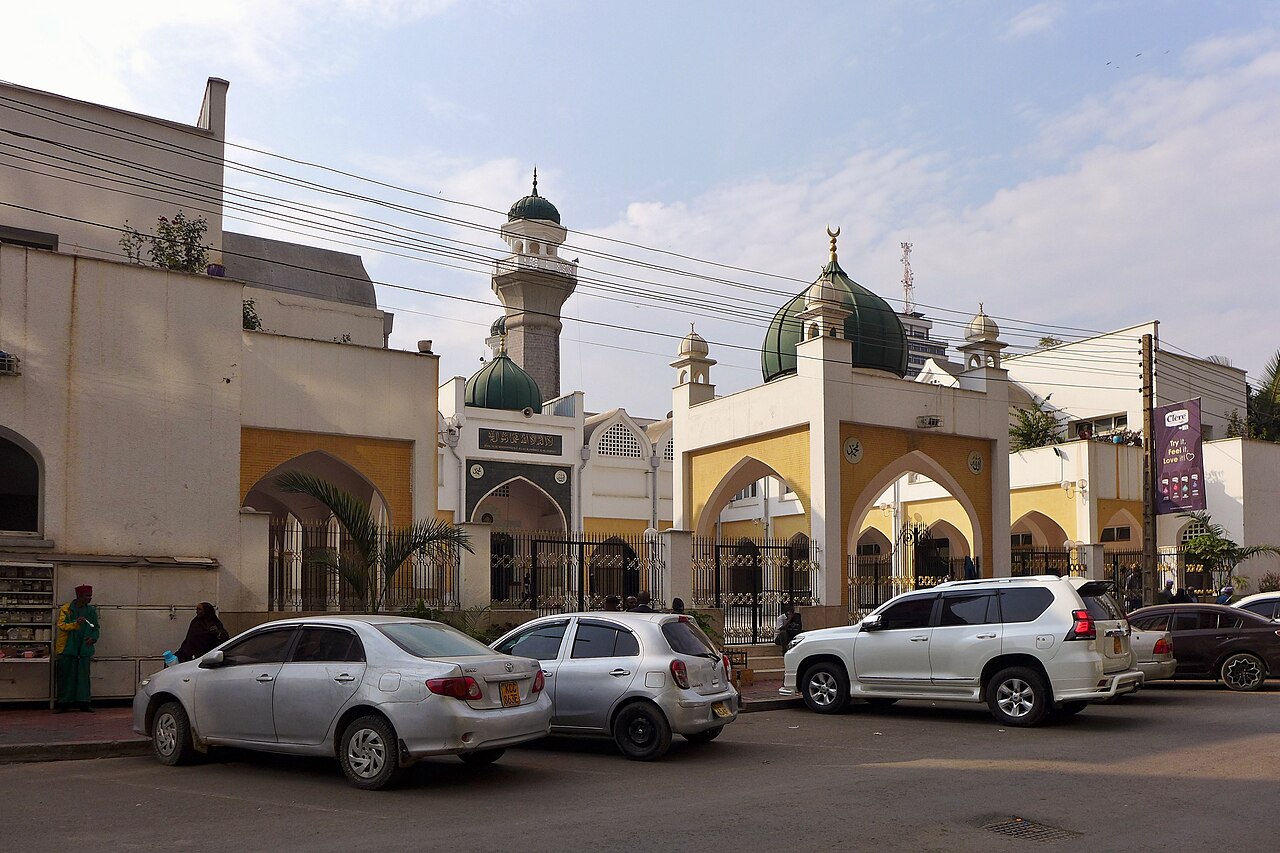
Khoja Mosque
- Must see · Heritage site
- Place of worship
Language · 11 published
Nature site · Nairobi
Reviewed by Elena Voss · Roavina Travel Editor
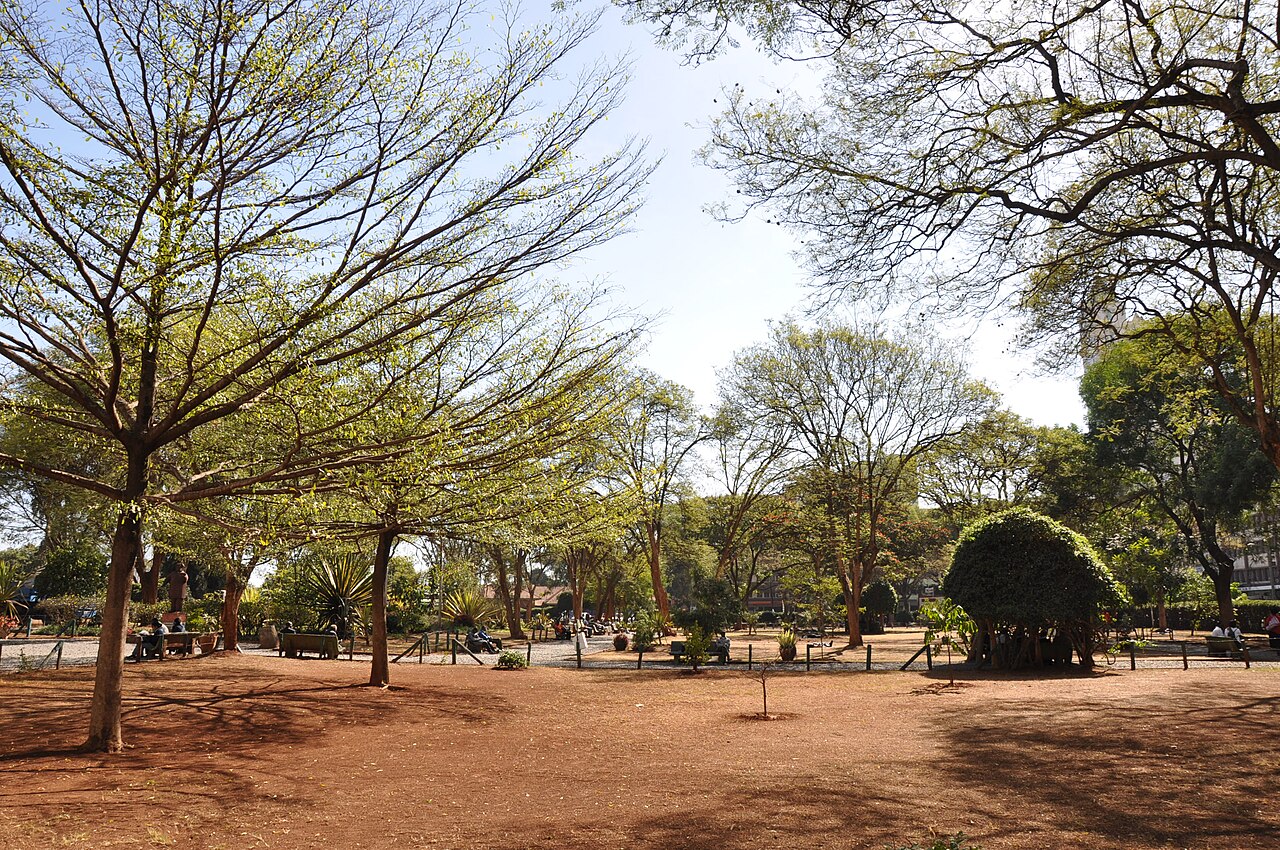
This place is a Park.
Jeevanjee Gardens is a central public garden in Nairobi and one of the city’s established civic green spaces. It was created through a donation by Alibhai Mulla Jeevanjee in the early twentieth century. Today, the gardens offer a pause from nearby commercial streets, with a public character shaped by everyday Nairobi life. Visit for greenery, open space, informal rest, and the historical story attached to its name. Jeevanjee Gardens is a central public garden in Nairobi, Kenya. Established through a donation by Alibhai Mulla Jeevanjee in the early twentieth century, it represents one of the city's oldest civic green spaces. The gardens function as an accessible landmark within the urban core, offering open ground for residents and visitors seeking respite from surrounding commercial activity. Its historical significance derives from both the philanthropic origins of its creation and its sustained role as communal land amid Nairobi's subsequent development. The site maintains recognition as a place of public assembly and casual recreation. Standard urban precautions apply. The central location means regular foot traffic but visitors should remain aware of surroundings and secure personal belongings.
Checked 2026-08-26 · Source
The gardens contain trees, lawn, open ground, and paths for walking through the space. Benches and informal places to sit support a short rest, reading, or observation of city life. This is a municipal garden rather than a themed botanical attraction, so the appeal lies in its atmosphere and location. The space gives travellers a simple way to see how a central Nairobi green area functions within the surrounding commercial district. The gardens contain tree cover, lawn areas, and pathways for pedestrian circulation. Benches and informal seating spots are distributed throughout. The space accommodates spontaneous gatherings, individual rest, and light recreational use. The general character is that of a maintained municipal park without intensive programmed attractions. Visitors should expect an ungated public environment rather than a curated botanical or thematic garden experience.
Checked 2026-08-26 · Source
Allow about thirty minutes for a relaxed walk through Jeevanjee Gardens and time on a bench. A quick crossing takes less, while travellers interested in the garden’s history or in observing Nairobi’s daily rhythm may stay for up to two hours. Its compact central position makes it easy to combine with nearby streets and commercial sights. Treat it as a flexible pause within a longer exploration of the city centre.
Checked 2026-08-26 · Source
Early morning and late afternoon are comfortable periods for sitting and walking in Jeevanjee Gardens, with softer light and less intense midday sun. Nairobi’s rainy periods, especially around April to May and October to November, can make outdoor ground less pleasant. The garden suits a daytime city-centre route, when surrounding streets are active and the contrast between commercial Nairobi and the green space is easiest to appreciate.
Checked 2026-08-26 · Source
Jeevanjee Gardens is a public municipal garden, so the visit is centred on walking, sitting, and enjoying the open space rather than on a ticketed attraction. The garden’s value is its accessible civic character and its historical connection with Alibhai Mulla Jeevanjee. Plan the stop as part of a walking day in Nairobi’s centre, with any separate spending reserved for transport, food, or activities elsewhere in the surrounding district.
Checked 2026-08-26 · Source
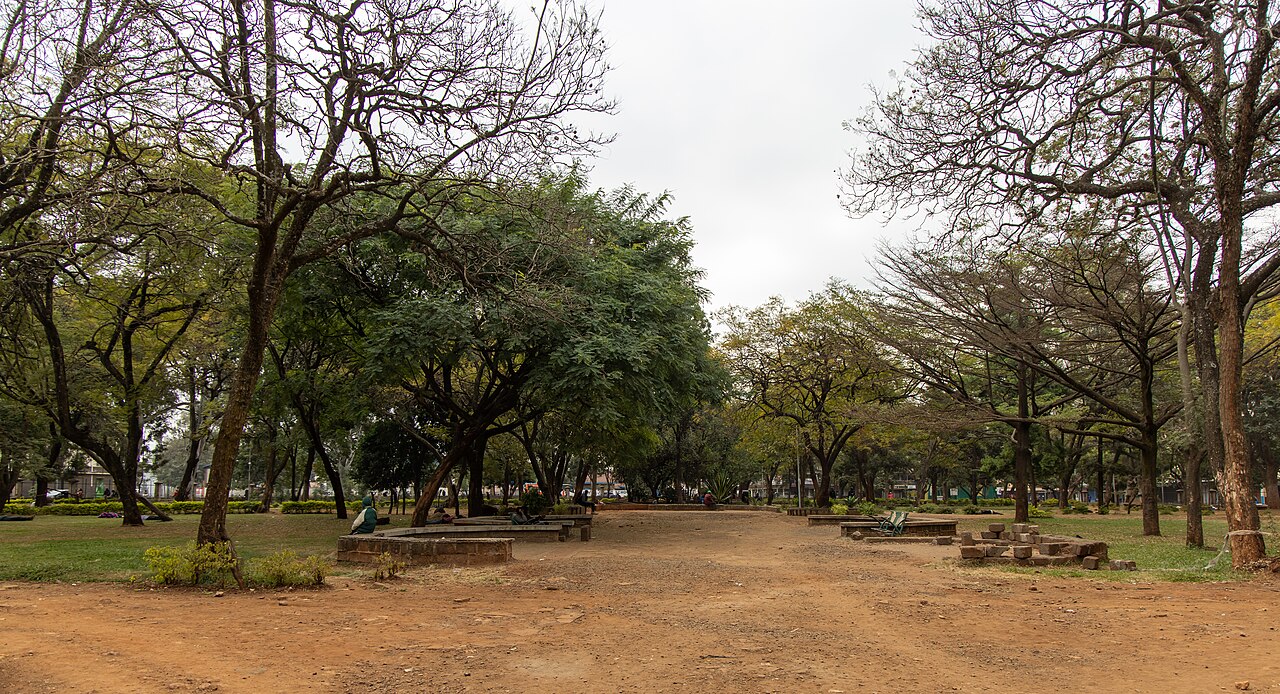
Jeevanjee Gardens sits in central Nairobi within walking reach of surrounding commercial streets. Travellers can use buses, matatus, taxis, or ride-hailing services to reach the city centre, then approach the garden on foot. Its position makes it particularly useful as a stop during a central walking route. Nairobi traffic can be heavy, so allow a flexible arrival time if you are crossing the city from another district.
Checked 2026-08-26 · Source
Jeevanjee Gardens is an open public space in a busy urban setting. Keep valuables secure, remain attentive near the edges of the garden, and choose a daytime visit for a more comfortable city-centre experience. Rain can affect paths and grass, while midday sun calls for water and sun protection. The garden’s public character means you may encounter ordinary gatherings and conversations, so move respectfully and give other visitors room.
Checked 2026-08-26 · Source
The best photographs at Jeevanjee Gardens show the contrast between trees, lawn, and the surrounding commercial centre. Human activity and the garden’s role as a public gathering place can add context, while the story of Alibhai Mulla Jeevanjee gives the images a historical dimension. Morning and late-afternoon light are gentler than harsh midday sun. Ask before making a person the main subject, and keep cameras secure in the busy urban setting.
Checked 2026-08-26 · Source
The gardens take their name from Alibhai Mulla Jeevanjee, whose donation established this early twentieth-century public space in Nairobi.
You can walk among the trees and lawn, sit on benches, rest, read, and observe everyday activity in central Nairobi. Its appeal is civic greenery rather than a programmed attraction.
Allow about thirty minutes for a relaxed stop. A quick walk takes less, while sitting, reading, or observing city life can extend the visit to one or two hours.
Jeevanjee Gardens is in central Nairobi, within walking reach of surrounding commercial streets. It fits naturally into a city-centre route using buses, matatus, taxis, or ride-hailing services.
It is a public municipal garden with trees, lawn, paths, benches, and open space. The experience is informal and connected to everyday Nairobi life rather than to a curated botanical display.
Early morning and late afternoon offer softer light and more comfortable conditions for walking or sitting. Rainy periods can make outdoor ground less pleasant, particularly around April to May and October to November.
Loading the interactive map…
The interactive map could not be loaded.
Last updated:
Source: OpenStreetMap contributors, Wikidata ·