,_2025_(05).jpg)
2 min walk
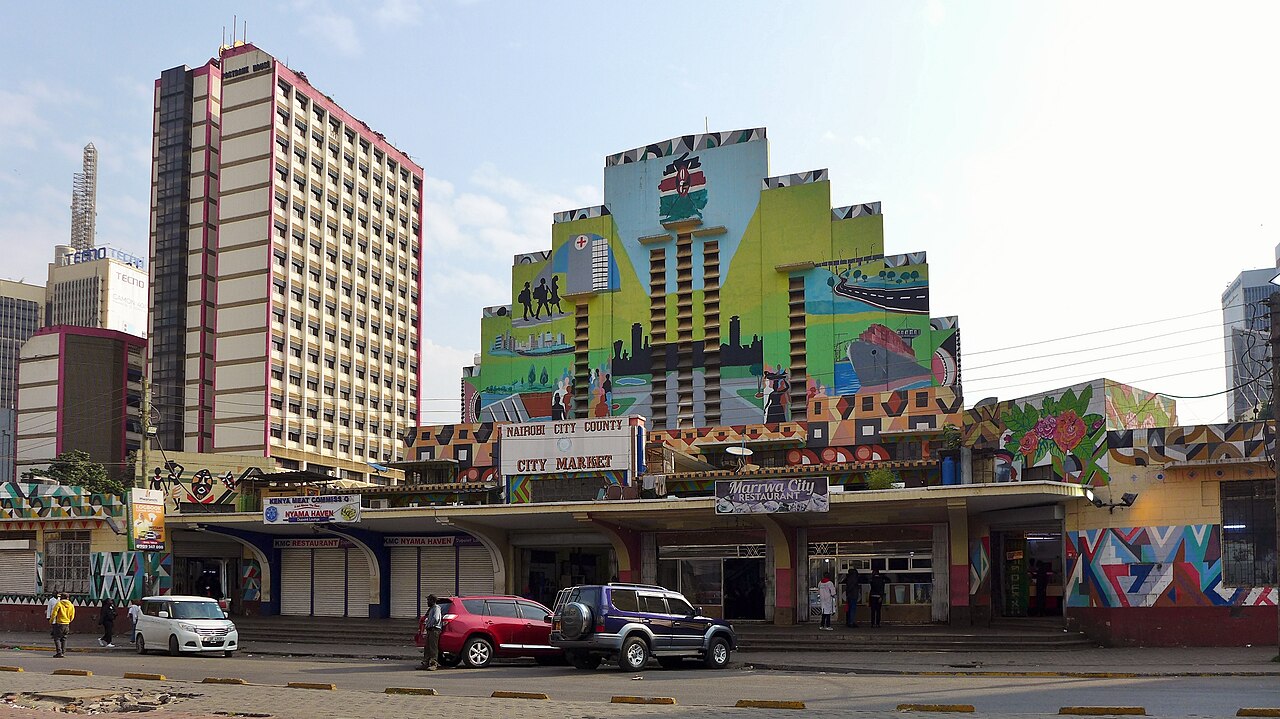
Nairobi City Market
- Must see
- Market
Language · 11 published
Place of worship · Nairobi
Reviewed by Elena Voss · Roavina Travel Editor
Read from the OpenStreetMap access tags; anything not listed has no tag recorded.
Set the group type to family in the planner and the day window contracts to about three quarters of a solo day.
This place is a Place of worship.
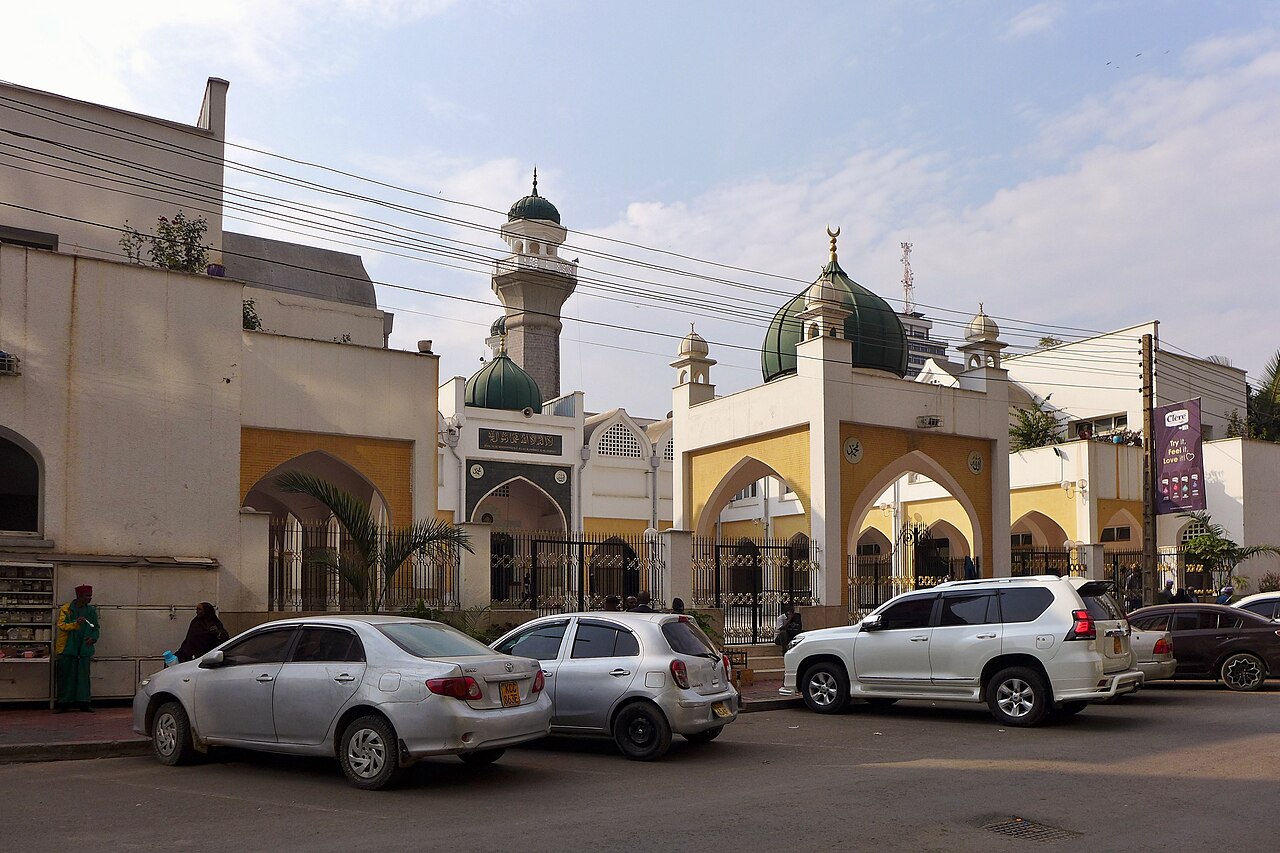
Jamia Mosque is Nairobi’s principal historic mosque and a major religious, architectural and community landmark. Beside the city’s central market, it occupies a prominent position in the commercial heart of the capital. The mosque serves Nairobi’s Muslim community and contributes an important Islamic presence to the city’s cultural landscape. Its significance comes from its continuing religious role as well as its visibility among the busy streets, shops and market activity of central Nairobi. Jamia Mosque is Nairobi's principal historic mosque, serving as a major religious, architectural, and community landmark in the Kenyan capital. Located beside the central market, it stands as one of the most significant Islamic institutions in the city. The mosque has long functioned as a spiritual centre for Nairobi's Muslim population and represents an important part of the city's cultural heritage. Its prominent position near the commercial heart of Nairobi makes it a visible and accessible symbol of the country's religious diversity.
Checked 2026-08-26 · Source
Jamia Mosque is an active place of worship with prayer halls, ablution facilities and areas for religious instruction and community gathering. Its Islamic architectural character includes the features associated with congregational prayer, such as the mihrab indicating the direction of prayer and the minbar used for sermons. Visitors should read the building through its living religious purpose: worshippers, prayer and community activity matter more than a museum-style circuit or display collection. The mosque complex traditionally includes prayer halls, ablution facilities, and spaces for religious instruction and community gathering. Islamic architectural elements are evident in its design and construction. The interior would typically feature mihrab indicating prayer direction, minbar for sermons, and carpeted spaces for congregational worship. Visitors should observe that the primary function remains active religious practice rather than tourist exhibition.
Checked 2026-08-26 · Source
A brief exterior visit can take about fifteen to thirty minutes, particularly when combined with the central market nearby. If you receive permission to enter or take part in religious activity, allow additional time for appropriate preparation and ablution. Let worship determine your pace. Jamia Mosque is best experienced through quiet observation and respectful presence, not through hurried sightseeing or attempts to inspect every interior feature while congregational activity is under way. A respectful exterior observation of Jamia Mosque requires approximately fifteen to thirty minutes, depending on individual interest in architectural features and surrounding market activity.
Checked 2026-08-26 · Source
Prayer times shape the mosque’s daily rhythm, and Friday midday prayer is especially busy. Visitors should give worship priority and keep their visit quiet and unobtrusive. Ramadan and other Islamic observances also change the atmosphere and patterns of activity. The mosque works well as part of a central Nairobi walk, paired with the market and surrounding commercial streets, provided the visit remains sensitive to the congregation using the building.
Checked 2026-08-26 · Source
Jamia Mosque is a functioning house of worship rather than a commercial tourist attraction. Visitors approach it for its religious and architectural significance, not for a ticketed exhibition. Any voluntary contribution belongs to the mosque community and does not create a right to enter restricted areas, photograph worshippers or interrupt prayer. Dress, behaviour and permission matter more here than a conventional attraction budget or timed-entry arrangement.
Checked 2026-08-26 · Source
The mosque stands beside Nairobi’s central market, within the city centre and close to commercial and transport activity. Walking from nearby central destinations is practical, while buses, matatus and taxis serve the wider district. Expect crowds and traffic around the market during business hours. Keep valuables secure in busy streets and treat the mosque as a central urban landmark that can be reached during a market-area walk.
Checked 2026-08-26 · Source
Wear modest clothing that covers the shoulders and knees, and remove footwear where required. Worshippers have priority, especially during prayer. Non-Muslim visitors should request permission before entering religious spaces and should not cross into active prayer areas without a clear invitation. The surrounding market is crowded and energetic, so combine religious sensitivity with ordinary urban care. Quiet conduct, restrained movement and attention to staff guidance are essential.
Checked 2026-08-26 · Source
Treat photography at Jamia Mosque as a matter of permission and respect. Ask mosque authorities or community representatives before taking interior photographs, and never photograph worshippers without consent. Exterior views from public streets may be less intrusive, but stop if requested. Avoid photographing during prayer and do not use a drone around the mosque. The building is a religious space first, so images should never interfere with devotion or community life.
Checked 2026-08-26 · Source
It is Nairobi’s principal historic mosque, a major Islamic religious, architectural and community landmark beside the central market.
Jamia Mosque is beside Nairobi’s central market in the commercial heart of the city centre.
Wear modest clothing covering the shoulders and knees, and remove footwear where required inside the mosque.
Friday midday prayer is especially busy, while Ramadan and other Islamic observances also shape activity at the mosque.
Non-Muslim visitors should request permission before entering and give priority to worshippers and active prayer.
A respectful exterior visit generally takes about fifteen to thirty minutes, especially when combined with the nearby central market.
Loading the interactive map…
The interactive map could not be loaded.

Last updated:
Source: OpenStreetMap contributors, Wikidata ·