
_01.JPG)
_02.JPG)
,_2025_(01).jpg)
,_2025_(02).jpg)

3 min walk
Jeevanjee Gardens
- Must see
- Nature site
Language · 11 published
Place of worship · Nairobi
Reviewed by Elena Voss · Roavina Travel Editor
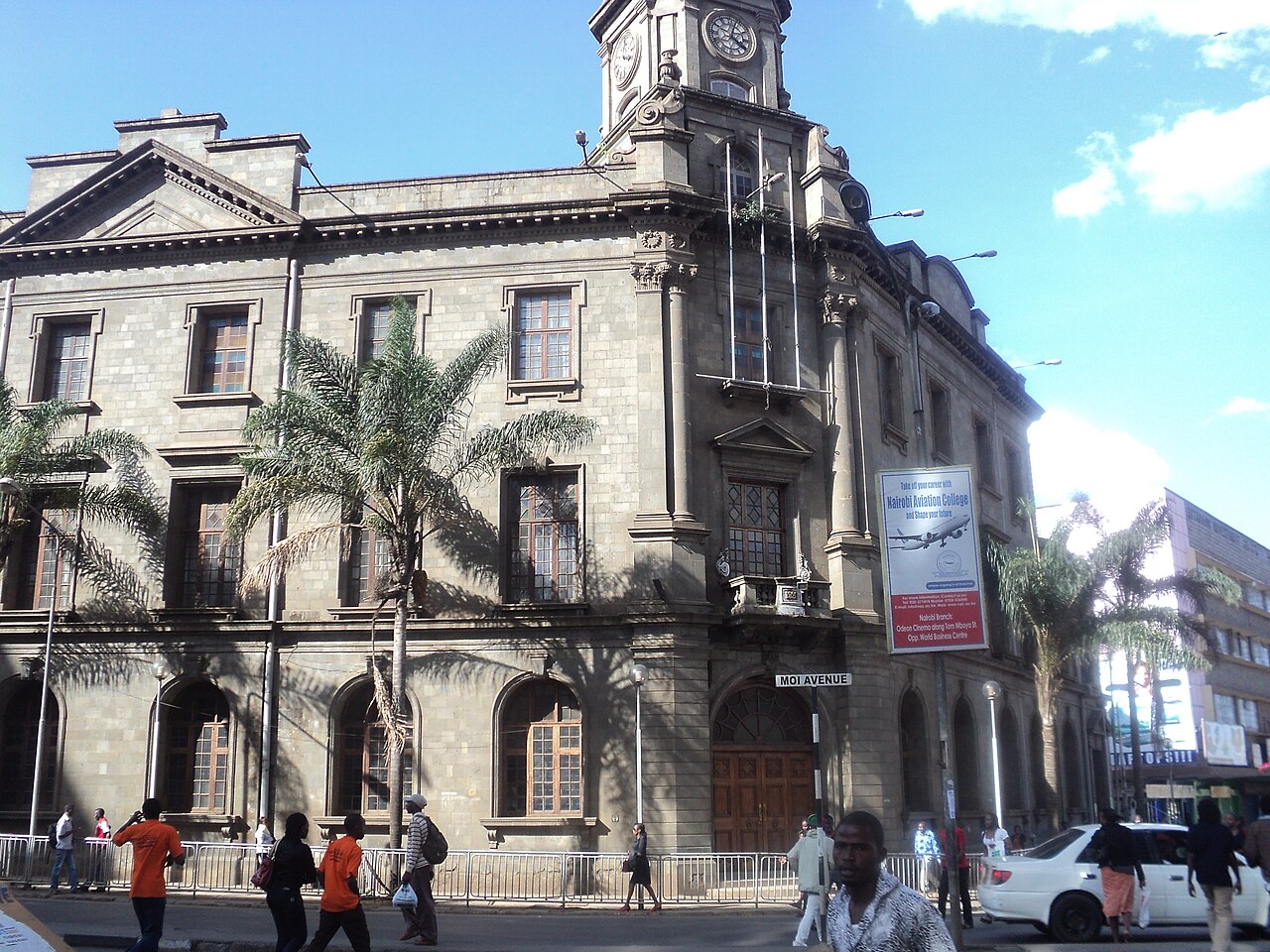
This place is a Place of worship. It carries the National Monument of Kenya heritage designation.
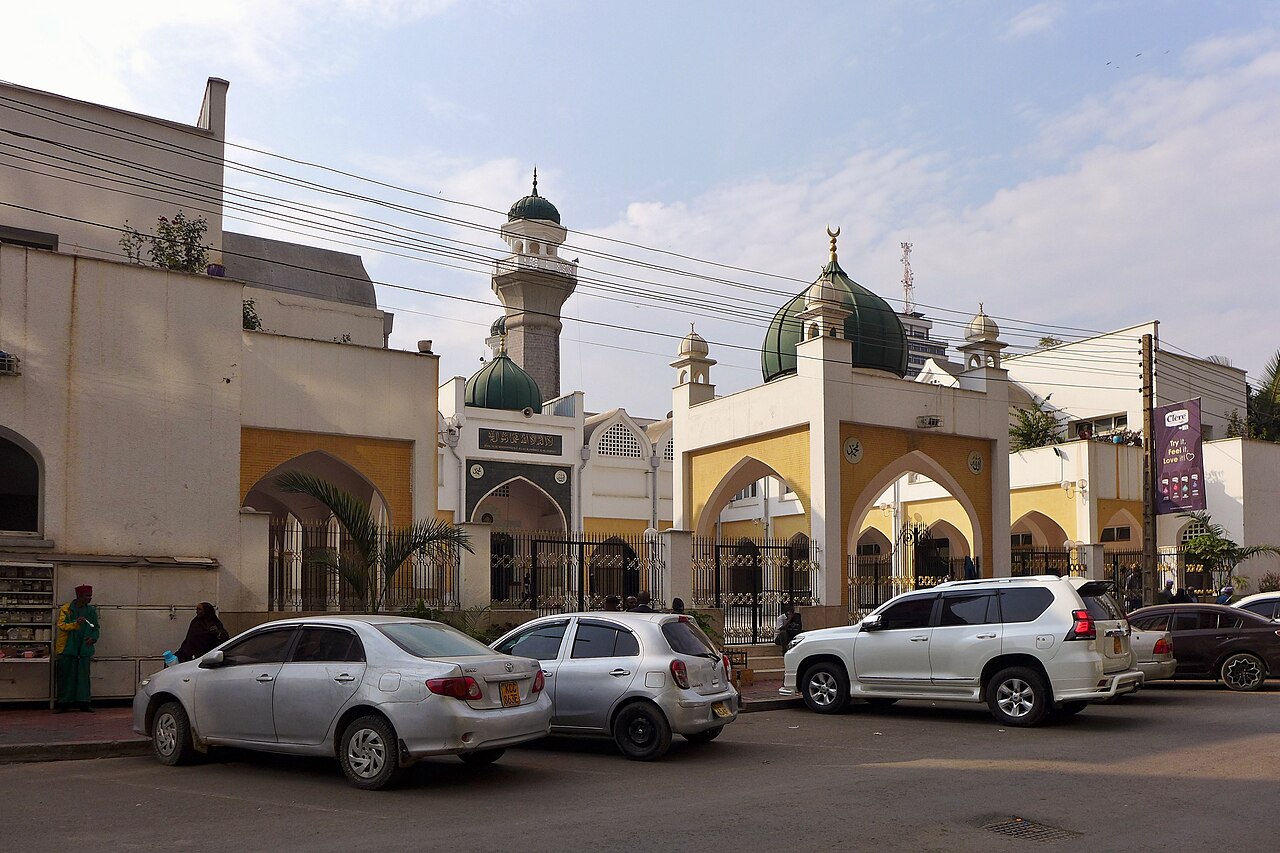
Khoja Mosque is a historic central mosque and architectural landmark in Nairobi. It remains an active place of worship for the local Muslim community, so its primary purpose is religious rather than touristic. For travellers, the site offers a way to understand Nairobi’s diverse cultural and religious landscape through a functioning community building in the city centre. Exterior observation can fit into a central walk, while any interior visit must be approached with courtesy toward worshippers and the mosque’s religious role. Khoja Mosque is a historic central mosque in Nairobi, Kenya. It serves as an architectural landmark within the city and holds significance for the local Muslim community. The mosque represents an established place of worship that has contributed to Nairobi's religious and cultural landscape over time. As a prominent structure in the city centre, it reflects the diverse heritage of Kenya's capital. Visitors should recognise this remains an active religious site rather than a secular tourist attraction, requiring appropriate conduct and respect for worshippers. Visitors should seek permission from mosque authorities and respect any access restrictions.
Checked 2026-08-26 · Source
Khoja Mosque is a working religious building rather than an exhibition venue. Visitors should expect prayer spaces and the facilities required for communal worship, not galleries, displays or a museum route. The interior belongs to the congregation’s religious life, which shapes how guests should move, dress and behave. Architectural interest is present both in the building itself and in its central Nairobi setting, but viewing the site should never interrupt prayer, congregation movement or other mosque activities.
Checked 2026-08-26 · Source
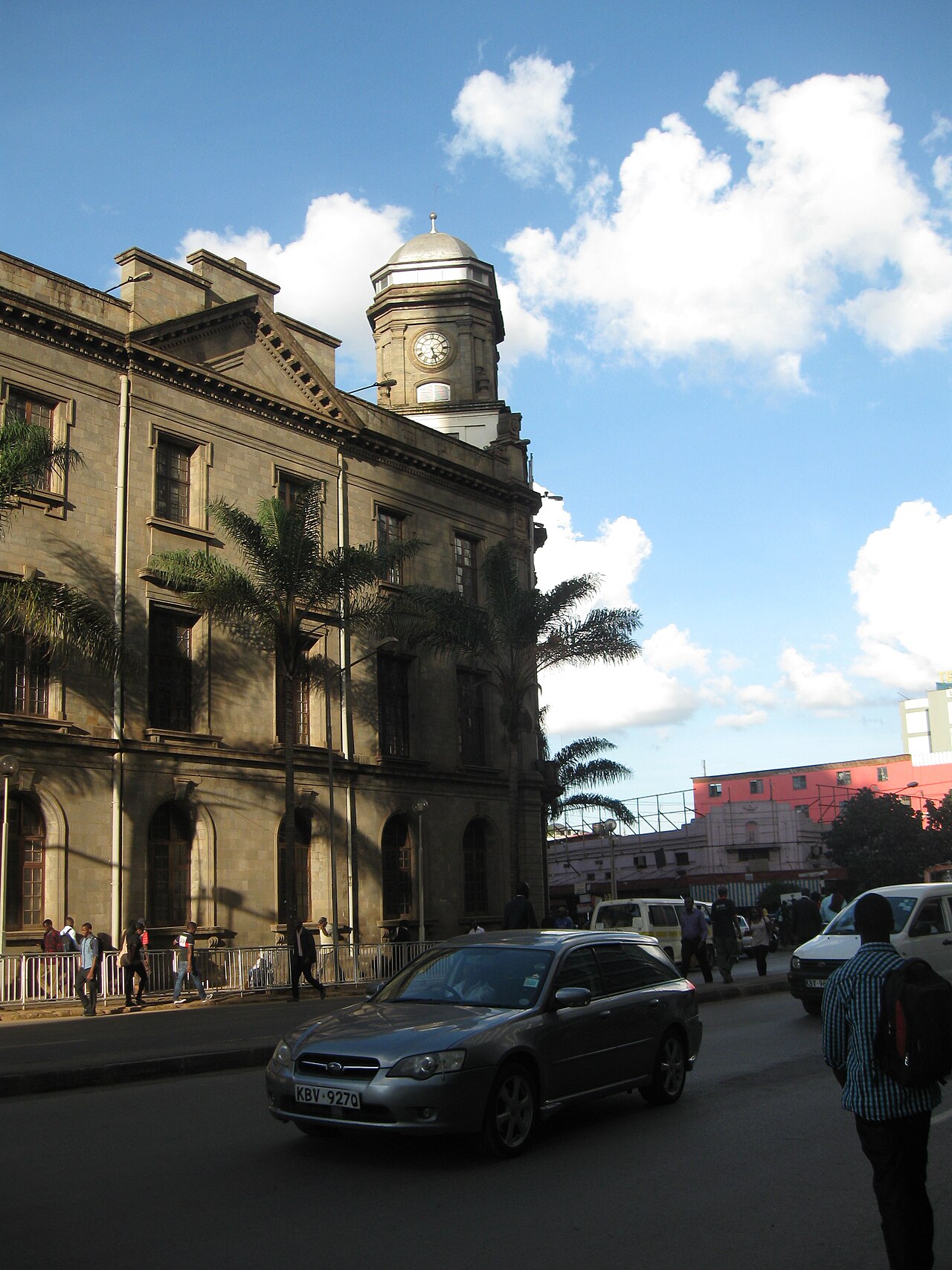
A brief exterior stop of several minutes is enough to appreciate the mosque’s central setting and architecture. If you are welcomed inside for prayer or another permitted purpose, let the religious activity determine the length of your visit rather than treating the building as a sightseeing circuit. Avoid lingering when worshippers are arriving, gathering or praying. Khoja Mosque works best as a respectful architectural and cultural pause within a wider Nairobi city-centre walk.
Checked 2026-08-26 · Source
Prayer activity shapes the mosque’s rhythm, and Friday midday prayers bring particularly large congregations. Ramadan and religious holidays can make the setting busier and place greater emphasis on respectful behaviour. Choose a quieter daytime moment for exterior viewing and give worshippers priority around entrances and paths. If you wish to enter, speak courteously with mosque personnel before crossing into prayer areas. A visit planned around the community’s religious schedule is more considerate than arriving during a crowded service.
Checked 2026-08-26 · Source
Khoja Mosque is a place of worship, not a commercial attraction with a standard sightseeing ticket. The visit should be approached as religious access or exterior observation rather than as entry to a paid museum. If the community welcomes a visitor into the building, follow the directions given at the entrance and respect any request connected with worship. Do not frame a voluntary contribution, if offered, as an admission charge. The important cost here is respectful attention to the site’s purpose.
Checked 2026-08-26 · Source
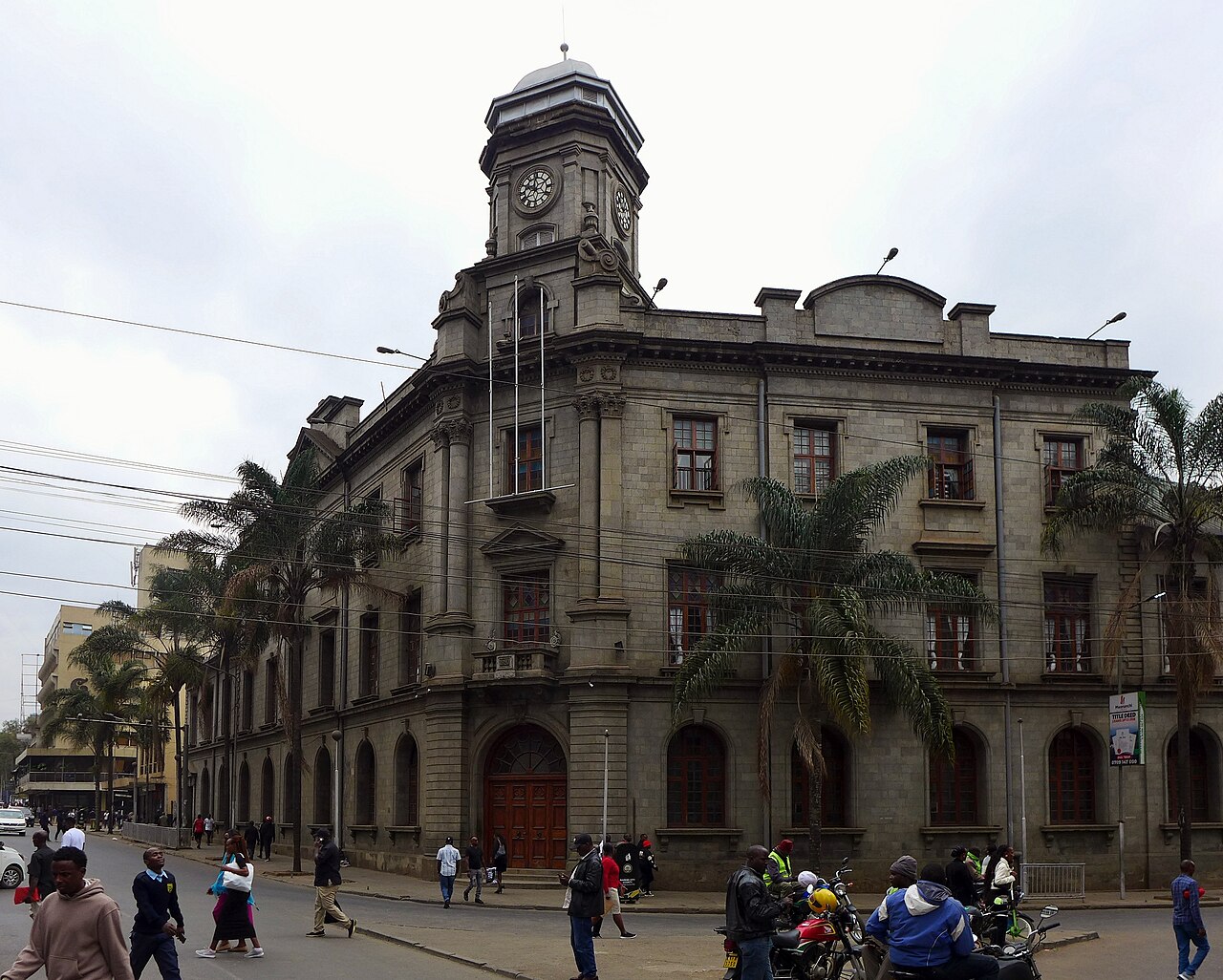
The mosque occupies a central Nairobi location served by the city’s roads, matatus, buses, taxis and ride-hailing services. Traffic can be heavy during peak periods, so a central walking route may be more predictable once you are nearby. Walk attentively through the city centre and use the mosque’s prominent building as a visual landmark. If arriving for prayer or a permitted visit, leave enough time to approach calmly, find the entrance and adjust your clothing before entering.
Checked 2026-08-26 · Source
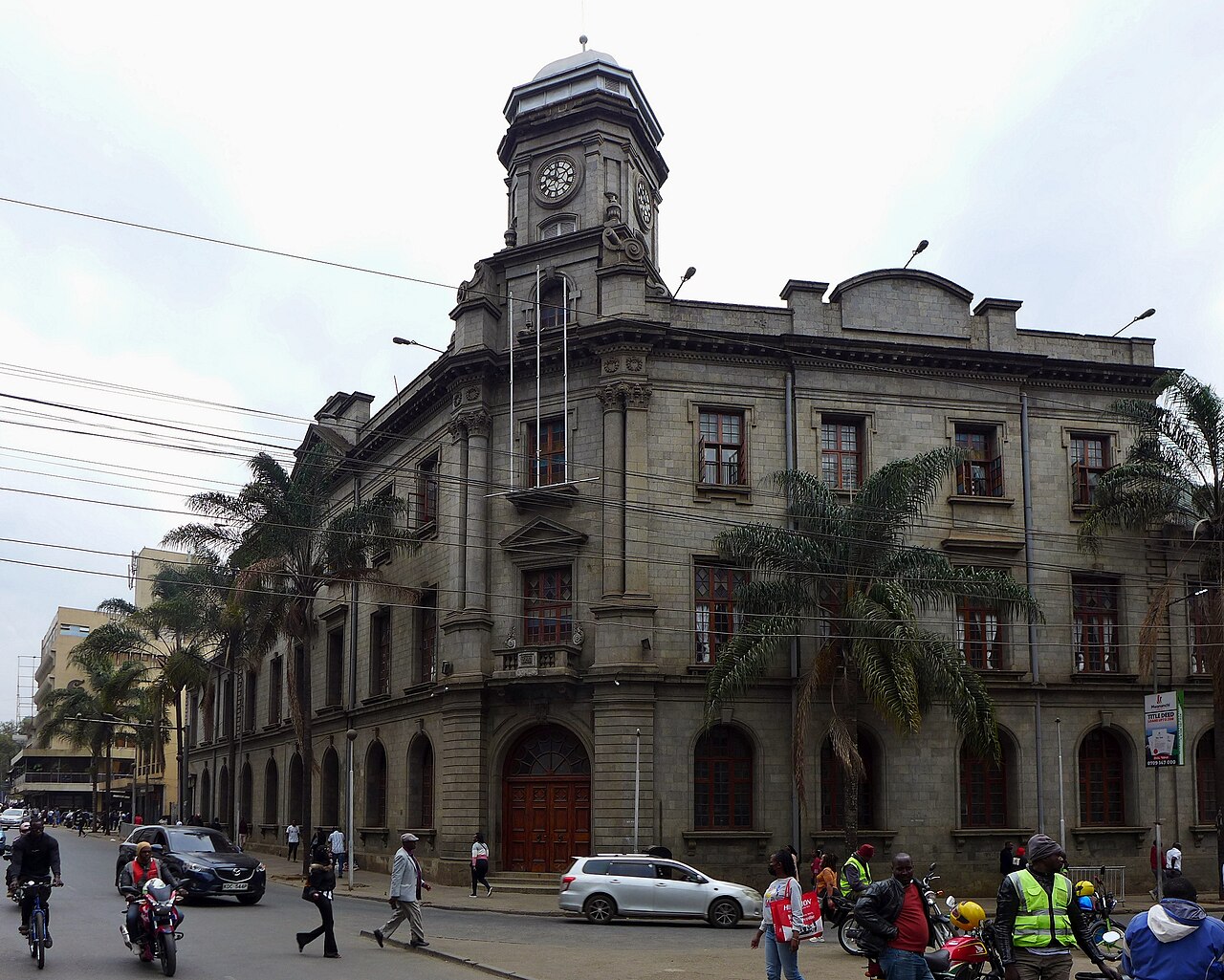
Dress modestly, covering arms and legs, and be prepared to remove shoes before entering prayer areas. Women may need a head covering. Give worshippers priority, maintain quiet and follow gender-separation arrangements where they are in use. Never interrupt prayer or treat congregants as subjects for casual photography. Central Nairobi also requires ordinary city awareness around traffic and belongings. If an entrance or room is closed to visitors, remain outside without argument and enjoy the architecture from the public approach.
Checked 2026-08-26 · Source
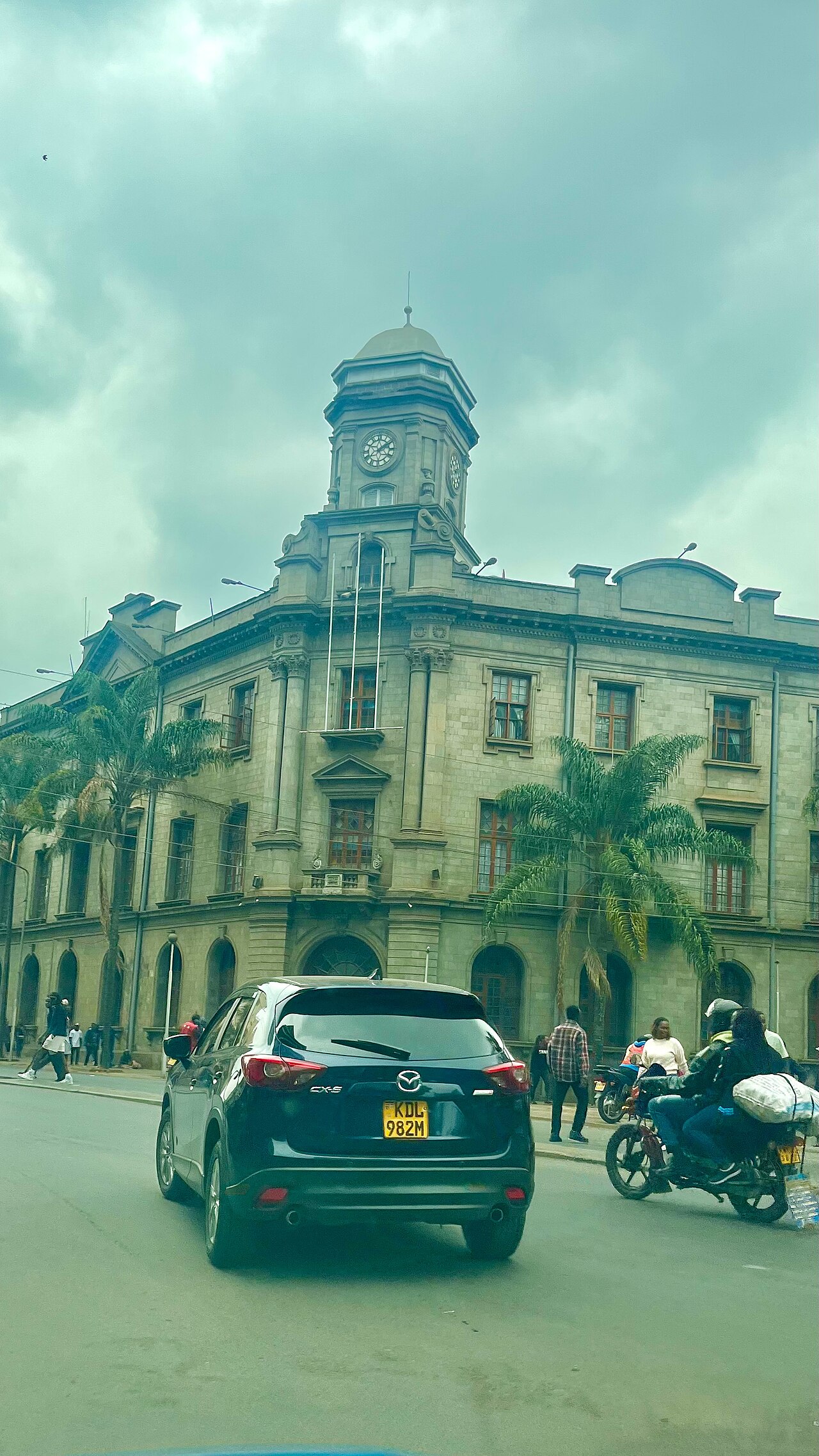
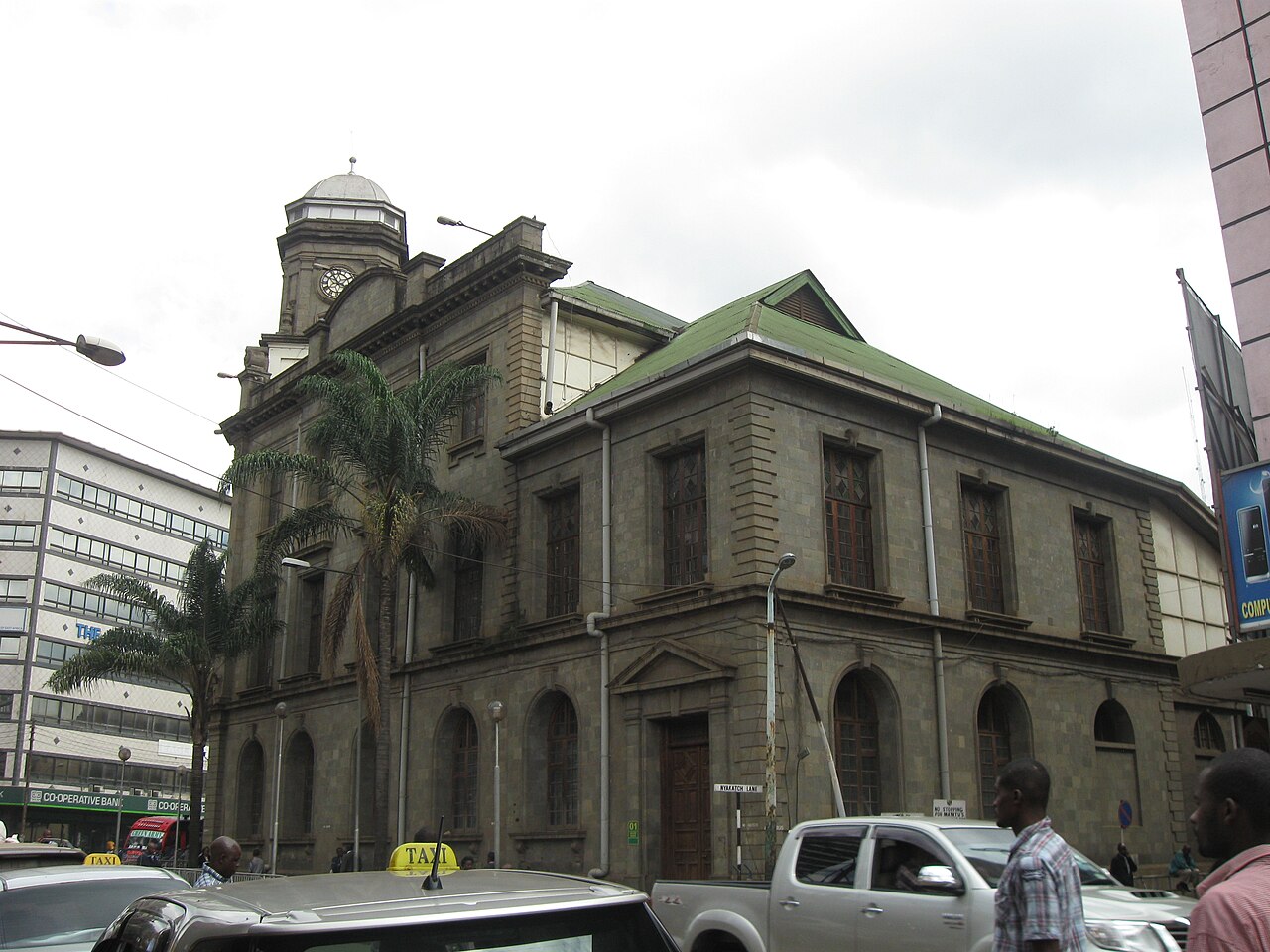
Exterior photographs from a public street can show Khoja Mosque within Nairobi’s central urban landscape. Inside, put worshippers and prayer first: ask permission before photographing rooms, architectural details or any person, and follow instructions from mosque personnel. Never photograph people during prayer without explicit consent. Keep equipment unobtrusive and avoid blocking entrances or congregation movement. A respectful image of the building’s exterior is usually more appropriate than trying to document private devotional moments or restricted interior spaces.
Checked 2026-08-26 · Source
It is a historic central mosque and active place of worship in Nairobi, not a museum or secular attraction.
Wear modest clothing covering the arms and legs; women may need a head covering, and shoes are removed in prayer areas.
Friday midday prayers bring particularly large congregations, while Ramadan and religious holidays can also increase activity.
Allow several minutes for exterior architecture; any interior visit should follow the needs and directions of the worshipping community.
Yes. The mosque is a central Nairobi landmark accessible through the city-centre road and public transport network.
Photograph the exterior discreetly and request permission before photographing interiors, worshippers or prayer activities.
Loading the interactive map…
The interactive map could not be loaded.
Last updated:
Source: OpenStreetMap contributors, Wikidata ·