.jpg)


.jpg)
5 min walk
Freedom Corner
- Must see
- Historic monument
Language · 11 published
Nature site · Nairobi
Reviewed by Elena Voss · Roavina Travel Editor
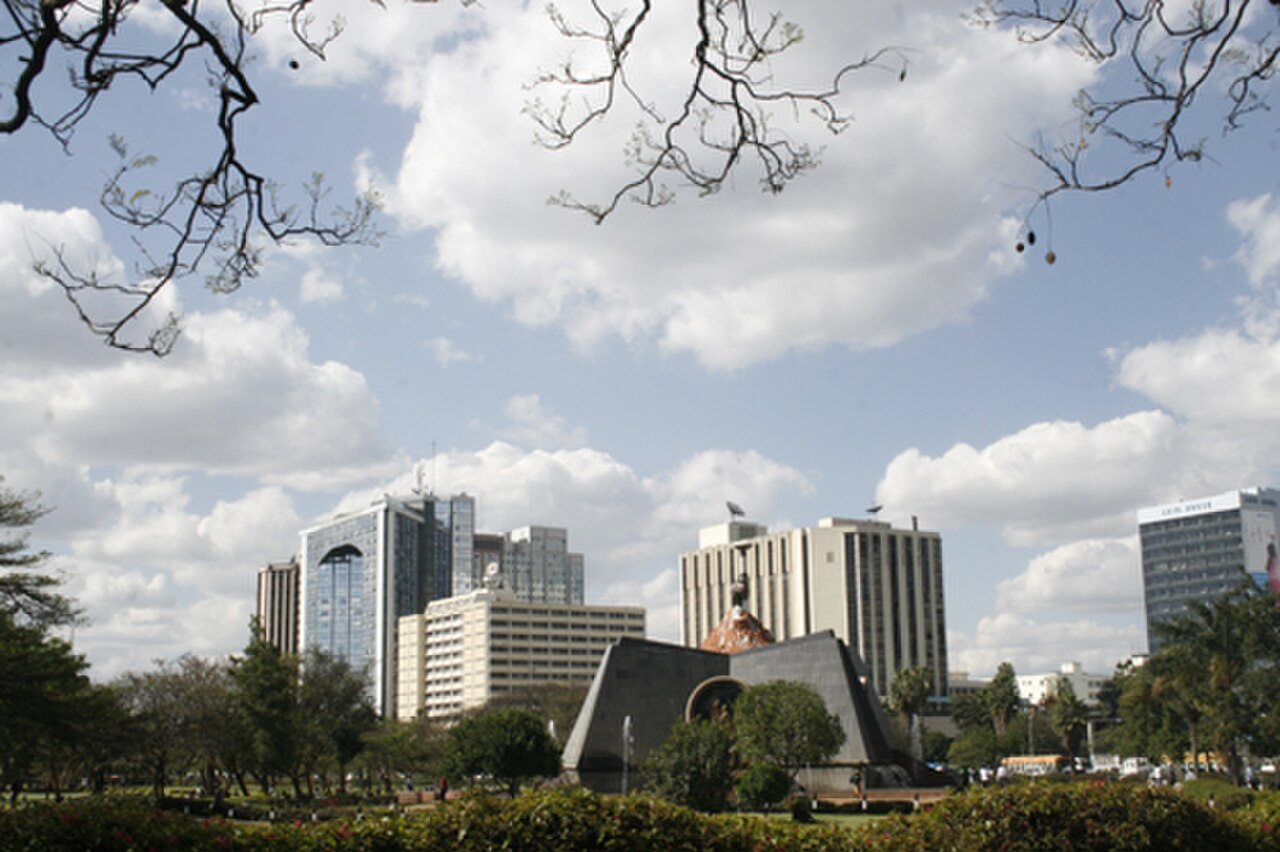
This place is a Park.
Central Park is a compact green space in Nairobi city centre, beside Uhuru Park. It forms part of the capital’s central civic landscape and offers a pause from the surrounding streets and buildings. The Nyayo Monument is its defining feature, giving the park both recreational and commemorative interest. This is a practical short stop for travellers exploring Nairobi’s urban core, especially when paired with nearby civic landmarks and Uhuru Park. Central Park is a compact green space located beside Uhuru Park in Nairobi's city centre. The park forms part of Nairobi's central civic landscape and serves as a public recreational area within Kenya's capital. The space includes the Nyayo Monument, a notable feature within its grounds. Central Park contributes to the network of open spaces in Nairobi's urban core, offering residents and visitors access to greenery amid the dense built environment. Its proximity to other significant civic spaces underscores its role in the city's recreational and commemorative infrastructure. No. Central Park is a separate compact green space located beside Uhuru Park. They are adjacent but distinct spaces within Nairobi's central civic landscape.
Checked 2026-08-26 · Source
The park’s main known attraction is the Nyayo Monument, set within a small landscaped area of vegetation and open ground. The setting is suited to a short walk, a pause, and views of Nairobi’s central civic environment rather than a long programme of activities. Its compact scale makes it easy to take in without a demanding route. Travellers can also use the visit as a natural link between Central Park, Uhuru Park, and nearby city-centre sights. The Nyayo Monument stands as a prominent feature within Central Park. The park's vegetation and open areas provide space for passive recreation. Visitors should note that information regarding playgrounds, sports facilities, food vendors, or other services remains unverified.
Checked 2026-08-26 · Source
Allow around fifteen to thirty minutes for a focused visit to the Nyayo Monument and the surrounding greenery. A slower stop can take longer if you want to sit, observe the city, or make photographs. Because Central Park is compact, it works best as part of a walking sequence rather than as a standalone half-day destination. Combine it with Uhuru Park or other central Nairobi landmarks when building a fuller city-centre outing.
Checked 2026-08-26 · Source
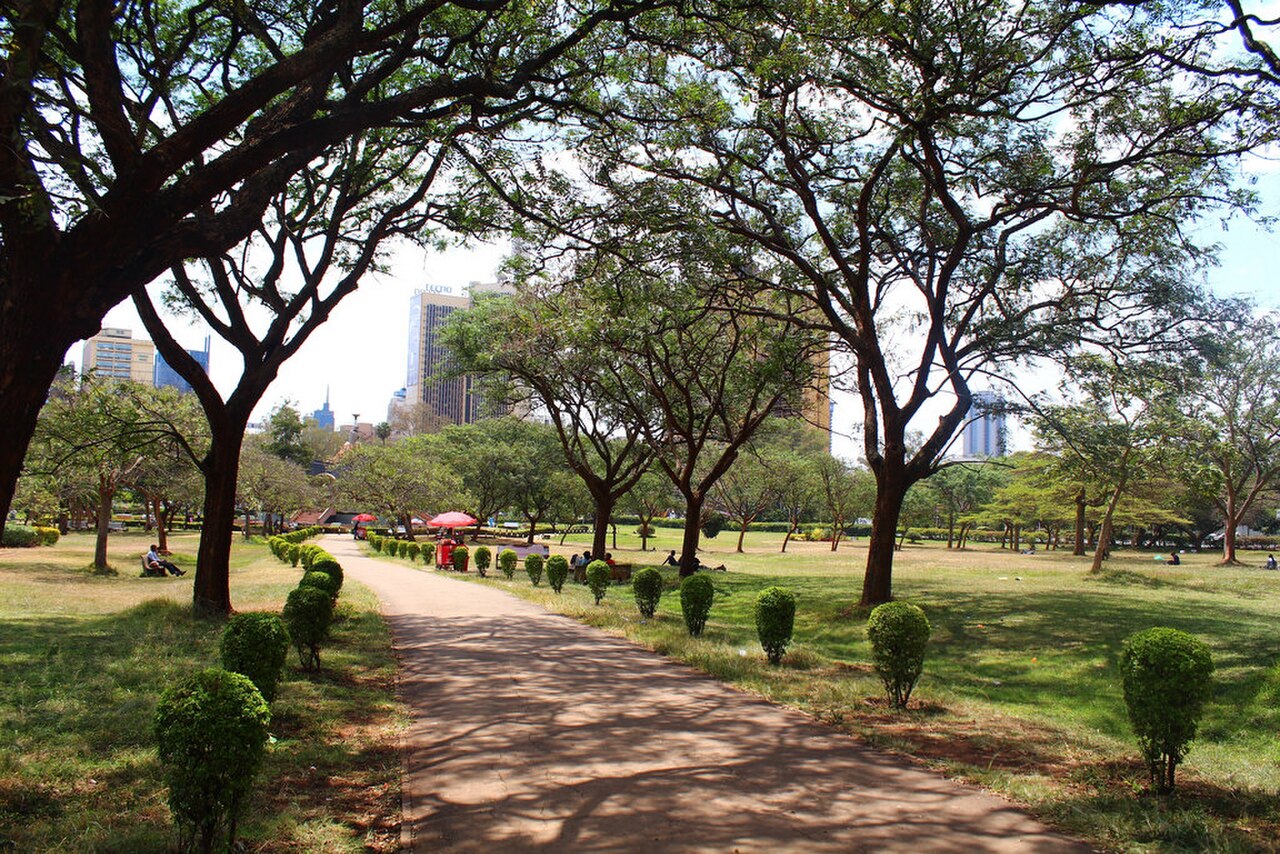
Central Park is an outdoor stop, so the most comfortable visit is generally during the morning or late afternoon, when walking and viewing the monument are less exposed to strong midday sun. Nairobi’s rainy seasons can make grass and paths wetter, particularly around April to May and October to November. The park’s central setting also makes daytime a natural fit for combining it with other civic and cultural stops in the city centre.
Checked 2026-08-26 · Source
Central Park is a public green space rather than a ticketed museum or performance venue. The known attraction is the park setting and the Nyayo Monument, so travellers can treat it as a brief civic landmark stop within a Nairobi walking route. Costs connected with reaching the area or continuing to nearby attractions are separate from the park itself. Keep the visit simple: walk through, view the monument, and continue towards the surrounding central sights.
Checked 2026-08-26 · Source
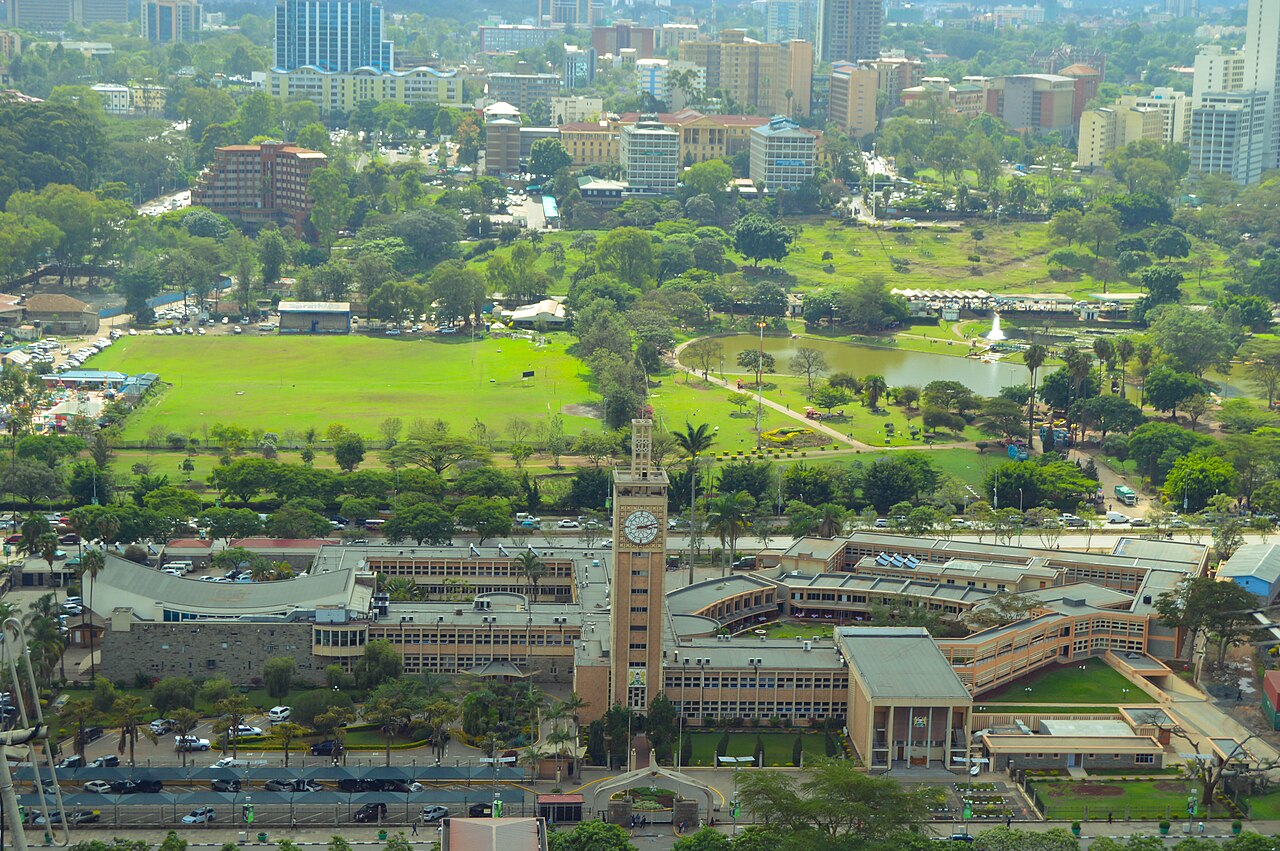
Central Park is in Nairobi’s city centre, immediately beside Uhuru Park. Its central position makes it a straightforward destination to identify on a current map and a useful waypoint between nearby civic attractions. Travellers can approach through central Nairobi by bus, matatu, taxi, or ride-hailing service, then continue on foot between the adjacent parks and city streets. Allow extra travel time when crossing Nairobi during busy traffic periods.
Checked 2026-08-26 · Source
Central Park is an open urban space, so keep bags and phones secure and stay aware of activity around the entrances and surrounding streets. Outdoor ground can be less comfortable after rain, while direct sun can make a short walk tiring. Choose a daytime visit as part of a planned central-city route, and keep the stop proportionate to its compact size. The park is most rewarding for its monument, greenery, and relationship with Nairobi’s civic landscape.
Checked 2026-08-26 · Source
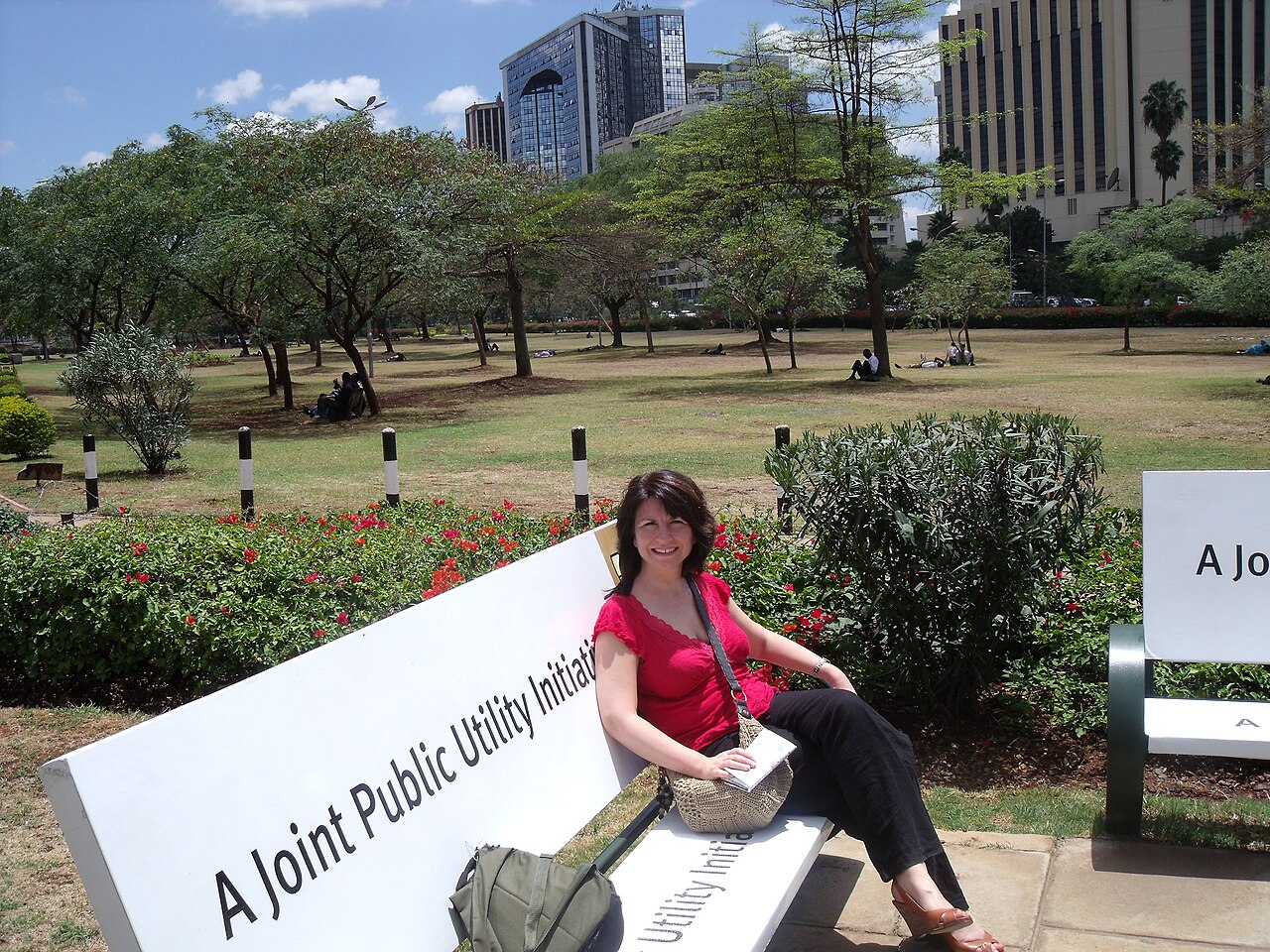
The Nyayo Monument provides the clearest photographic subject in Central Park, while the surrounding greenery creates a contrast with Nairobi’s dense centre. Morning and late-afternoon light can give the monument and paths softer definition than the bright middle of the day. Frame the monument with the park and nearby civic setting to show its context. Be considerate of people using the space, and keep equipment close in this busy central location.
Checked 2026-08-26 · Source
No. Central Park is a separate compact green space beside Uhuru Park. The two spaces are adjacent and can be visited together as part of Nairobi’s central civic landscape.
The Nyayo Monument is the main known feature within Central Park. The surrounding vegetation and open ground provide a setting for a short walk and a pause in central Nairobi.
A focused visit takes about fifteen to thirty minutes. You can stay longer for a quiet pause, but the compact park works best when combined with Uhuru Park and nearby central sights.
Morning and late afternoon are comfortable choices for an outdoor stop. Rain can affect paths during Nairobi’s wetter periods, especially around April to May and October to November.
The Nyayo Monument is the park’s clearest photographic subject. Include the surrounding greenery and nearby civic setting to show how the monument fits into Nairobi’s city-centre landscape.
Central Park is in Nairobi city centre, beside Uhuru Park. Its position makes it a useful waypoint between central civic attractions and a convenient short stop during a city-centre walk.
Loading the interactive map…
The interactive map could not be loaded.


Last updated:
Source: OpenStreetMap contributors, Wikidata ·