
112 min walk
Isla Contoy National Park
- Must see
- Nature site
Language · 11 published
Activity · Cancún
Reviewed by Elena Voss · Roavina Travel Editor
Read from the OpenStreetMap access tags; anything not listed has no tag recorded.
Set the group type to family in the planner and the day window contracts to about three quarters of a solo day.
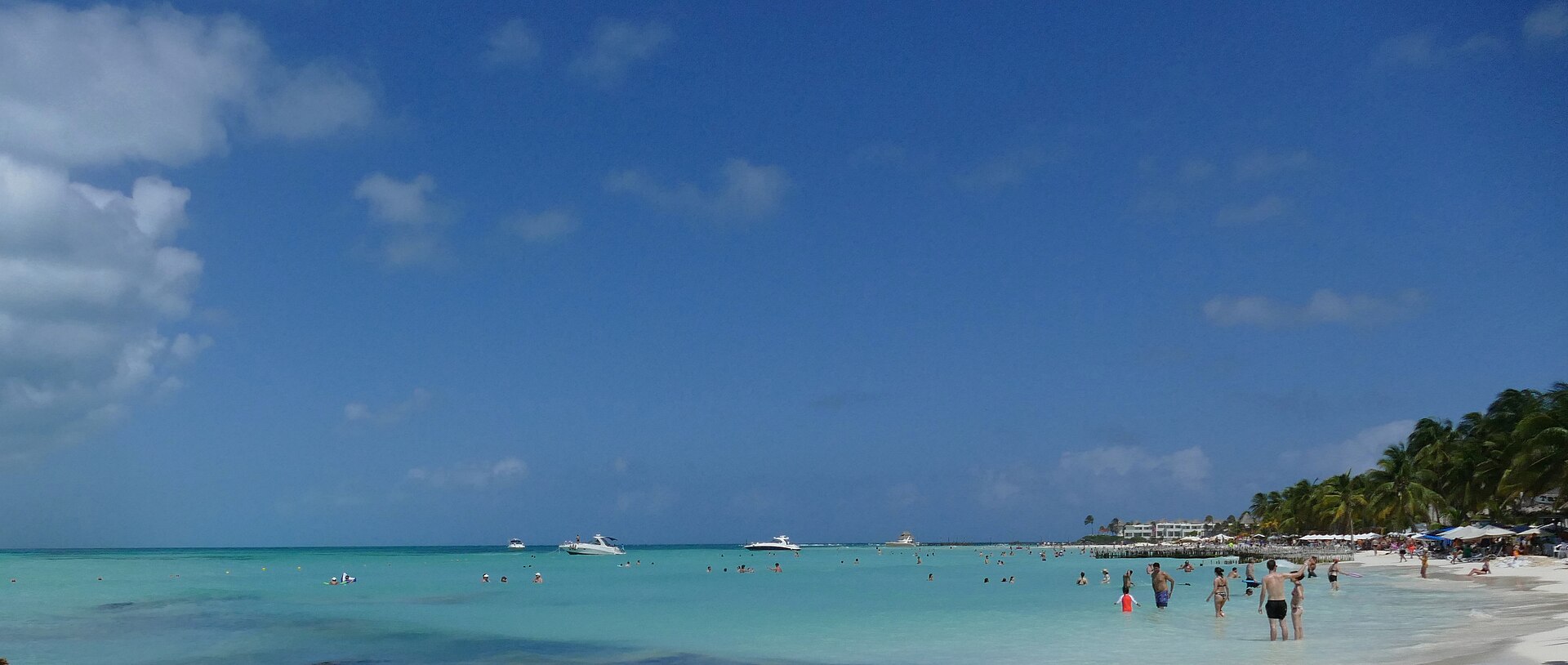
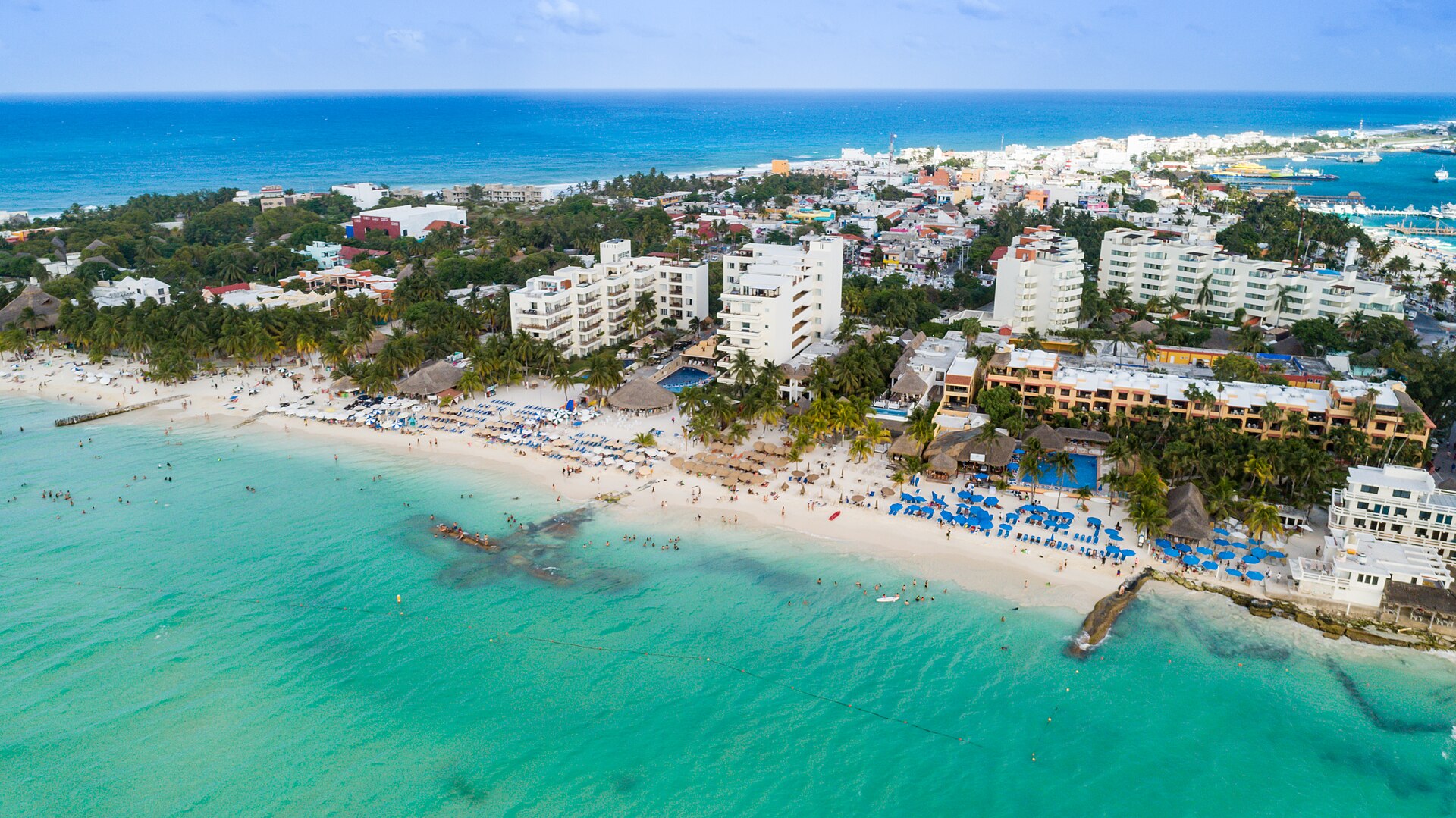
Isla Blanca is a coastal area north of Cancún proper, positioned on a narrow peninsula that separates the Caribbean Sea from Chacmuchuc Lagoon. The location functions as a day-trip destination for visitors seeking shoreline access away from Cancún's hotel zone density. The terrain comprises sand flats, mangrove edges, and open water views. Mexican Caribbean Travel identifies the broader Cancún destination region but does not isolate Isla Blanca as a separately documented site. Daily; the public beach has no gate-controlled visitor hours. There is no regular closure day. Access may be restricted only under applicable safety or environmental regulations.
Checked 2026-08-31 · Source
Isla Blanca contains natural coastal features including beaches, lagoon margins, and wind-exposed shoreline. Kitesurfing operators have historically used the area due to consistent onshore winds. Fishing activity occurs from shore and small craft. Vegetation consists of coastal scrub and mangrove systems typical of the northern Yucatán littoral. The Mexican Caribbean Travel reference to Cancún does not enumerate specific Isla Blanca contents. There is no regular closure day. Access may be restricted only under applicable safety or environmental regulations.
Checked 2026-08-31 · Source
A visit to Isla Blanca typically spans a partial day given the absence of overnight accommodation and limited developed services. Visitors commonly allocate four to six hours for beach activity, water access, and transit from Cancún. Kitesurfing sessions may extend duration for equipment-dependent participants. The return journey to Cancún requires planning around daylight hours due to road conditions and limited lighting. No source specifies minimum or maximum recommended visitation periods. Free general admission to the public beach; there is no beach-entry ticket.
Checked 2026-08-31 · Source
Isla Blanca receives visitors throughout Cancún's high tourism season from December through April, when precipitation is reduced and temperatures moderate. The summer months bring higher humidity and hurricane risk from June through November. Wind patterns favor kitesurfing particularly in spring months. No official opening or closing times govern public beach access. Daily; the public beach has no gate-controlled visitor hours. The road approach is usable by vehicle, but the visitor area is a natural beach with loose, fine sand that limits independent wheelchair movement. The official destination information does not identify a firm-surface beach route or beach-access mobility equipment.
Checked 2026-08-31 · Source
Isla Blanca does not operate as a ticketed attraction. No entrance fees apply to beach or shoreline access under current public arrangements. Transportation from Cancún incurs cost via rental vehicle, taxi, or arranged transfer. Visitors should carry sufficient supplies including water and food due to absent commercial services. Free general admission to the public beach; there is no beach-entry ticket. The road approach is usable by vehicle, but the visitor area is a natural beach with loose, fine sand that limits independent wheelchair movement.
Checked 2026-08-31 · Source
Isla Blanca lies approximately 25-30 kilometers north of Cancún's hotel zone via road access. The route passes through the mainland urban area and continues toward the peninsula terminus. Road conditions vary, with final segments reported as unpaved or partially maintained. Rental vehicles with adequate clearance are commonly used. From Cancún, travel north toward Punta Sam and continue along the Cancún–Isla Blanca road through Costa Mujeres. From Isla Mujeres island, Terminal de Ferry Punta Sam is the named mainland arrival point, followed by a road transfer north. On 16 August 2026, the first 4.2 kilometres of the road-widening project were under construction; a subsequent seven-kilometre section is intended to connect with Avenida José López Portillo.
Checked 2026-08-31 · Source
Isla Blanca presents limited emergency services and remote location challenges. Mobile telephone coverage may be inconsistent on the peninsula. No lifeguard services patrol the beaches. Marine conditions include currents and wind exposure without warning systems. The road infrastructure lacks lighting and may flood during rainfall events. Wildlife encounters include insects and coastal species. Sun exposure is intense with minimal shade infrastructure. The road approach is usable by vehicle, but the visitor area is a natural beach with loose, fine sand that limits independent wheelchair movement.
Checked 2026-08-31 · Source
Isla Blanca offers unobstructed horizon views across lagoon and sea interfaces. Early morning and late afternoon provide directional lighting across flat terrain. Kitesurfing activity creates dynamic subject matter when wind conditions activate. Mangrove edges and shorebird presence support nature documentation. The narrow peninsula geography permits compositions incorporating water on both sides. No restrictions on photography are documented. Drone operation should observe Mexican aviation regulations and respect privacy of any nearby vessels or individuals. Tripod stability may be compromised by gust conditions. Yes. Isla Blanca is a public beach, and Mexican federal law protects public access to maritime beaches and the adjoining federal maritime zone.
Checked 2026-08-31 · Source
Yes. Isla Blanca is a public beach, and Mexican federal law protects public access to maritime beaches and the adjoining federal maritime zone.
Yes. Its marine area is within the Caribe Mexicano Biosphere Reserve and is designated the Isla Blanca Public Use Subzone, covering 7,106.256293 hectares.
The management programme permits scuba diving, snorkelling, kayaking, kitesurfing, paddleboarding, sailing and windsurfing or similar activities.
No. Capturing, touching, removing, retaining or taking wildlife is prohibited, except for specifically authorized scientific, monitoring and fishing activities.
The public-use subzone contains part of the El Cabezo barrier reef; the management programme specifically identifies Ixlaché 2 as a snorkelling and diving location.
Yes. On 16 August 2026, the first 4.2-kilometre phase of the Cancún–Isla Blanca road modernization was about 30% complete, with widening, drainage and utility works underway.
Loading the interactive map…
The interactive map could not be loaded.
Last updated:
Source: OpenStreetMap contributors, Wikidata ·