
5 min walk
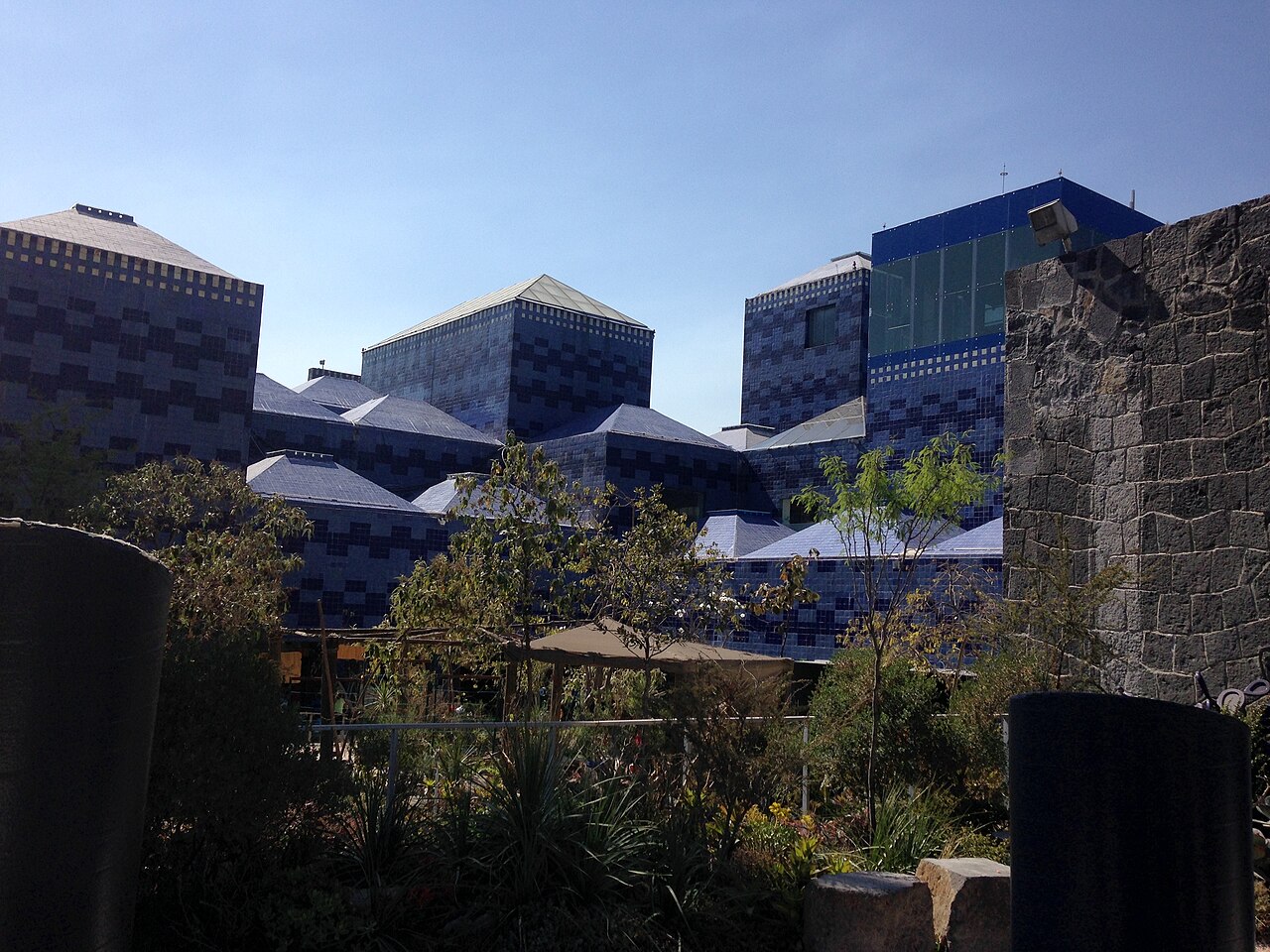
Papalote Museo del Niño
- Must see
- Museum

Historic monument · Mexico City
| Monday | Closed |
|---|---|
| Tuesday | 10:00 – 17:00 |
| Wednesday | 10:00 – 17:00 |
| Thursday | 10:00 – 17:00 |
| Friday | 10:00 – 17:00 |
| Saturday | 10:00 – 17:00 |
| Sunday | 10:00 – 17:00 |
Checked 2026-08-31 · Source
| Per person | MX$39.00 |
|---|
Checked 2026-08-31 · Source
Read from the OpenStreetMap access tags; anything not listed has no tag recorded.
Set the group type to family in the planner and the day window contracts to about three quarters of a solo day.
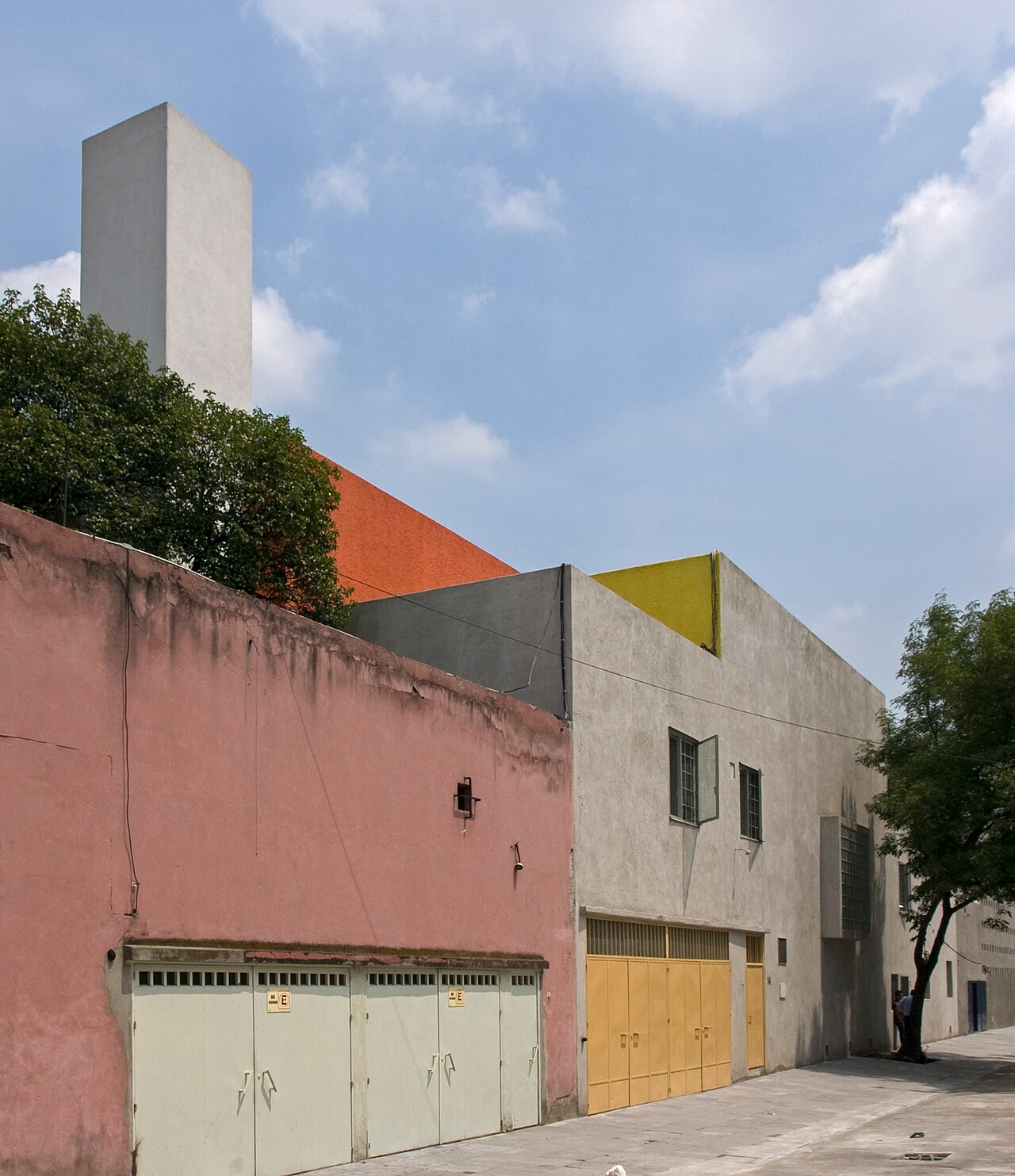
Cárcamo de Dolores is a hydraulic monument and art installation in Chapultepec Park, Mexico City. Architect Ricardo Rivas designed the structure as part of the capital’s water infrastructure, including facilities connected with the Lerma River supply network. Diego Rivera’s contribution gives the site a second identity: it is both an engineering landmark and an important work of public art. The setting is especially rewarding for travelers who enjoy unusual museums, urban infrastructure, and the way art can transform a functional building. Plan it as a focused Chapultepec stop rather than as a substitute for the park’s larger museums, gardens, or monuments.
Checked 2026-08-26 · Source
The defining feature is Diego Rivera’s submerged-water mural, created on the interior walls of the cistern. Its aquatic subject matter and setting connect the artwork directly to the building’s hydraulic purpose. The adjoining monument helps visitors understand the relationship between technical infrastructure, architecture, and civic art. The experience is more concentrated than a conventional museum visit: the mural and the structure itself provide the central focus. Travelers interested in Rivera can place this stop alongside Mexico City’s wider art circuit, while travelers interested in engineering can read the building as a historical part of the city’s water system.
Checked 2026-08-26 · Source
Allow roughly thirty to sixty minutes for the monument, mural, and surrounding architectural details. That interval suits a visitor making a deliberate circuit through the site without turning it into a long museum session. Rivera enthusiasts may spend longer studying the submerged composition and its relationship to the cistern. The compact scale also makes Cárcamo de Dolores easy to combine with other Chapultepec destinations. Build in extra walking time within the park, since the monument forms one stop in a large green and cultural complex rather than a standalone attraction beside a transit entrance.
Checked 2026-08-26 · Source
A morning visit suits travelers who want a calmer walk through Chapultepec before moving on to other attractions. The site’s appeal is strongest when you have enough time to notice both the mural and the hydraulic architecture instead of treating it as a quick photograph. Pairing the visit with nearby museums or the zoo creates a practical half-day or full-day route through the park. Because the experience depends on the condition of the cistern and its presentation, include flexibility in the day’s plan and avoid placing it as the only reason for crossing the city.
Checked 2026-08-26 · Source
The attraction belongs to the Chapultepec cultural landscape, while the specific arrangements for entering the cistern are separate from simply walking through the park. Treat the visit as a specialized art-and-engineering stop and allow for the possibility that interior access is handled differently from open park areas. The mural is the main reason to come, but the exterior monument still gives the visit value when interior viewing is unavailable. A nearby Chapultepec itinerary can therefore remain worthwhile even when this particular stop takes less time than planned.
Checked 2026-08-26 · Source
Cárcamo de Dolores is inside Chapultepec Park, whose broad area is served by Mexico City’s Metro, buses, taxis, and ride-hailing services. Chapultepec station on Line 1 is a useful reference for reaching the park area, but the final approach continues on foot across park grounds. Use a current map to orient yourself toward the eastern section near the zoo and cultural institutions. Wear comfortable shoes: the distance from the park edge to the monument can matter more than the city journey itself.
Checked 2026-08-26 · Source
The cistern’s water-related environment calls for care around wet surfaces, confined areas, and historic construction. Choose footwear that remains secure on damp ground and keep children close around water and structural edges. The building was created for hydraulic use, so its circulation may feel less straightforward than a modern gallery. Travelers with mobility limitations should treat the interior and the route through the park as separate considerations. The surrounding park walk can be substantial, so carry water and pace the stop within the wider Chapultepec circuit.
Checked 2026-08-26 · Source
The mural’s submerged setting offers distinctive photographs, with water, interior surfaces, and hydraulic architecture forming the visual subject. Low light and reflections can make detailed images difficult, so take time to frame the relationship between Rivera’s work and the cistern rather than relying only on close-ups. Exterior views provide a clearer record of the monument’s form and setting in Chapultepec. Keep equipment secure near water, maintain space for other visitors, and follow any restrictions presented inside the historic structure.
Checked 2026-08-26 · Source
It combines a historic hydraulic structure with Diego Rivera’s submerged-water mural, linking public art to Mexico City’s water infrastructure.
Diego Rivera created the submerged mural inside the cistern, whose aquatic subject matter relates directly to the building’s hydraulic purpose.
A focused visit generally takes about thirty to sixty minutes, with additional walking time needed to reach the monument within Chapultepec Park.
Yes. The monument stands within Chapultepec Park and can be combined with museums, the zoo, gardens, and other cultural destinations there.
Comfortable shoes with secure traction are useful because the route includes a walk through the park and the cistern environment is associated with water.
Yes. Its location in Chapultepec makes it practical to include with nearby museums, the zoo, gardens, and other park landmarks.
Loading the interactive map…
The interactive map could not be loaded.
Last updated:
Source: OpenStreetMap contributors, Wikidata ·