


.jpg)
.jpg)

8 min walk
San Lorenzo
- Notable
- Place of worship
Language · 11 published
Historic monument · Mexico City
Estadio Banorte
Reviewed by Elena Voss · Roavina Travel Editor
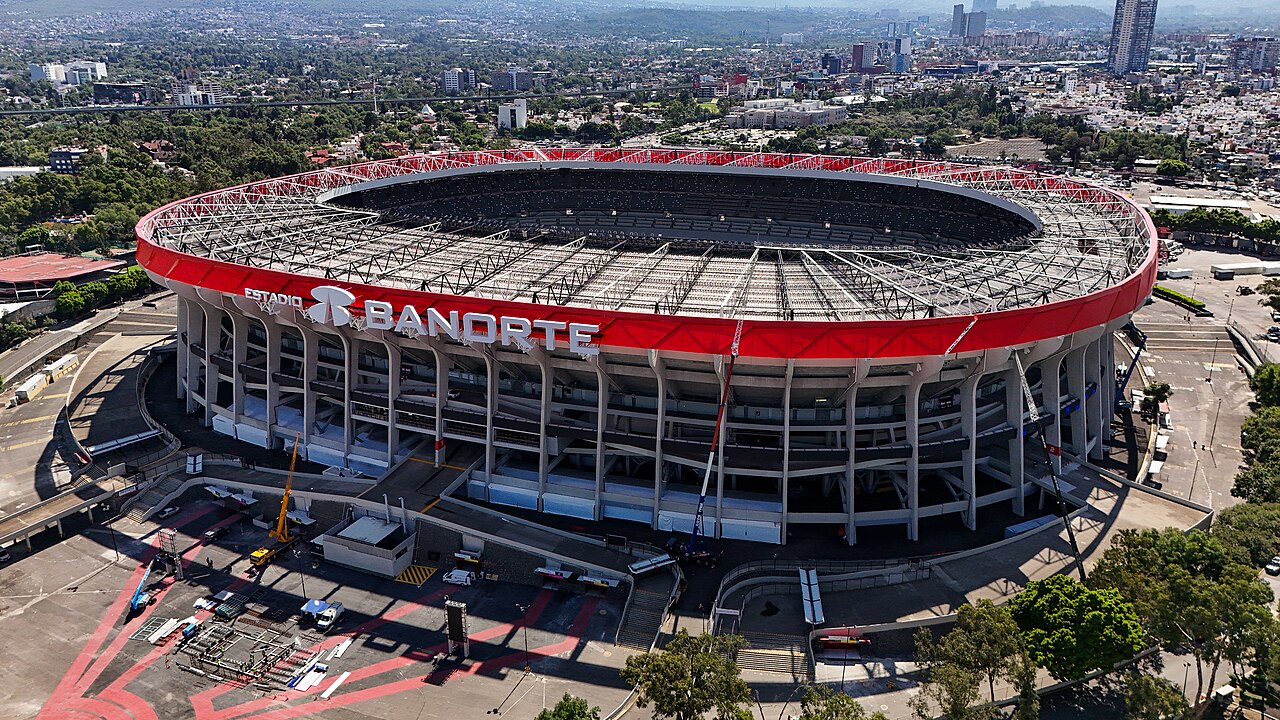
This place is a Attraction. It opened in 1966. It was designed by Rafael Mijares Alcérreca. It is run by Mexico City.
Estadio Azteca is a major football stadium in southern Mexico City and the home ground of Club América and the Mexico national football team. It is one of the city’s most recognisable sporting landmarks. The stadium is especially important to football history because it hosted FIFA World Cup finals in both 1970 and 1986, becoming the first venue to host two finals. Its scale, atmosphere and sporting associations make it a distinctive destination for travellers interested in Mexican football. Estadio Azteca is a football stadium located in southern Mexico City. It is the home ground of Club América and the Mexico national football team. The stadium holds historic significance as the first venue to host two FIFA World Cup finals, in 1970 and 1986. It remains one of the most recognised football stadiums globally and serves as a major landmark in the southern part of the city. The structure has undergone renovations over its operational history. Visitors should verify current operational status before planning attendance. Stadium tours or museum access may exist but require direct verification with operators.
Checked 2026-08-26 · Source
The principal experience is the football ground itself: a large bowl of tiered seating surrounding the pitch, with concourses and circulation areas serving spectators. During a match, the focus is the field, the crowd and the movement through the stadium before and after play. The venue’s identity comes from its sporting history as much as its physical structure. Travellers should approach it as an event venue rather than a conventional museum, with the atmosphere changing substantially according to the fixture.
Checked 2026-08-26 · Source
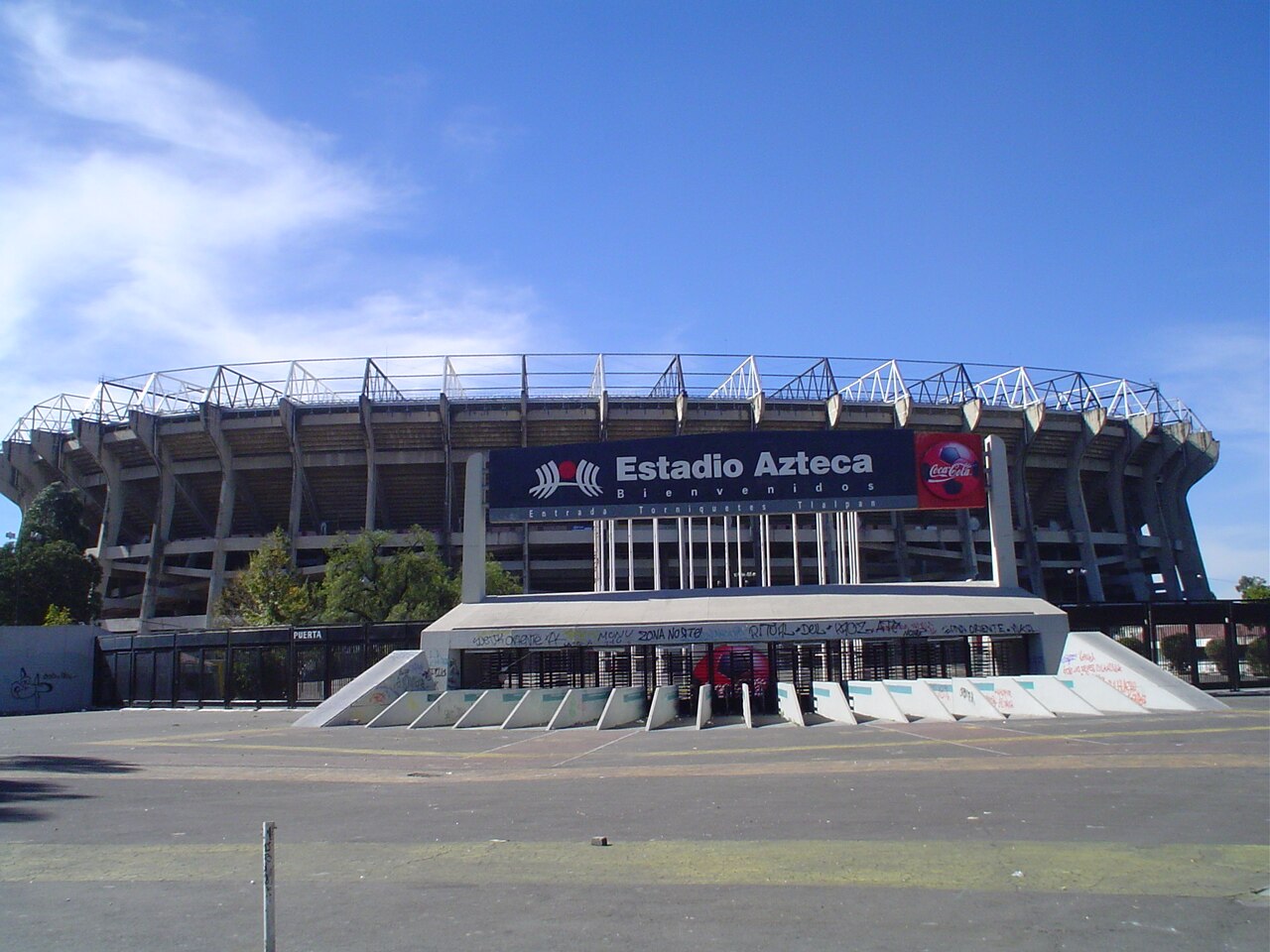
A football match normally occupies around ninety minutes of playing time, followed by the interval and any additional time. For a match visit, allow roughly three to four hours overall so there is room for arrival, entry, finding a seat and leaving with the crowd. The pre-match build-up can be part of the experience, while departure may take longer because many spectators leave together. Plan more generously when travelling across the city for an evening fixture.
Checked 2026-08-26 · Source
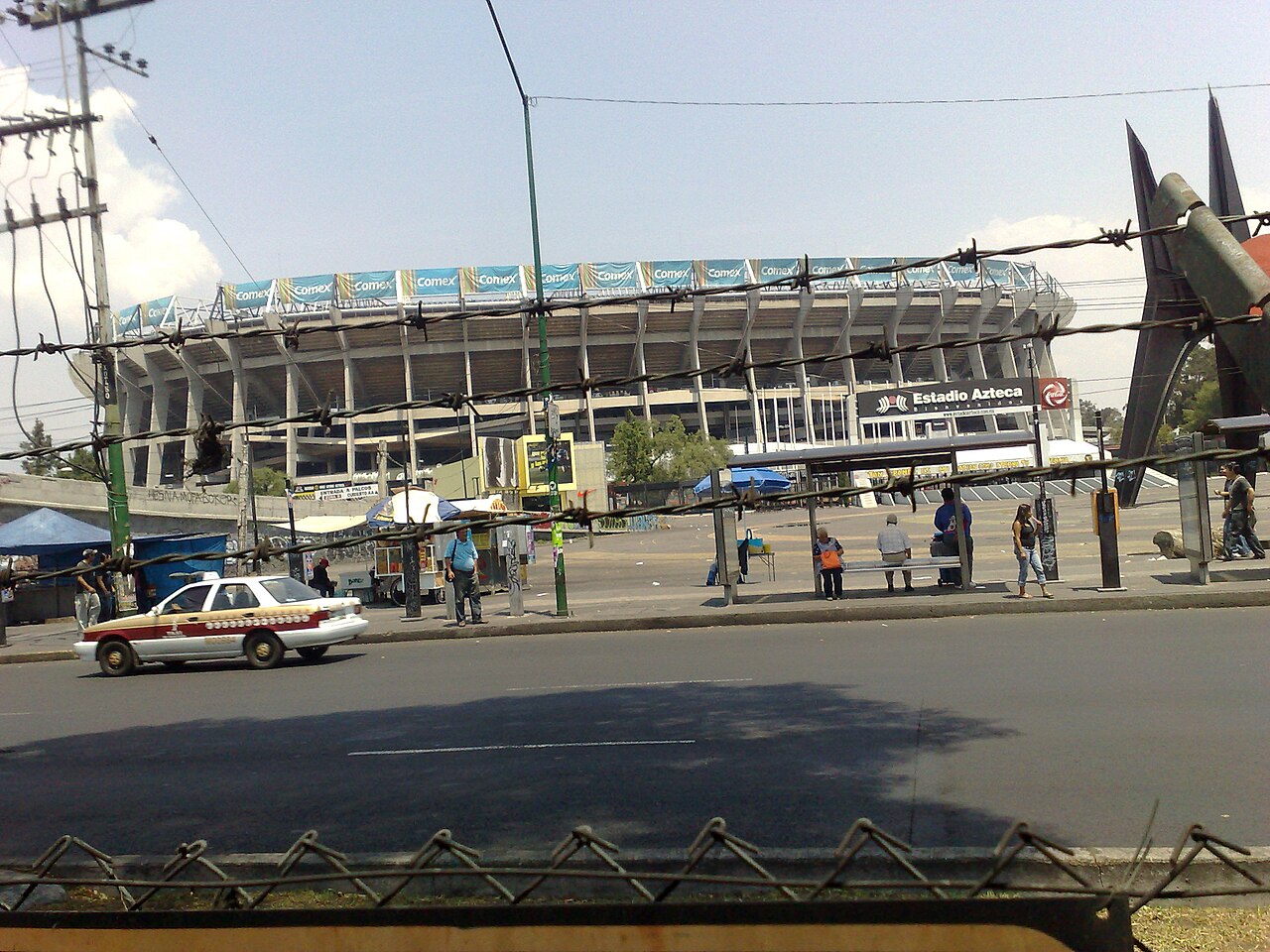
The strongest reason to visit is a scheduled match involving Club América or the Mexico national football team. League and international fixtures create different atmospheres, from regular domestic games to high-profile national occasions. Mexico City’s dry season generally brings more predictable outdoor conditions, while rain is more common from June through September. Event timing shapes the entire visit, so choose a fixture that suits your interests and leave enough time for the southern-city journey and the post-match crowd.
Checked 2026-08-26 · Source
Admission is tied to the particular football event, seating area and opponent. Use the official Club América or stadium distribution channels when buying tickets, especially for popular fixtures. Unofficial resale creates a risk of counterfeit entry. A ticket normally determines both access and seating, so keep it available through the arrival process. Demand can be high for major matches, making advance purchase the practical choice for travellers who are arranging a visit around one specific game.
Checked 2026-08-26 · Source

Estadio Azteca stands in the Tlalpan area of southern Mexico City. The surrounding area is served by public transport, including nearby Metro and bus connections, while taxis and ride-hailing services can reach the stadium. Driving is less convenient on match days because traffic builds around the venue and parking demand rises quickly. Public transport may be crowded after the final whistle, so keep your route simple and expect slower movement while the audience disperses.
Checked 2026-08-26 · Source

Treat a match at Estadio Azteca as a large-crowd event. Keep phones, wallets and passports secure in queues and on crowded transport, and stay aware of the people around you. Buy entry only through recognised channels. After a night match, leave with a clear transport plan and remain on busy routes. Open seating areas can expose you to sun or rain. Once inside, note the nearest exit and follow the instructions of stadium staff.
Checked 2026-08-26 · Source

Photography at a football stadium is best kept to personal, unobtrusive images unless the event rules say otherwise. Follow notices and staff directions, and avoid letting a camera obstruct another spectator’s view. Do not bring a drone to a crowded sporting venue. During play, keep attention on the match rather than using equipment that could disturb people nearby. Exterior views can capture the stadium’s scale, while the interior experience is shaped by the match and the crowd.
Checked 2026-08-26 · Source
Club América and the Mexico national football team use Estadio Azteca as a principal home venue.
Yes. It hosted the FIFA World Cup finals in 1970 and 1986 and was the first stadium to host two finals.
The stadium is in the Tlalpan area of southern Mexico City.
Allow around three to four hours for the match, entry, the interval and departure through the post-match crowd.
Yes. Metro and bus connections serve the surrounding area, although services can be crowded after matches.
Bring your valid event ticket and keep personal belongings secure. Be prepared for crowding and possible sun or rain in open seating areas.
Loading the interactive map…
The interactive map could not be loaded.
Last updated:
Source: OpenStreetMap contributors, Wikidata ·