.jpg)
.jpg)
.jpg)
.jpg)
.jpg)
.jpg)
21 min walk
Centro Cultural Universitario Tlatelolco
- Must see
- Museum
Language · 11 published
Historic monument · Mexico City
Monumento a la Raza
Reviewed by Elena Voss · Roavina Travel Editor
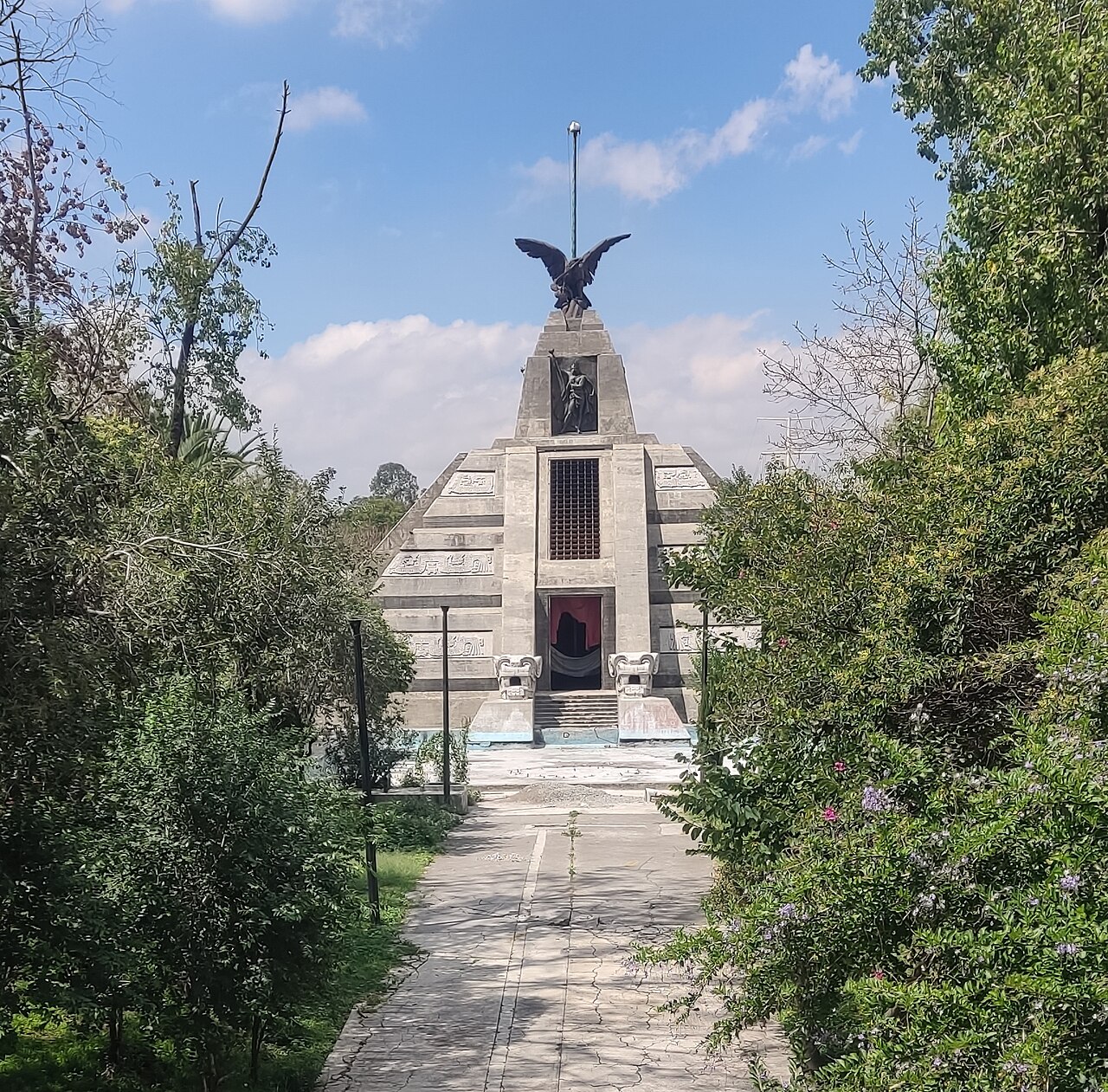
This place is a Monument.
Monument to the Race, known locally as Monumento a la Raza, is a striking landmark in northern Mexico City. Its tall Art Deco form is combined with indigenous-inspired symbolism, giving the structure a distinctive visual identity. The monument works best as an exterior architectural stop and as a way to see a different side of the capital beyond the historic centre. Its position beside busy urban routes makes the contrast between monumental design and everyday city movement especially noticeable. The Monumento a la Raza is a prominent northern Mexico City landmark combining Art Deco architectural elements with indigenous-symbolic forms. The monument stands as a significant civic structure in the urban landscape, offering visitors a distinctive vantage point over the surrounding city. Its design reflects cultural synthesis between modernist and pre-Hispanic aesthetic traditions. The structure serves as both memorial and viewpoint within the metropolitan area. Visitors should note that no in-scope production point of interest exists at this location according to available records. Visitors should verify current arrangements before traveling.
Checked 2026-08-26 · Source
The main experience is the monument itself: a tall tower, strong geometric lines and symbolic elements connected with Mexico's pre-Hispanic heritage. The exterior provides the clearest sense of the design, while the surrounding urban setting gives the landmark much of its character. Treat the stop as an architectural and civic viewpoint rather than as a conventional museum complex. A visit is most rewarding when you pause to study the tower, its motifs and the broad city setting around it. The monument complex centers on its tall tower structure with integrated indigenous design motifs. The Art Deco tower forms the architectural core, while surrounding symbolic elements reference Mexico's pre-Hispanic heritage.
Checked 2026-08-26 · Source

Allow around thirty minutes to an hour for a focused visit. That is enough time to examine the monument from different angles, take photographs and absorb the northern Mexico City setting. Visitors especially interested in architectural detail may stay longer, while travellers using it as a brief landmark stop can keep the visit short. Build in extra time if you want to combine the monument with other northern neighbourhoods or viewpoints.
Checked 2026-08-26 · Source

Daylight is the natural choice for seeing the tower and its symbolic details. Morning and late afternoon give the structure more varied light and are particularly useful for photography. The dry season, generally from November through April, can offer clearer conditions for distant city views. The monument is a good addition when your route already reaches northern Mexico City, since its scale and setting make more sense when experienced in the surrounding urban landscape.
Checked 2026-08-26 · Source
Plan this as an exterior monument visit rather than a ticketed museum experience. The attraction's value comes from viewing the tower, its Art Deco geometry and its indigenous-inspired forms in the city landscape. Keep the stop flexible within your itinerary and focus on the public-facing monument surroundings. If you are hoping to climb or enter the structure, that would be a separate experience from appreciating the landmark from outside.
Checked 2026-08-26 · Source
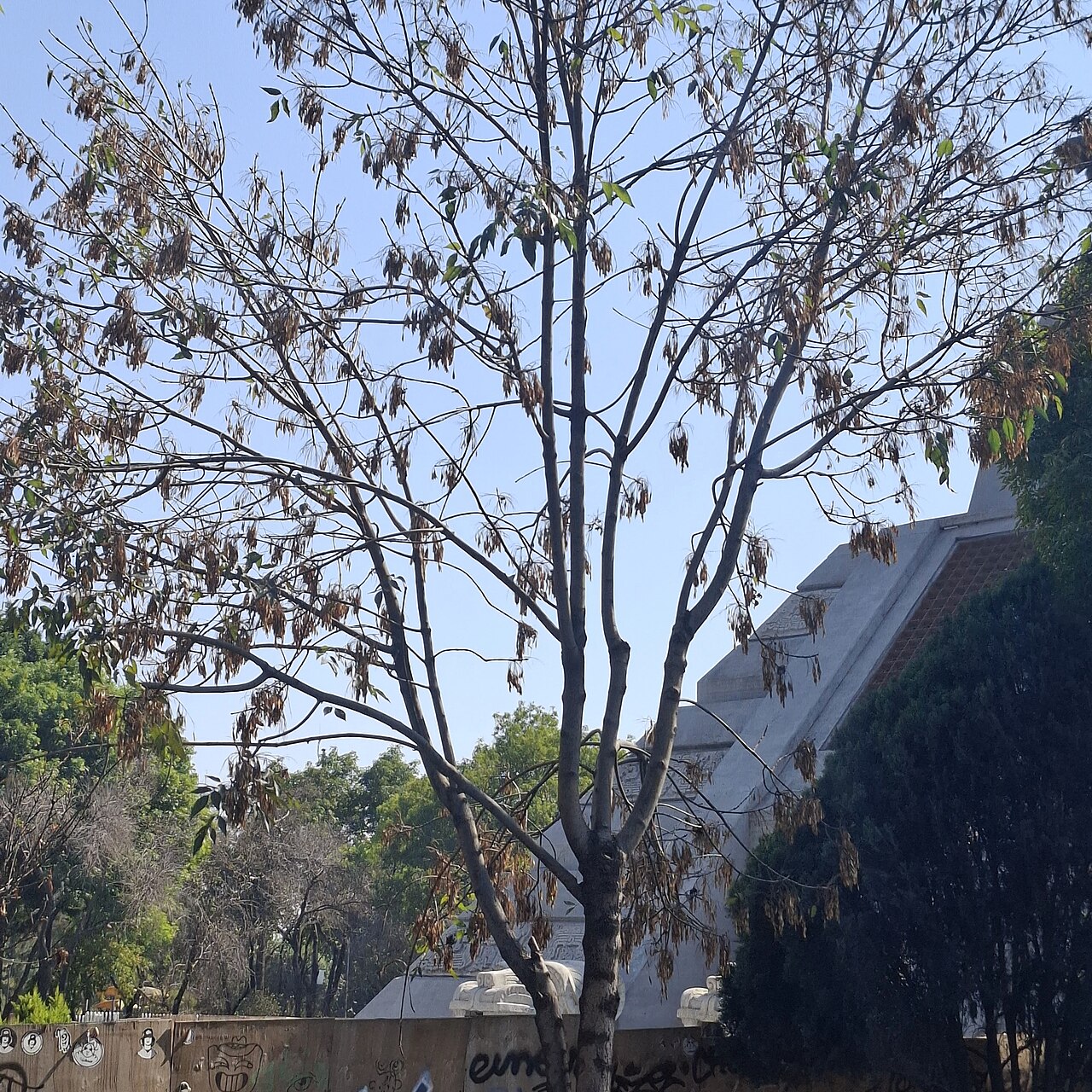
The monument stands in northern Mexico City, near major roads and the metropolitan transport network. Metro services reach the wider area, followed by a walk through busy city streets. Taxis and ride-hailing vehicles are practical for a direct arrival, especially when the monument is one stop in a broader northern route. Allow time for traffic and crossings around the large thoroughfares, and use a current map for the final walking approach.
Checked 2026-08-26 · Source
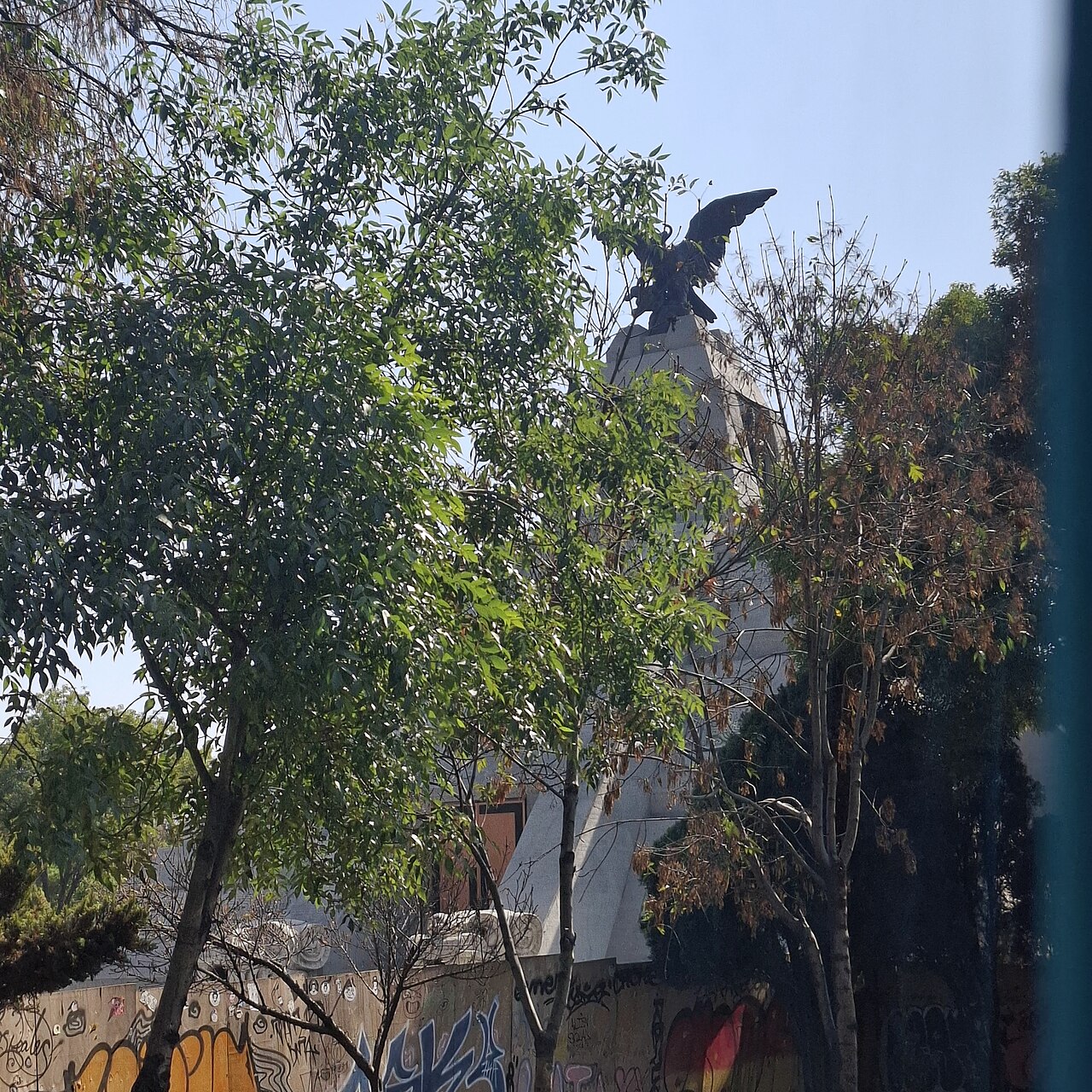
This is an urban landmark beside active roads, so traffic is the main practical consideration. Stay alert while approaching and photographing the structure, particularly near crossings and crowded edges. The elevated setting can feel sunny or windy, so a hat, water and sun protection are useful during a daytime stop. Respect barriers and any restricted areas around the monument. For the clearest experience, visit in daylight and keep valuables secure as you would elsewhere in the capital.
Checked 2026-08-26 · Source
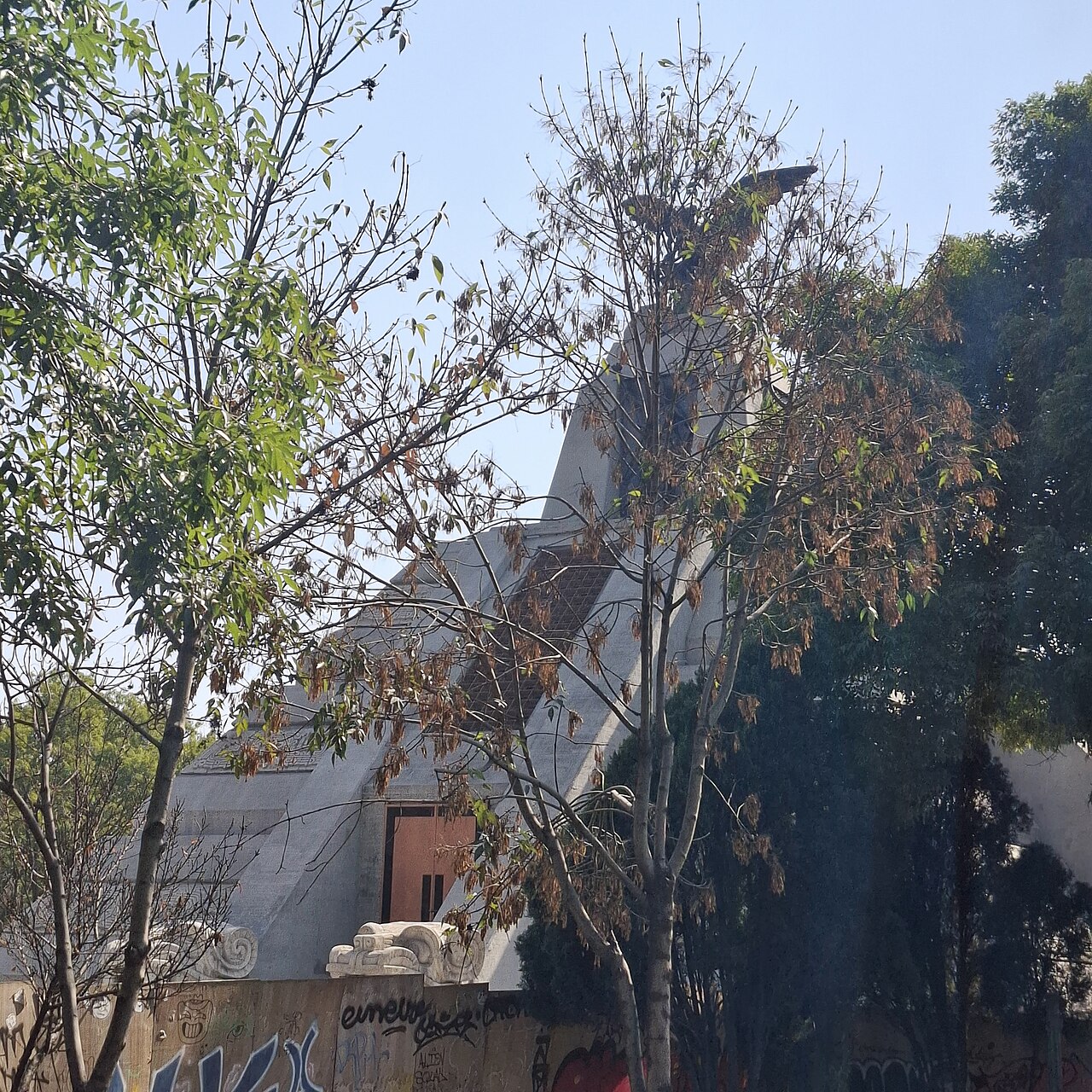
Use the monument's height and geometric design to create strong vertical compositions. Photograph the tower from several angles so the Art Deco structure and indigenous-inspired elements read together. Morning or late-afternoon light can add texture to the surfaces, while clearer weather helps the wider city setting remain visible. The surrounding roads and skyline can provide scale. Keep equipment compact and remain considerate of pedestrians, traffic and any marked restrictions around the civic site.
Checked 2026-08-26 · Source
It is known for its tall Art Deco tower combined with indigenous-inspired symbolism, making it a distinctive civic landmark in northern Mexico City.
Allow roughly thirty minutes to an hour to view the structure, walk around it and take photographs.
Daylight works best, with morning and late afternoon offering more varied light across the tower and its architectural details.
The monument is in northern Mexico City, near major roads and the metropolitan public transport network.
Focus on the tower's Art Deco geometry, its indigenous-inspired forms and the way the monument stands within the northern city landscape.
Comfortable shoes, water and sun protection are useful because the stop involves outdoor viewing in a busy urban setting.
Loading the interactive map…
The interactive map could not be loaded.

Last updated:
Source: OpenStreetMap contributors, Wikidata ·