
3 min walk
Chapultepec Castle
- Must see
- Museum
Language · 11 published
Museum · Mexico City
Reviewed by Elena Voss · Roavina Travel Editor
| Monday | Closed |
|---|---|
| Tuesday | 09:00 – 16:15 |
| Wednesday | 09:00 – 16:15 |
| Thursday | 09:00 – 16:15 |
| Friday | 09:00 – 16:15 |
| Saturday | 09:00 – 16:15 |
| Sunday | 09:00 – 16:15 |
Checked 2026-08-31 · Source
Read from the OpenStreetMap access tags; anything not listed has no tag recorded.
Set the group type to family in the planner and the day window contracts to about three quarters of a solo day.
This place is a Museum.
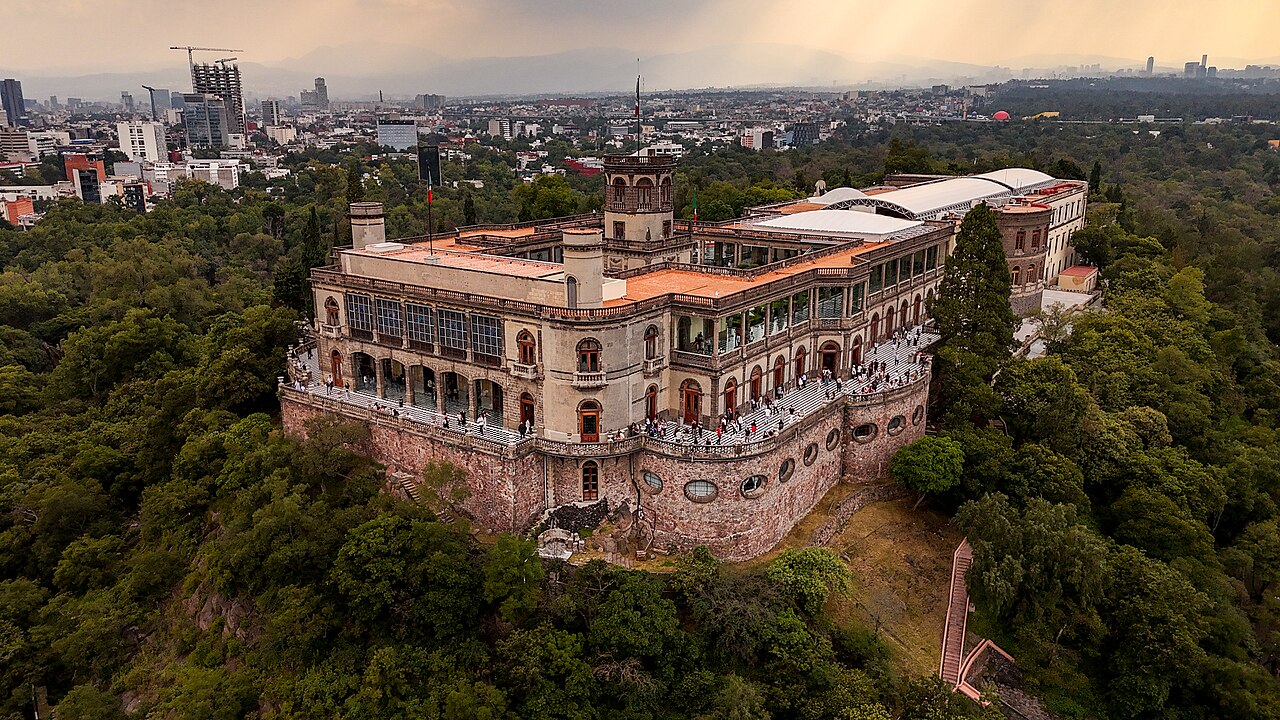
Museo del Caracol is a history museum in Mexico City’s Chapultepec complex. Its formal name is Museo Nacional de Historia, Museo del Caracol, while the popular name refers to the building’s distinctive spiral form. The museum tells parts of Mexico’s national story through scale models and dioramas, giving visitors a visual and three-dimensional way to follow historical events. It is separate from Chapultepec Castle, although both belong to the same wider historical landscape and can be considered together when planning a museum-focused day. Museo del Caracol, formally Museo Nacional de Historia, Museo del Caracol, is a history museum in Mexico City. No. Museo del Caracol is a separate museum within the broader Chapultepec historical complex. It occupies a distinct spiral-shaped building and focuses specifically on scale model presentations of Mexican history, while Chapultepec Castle is a larger, separate institution with different content and scope.
Checked 2026-08-26 · Source
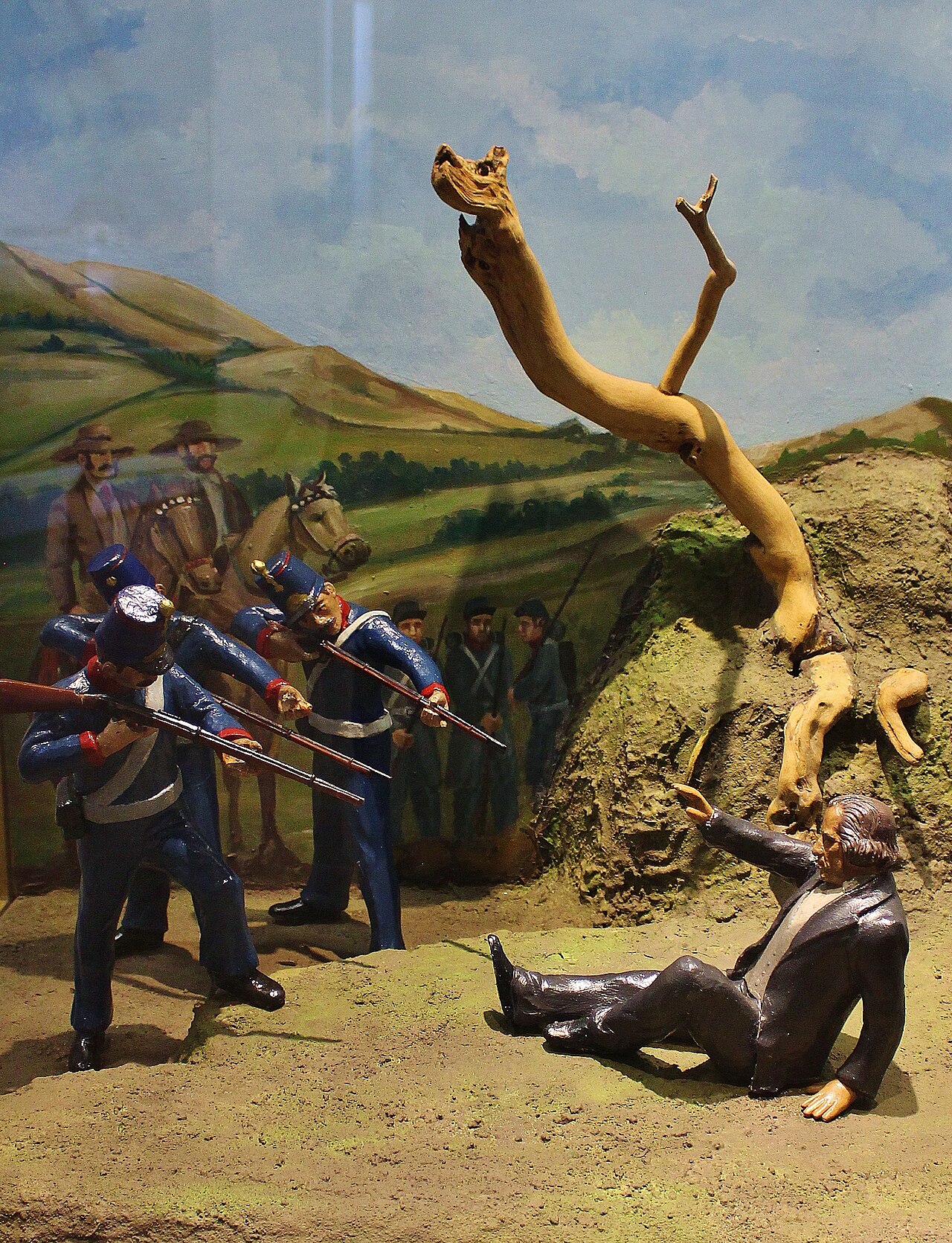
Scale models and dioramas are the museum’s central attraction. They present key episodes and periods of Mexican national history through miniature reconstructions, spatial scenes, and visual storytelling. The spiral building creates a distinctive route through the experience, helping the visit feel like a gradual historical progression rather than a collection of unrelated rooms. Visitors who enjoy maps, models, battles, and chronological narratives will find the format especially engaging. Read the displays carefully and pause at scenes that need historical context instead of moving through the spiral only for its architecture.
Checked 2026-08-26 · Source
A visit commonly fits into about forty-five minutes to two hours, depending on how closely visitors study the dioramas and historical explanations. The spiral form provides a contained route, while detailed scenes can reward a slower pace. Travellers making a brief Chapultepec stop can complete a concise circuit; history enthusiasts may want longer to examine the visual narratives. If the museum is paired with Chapultepec Castle, leave time for the second institution and for movement through the park rather than treating both as one small indoor visit.
Checked 2026-08-26 · Source
Museo del Caracol works well in a Chapultepec itinerary when the group wants a compact history stop among the park’s larger destinations. Morning visits can provide a calmer start before the complex becomes busier, while weekdays generally offer a less crowded setting than weekends, holidays, or school breaks. Mexico City’s rainy season can make an indoor museum especially useful between outdoor walks. Place it beside Chapultepec Castle or another nearby attraction, but leave enough time for the park’s paths and the group’s changing energy.
Checked 2026-08-26 · Source
The museum forms part of the Chapultepec historical complex, but this guide does not establish whether its admission is separate from or connected with Chapultepec Castle entry. Do not build a precise cost plan around the relationship between the two institutions. The museum’s compact scale makes it a useful addition to a broader cultural day, with spending and timing arranged for the whole complex. Keep enough time for the main historical visit you want, because the two museums have different content and should not be treated as interchangeable.
Checked 2026-08-26 · Source
Museo del Caracol is inside Chapultepec Park, where visitors reach the wider complex by public transport and then continue through the park on foot. The grounds are extensive, and the spiral building may require internal navigation from the chosen entrance or from Chapultepec Castle. Metro and bus connections serve the surrounding park area, while taxis and ride-hailing services can approach access points. Carry the museum’s full name and allow time for the final walk, since reaching Chapultepec is only the first part of the journey.
Checked 2026-08-26 · Source
The spiral layout shapes the visit and may make the route more demanding for visitors who need a simple, level circulation path. The guide does not describe the building’s access arrangements, so plan with the known spiral form in mind. Some viewing points may require leaning or standing close to displays, and busy periods can make narrow passages feel crowded. Protect personal belongings in the park and transit connections. Mexico City’s altitude and the walking distance across Chapultepec can also affect stamina, so include pauses in a combined museum day.
Checked 2026-08-26 · Source
The dioramas and spiral architecture offer strong subjects for personal photographs, but display protection and visitor comfort come first. Follow signs about flash, video, tripods, and equipment, and keep a clear distance from the models. Narrow sections of the route can become difficult when visitors stop for long photography sessions, so step aside where possible. Respect other guests’ viewing experience and privacy. Treat commercial photography as a separate activity from ordinary holiday pictures, and keep attention on the historical scenes rather than photographing every room automatically.
Checked 2026-08-26 · Source
No. Museo del Caracol is a separate museum in the Chapultepec historical complex, focused on scale models and dioramas of Mexican history.
“Caracol” means snail or shell in Spanish and refers to the museum’s distinctive spiral-shaped building.
The core experience is a series of detailed scale models and dioramas that present key episodes and periods of Mexican national history.
Allow about forty-five minutes to two hours, depending on how closely you study the dioramas and historical explanations.
Yes. Both are in the Chapultepec historical complex, but they are separate institutions with different content and should be planned as two distinct visits.
Expect a distinctive spiral structure with a contained route through historical displays, including scale models and dioramas.
Loading the interactive map…
The interactive map could not be loaded.

Last updated:
Source: OpenStreetMap contributors ·