


6 min walk
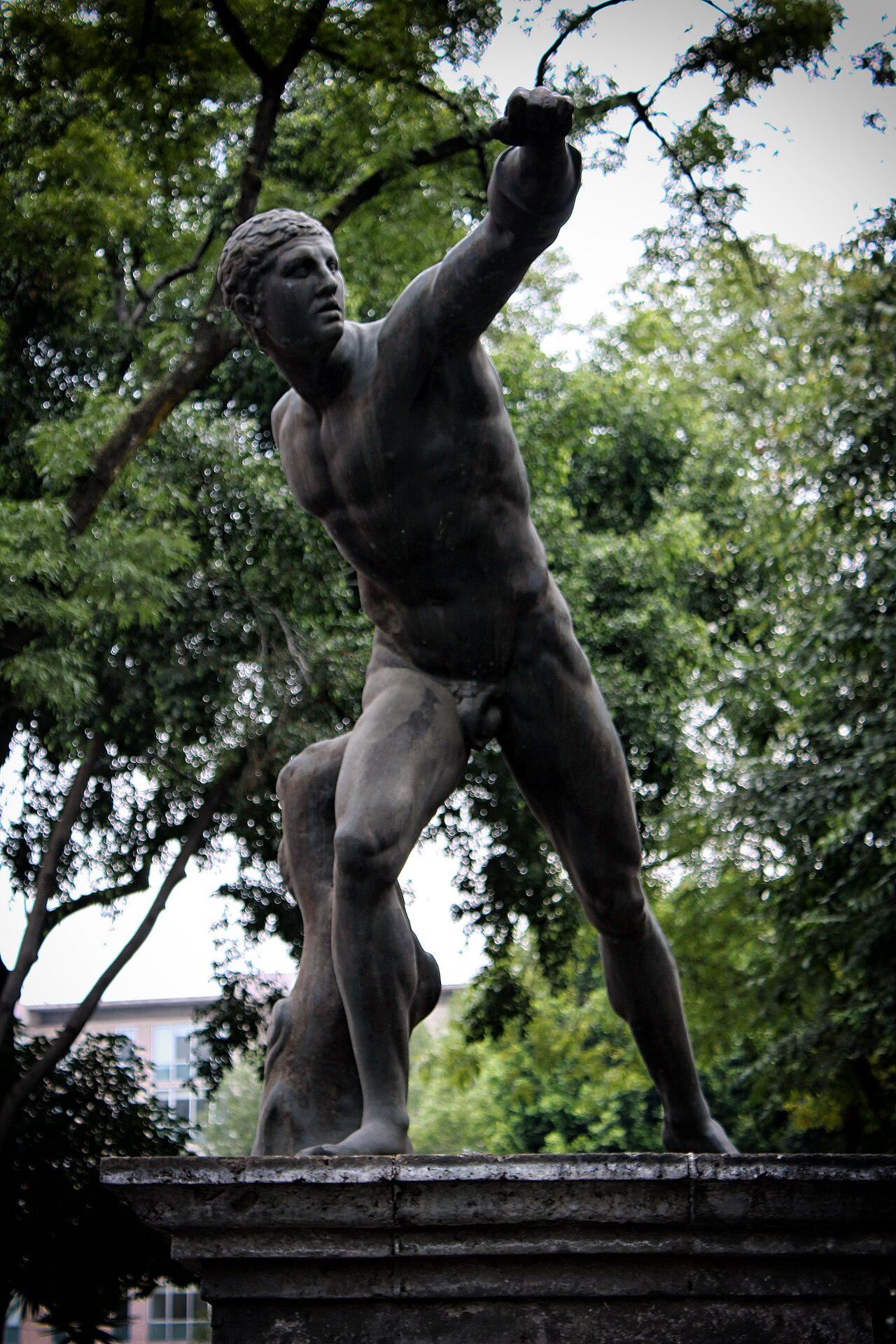
Gladiador de Borguese
- Notable
- Art and culture venue
Language · 11 published
Museum · Mexico City
MODO - Museo del Objeto del Objeto
Reviewed by Elena Voss · Roavina Travel Editor
| Monday | Closed |
|---|---|
| Tuesday | 10:00 – 18:00 |
| Wednesday | 10:00 – 18:00 |
| Thursday | 10:00 – 18:00 |
| Friday | 10:00 – 18:00 |
| Saturday | 10:00 – 18:00 |
| Sunday | 10:00 – 18:00 |
Parsed from OpenStreetMap opening hours on 2026-09-09.
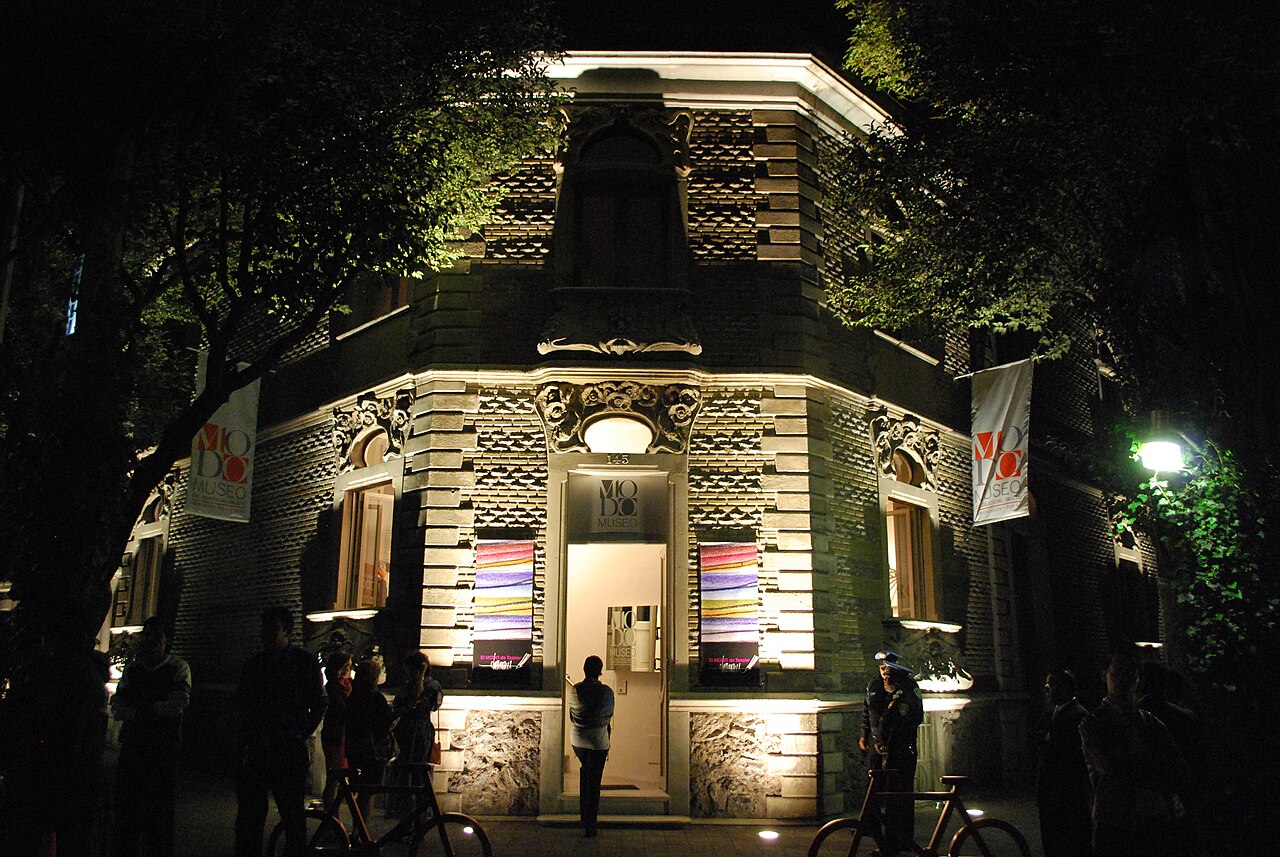
This place is a Museum. It opened in 2010. It was built in the Art Nouveau architecture style.
Museo del Objeto del Objeto, known as MODO, is a museum in Mexico City’s Roma neighbourhood. It interprets visual culture through Mexican design, advertising and everyday objects. Rather than concentrating on conventional fine art, MODO shows how ordinary things can express social memory, commercial ideas and changing daily life. Its location makes it a natural cultural stop while walking through Roma and the surrounding central neighbourhoods. The Museum of the Object of the Object, known locally as Museo del Objeto del Objeto or MODO, is a museum in Mexico City. It focuses on interpreting visual culture through Mexican design, advertising, and everyday objects. The institution is situated in the Roma neighborhood, an area recognized for its cultural significance within the city. MODO examines how ordinary items reflect broader social and historical narratives, positioning itself as a venue for understanding material culture rather than conventional fine art displays. MODO is the acronym for Museo del Objeto del Objeto, the Spanish name for the Museum of the Object of the Object.
Checked 2026-08-26 · Source
MODO’s collections bring together Mexican design, advertising materials and everyday objects. The displays use these items to explore visual culture and the meanings attached to domestic and commercial life. Expect a thematic museum experience in which packaging, graphic communication and utilitarian objects can be read as evidence of how people lived and consumed. The interest lies in connections between objects, design choices and broader Mexican cultural narratives. MODO's collections center on Mexican design, advertising materials, and everyday objects that collectively interpret visual culture. The museum uses these items to explore how commercial and domestic artifacts communicate meaning. The Roma location suggests engagement with a culturally aware audience. Visitors should expect thematic presentations rather than permanent galleries, with content rotating to highlight different aspects of Mexico's material heritage and design evolution.
Checked 2026-08-26 · Source

Allow about sixty to ninety minutes for a focused visit to MODO. The objects reward close looking, particularly when you compare graphic styles, packaging, advertisements and domestic forms across the displays. Visitors with a strong interest in design or material culture may want longer. If your time is limited, prioritise the rooms or themes that most clearly connect Mexican everyday life with the museum’s visual-culture approach. Visitor duration at MODO depends on exhibition scale and personal interest in design history. A typical museum visit for comparable institutions ranges from sixty to ninety minutes, though enthusiasts of graphic design or material culture may spend longer.
Checked 2026-08-26 · Source

MODO works well as part of a Roma walking day, alongside the neighbourhood’s streets and other cultural stops. Choose a time that leaves room for attentive viewing rather than treating the museum as a quick photograph stop. Mexico City’s summer rain can affect journeys between neighbourhood streets, so an indoor museum visit can provide a useful pause within the day. The experience is strongest when you give the objects time to speak through their details.
Checked 2026-08-26 · Source
The visit is built around MODO’s collections and thematic interpretation of design, advertising and everyday objects. Plan your museum stop around the exhibition experience rather than expecting a fine-art institution. The changing relationship between ordinary objects and Mexican visual culture is the principal value of the visit. A measured pace helps you notice the printed, domestic and commercial details that make the displays distinctive.
Checked 2026-08-26 · Source

MODO is in Roma, a central Mexico City neighbourhood with access through the Metro and Metrobus networks. Insurgentes and Chilpancingo are useful nearby Metro reference points for reaching the wider Roma-Condesa area, followed by a walk through the neighbourhood. Walking from nearby accommodation is practical. Street parking can be limited, while ride-hailing services provide another way to reach the museum’s central location.
Checked 2026-08-26 · Source

Roma is a busy urban neighbourhood with active traffic and uneven pavements in places. Keep personal belongings close while moving between the museum and nearby streets. Inside, give fragile objects respectful space and follow the museum’s visitor directions. Different rooms can feel cooler or warmer, so light layers are useful. The collection’s everyday character can invite close inspection, but displays still require the same care as any museum object.
Checked 2026-08-26 · Source
MODO’s displays offer photographic subjects through packaging, advertising, graphic design and domestic objects. Look for repeated colours, typography and forms that show how visual culture enters ordinary life. Keep flash and equipment use compatible with the museum environment, and follow any signs or staff directions in the galleries. Personal photographs are most rewarding when they record relationships between objects and themes rather than isolated souvenirs.
Checked 2026-08-26 · Source
MODO is the acronym for Museo del Objeto del Objeto, the Spanish name of the Museum of the Object of the Object.
It displays Mexican design, advertising materials and everyday objects as a way to interpret visual culture.
MODO is located in Mexico City’s Roma neighbourhood, a central area suited to walking between cultural stops.
Plan approximately sixty to ninety minutes for a focused visit, with more time for close study of the objects and themes.
No. MODO focuses on design, advertising and everyday objects rather than conventional fine-art displays.
The museum connects Mexican everyday life with visual culture, making it a strong complement to exploring Roma’s streets and cultural scene.
Loading the interactive map…
The interactive map could not be loaded.
Last updated:
Source: OpenStreetMap contributors, Wikidata ·