


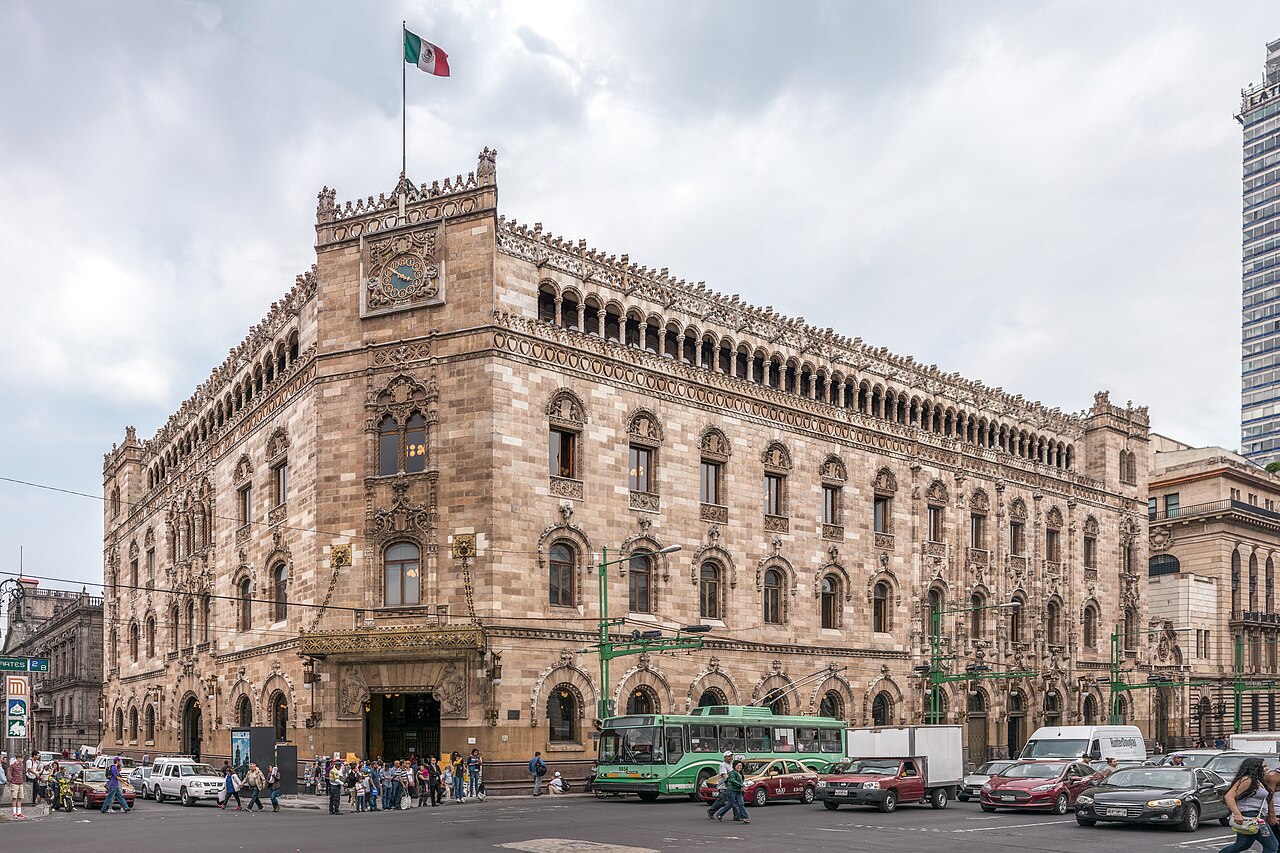
1 min walk
Palacio de Correos de Mexico
- Must see · Heritage site
- Historic monument
Language · 11 published
Museum · Mexico City
Reviewed by Elena Voss · Roavina Travel Editor
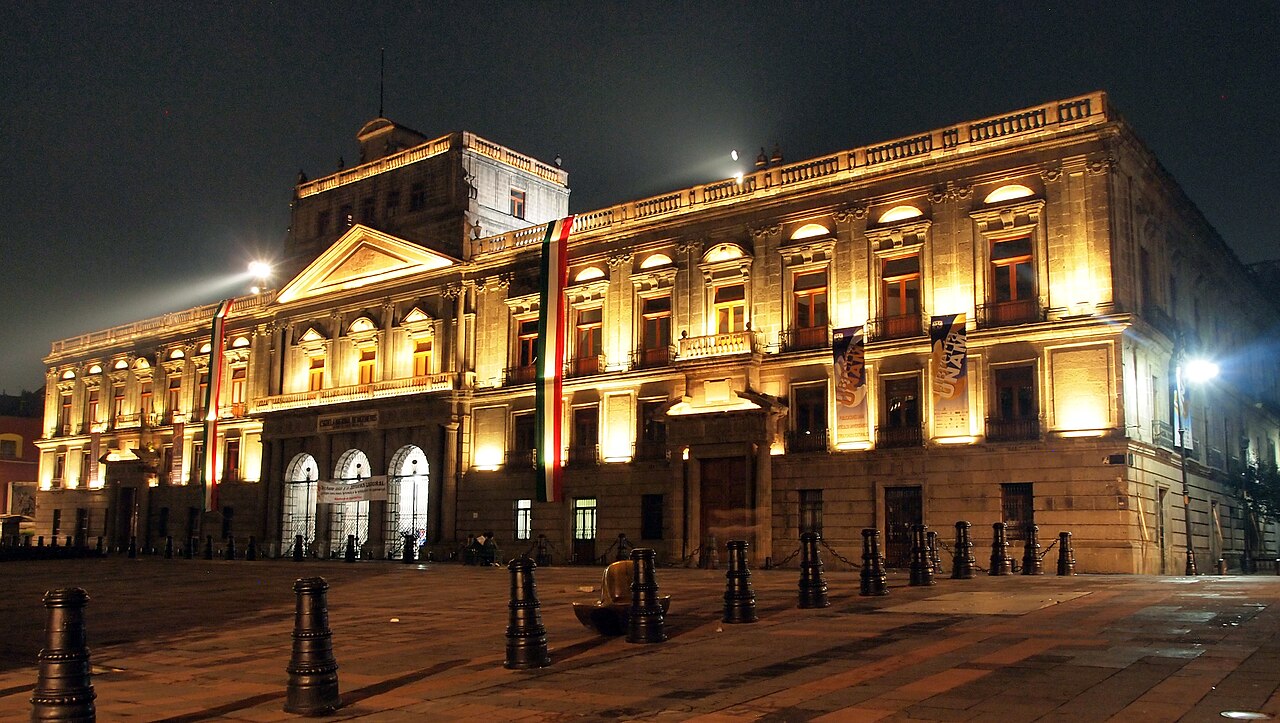
This place is a Museum. It was built in the Neoclassical architecture style. It was designed by Manuel Tolsá.
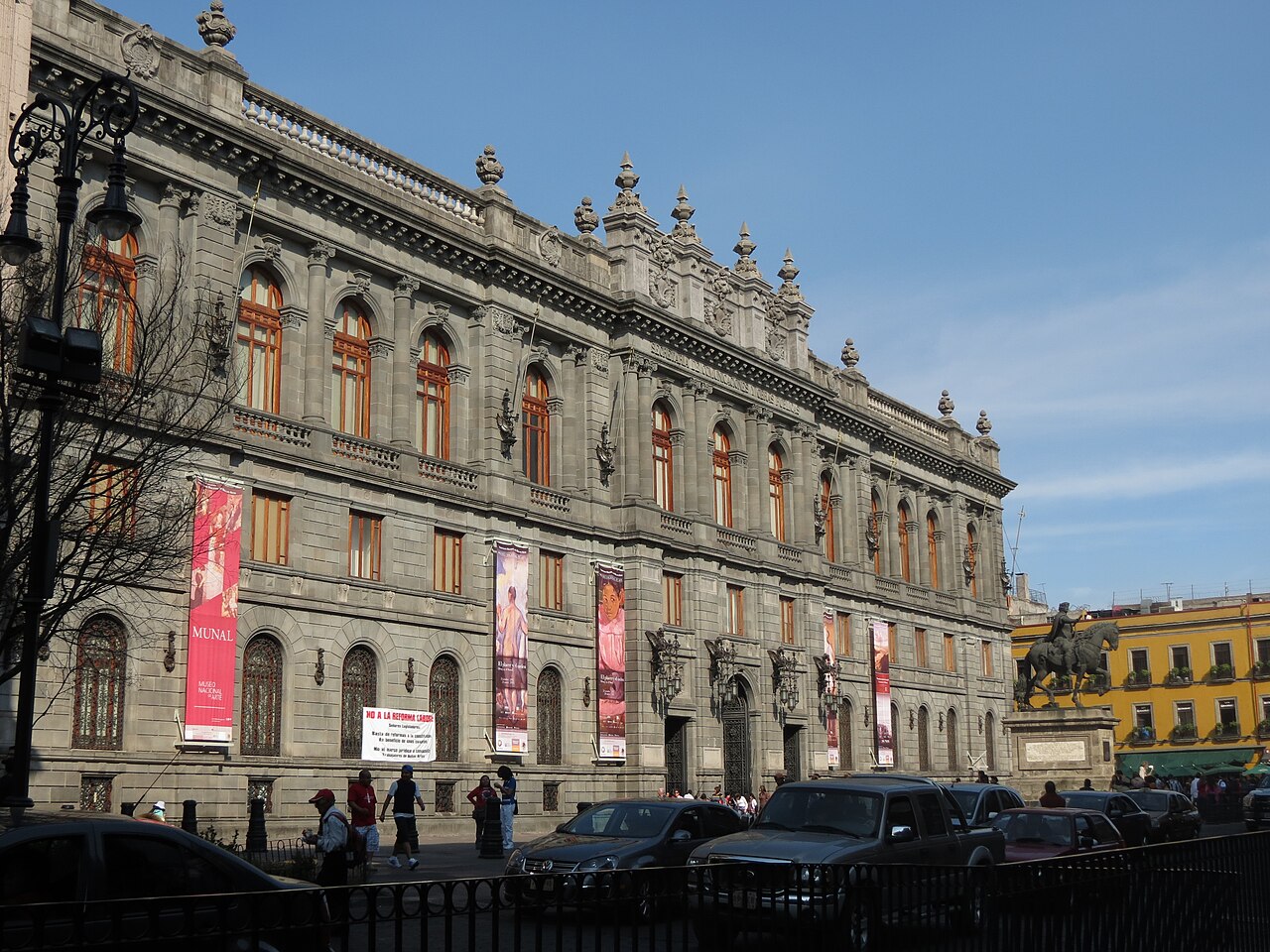
Palacio de Minería is a neoclassical building in Mexico City’s historic centre. It was constructed as an engineering school and remains one of the area’s notable civic interiors. The building also serves as a cultural venue for major events. Plan this stop as an architectural and institutional heritage visit, with access shaped by public programmes rather than by a conventional museum circuit. The Palacio de Minería is a neoclassical building in Mexico City's historic centre. Constructed as an engineering school, it stands as one of the finest civic interiors in the area. The building serves as a significant cultural venue, hosting major events throughout the year. Its architectural importance reflects the prominence of mining engineering in Mexican history. The structure represents institutional heritage rather than a conventional museum or tourist attraction. Visitors should approach it primarily as a historic educational building with periodic public access rather than a dedicated sightseeing destination. The building functions as an active cultural venue without predictable daily opening patterns. Visitors should consult the official website for current accessibility.
Checked 2026-08-26 · Source
The interior is the main reason to visit Palacio de Minería. Its neoclassical rooms show the scale and decorative ambition associated with an important nineteenth-century engineering institution. Cultural events can change how the rooms are arranged and experienced. Depending on the programme, you may encounter an event setting, exhibition installation or ceremony rather than a fixed collection. Look closely at the building’s proportions, ornament and historic atmosphere. The interior contains notable neoclassical spaces characteristic of early nineteenth-century civic architecture. The building's finest rooms demonstrate the grandeur intended for Mexico's premier engineering institution. Major cultural events occupy these spaces, suggesting adaptable configurations for exhibitions, ceremonies, and performances. Visitors may encounter temporary installations or event preparations rather than fixed interpretive materials. The architectural fabric itself constitutes the primary interior experience, with decorative and spatial qualities deserving attention. What is visible on any given day depends on scheduled activities.
Checked 2026-08-26 · Source
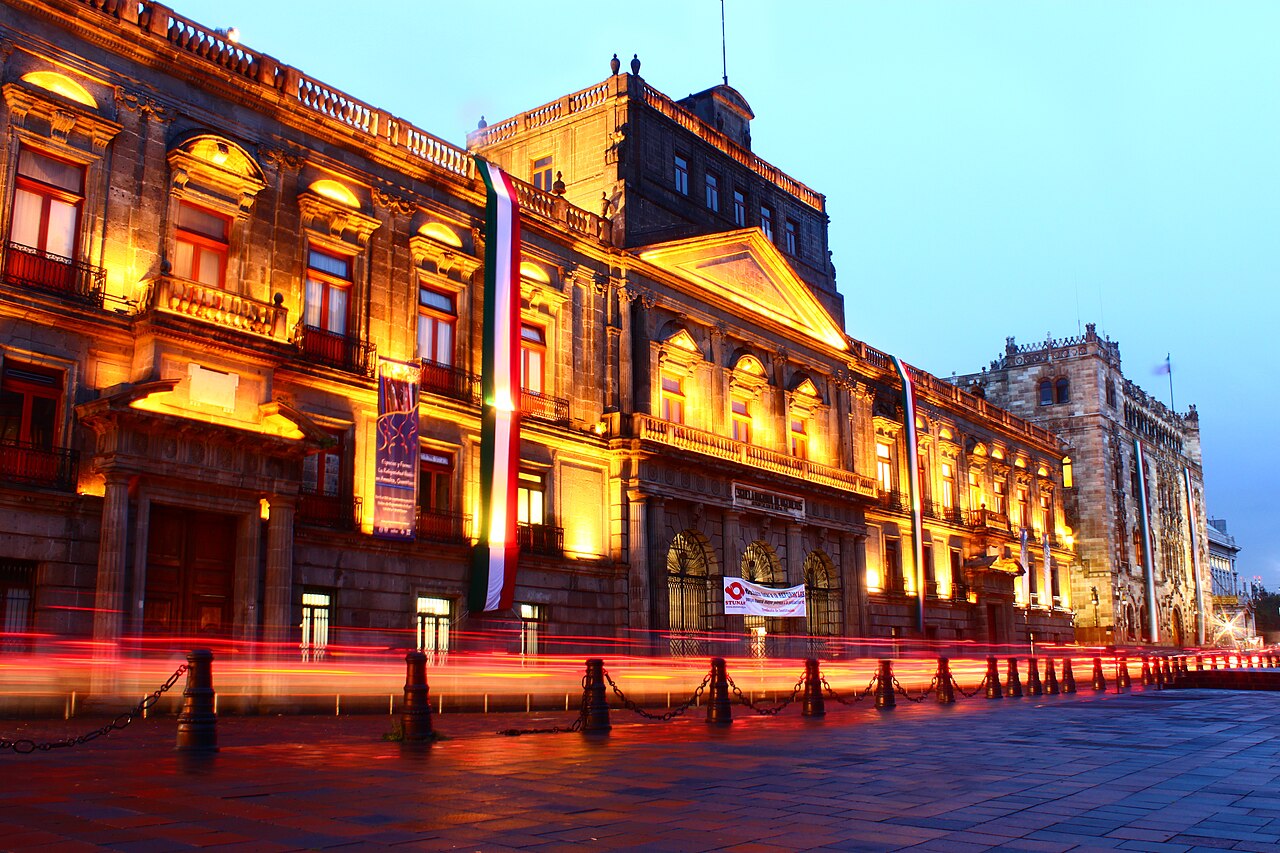
Allow roughly thirty to sixty minutes when the building is open for architectural viewing without an event. This gives enough time to appreciate the principal interior spaces and decorative details at an unhurried pace. If you are attending a cultural programme, reserve the full time stated for that event and add time for arrival, entry and seating. The visit is centred on the building and programme, not on a permanent gallery route.
Checked 2026-08-26 · Source
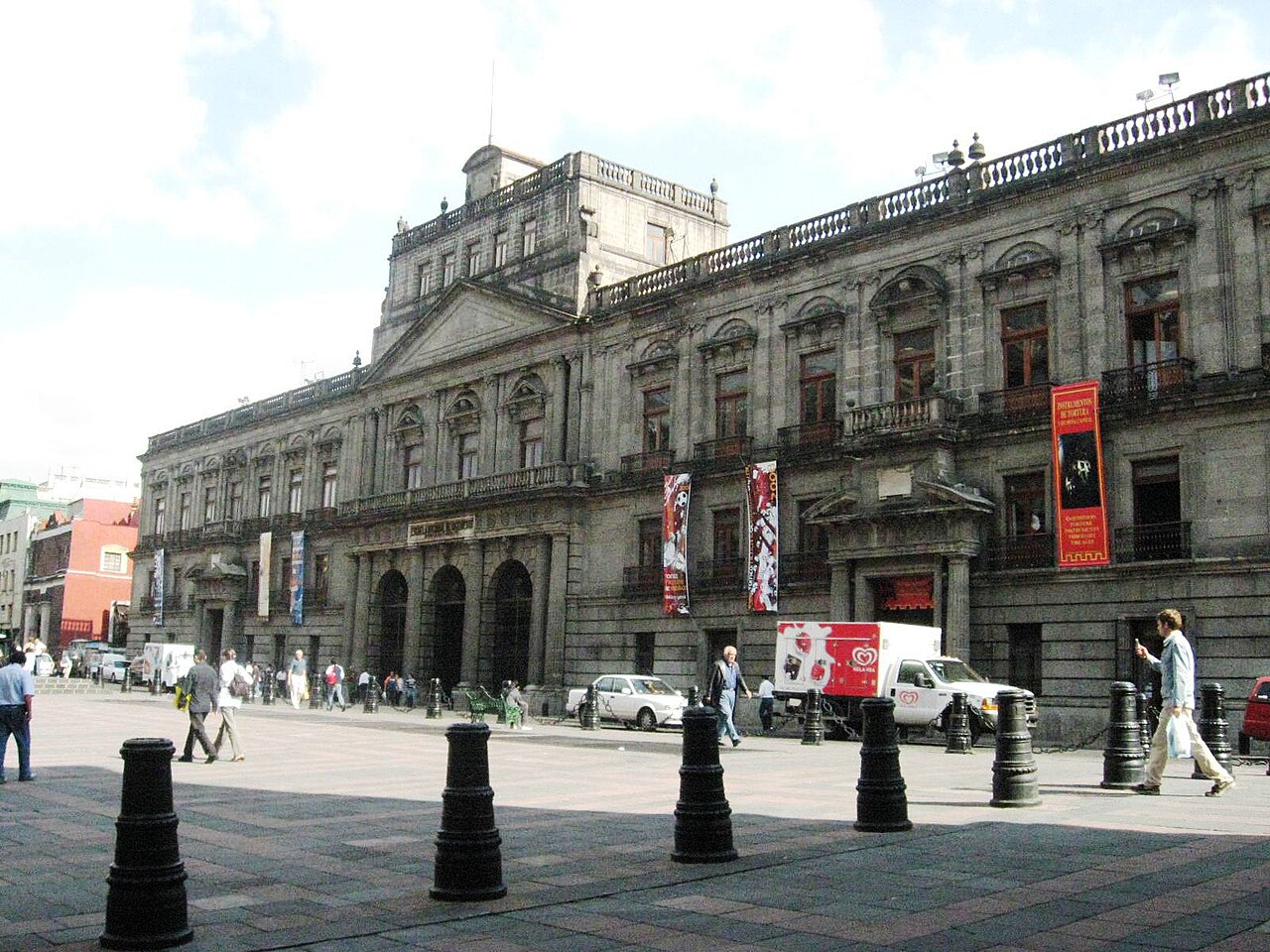
Palacio de Minería is an active cultural venue, so the best time to visit depends on a public access period or scheduled event. It is a useful stop while exploring Mexico City’s historic centre, where many other landmarks remain available to visit around it. Build your route with nearby central sights so the outing remains worthwhile if the interior is occupied by institutional or cultural activity.
Checked 2026-08-26 · Source
Admission depends on the kind of access offered for your visit. A cultural event may use a ticketed arrangement, while an architectural viewing opportunity may follow a different entry system. Treat the programme itself as the organising detail for this stop. Once inside, the principal reward is the neoclassical building and its historic educational character rather than a large permanent museum collection.
Checked 2026-08-26 · Source

The building stands in Mexico City’s historic centre, a dense district well suited to combining public transport with walking. Reach the central area by the city’s transit network, then continue on foot between Palacio de Minería and nearby historic landmarks. Private-car travel is less convenient in this part of the city because central streets are busy and parking is limited. A walking route through the centre makes the visit easier to combine with other sights.
Checked 2026-08-26 · Source
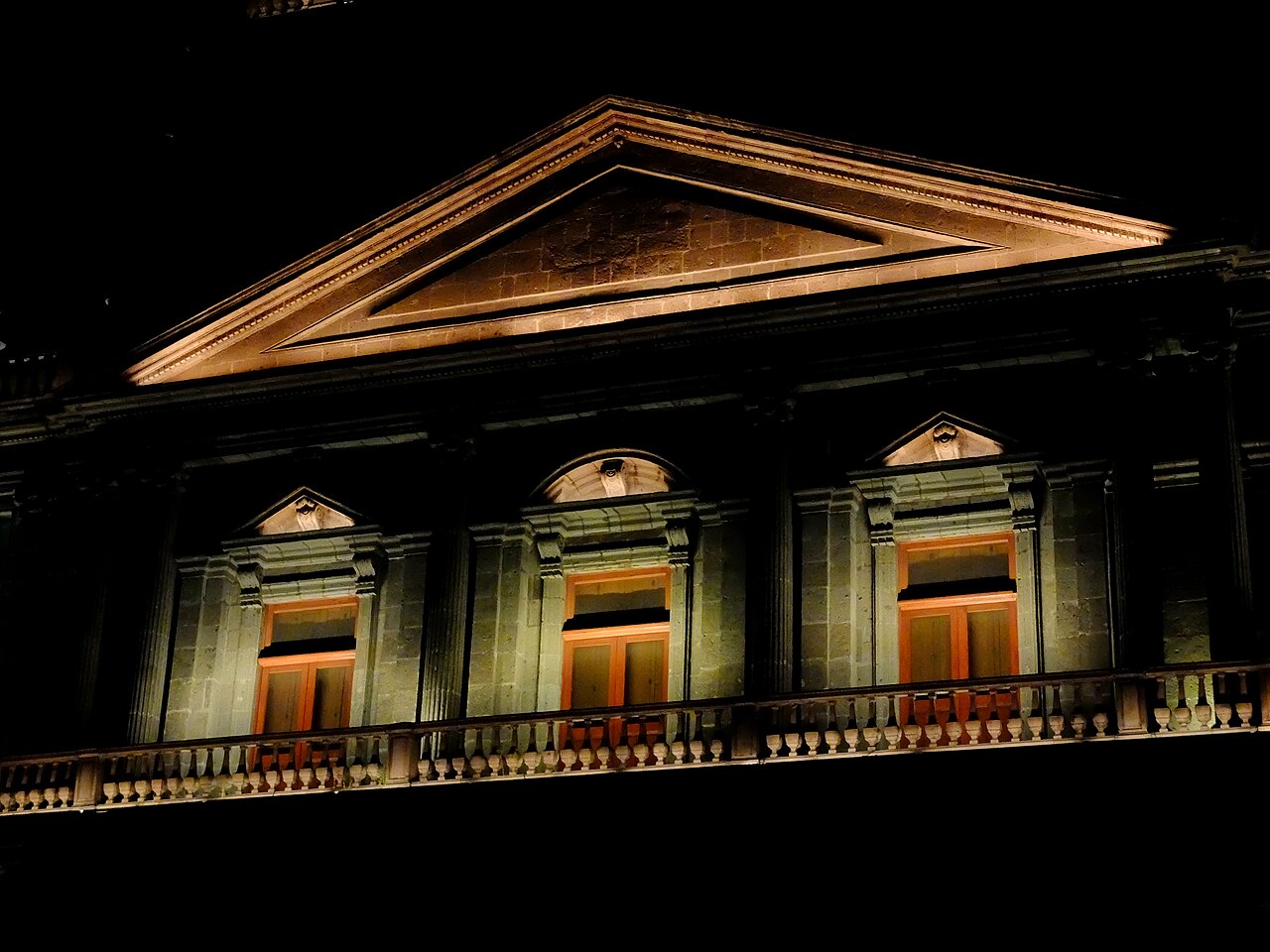
This is an active institutional and cultural building, not an unrestricted museum. Public areas can change with events, ceremonies and academic activity, and some rooms may not be available during your visit. Follow signs and staff directions throughout the building. Historic interiors may include stairs and older floor surfaces, so keep the planned route flexible if you need step-free movement. Event entry can also involve queues or security procedures.
Checked 2026-08-26 · Source

The neoclassical interior offers strong subjects for architectural photography, especially its scale, ornament and room proportions. During an event, keep your camera and phone use subordinate to the programme and other visitors. Follow any signs or staff directions governing images in the building. If photography is permitted, focus on details that convey the historic educational character of Palacio de Minería without disrupting ceremonies, performances or audience seating.
Checked 2026-08-26 · Source
It is a neoclassical historic building in Mexico City’s historic centre, built as an engineering school and used today as a cultural venue.
The principal experience is the building’s neoclassical interior, including its grand civic spaces and historic educational character.
Allow about thirty to sixty minutes for architectural viewing when the building is open without an event; event attendance takes the programme’s full duration.
It is in Mexico City’s historic centre, where it can be combined with other central landmarks on foot.
It is a historic engineering-school building that also hosts major cultural events, rather than a conventional permanent museum.
Its neoclassical interior adds an institutional and architectural perspective to a walk through Mexico City’s historic centre.
Loading the interactive map…
The interactive map could not be loaded.
Last updated:
Source: OpenStreetMap contributors, Wikidata ·