Bosque de Chapultepec
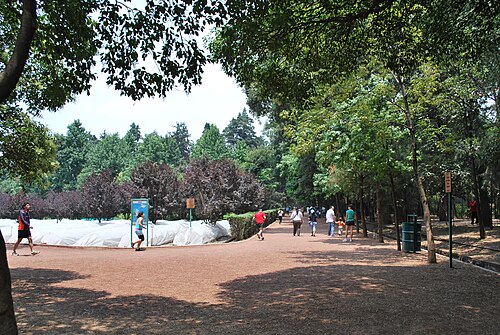
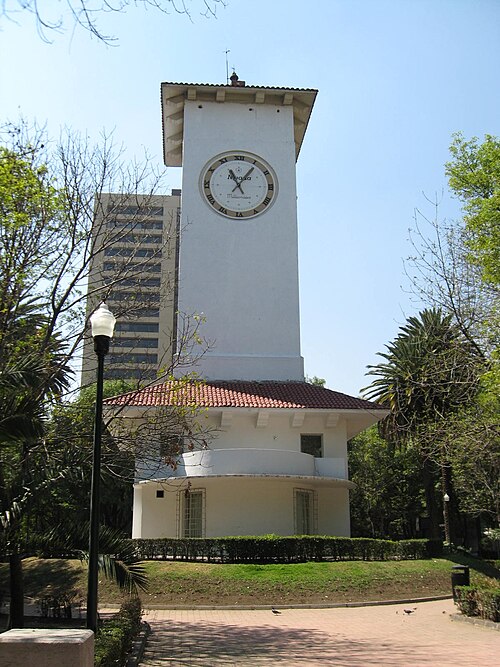
Chapultepec Park, known locally as Bosque de Chapultepec, is one of the largest city parks in the Western Hemisphere and a defining public space of Mexico City.
- Must see
- Nature site
- Mexico City
Language · 11 published
Country guide
Mexico took 42.2 million international arrivals in 2022, sixth most of any country in the world, and a large share of them never left the Caribbean coast. That coast is a reasonable holiday and a very small fraction of 1,972,550 km2, thirteenth-largest on Earth, holding 32 states and more than 134 million people. Mexico City sits high in a valley in the middle of it, with colonial silver towns a few hours north and the Maya sites of the Yucatan two hours east by air. No country in the Americas has more World Heritage Sites.
Reviewed by Elena Voss · Roavina Travel Editor
Every city catalogued in this country so far, ranked by how much there is to see.
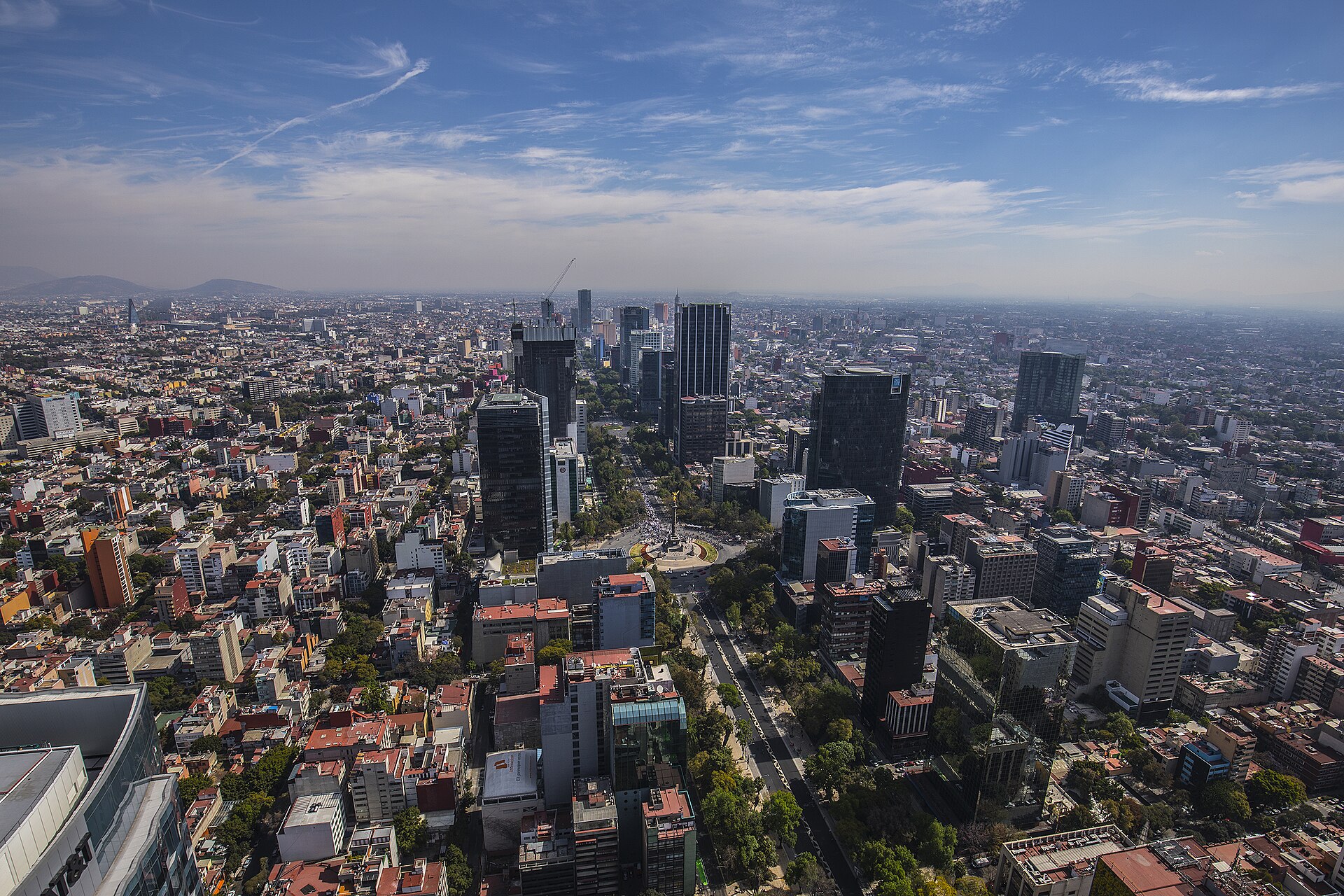
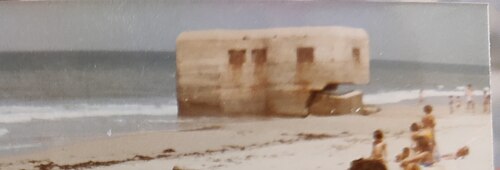
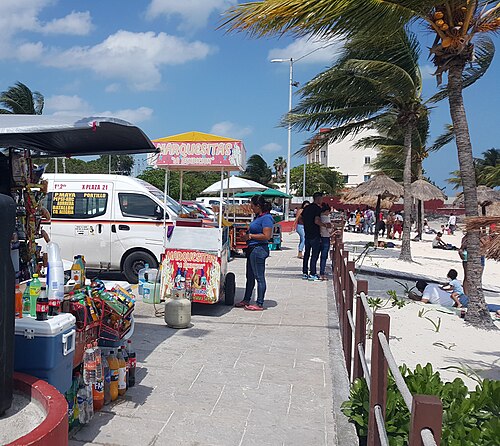
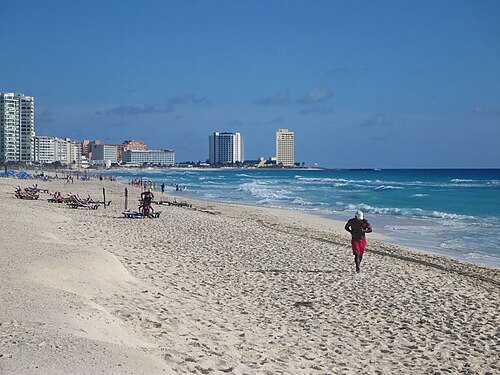
Photograph · Gobierno CDMX · CC0
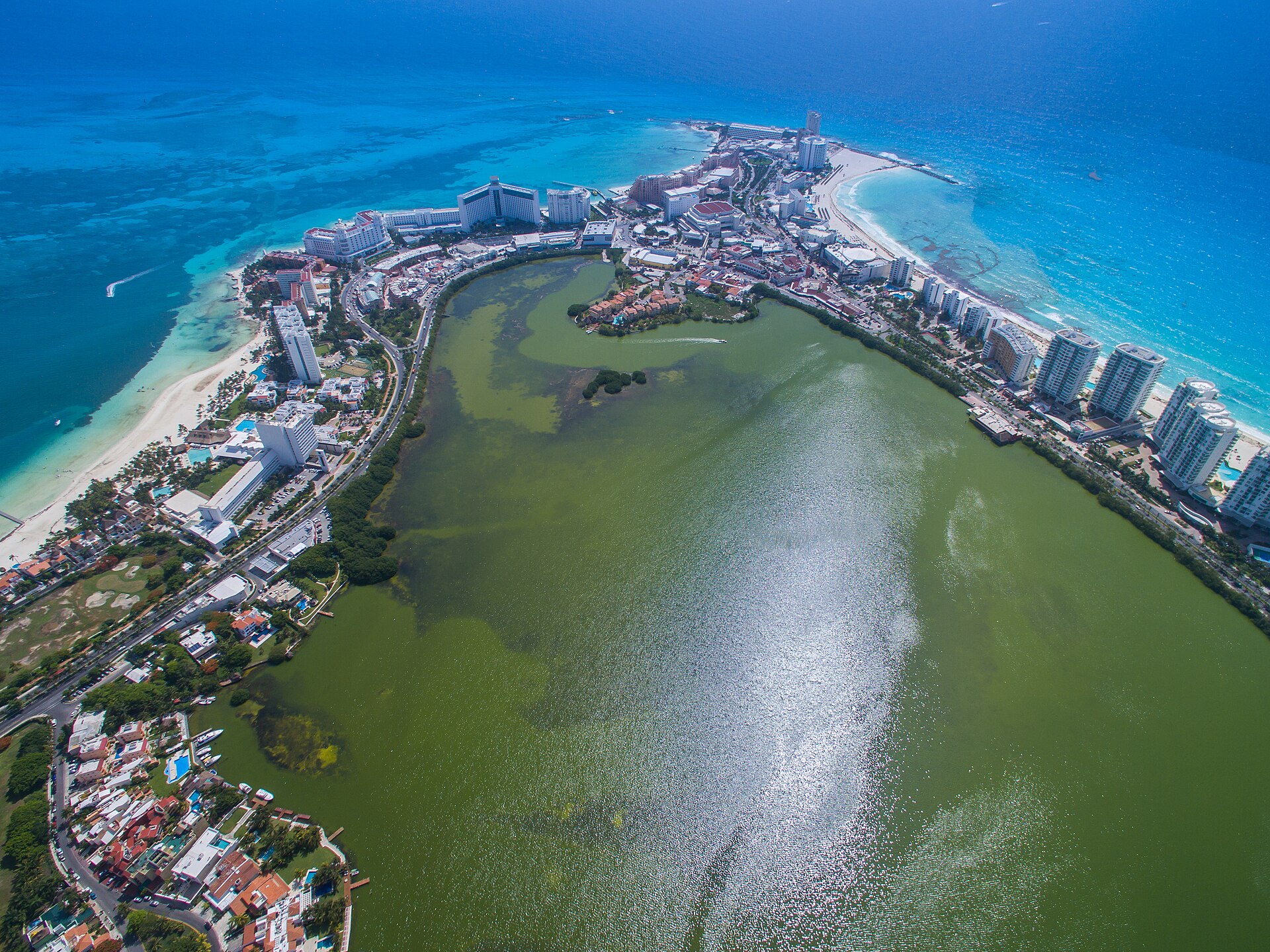
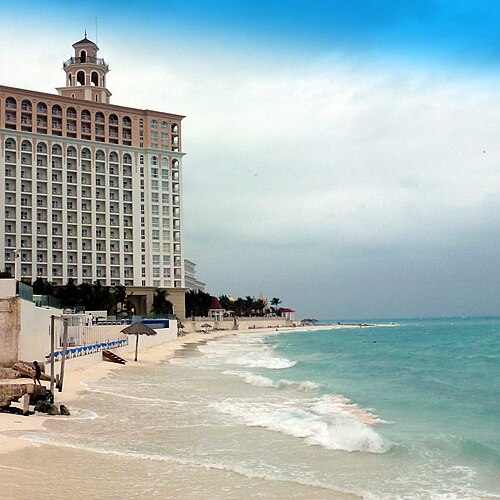
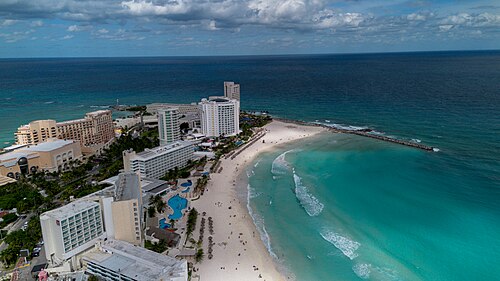
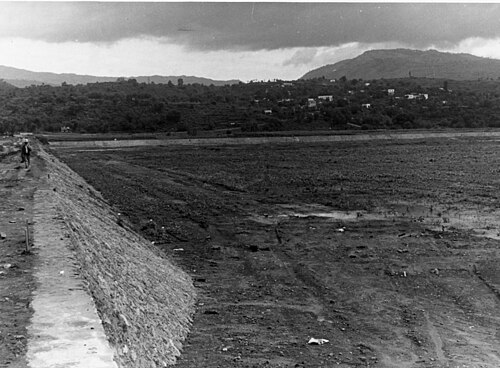
Photograph · dronepicr · CC BY 2.0
Ranked by importance — sitelinks, pageviews and heritage status, not editor preference.
21 places match
Category
Typical visit duration
Interests
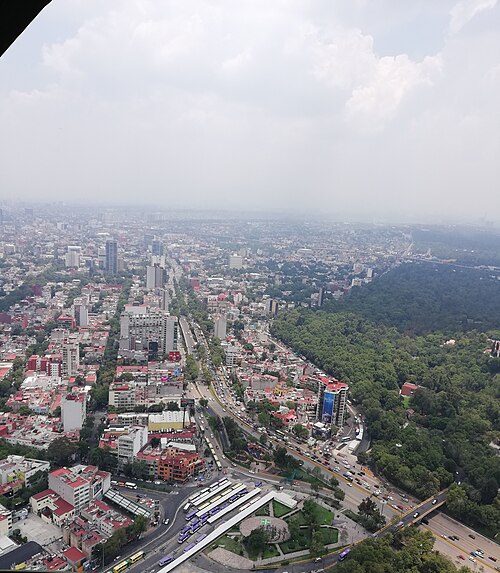
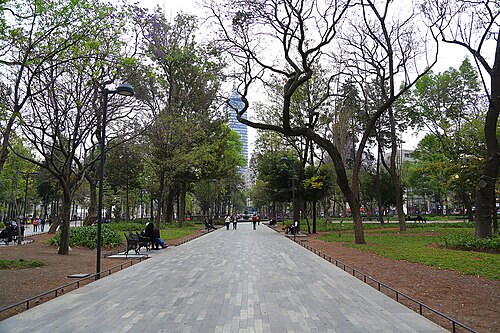
Chapultepec Park, known locally as Bosque de Chapultepec, is one of the largest city parks in the Western Hemisphere and a defining public space of Mexico City.
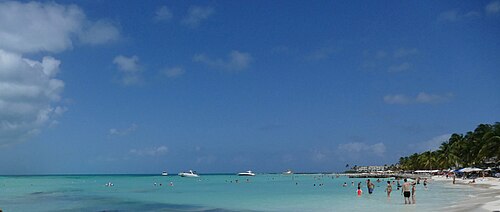
Playa Norte is the principal north-shore beach of Isla Mujeres, an island reached separately from Cancún rather than a beach inside Cancún's Hotel Zone.
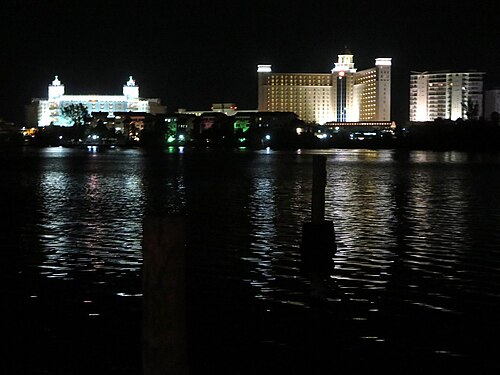
Nichupte Lagoon, known locally as Laguna Nichupté, is a large lagoon system on the eastern coast of Mexico's Yucatan Peninsula. It sits adjacent to the city of Cancun and the Caribbean Sea.
Parque Nacional Isla Contoy
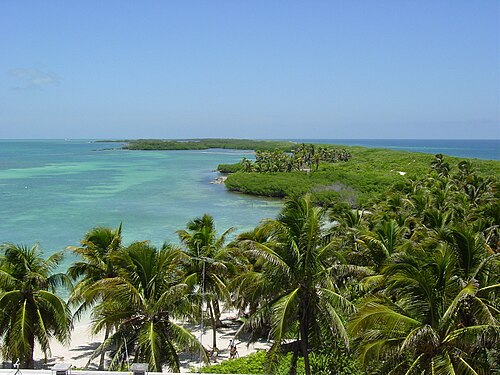
Isla Contoy National Park is a protected natural area in the Mexican Caribbean, designated as a national park and managed by CONANP, Mexico's National Commission of Natural Protected Areas.
Punta Nizuc is a beach area at the southern end of Cancun's Hotel Zone, positioned near the Nizuc Bridge that connects to the mainland.
Alameda Central
Alameda Central is a historic public park in the historic centre of Mexico City. Established in the sixteenth century, it is one of the oldest public parks in the Americas.
Vivero Coyoacán
Viveros de Coyoacán is a historic tree nursery and public green space in southern Mexico City.
Lincoln Park, also known as Parque Lincoln, is a formal neighborhood park in Polanco, Mexico City.
Parque La Mexicana
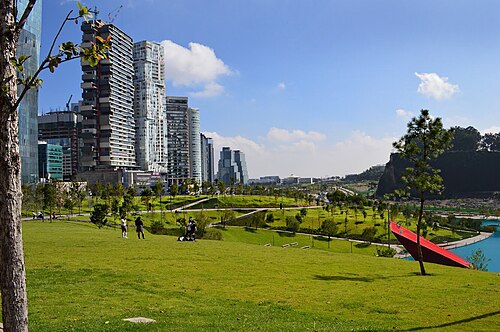
Parque La Mexicana is a large contemporary urban park located in the Santa Fe district of western Mexico City.
Playa Tortugas is a public beach located in the Cancún Hotel Zone, known locally as the Zona Hotelera. It sits along the narrow strip of land between the Nichupté Lagoon and the Caribbean Sea.
Playa Ballenas
Ballenas Beach, or Playa Ballenas, is a Caribbean beach in Cancún’s Hotel Zone.
Playa Caracol
Caracol Beach, also known as Playa Caracol, is a beach within Cancún’s Hotel Zone on Mexico’s Caribbean coast. The beach sits along Boulevard Kukulcán, the main road through the developed tourism corridor on the barrier island.
Playa Chac Mool
Playa Chac Mool is a public beach in Cancún's Hotel Zone, known for its relatively calmer waters compared to eastern-facing beaches along the same strip.
Playa Delfines
Playa Delfines, known in English as Dolphin Beach, is a public beach located in the Cancún hotel zone along the Caribbean coast of Quintana Roo, Mexico.
Playa El Niño
Playa El Niño, also known as El Niño Beach, is a coastal destination in the Cancún area on Mexico’s Yucatán Peninsula. The beach belongs to the Mexican Caribbean landscape associated with Cancún, Isla Mujeres and the region’s broad shoreline.
Playa Gaviota Azul
Playa Gaviota Azul, known in English as Gaviota Azul Beach, is a distinct visitor place within the documented Cancún scope. It is recognized among the beaches of the Cancún area as a destination for visitors seeking coastal experiences.
Playa Langosta
Playa Langosta is a beach area in Cancún, Mexican Caribbean. It sits along the Hotel Zone's northern coastline, facing the calmer waters of Bahía de Mujeres rather than the open Caribbean Sea.
Las Palapas Park, known locally as Parque de las Palapas, is a public square in downtown Cancún, Mexico. It serves as a central gathering space for residents and visitors seeking an alternative to the Hotel Zone's beachfront resorts.
Playa Las Perlas
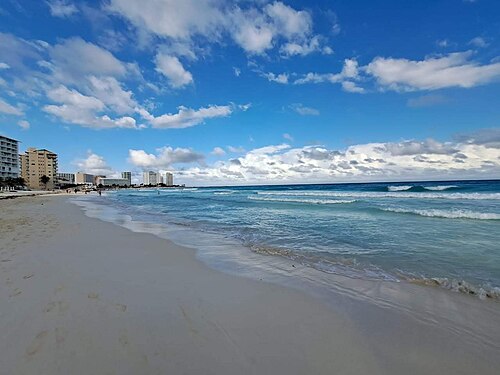
Las Perlas Beach, also called Playa Las Perlas, is a public beach on Cancún’s Caribbean coastline in the Hotel Zone. It offers a straightforward seaside setting where white sand meets turquoise water.
Playa Marlín
Playa Marlín, known in English as Marlin Beach, is a public beach situated in the Cancún Hotel Zone along Mexico's Caribbean coast. It represents one of the distinct visitor destinations within the documented Cancún scope.
Xochimilco is a district in southern Mexico City renowned for its extensive canal system and artificial agricultural islands called chinampas.
Source: OpenStreetMap contributors, Wikidata ·
Ten to fourteen days should focus on one Mexican region, such as the central highlands, Yucatán or a Pacific corridor. Domestic distances are too large for a first trip that treats Mexico City, Cancún and several coasts as nearby stops.
Mexico’s Instituto Nacional de Migración provides the official entry process and forms. Admission conditions depend on passport, purpose and route, so use its current service rather than an airline summary or an old exemption list.
Mexico City and Cancún are major international gateways, with domestic flights and intercity buses linking regional centres. Urban transport is city-specific, and road legs should be planned against current official route guidance.
November to April is a useful broad window for many central and coastal routes. Hurricane exposure, altitude and regional rainy seasons differ sharply, so the selected coast or highland region should control timing.
The Mexican peso (MXN) is the recorded currency. ATM fees, card acceptance and conversion terms are Not recorded in this guide; read the amount in pesos before approving a transaction.
Mexico uses 911 for emergencies and Type A or B plugs at 127 V. Tap-water guidance is Not recorded nationally in the cited source and should be checked at the destination.