


8 min walk
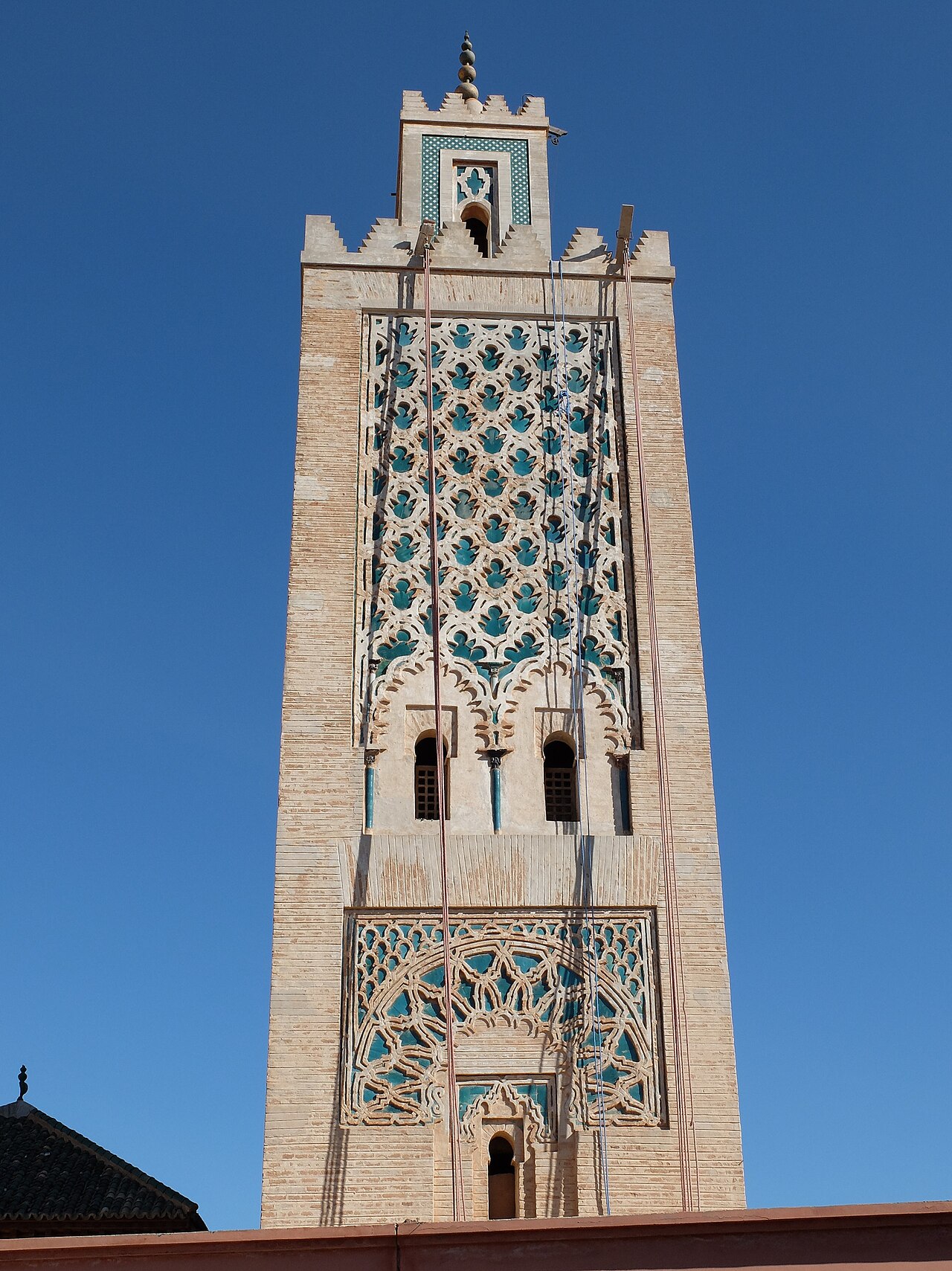
Mosque Ben Saleh
- Notable
- Place of worship
Language · 11 published
Historic monument · Marrakesh
Reviewed by Elena Voss · Roavina Travel Editor
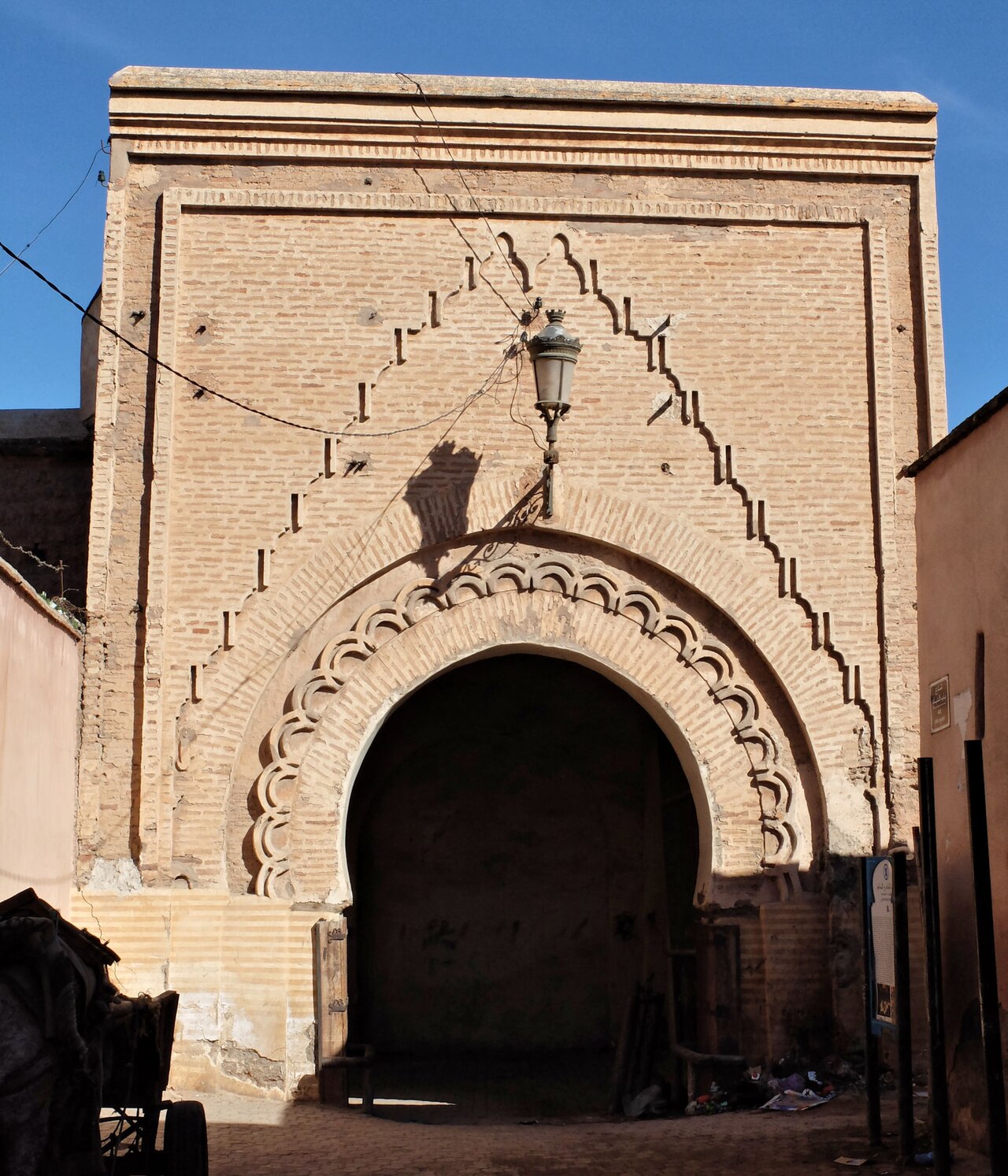
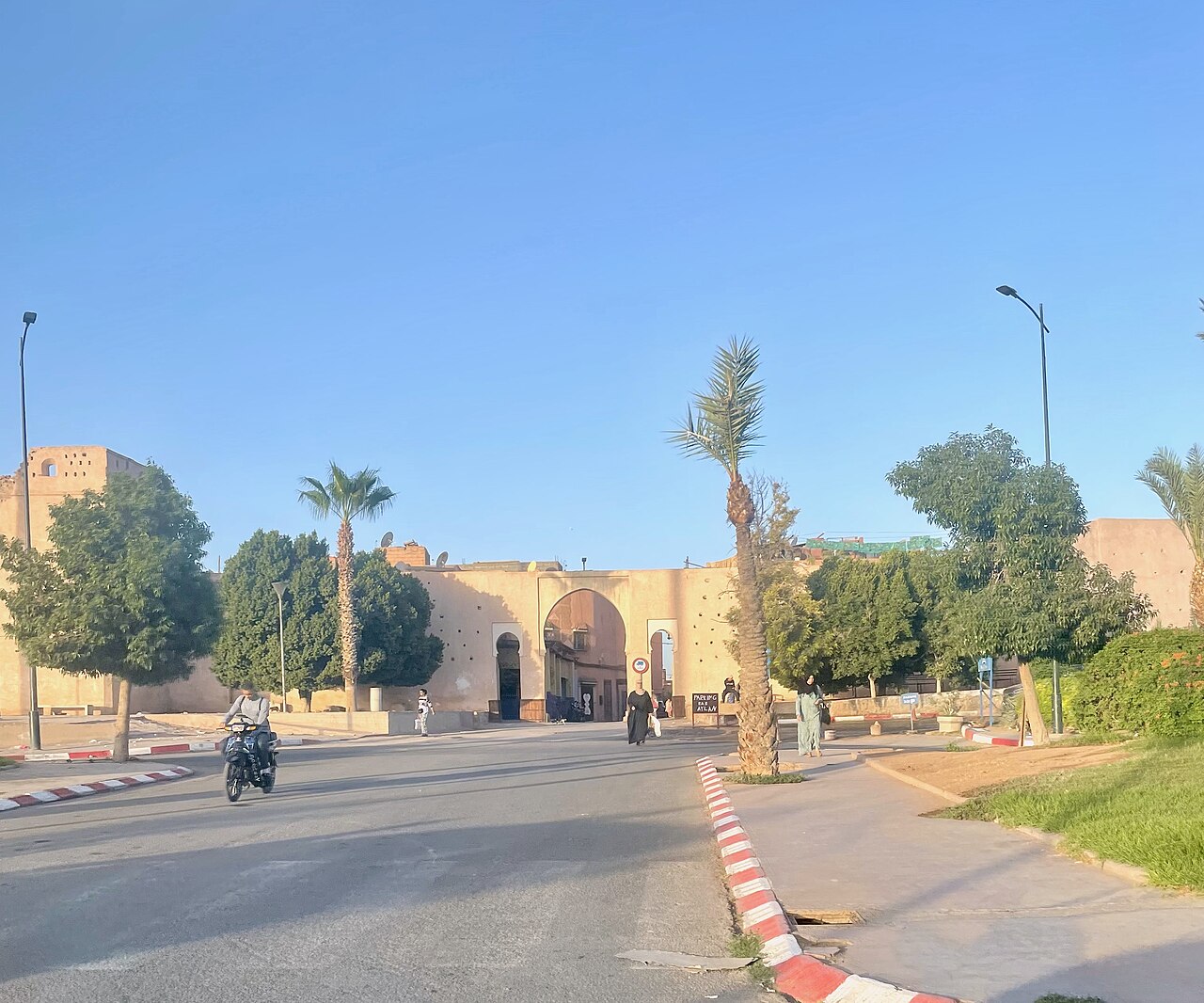
Bab Debbagh is a historic gate on the eastern side of Marrakesh’s medina walls. It is associated with the traditional tannery district and shows how the defensive wall system also organized movement, trade, and craft quarters. The gate is best understood as part of the living city rather than as an isolated monument. Passing through it places you at a useful threshold between the historic fortifications and the streets connected with leather working. Its value comes from the relationship between architecture, commerce, and everyday movement through the old city. Bab Debbagh is one of the historic gates of Marrakesh, located on the eastern side of the old medina wall circuit. The gate serves as a principal passage toward the traditional tannery district, where leather production has historically concentrated. The gate operates as a public passage rather than a managed attraction with scheduled closures. Continuous accessibility is probable, though not formally confirmed.
Checked 2026-08-26 · Source
The main experience is the architectural passage through the historic wall. Beyond it, the tannery quarter brings together workshops, commercial spaces, and the sensory atmosphere of traditional leather processing. There is no exhibition layout or formal visitor display at the gate itself. Instead, you see a functioning piece of historic infrastructure within the medina’s urban fabric. Look at the masonry, the passage geometry, and the way nearby streets direct people toward craft activity. The surrounding quarter, rather than an interior room, provides the substance of the visit.
Checked 2026-08-26 · Source
Allow fifteen to thirty minutes for the gate, the wall, and the immediate street scene. Add one to two hours if you want to walk through the adjoining tannery quarter, observe working surroundings, and browse leather goods. The longer visit is exploratory rather than structured, so your pace can change with street activity and personal interest. Bab Debbagh works well as a short architectural stop or as the entrance to a broader walk through the eastern medina and its craft-focused streets.
Checked 2026-08-26 · Source
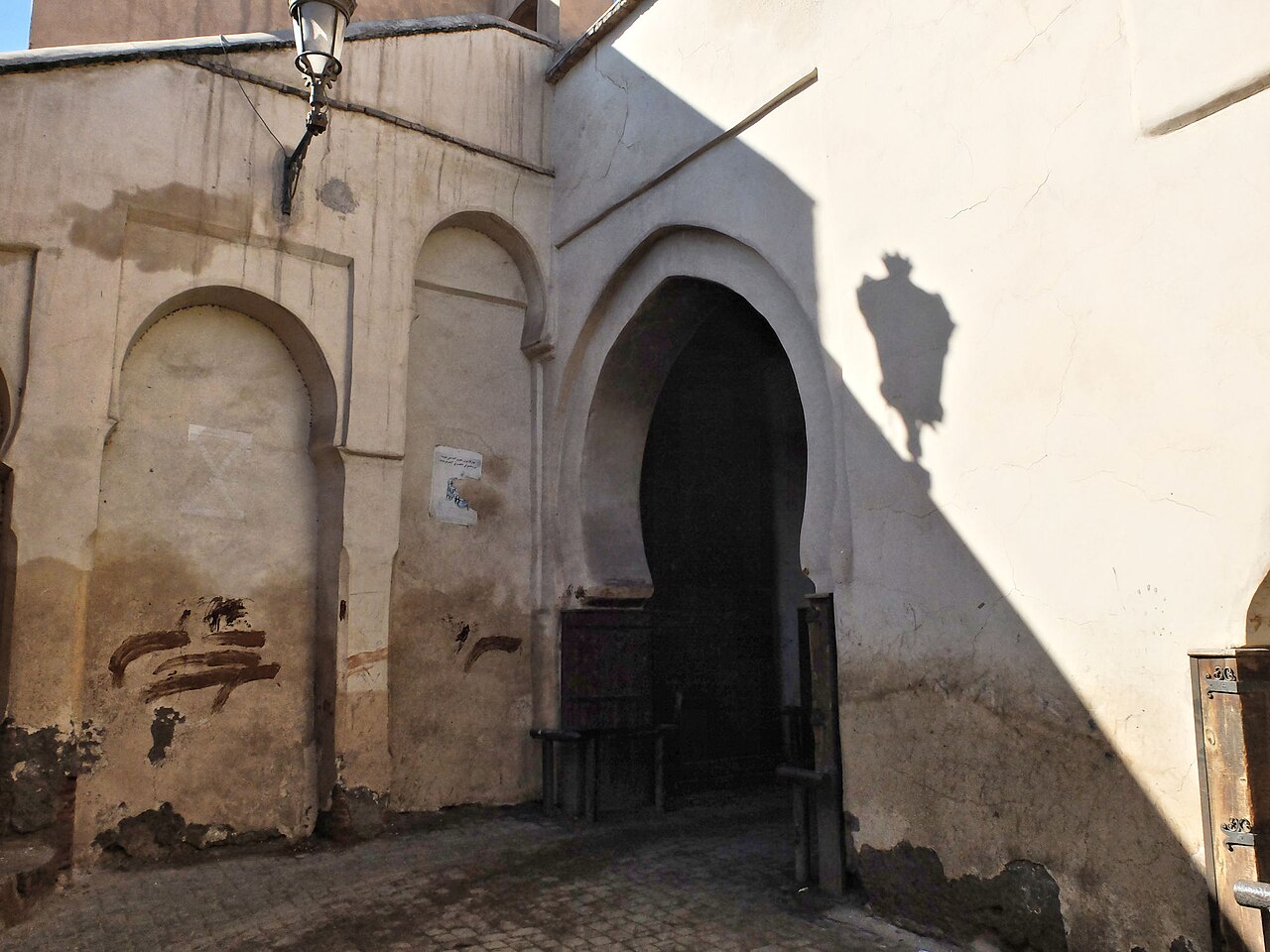
Morning offers cooler conditions for walking and useful daylight on the gate and surrounding streets. The tannery quarter can be especially engaging when craft activity is underway, while evening brings a quieter commercial atmosphere. Marrakesh’s summer heat makes shaded passages and shorter walks more comfortable; winter is generally milder. Treat the gate as a public thoroughfare and plan the visit around the surrounding medina walk. The eastern setting gives this stop a different rhythm from the busier visitor routes near the central squares and palace area.
Checked 2026-08-26 · Source
Bab Debbagh is a passage through the city wall, so the gate itself is a free part of the medina. Costs can arise only from activities around it, such as leather purchases, assistance from a local guide, or photography arrangements at individual workshops. If you browse leather goods, agree on the price before completing a purchase. The stop therefore fits naturally into a walking itinerary without a separate monument admission step, while the surrounding commercial experience remains discretionary.
Checked 2026-08-26 · Source
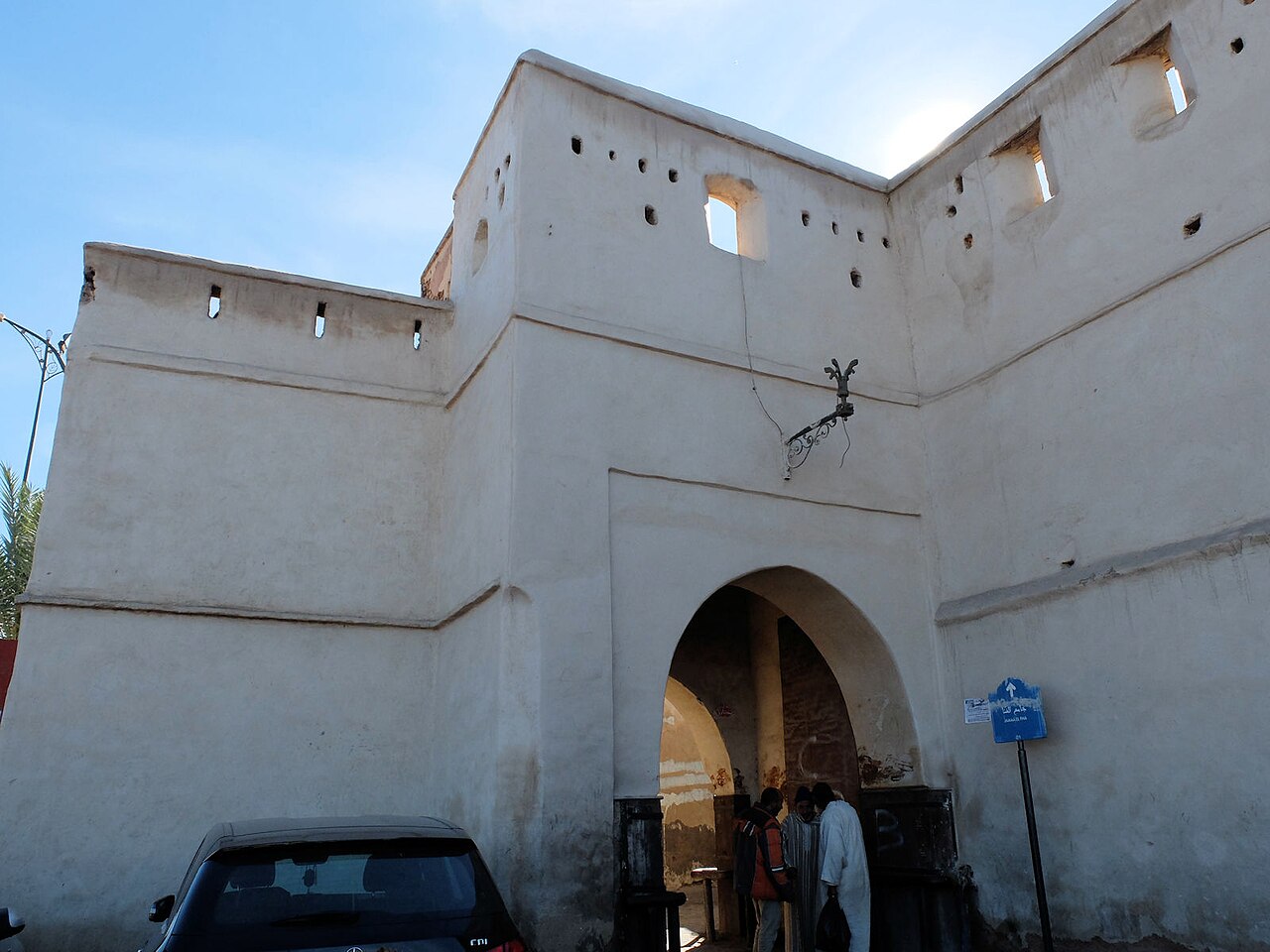
Reach Bab Debbagh on foot through the eastern medina. Taxis and buses serve points around the medina perimeter, after which the final approach is pedestrian. The old city’s irregular lanes make landmark-based navigation more useful than relying only on street names. Once at the gate, continue toward the tannery quarter if you want the craft district to form the main part of the walk. Leave time for wayfinding, since narrow passages and changing street activity can make the route slower than the map distance suggests.
Checked 2026-08-26 · Source
Traditional leather processing creates strong odors, and the tannery quarter may feel intense for visitors who are sensitive to them. Narrow passages carry pedestrians and vehicles, so keep to the side and watch movement around workshop entrances. Commercial solicitation is part of the surrounding shopping environment; a clear, courteous refusal is sufficient when you do not want assistance. Uneven surfaces, crowded lanes, and covered passages require ordinary care. Keep personal belongings secure and respect the working character of the quarter.
Checked 2026-08-26 · Source
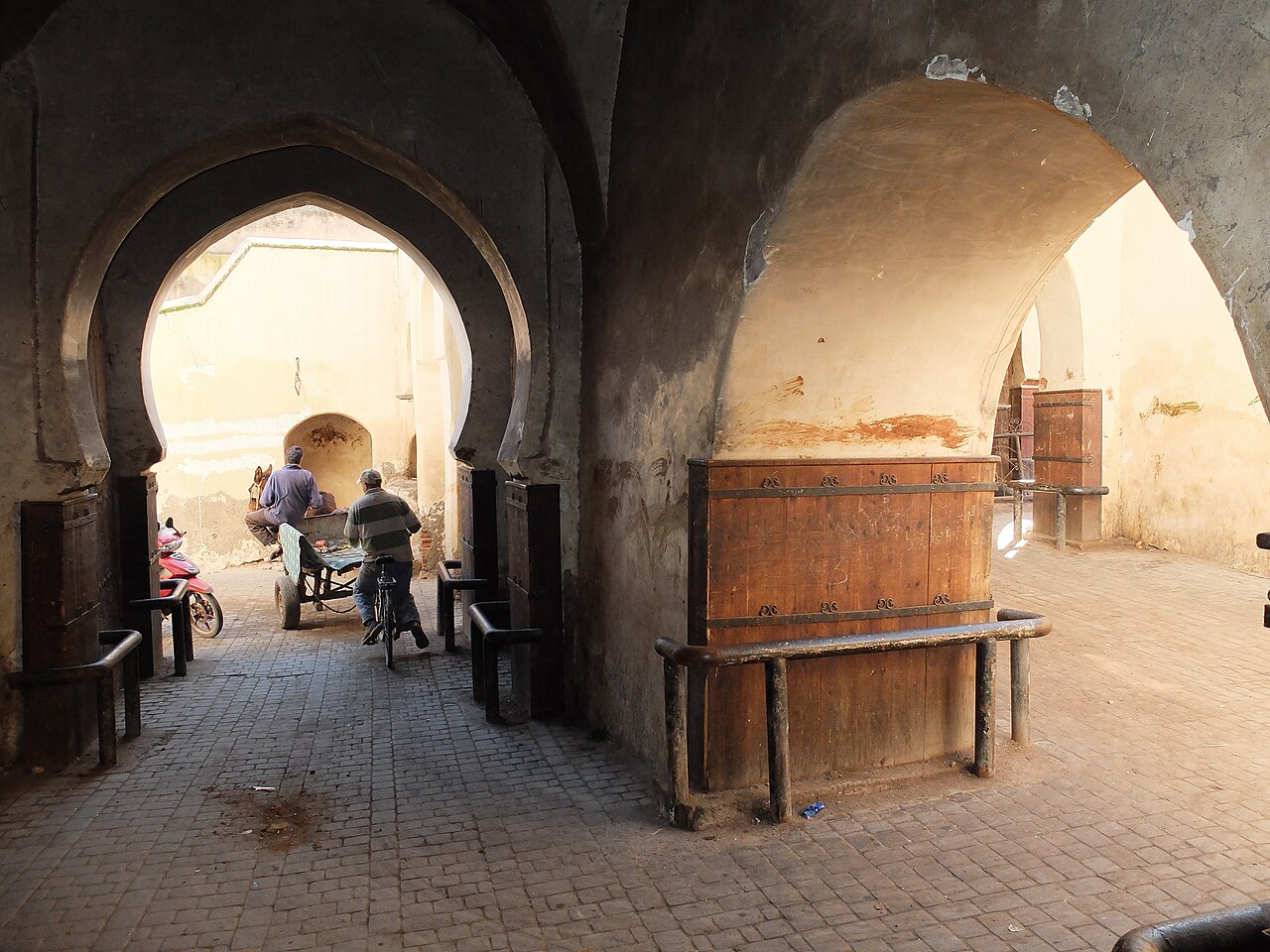
The gate and the surrounding streets provide strong subjects for architectural and streetscape photographs. Ask before photographing workshop interiors, workers, or people whose activities you want to capture. Individual businesses may set their own conditions for camera use, including a charge for photography inside a workshop. Respect a refusal and avoid blocking the narrow passage. The contrast between the wall, the gate, leather-working surroundings, and medina movement gives the area its visual character, especially in the softer light of morning.
Checked 2026-08-26 · Source
Bab Debbagh is an eastern medina gate associated with Marrakesh’s traditional tannery district and the craft streets beyond the historic wall.
No separate admission is charged for passing through the gate. Optional spending comes from nearby services or leather purchases.
The gate leads toward the tannery quarter, with traditional leather-working surroundings, workshops, commercial spaces, and the everyday fabric of the eastern medina.
Plan fifteen to thirty minutes for the gate itself, or one to two hours when including a walk through the adjoining tannery quarter.
Its strongest distinction is its connection with the tannery district, giving the eastern gate a craft-focused setting within the medina wall circuit.
Expect strong odors, narrow active passages, workshops, commercial activity, and opportunities to browse leather goods near the historic gate.
Loading the interactive map…
The interactive map could not be loaded.
Last updated:
Source: OpenStreetMap contributors ·