
.jpg)
.jpg)
.jpg)
.jpg)
.jpg)
2 min walk
Koutoubia Mosque
- Must see · Heritage site
- Place of worship
Language · 11 published
Nature site · Marrakesh
Reviewed by Elena Voss · Roavina Travel Editor
This place is a Garden.
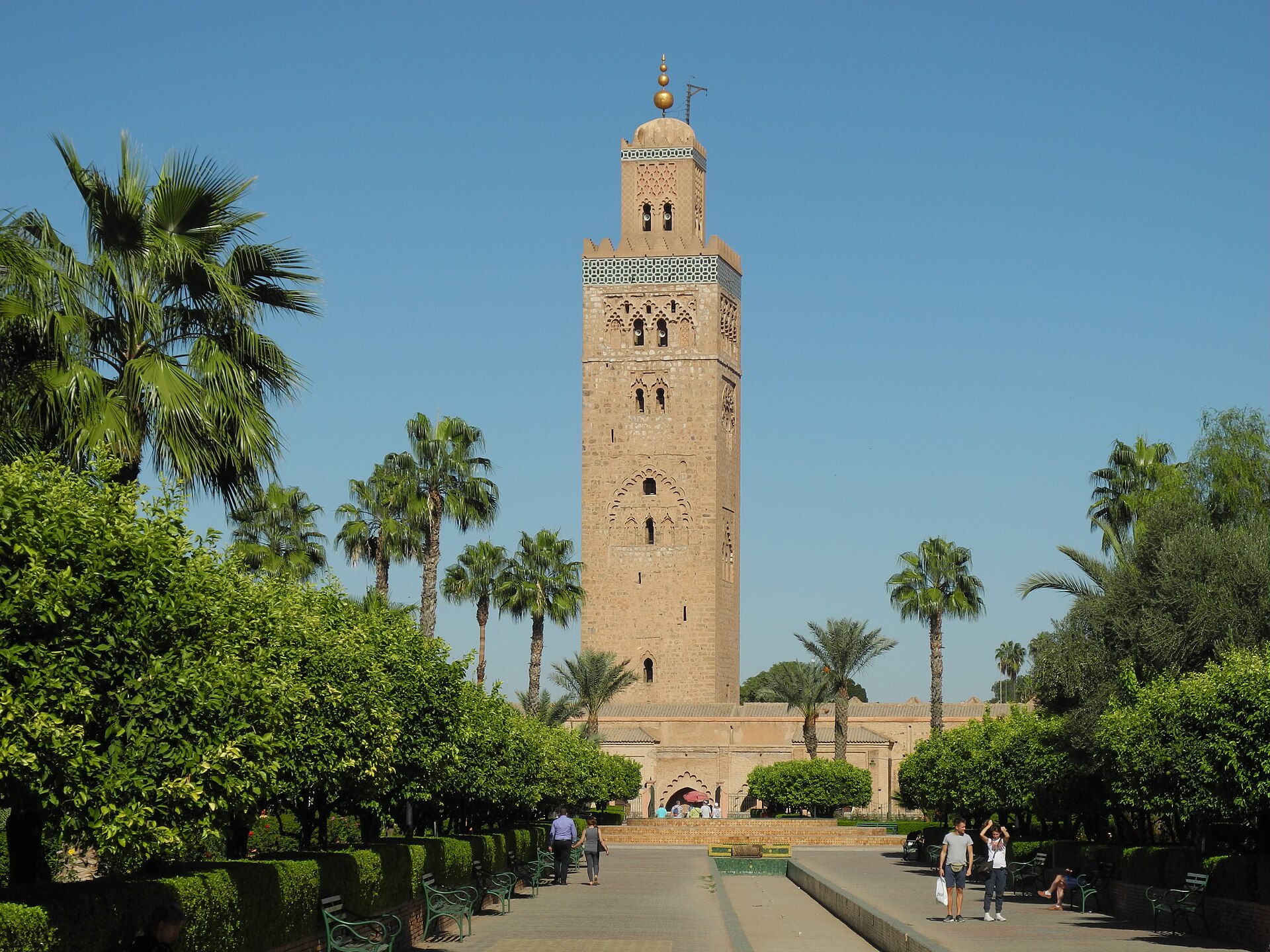
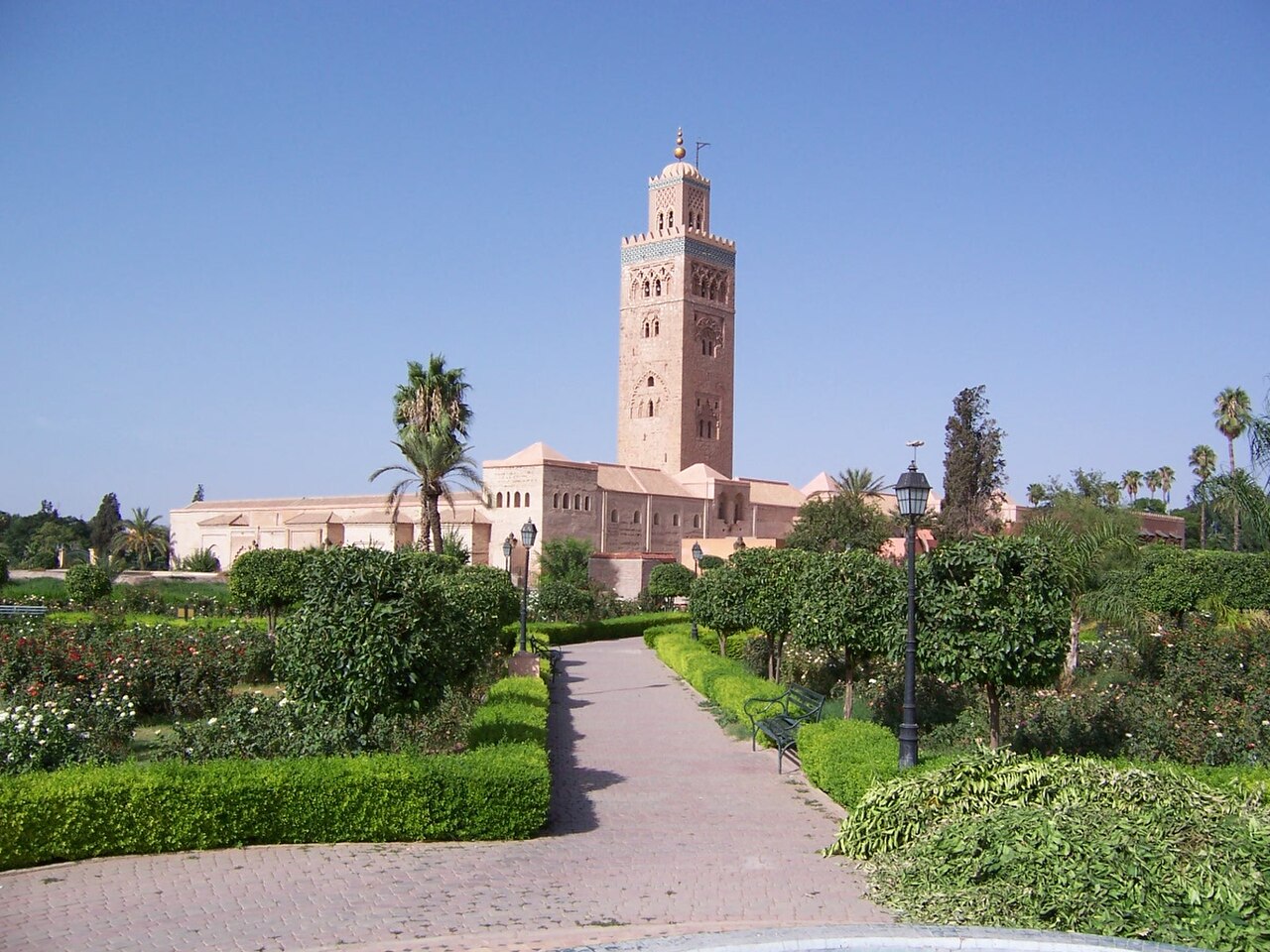
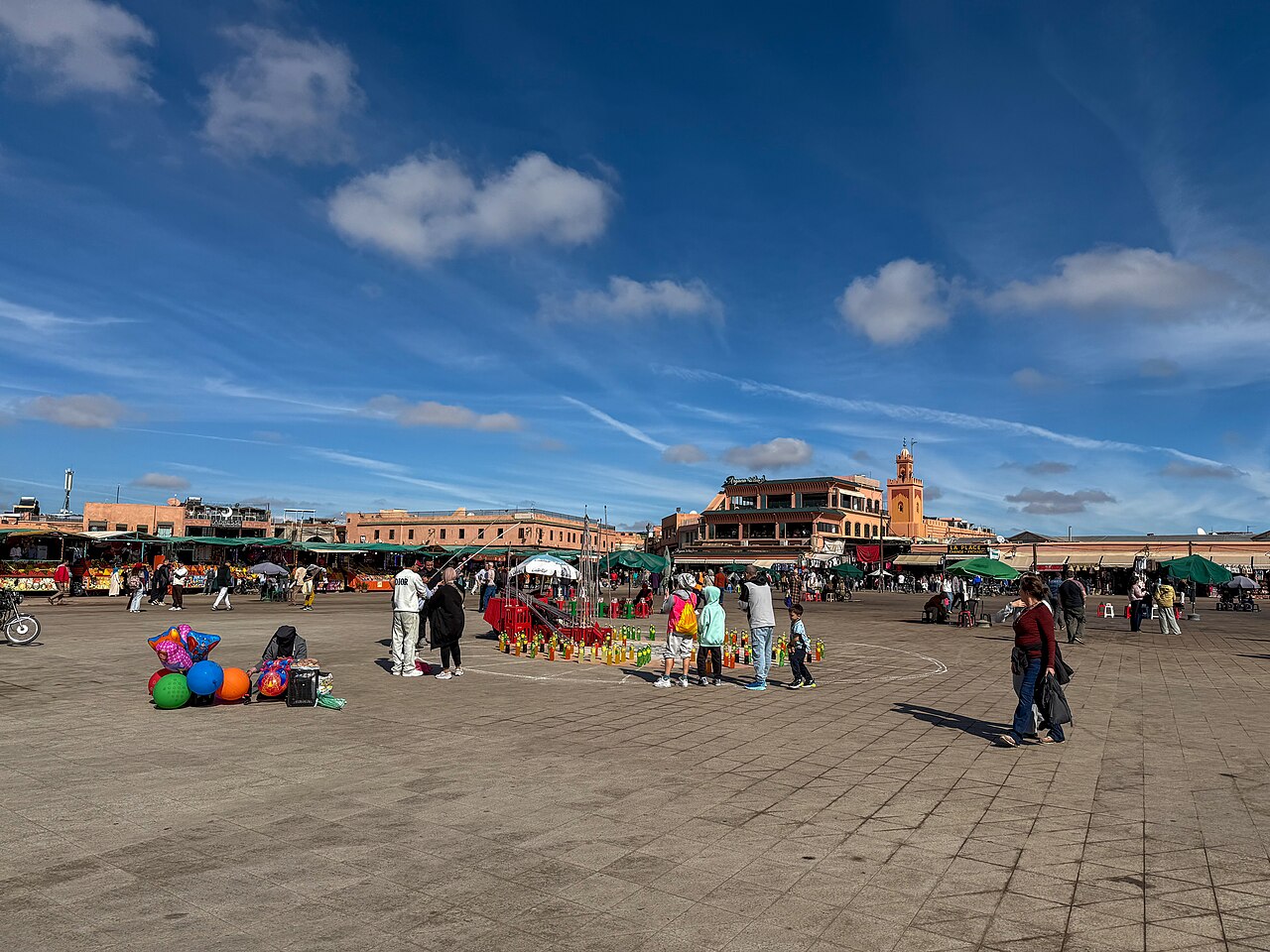
Koutoubia Gardens, or Jardins de la Koutoubia, is open green space at the base of Marrakesh’s famous Koutoubia Mosque minaret. It creates a natural pause beside Jemaa el-Fnaa and links the old medina with newer districts. Travelers come for views, shade, and a spacious contrast with surrounding streets. Koutoubia Gardens, locally known as Jardins de la Koutoubia, is an open garden situated at the base of the iconic Koutoubia Mosque minaret in Marrakesh. This public green space serves as a vital urban connector, linking the bustling Jemaa el-Fnaa square to the newer districts of the city. The gardens offer visitors one of the most unobstructed and accessible vantage points from which to appreciate the scale and architectural significance of the Koutoubia minaret, a landmark recognized within the UNESCO World Heritage listing for the Medina of Marrakesh.
Checked 2026-08-26 · Source
The gardens contain open green space, trees, shade, and pedestrian paths. The Koutoubia minaret is the dominant visual feature. There are no galleries or sequential exhibits; the experience comes from walking, pausing, and viewing the monument from changing angles. Use the garden as a viewpoint and urban breathing space. The gardens primarily feature open green space with tree coverage providing shade in an otherwise dense urban environment. The dominant visual element is the Koutoubia Mosque minaret, which rises prominently above the garden canopy. Pathways traverse the grounds, allowing pedestrian movement between different parts of the city. The garden composition is functional rather than ornate, designed to facilitate both contemplation of the historic monument and practical passage for residents and visitors moving between Jemaa el-Fnaa and the modern city beyond the ancient walls.
Checked 2026-08-26 · Source
Allow ten to fifteen minutes if you are crossing between Jemaa el-Fnaa and the newer city. Stay thirty minutes to one hour to sit in shade, study the minaret, watch city life, or make photographs. The flexible layout lets you add this pause without disrupting a busy Marrakesh itinerary. A visit to Koutoubia Gardens can be brief or extended depending on individual purpose. Passers-through may traverse the space in ten to fifteen minutes while following the connecting route. Those seeking to appreciate the minaret views, rest in shaded areas, or observe the interplay between historic architecture and contemporary city life may linger for thirty minutes to an hour. The unstructured nature of the garden permits flexible timing without prescribed circuits or mandatory progression through sequential exhibits or installations.
Checked 2026-08-26 · Source
Visit during daylight for the clearest minaret views and easiest movement along the paths. Early morning offers gentler light and a calmer atmosphere. Late afternoon can give the monument warmer tones before an evening walk toward Jemaa el-Fnaa. Tree cover helps, but this remains an outdoor stop in strong sun. Visitors should exercise caution regarding timing, as unrestricted public access may vary according to local management practices, seasonal considerations, or unannounced maintenance activities. The open character of the garden suggests daytime presence offers optimal conditions for viewing the minaret and navigating connecting pathways. Early morning and late afternoon periods may provide different lighting conditions for observation and photography, though personal comfort regarding temperature and crowding should inform individual scheduling decisions.
Checked 2026-08-26 · Source
Koutoubia Gardens functions as public open space beside the mosque and Jemaa el-Fnaa, so the garden itself is a walk-in stop rather than a conventional ticketed attraction. There is no timed gallery visit to organize. Keep spending for food, drinks, transport, or purchases around the square separate from the garden visit.
Checked 2026-08-26 · Source
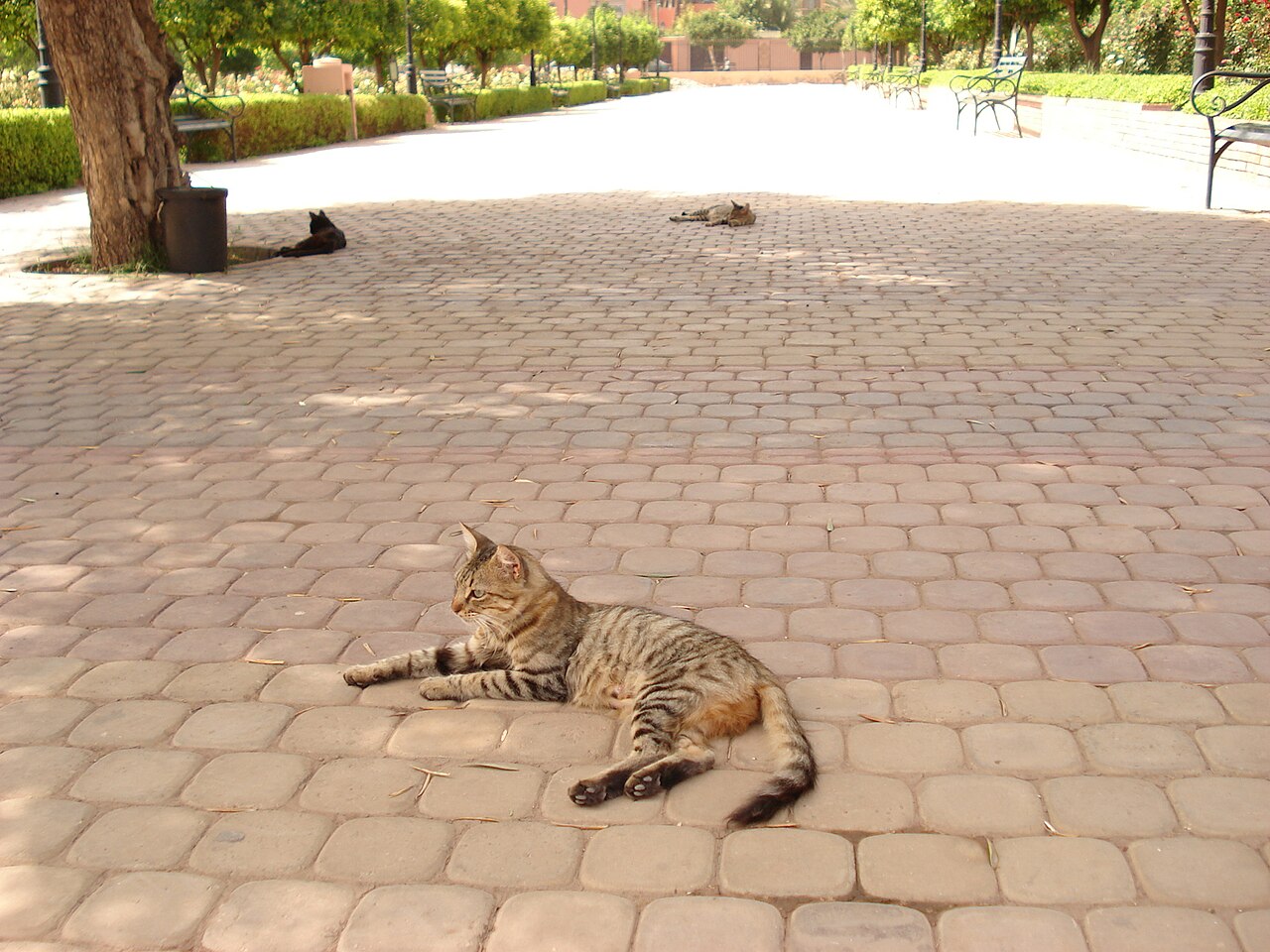
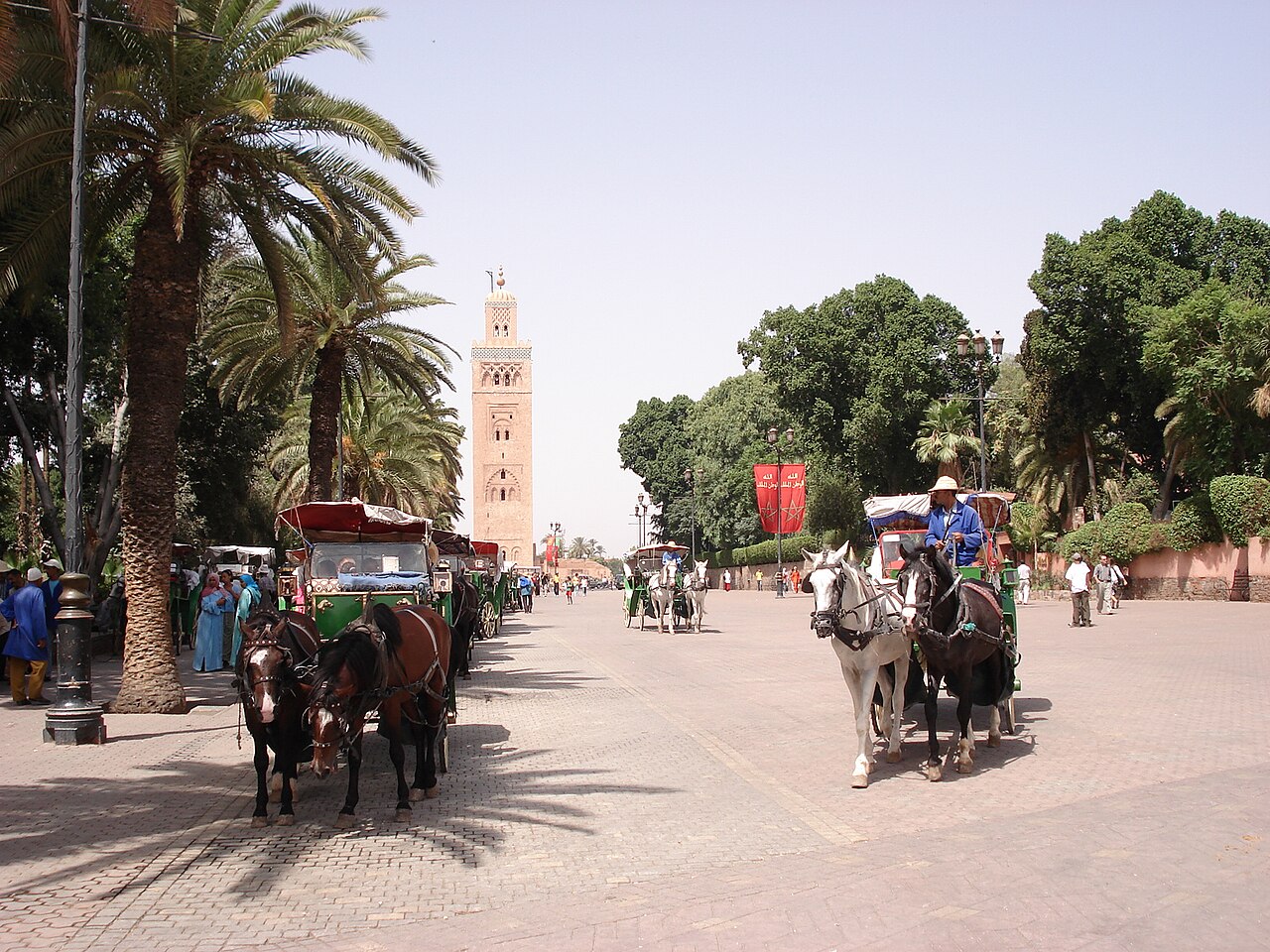
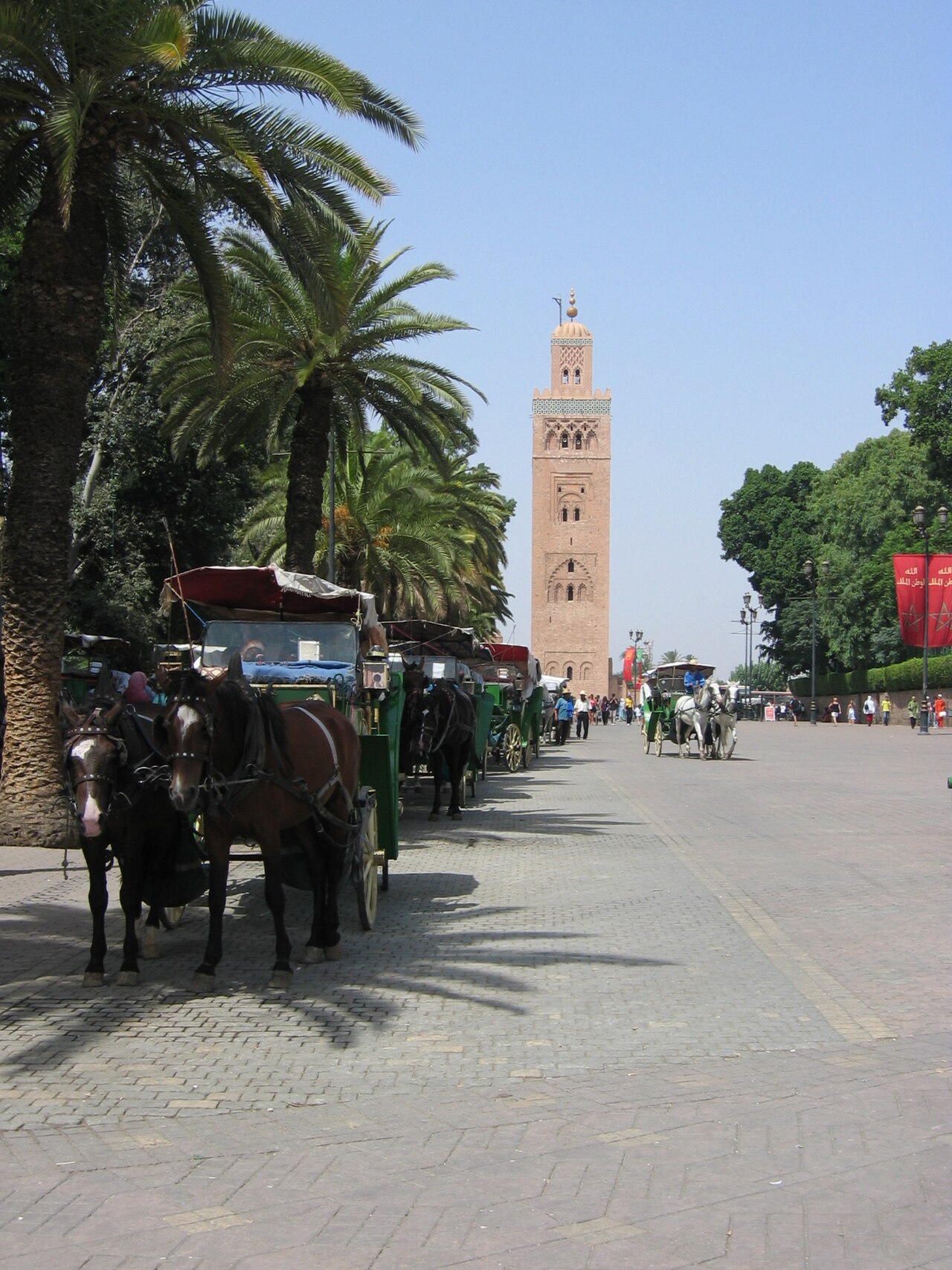
The gardens stand immediately beside Jemaa el-Fnaa and are straightforward to reach on foot from the central medina. The minaret is the key landmark and helps orient you. Taxis and horse-drawn carriages serve the broader square area, while the gardens themselves are explored on foot between the old city and newer districts.
Checked 2026-08-26 · Source
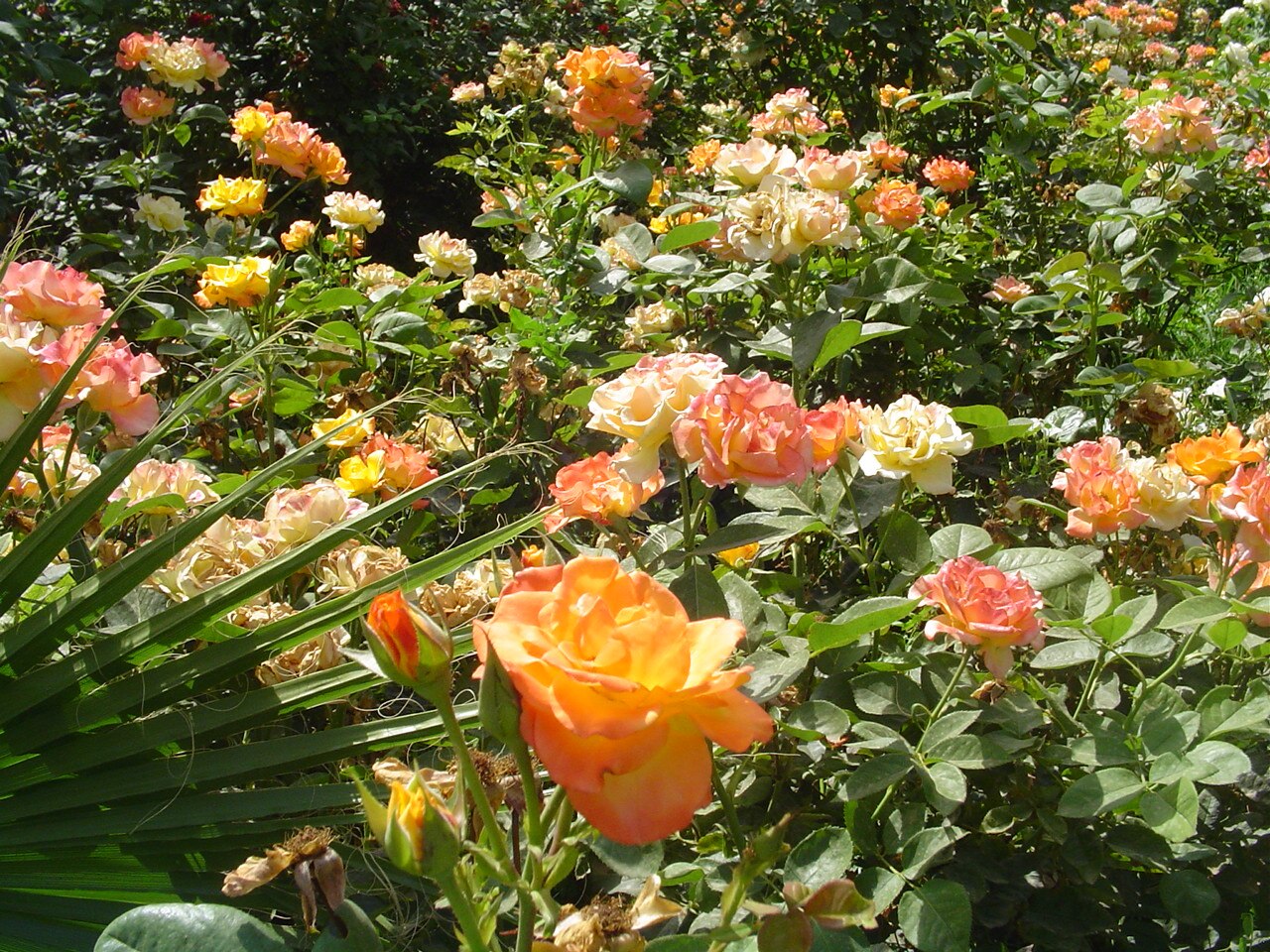
Watch for bicycles, pedestrians, and changing movement because the gardens are also a route between districts. The proximity to Jemaa el-Fnaa brings a busy tourist atmosphere, so keep belongings close and be clear about unsolicited offers. Shade is uneven, and open areas become hot. Carry water and protect yourself from strong sun.
Checked 2026-08-26 · Source
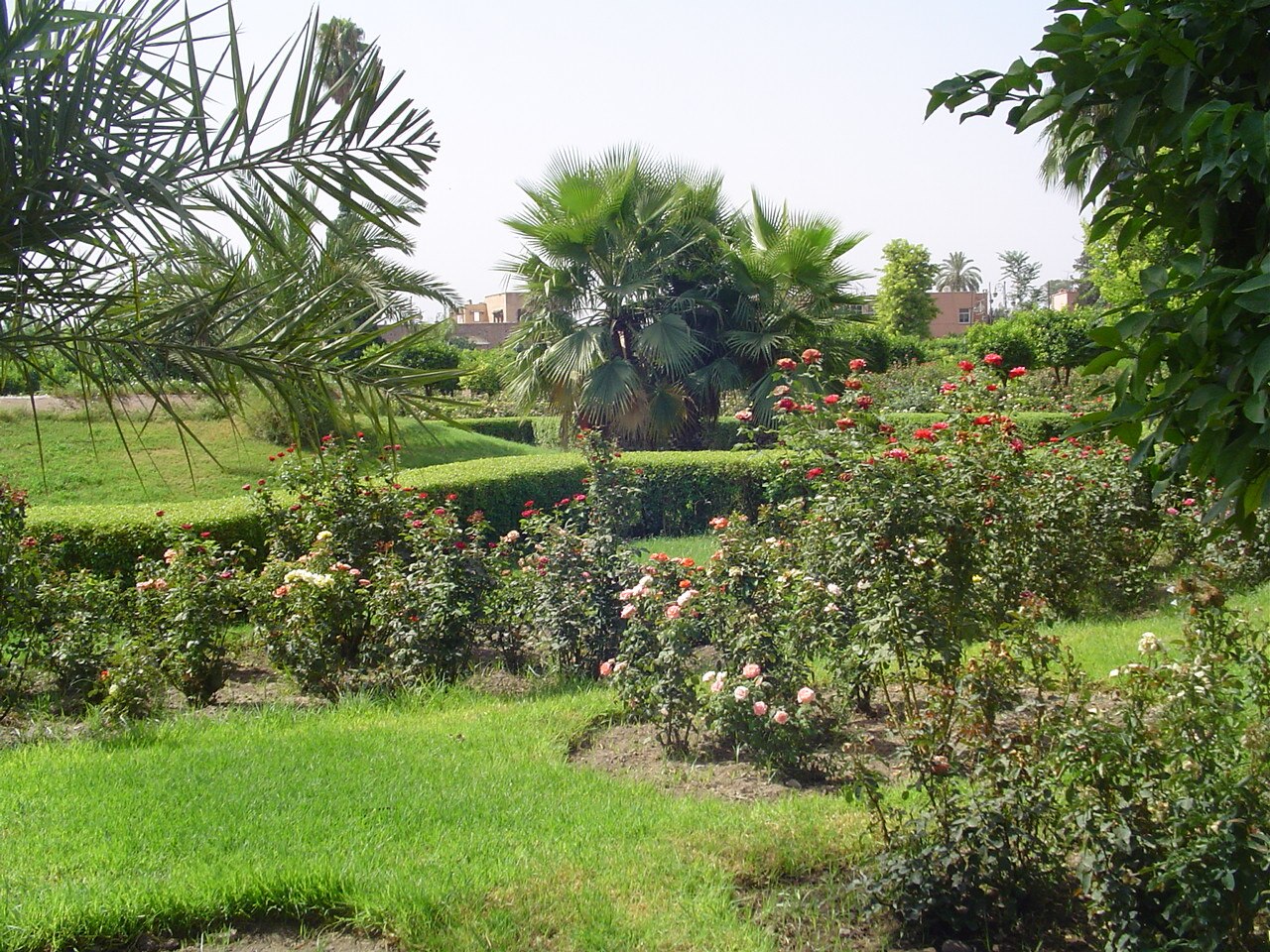
The gardens provide clear public views of the Koutoubia minaret, with open ground for changing distance and framing. Try wide compositions with trees and city movement, then move closer for architectural detail. Early and late light alter the monument’s colour and texture. Treat the mosque as an active religious site and photograph worshippers discreetly.
Checked 2026-08-26 · Source
Yes. The gardens are public open space beside the Koutoubia Mosque and Jemaa el-Fnaa.
The main sight is the Koutoubia Mosque minaret, viewed across green space with trees and pedestrian paths.
Walk toward the Koutoubia minaret; the gardens are immediately beside the square.
Early morning offers gentler light and a calmer atmosphere, while late afternoon gives warmer light on the minaret.
The Koutoubia minaret stands within the UNESCO-listed Medina of Marrakesh, giving the gardens their historic context.
Allow ten to fifteen minutes to cross, or thirty minutes to one hour for views, shade, atmosphere, and photography.
Loading the interactive map…
The interactive map could not be loaded.
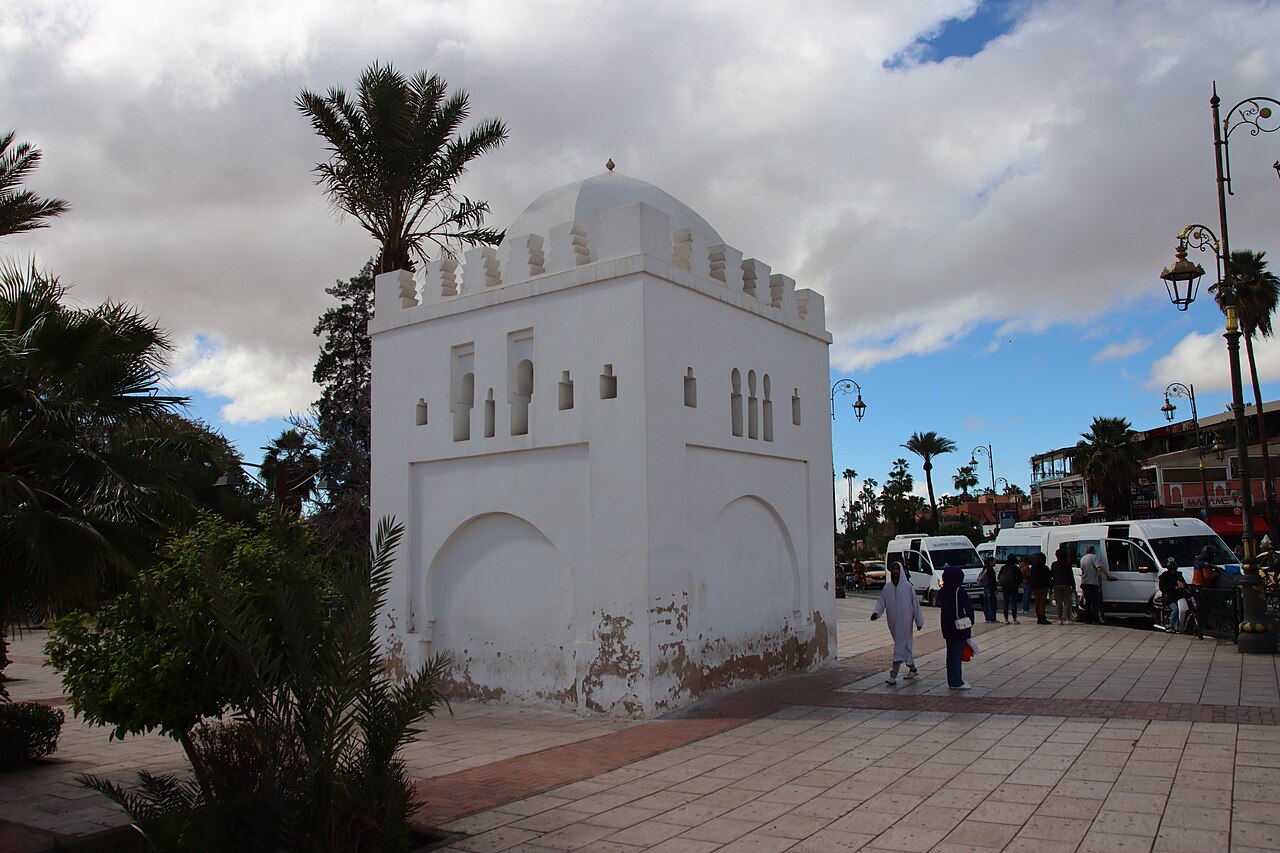
Last updated:
Source: OpenStreetMap contributors, Wikidata ·