

.jpg)
.jpg)
.jpg)
.jpg)

7 min walk
CM Art Gallery
- Must see
- Museum
Language · 11 published
Art and culture venue · Marrakesh
Théâtre Royal
Reviewed by Elena Voss · Roavina Travel Editor
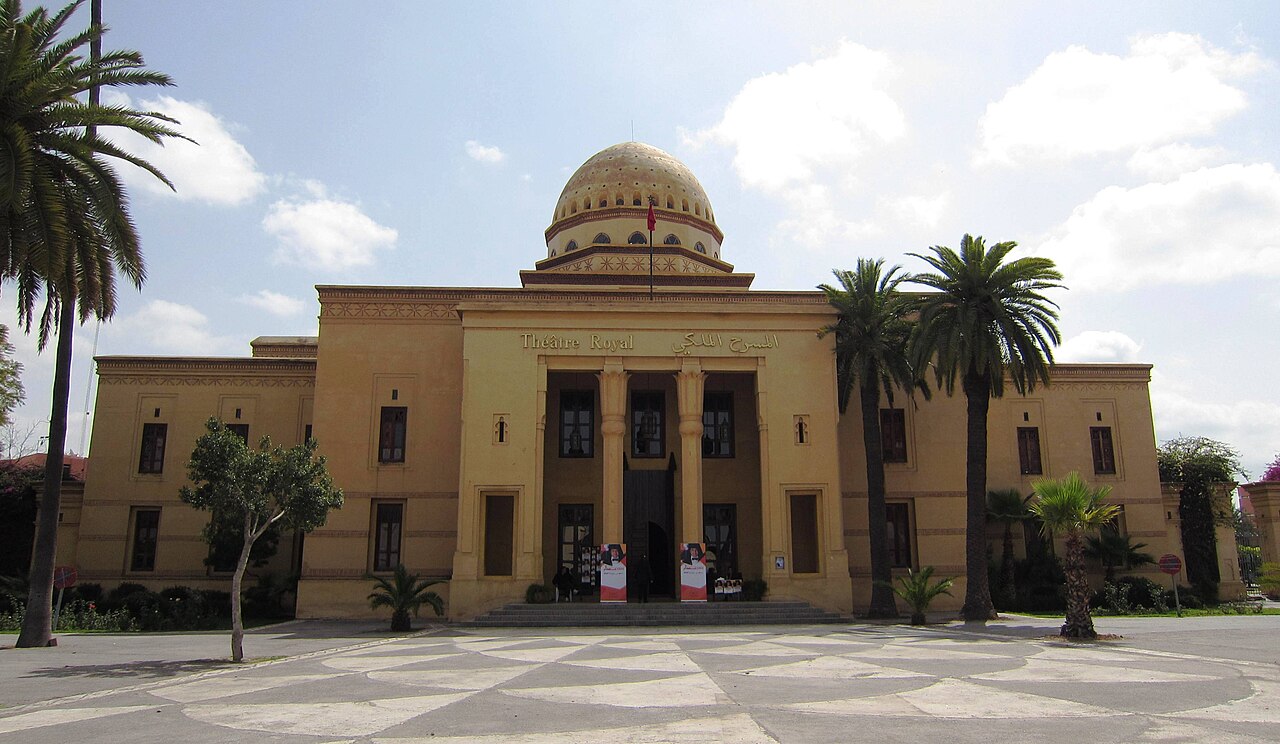
This place is a Theatre.
The Royal Theatre, or Théâtre Royal de Marrakech, is a modern performing-arts venue opposite Marrakesh railway station in the Gueliz district. Its setting places it within the city’s newer urban landscape, away from the palaces, riads, and historic lanes of the medina. The theatre is a useful cultural counterpoint to traditional entertainment in the old city: its identity is institutional and contemporary, while its prominent position makes it an easy landmark to recognize around the station and the Ville Nouvelle. The Royal Theatre, known locally as Théâtre Royal de Marrakech, stands as a prominent modern theatre in Marrakesh. Located opposite the railway station in the Gueliz district, it serves as a recognized cultural landmark within this newer part of the city. The building represents an important institutional venue for performing arts in a city otherwise celebrated for its historic medina and traditional entertainment forms. Its modern architectural presence distinguishes it from the ancient palaces and riads that dominate tourist itineraries, offering visitors a glimpse into contemporary Moroccan cultural infrastructure and urban development patterns in the Ville Nouvelle area. No evidence supports regular public tours independent of scheduled performances. The venue operates as an occasional performance space without confirmed visitor programming for empty facilities.
Checked 2026-08-26 · Source
The Royal Theatre is organized around a formal performance environment rather than an open museum display. A visitor attending an event encounters a theatre auditorium, stage presentation, and the atmosphere of a civic cultural venue. The building’s principal interest for a casual passer-by is its modern exterior and its relationship with the railway station. Without an event, the public experience is mainly architectural and urban. With a performance, the theatre becomes a destination for an organized evening of culture in Gueliz.
Checked 2026-08-26 · Source
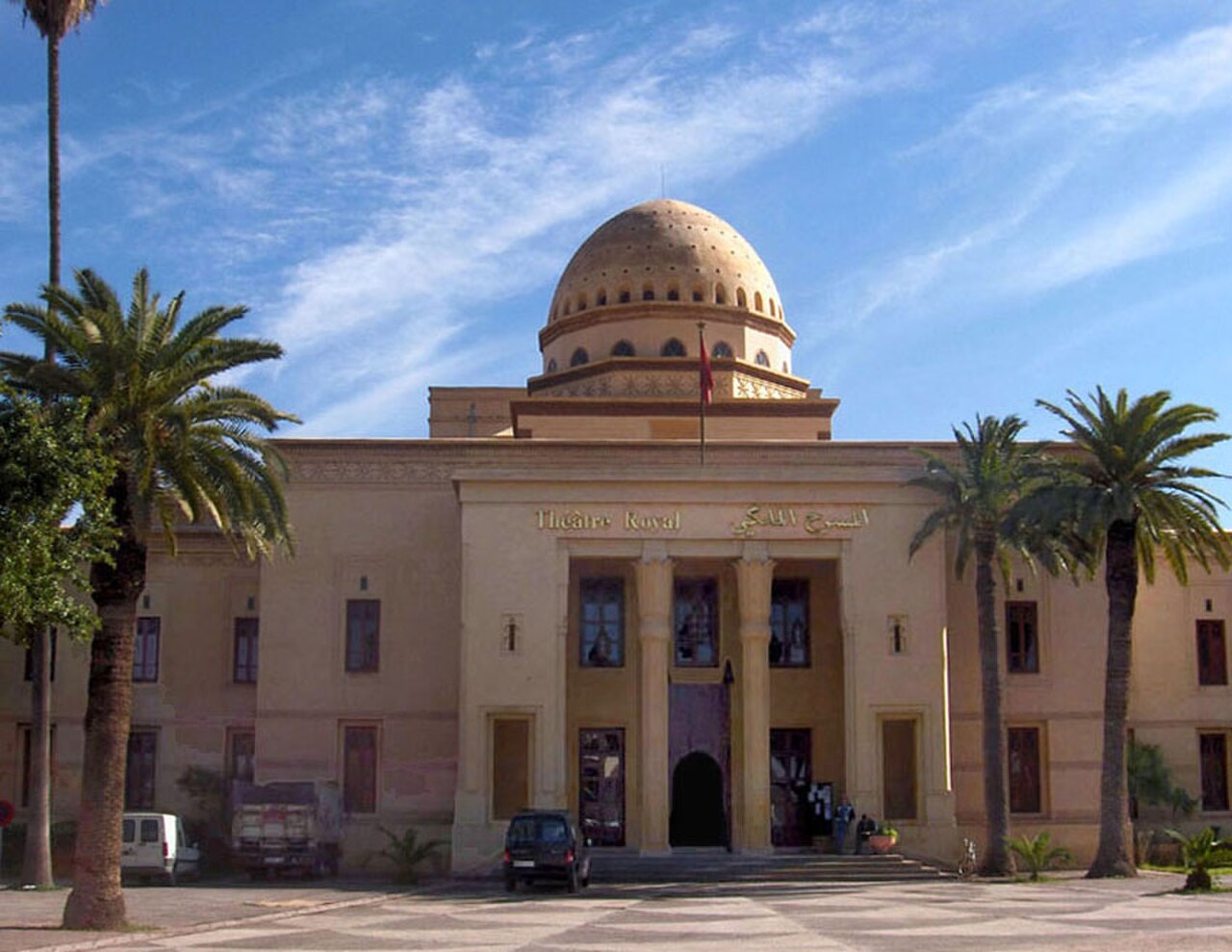
Give the exterior fifteen to thirty minutes if you are already visiting Gueliz or arriving by train. An event requires the full duration of the performance, with additional time for arrival, seating, and departure. The theatre is therefore best treated as either a short urban landmark or a fixed evening commitment. Pairing it with a walk around central Gueliz can make the journey worthwhile when no performance forms part of your plans.
Checked 2026-08-26 · Source
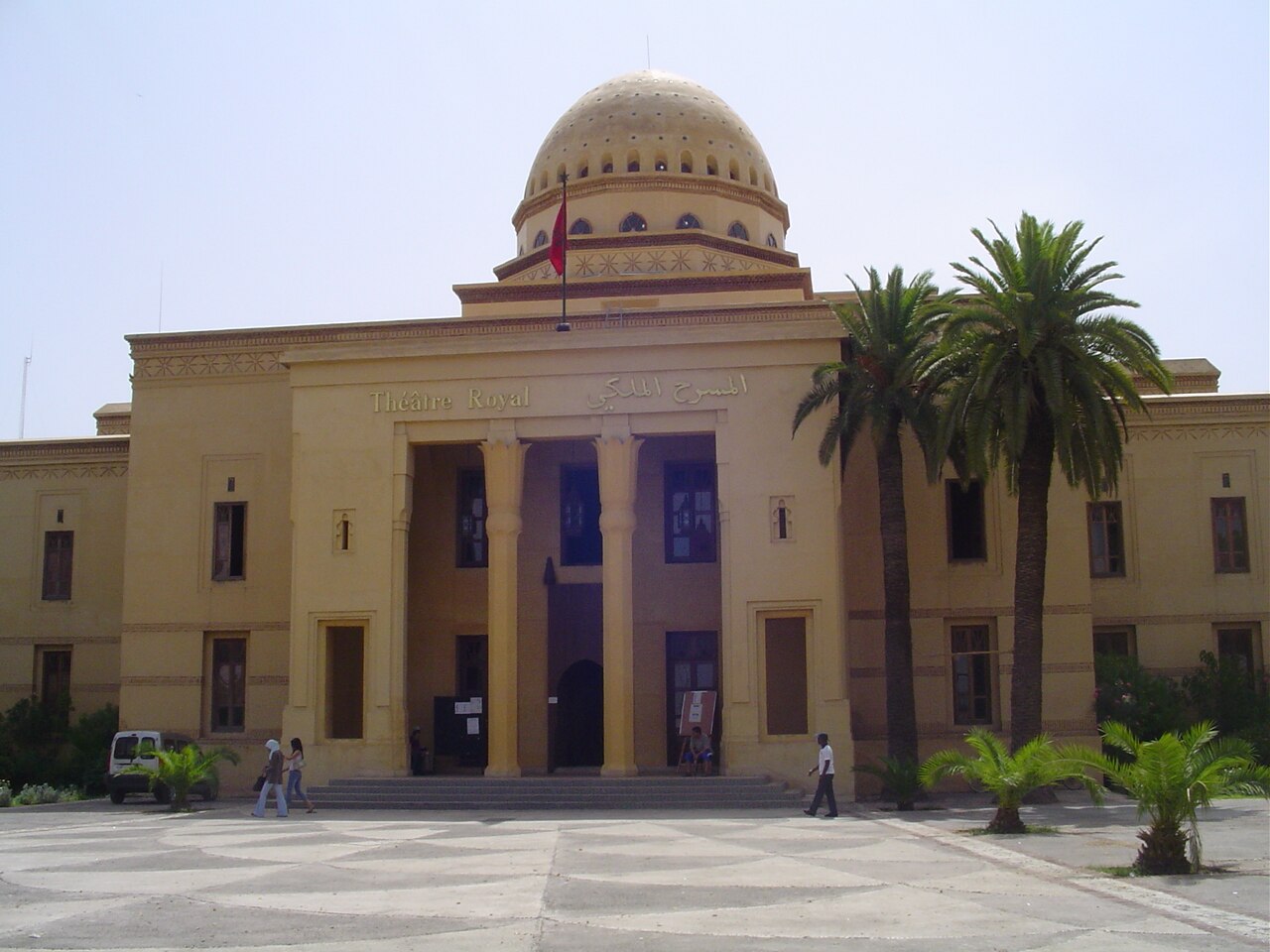
Visit during a scheduled performance if your goal is the theatre experience rather than the façade. Evening events suit the formal character of the venue and allow you to combine the visit with Gueliz after dark. For a simple architectural stop, daylight makes the building and its position opposite the station easier to appreciate. The venue is occasional rather than a continuously open sightseeing attraction, so it fits best into an itinerary built around a specific cultural event.
Checked 2026-08-26 · Source
Admission relates to individual performances rather than to a general monument visit. The price and purchase arrangement depend on the event and the seating offered for that production. Plan the theatre as a ticketed evening only when you have a particular performance in mind. If you are visiting the building as a landmark, there is no separate sightseeing experience described here. The contrast with informal medina entertainment is part of the venue’s appeal, but the two experiences serve different purposes.
Checked 2026-08-26 · Source
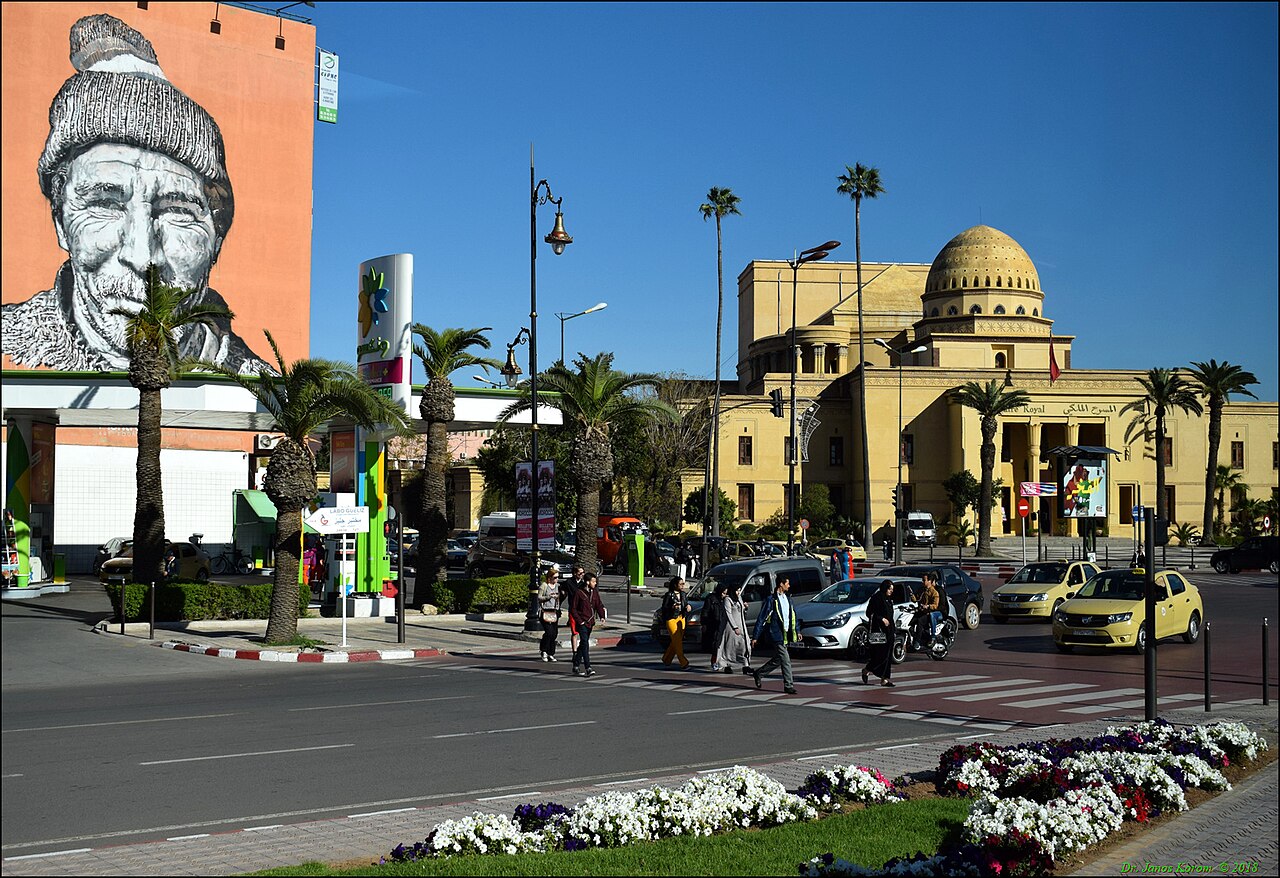
The theatre stands opposite Marrakesh railway station, making the station the clearest arrival reference. Train passengers can reach it directly on foot from the station area. Petit taxis connect the venue with the medina, Jemaa el-Fnaa, and other Marrakesh districts, while visitors staying in Gueliz can walk through the surrounding modern streets. Because performances may finish in the evening, plan your onward journey before taking your seat, particularly if you are returning to accommodation outside Gueliz.
Checked 2026-08-26 · Source
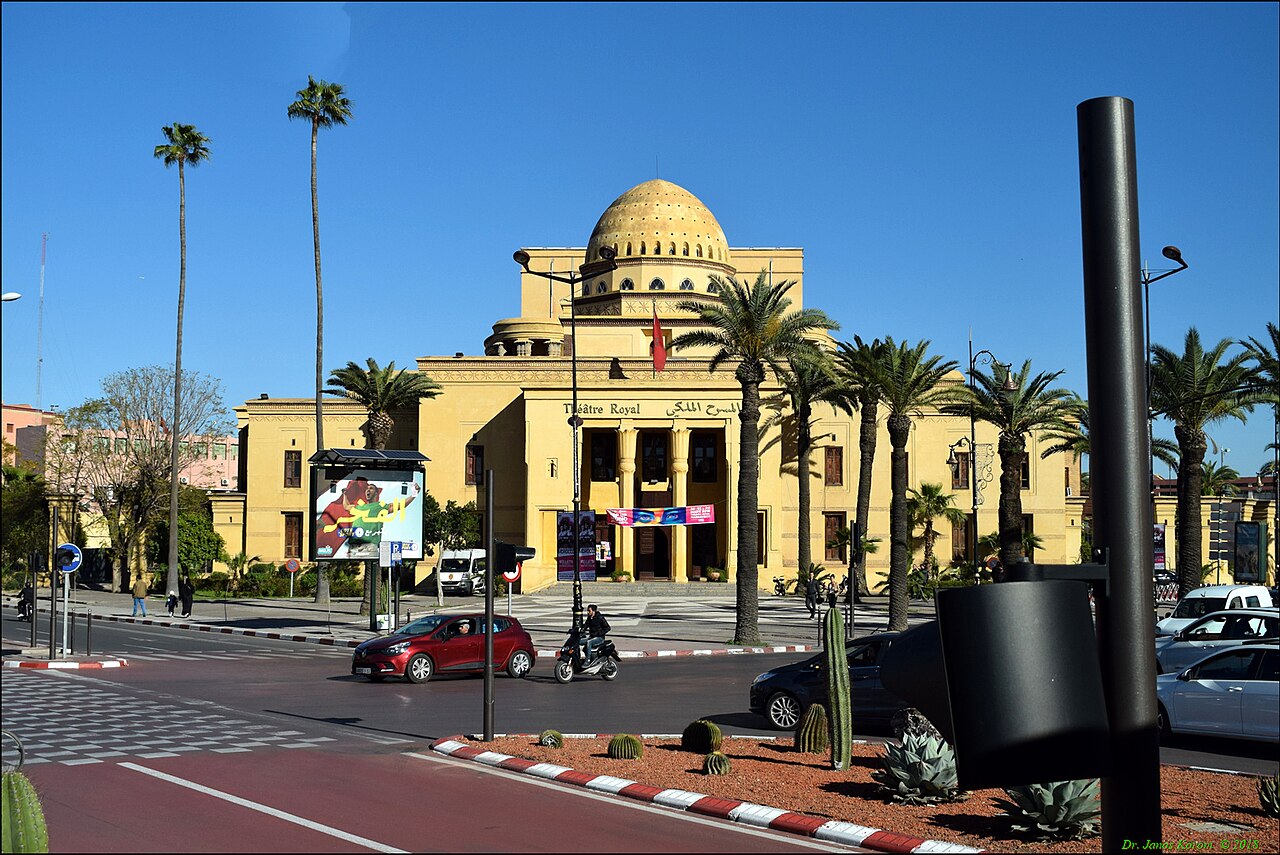
The theatre is not a drop-in attraction with the same predictable rhythm as a public square or medina street. A dedicated visit makes sense when an event gives you a reason to enter. The station setting is busy, so keep ordinary urban awareness around the building and on the journey home. For an evening performance, allow time to locate the entrance and settle into a formal venue. French or Arabic can be useful when handling local cultural information and event arrangements.
Checked 2026-08-26 · Source
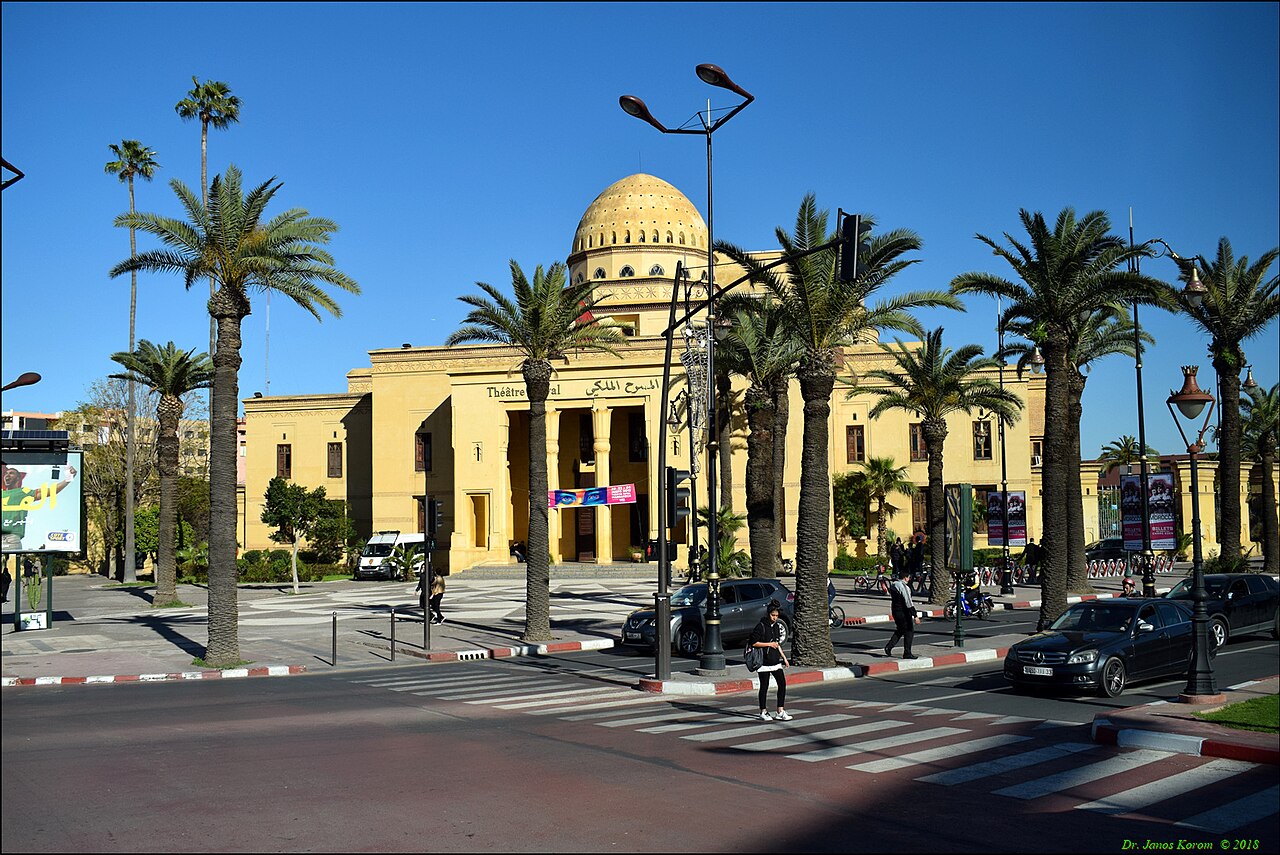
The modern façade can be photographed from the surrounding public streets, especially in relation to Marrakesh railway station. Inside, follow the theatre’s instructions and avoid recording during live performances, since the audience and performers need an uninterrupted experience. Tripods and professional equipment are better suited to the exterior than to busy station-side spaces. The strongest photographs show the building as part of Gueliz’s modern cityscape rather than treating it as another medina monument.
Checked 2026-08-26 · Source
It is in Gueliz, directly opposite Marrakesh railway station, making the station a clear landmark for reaching the venue.
The building functions as an occasional performance venue, so its main visitor experience is connected with scheduled cultural events rather than daily tours.
It is a formal modern theatre and civic cultural venue, offering a contemporary alternative to the informal entertainment associated with Marrakesh’s medina.
Allow fifteen to thirty minutes for the exterior. An event requires the complete performance period plus time for arrival, seating, and departure.
The theatre provides a modern institutional performance setting, while medina entertainment offers informal cultural experiences in the historic urban environment.
The exterior can be photographed from public streets. During an event, follow venue instructions and do not record the live performance.
Loading the interactive map…
The interactive map could not be loaded.
Last updated:
Source: OpenStreetMap contributors, Wikidata ·