
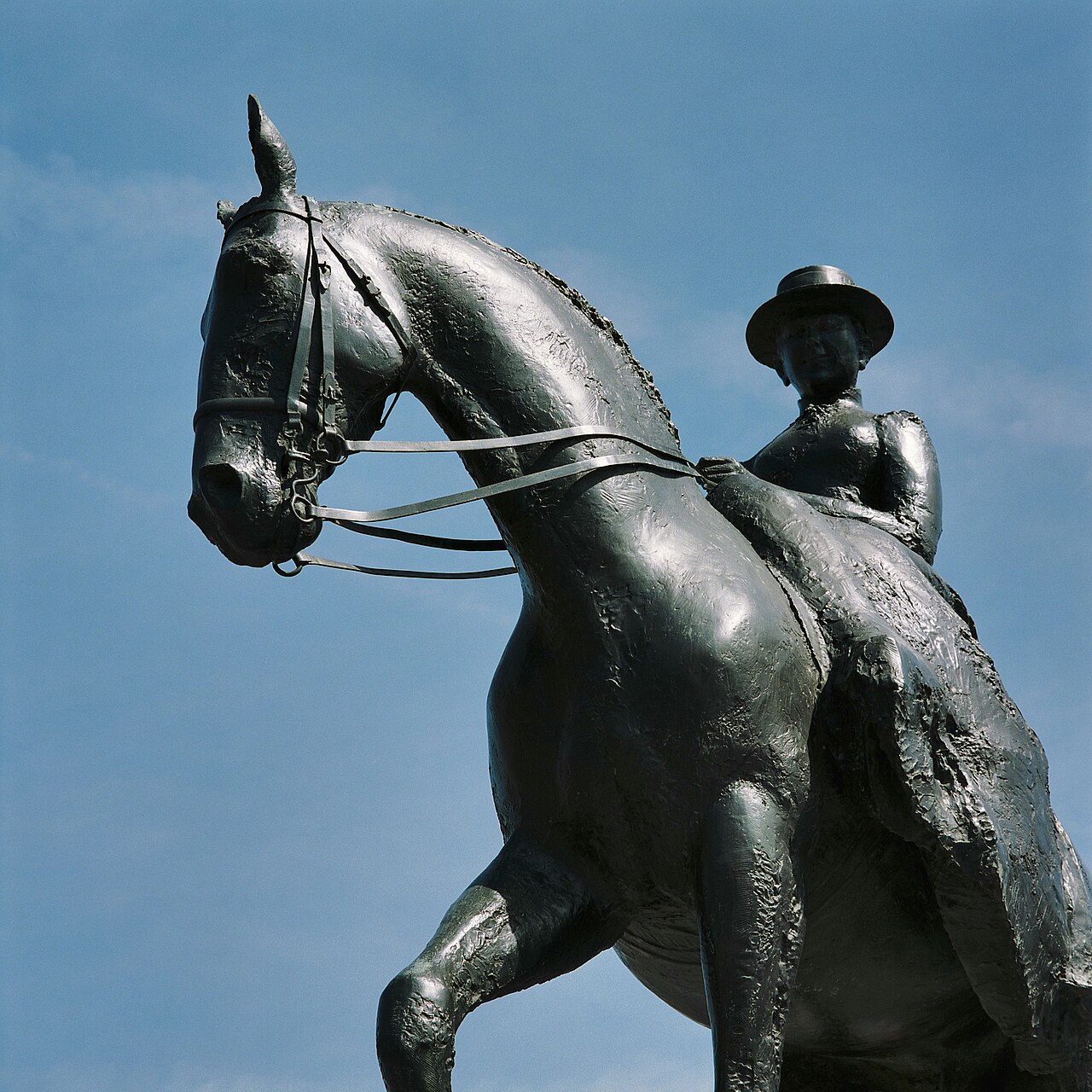
1 min walk
Equestrian statue of Queen Wilhelmina
- Notable
- Historic monument
Language · 11 published
Museum · Amsterdam
Reviewed by Elena Voss · Roavina Travel Editor
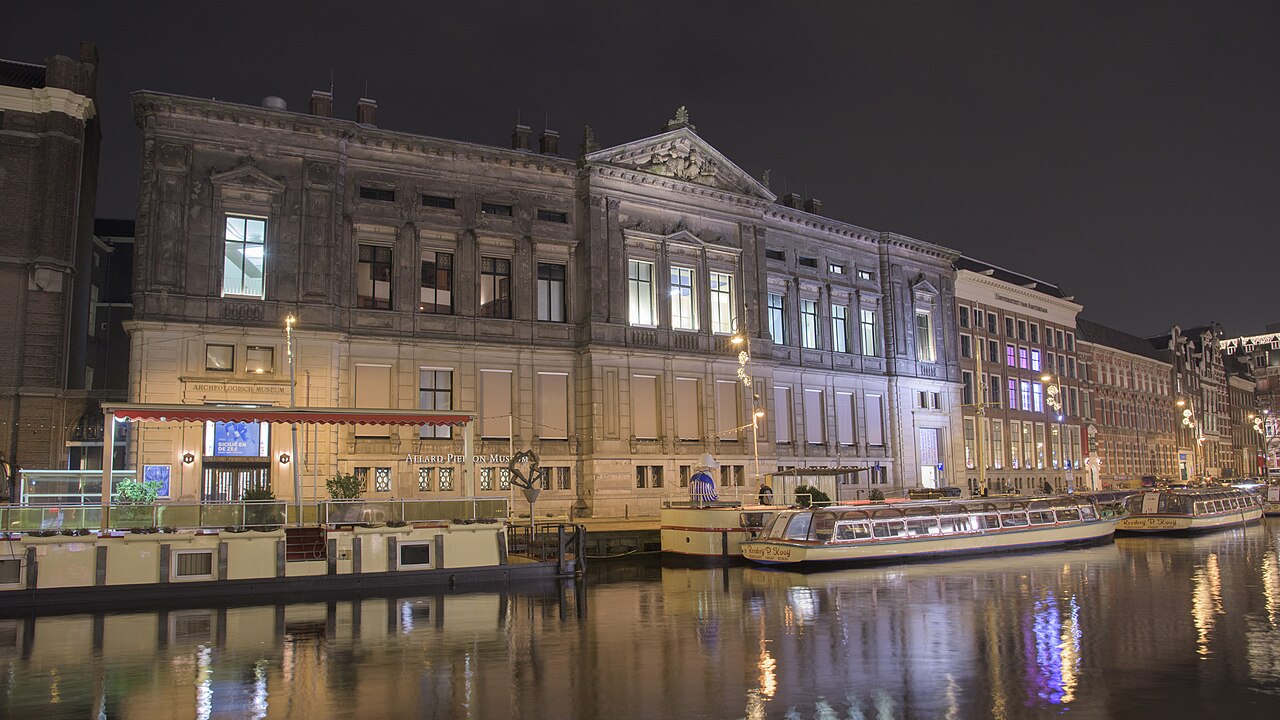
This place is a Museum. It was established in 1934.
The Allard Pierson Museum is the archaeological museum of the University of Amsterdam. It houses collections of antiquities from ancient Egypt, the Near East, the Greek world, Etruria, and the Roman Empire. The museum originated from private collections assembled in the nineteenth century, notably that of Reverend Theodoor Willem van Erp. It serves as both a public museum and a research institution connected to the university's academic programs. The institution underwent significant changes to its operational structure in recent years, including periods of uncertainty about its future funding and management.
Checked 2026-08-26 · Source
The museum's collections span multiple ancient civilizations. Egyptian artifacts include mummies, sarcophagi, and funerary objects. Greek and Roman holdings feature pottery, sculpture, coins, and domestic items. The Near Eastern collection contains cuneiform tablets and other objects from Mesopotamian cultures. Etruscan material includes tomb goods and bronze work. The museum also maintains special collections of books, archives, and prints related to archaeology. Temporary exhibitions rotate through the galleries, drawing on both the permanent holdings and loaned objects. The presentation emphasizes both artistic quality and archaeological context for understanding ancient societies.
Checked 2026-08-26 · Source
Visitors typically spend between one and two hours exploring the permanent collections. Those with specialized interest in particular ancient cultures or archaeological periods may wish to allocate additional time for detailed examination of objects and accompanying texts. Temporary exhibitions may extend or reduce the appropriate visit duration depending on their scale and complexity. The museum's compact layout relative to major national institutions allows efficient circulation through the galleries. School groups and academic visitors often structure longer visits around specific research or educational objectives. Self-guided pacing is standard, with no mandatory tour route imposed on individual visitors.
Checked 2026-08-26 · Source
Visitors should consult the museum's official communication channels or the University of Amsterdam's website for current opening schedules before planning a visit. Academic calendars may influence visitor patterns, with potential increases during university open days or related events. Amsterdam's tourist season peaks during summer months, which may affect crowd levels at centrally located cultural institutions. Weather conditions in the Netherlands are variable year-round, making indoor attractions consistently practical regardless of season. Advance verification of operational status is advisable given institutional changes affecting the museum's management structure.
Checked 2026-08-26 · Source
The museum's admission structure may reflect its university affiliation, with potential reduced rates for students, university staff, or affiliated researchers. Standard museum pricing conventions in Amsterdam typically distinguish between adult, concession, and youth categories. Group rates may be available for educational bookings arranged through university channels. Visitors should confirm current pricing and any available exemptions directly with the museum before arrival, as institutional transitions may affect fee structures.
Checked 2026-08-26 · Source
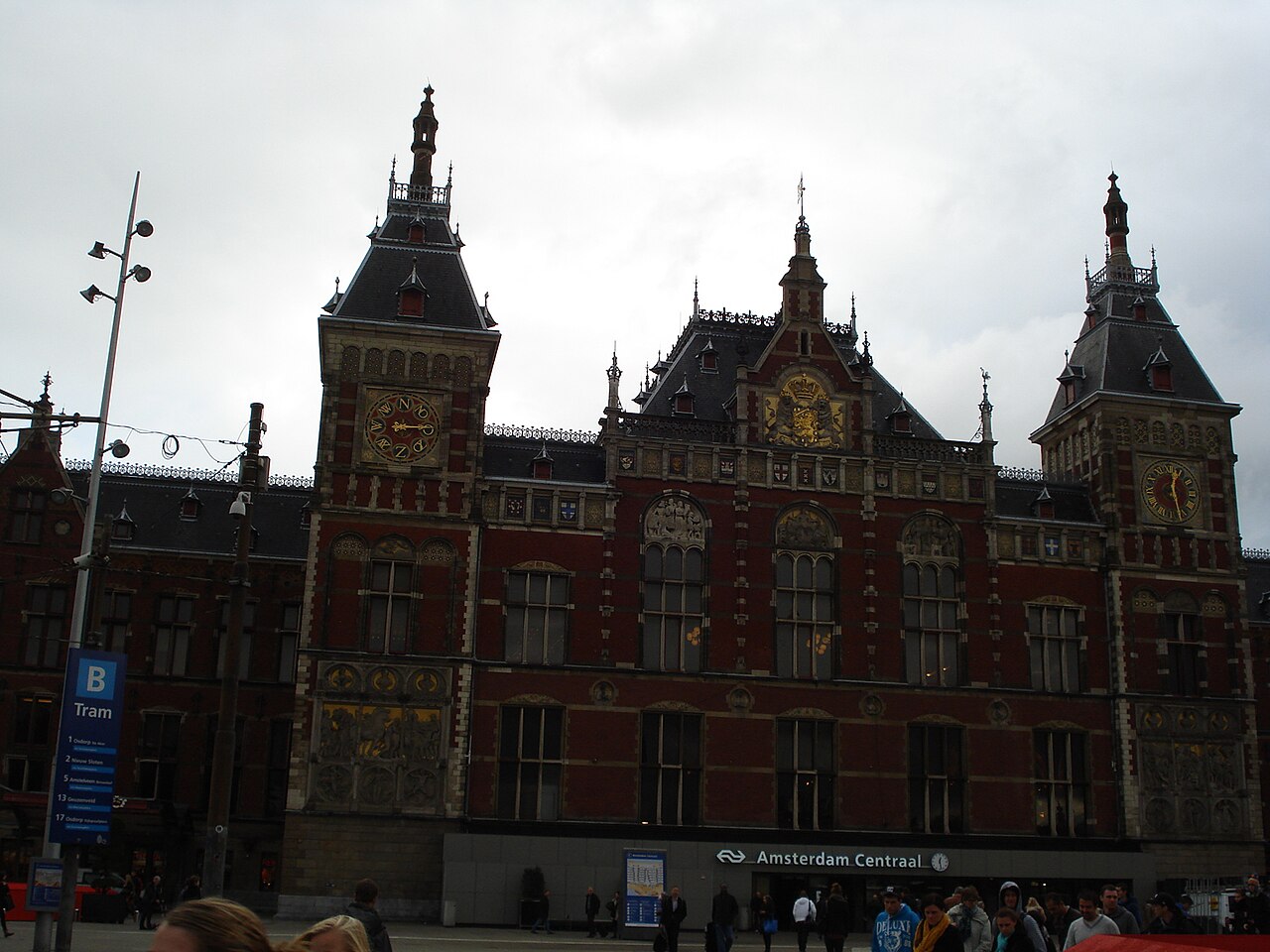
The museum occupies a central location in Amsterdam, accessible by multiple transport modes. The city center is served by an extensive tram network, with several lines passing through nearby streets. Amsterdam Central Station provides connections to national and international rail services, with onward local transport to the museum district. Cycling remains a dominant local transport mode, with parking facilities typically available near major institutions. Walking from central accommodations is feasible given compact city geography. Canal boat services operate for touristic purposes but do not constitute practical transport to this specific destination. Visitors should verify current address and access arrangements due to potential institutional relocations.
Checked 2026-08-26 · Source
The museum has experienced operational uncertainty related to university funding decisions and management restructuring. Visitors should verify current opening status before traveling, as administrative changes may affect accessibility. The collection's physical security and climate control meet standard museum specifications for archaeological materials. Some objects may be rotated off display for conservation or research purposes. Language of labeling is predominantly Dutch, with variable English provision depending on exhibition. The institution's dual role as public museum and academic repository may result in occasional closures for private university functions or collection maintenance. Accessibility accommodations should be confirmed directly with staff.
Checked 2026-08-26 · Source
Photography policies at Dutch university museums vary and are typically more restrictive than at national institutions. Flash photography is generally prohibited to protect light-sensitive materials including papyri, textiles, and pigmented surfaces. Tripod use usually requires advance permission and may be restricted to specific sessions. Commercial or publication-quality photography demands formal authorization and potential fees. Selfie sticks and other extension devices may be prohibited for object protection and visitor safety. Visitors should observe signage at gallery entrances and comply with staff instructions. Copyright restrictions apply to photographic reproduction of collection objects for any purpose beyond personal reference.
Checked 2026-08-26 · Source
The museum's operational status has been subject to institutional uncertainty. Visitors must verify current accessibility through official University of Amsterdam channels before planning a visit.
Academic institutions may offer scheduled or group-arranged tours; direct inquiry is recommended.
English labeling provision varies by exhibition and is not uniformly guaranteed. Dutch remains the primary institutional language given the university affiliation.
The museum functions as a research repository connected to the University of Amsterdam. Scholarly access arrangements would typically be coordinated through formal academic channels rather than general visitor admission.
The central Amsterdam location provides numerous external options within walking distance.
The institution's significance derives primarily from its collections and university affiliation.
Loading the interactive map…
The interactive map could not be loaded.
Last updated:
Source: OpenStreetMap contributors, Wikidata ·