
1 min walk
Agnietenkapel
- Notable · Heritage site
- Historic monument
Language · 11 published
Historic monument · Amsterdam
Huis aan 3 grachten
Reviewed by Elena Voss · Roavina Travel Editor
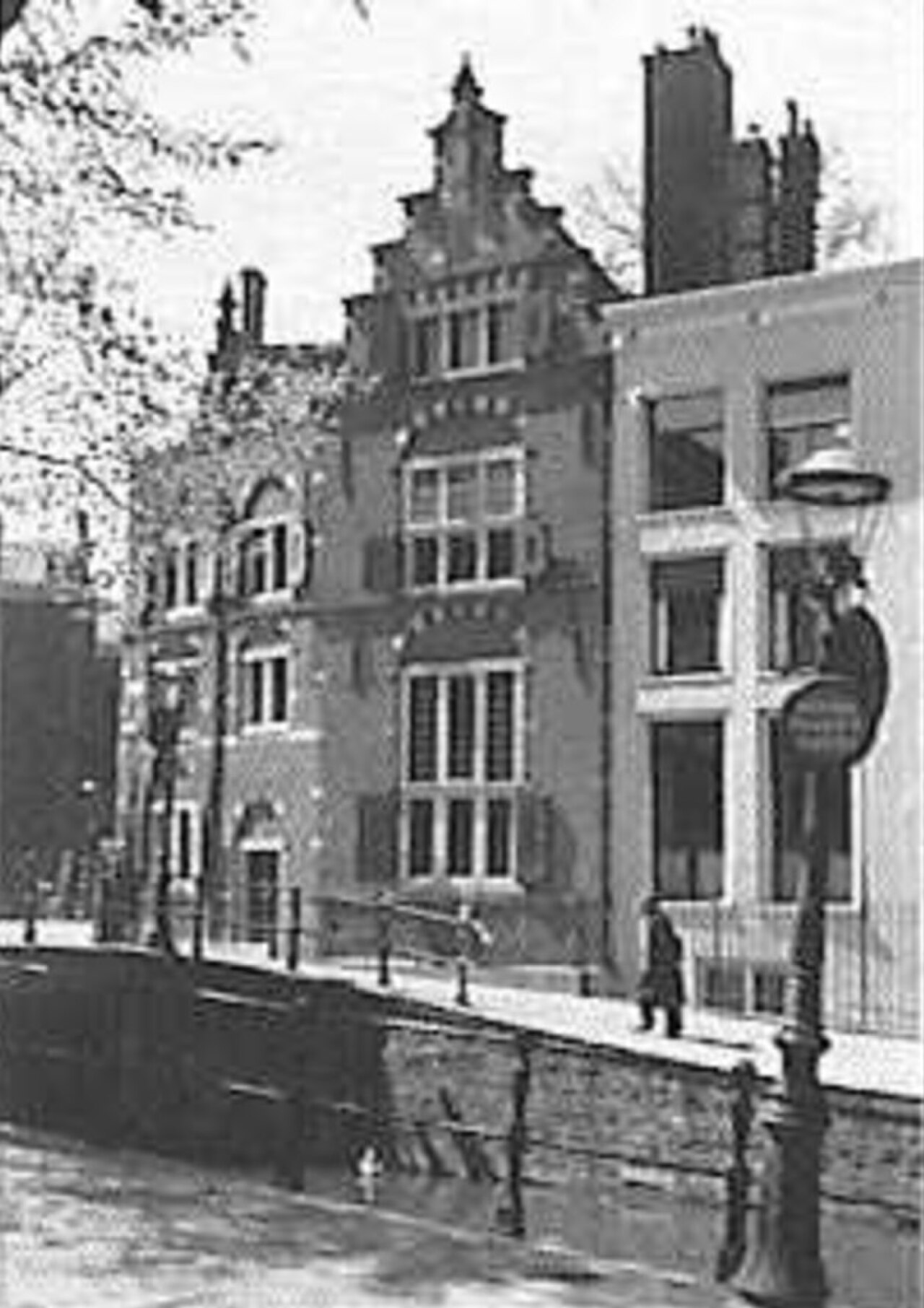
This place is a Attraction. It carries the Rijksmonument heritage designation.
Huis aan de Drie Grachten is an Amsterdam canal house whose name means “House on the Three Canals.” The name points to the building’s defining setting: it stands where three canals meet, making its relationship with the water more important than any recorded interior attraction. This is a place to notice as part of the historic centre’s canal-side architecture, where façades, bridges, streets, and waterways form one closely connected urban landscape. Its appeal is therefore visual and geographical. Look at how the building occupies the junction, then compare that view with the changing perspectives from nearby public routes. The house is a useful stop for travellers interested in Amsterdam’s historic canal environment, even when it is visited only from outside.
Checked 2026-08-26 · Source
No public interior, rooms, furnishings, collection, or visitor facilities are recorded for Huis aan de Drie Grachten. Plan the visit around the exterior rather than expecting a museum interior or a scheduled house tour. From public streets, bridges, and canal edges, the useful details are the building’s position, façades, roofline, and connection with the three waterways. The surrounding canal setting supplies the historical context: one structure becomes distinctive because of the way it meets several stretches of water and the streets that cross them. Visitors should treat the building as an architectural landmark in the public streetscape.
Checked 2026-08-26 · Source
Allow about ten to fifteen minutes for a focused exterior stop at Huis aan de Drie Grachten. That is enough time to identify the building, examine the canal junction, and take a few photographs from a safe public position. Travellers who enjoy architectural details, reflections, or comparing viewpoints can spend closer to thirty minutes. The building is best included in a longer walk through Amsterdam’s canal ring rather than treated as a half-day destination. Build in flexibility because narrow bridges, passing cyclists, and other pedestrians may limit how long you can stand in one place. A short visit still works well when the main aim is to understand the house’s unusual three-canal setting.
Checked 2026-08-26 · Source
Visit Huis aan de Drie Grachten during a daytime walk through Amsterdam’s central canal ring, when the exterior and the surrounding water are easiest to read. Early morning and late afternoon can provide softer light, stronger reflections, and a calmer atmosphere for a brief pause. The experience is outdoors, so rain and wet paving can affect comfort and footing. Seasonal weather changes the mood of the canals, but no season-specific opening schedule or event programme is recorded for this building. The location makes most sense when paired with nearby canal streets and bridges: the house reveals more of its character as the viewing angle changes along the route.
Checked 2026-08-26 · Source
No admission arrangement or ticket information is recorded for Huis aan de Drie Grachten. Plan for an exterior viewing from public streets, bridges, and canal-side viewpoints rather than for entry to a ticketed museum. No public interior access is recorded, so there is no confirmed building-specific visit to purchase or reserve. The surrounding canal streets are part of the public urban environment, but this guide does not assign a separate admission price to them. For a full day in Amsterdam, combine this brief architectural stop with nearby attractions whose own operators publish admission rules and prices. Keep Huis aan de Drie Grachten as a flexible landmark within the route, not as the day’s principal ticketed activity.
Checked 2026-08-26 · Source
Huis aan de Drie Grachten is located within Amsterdam’s central canal ring and is most naturally reached as part of a walking route through the historic centre. Use the canal streets and bridges as the approach, allowing time to pause at the water junction rather than aiming only for a doorway or façade seen from one direction. Tram services operate in the surrounding central area, followed by a walk through ordinary city streets. Cycling is common in Amsterdam; anyone arriving by bike should avoid stopping on cycle routes, bridge approaches, or narrow canal-side passages. The supplied location is the OpenStreetMap point for the building.
Checked 2026-08-26 · Source
The setting requires ordinary canal-side awareness. Narrow paths and bridges may carry bicycles and can become uncomfortable places to stop, so stand to one side and leave room for other people. Open water and wet paving deserve care in rain, darkness, or crowded conditions. If you photograph the building, keep tripods and bags out of the pedestrian and cycling flow. No public interior access is recorded, and the house may be private or otherwise unavailable for entry; respect doors, windows, and residents’ privacy. No location-specific accessibility facilities or safety provisions are recorded, so choose viewpoints according to the conditions you find on arrival.
Checked 2026-08-26 · Source
The meeting of three waterways gives Huis aan de Drie Grachten a clear photographic subject. Start with a view that uses the canals as converging lines toward the house, then move to another public viewpoint to show how the building sits between water and streets. Reflections can add depth, while early or late daylight may bring out façade texture and the changing colour of the canal surface. A wide lens can help in confined urban angles, but a normal lens may better preserve the building’s proportions. Avoid blocking narrow bridges or canal paths, and photograph the exterior only unless you have explicit permission for any interior view.
Checked 2026-08-26 · Source
No public interior access is recorded.
No building-specific admission arrangement or ticket information is recorded. Treat Huis aan de Drie Grachten as an exterior landmark in Amsterdam’s public canal streetscape, not as a confirmed ticketed museum.
Its defining feature is its setting at the meeting point of three Amsterdam canals. The name, meaning “House on the Three Canals,” describes the unusual relationship between one canal house, several waterways, and the surrounding streets.
Include it in a walking route through Amsterdam’s central canal ring. Approach from public streets or bridges, pause without obstructing cyclists or pedestrians, and compare views from the surrounding waterways to appreciate the building’s position.
Treat Huis aan de Drie Grachten as an exterior landmark encountered during a broader canal or historic-centre walk.
Daylight is practical for seeing the exterior. Early morning or late afternoon may provide softer light and reflections, while quieter periods can make it easier to photograph without obstructing people on narrow bridges.
Loading the interactive map…
The interactive map could not be loaded.
Last updated:
Source: OpenStreetMap contributors, Wikidata ·