
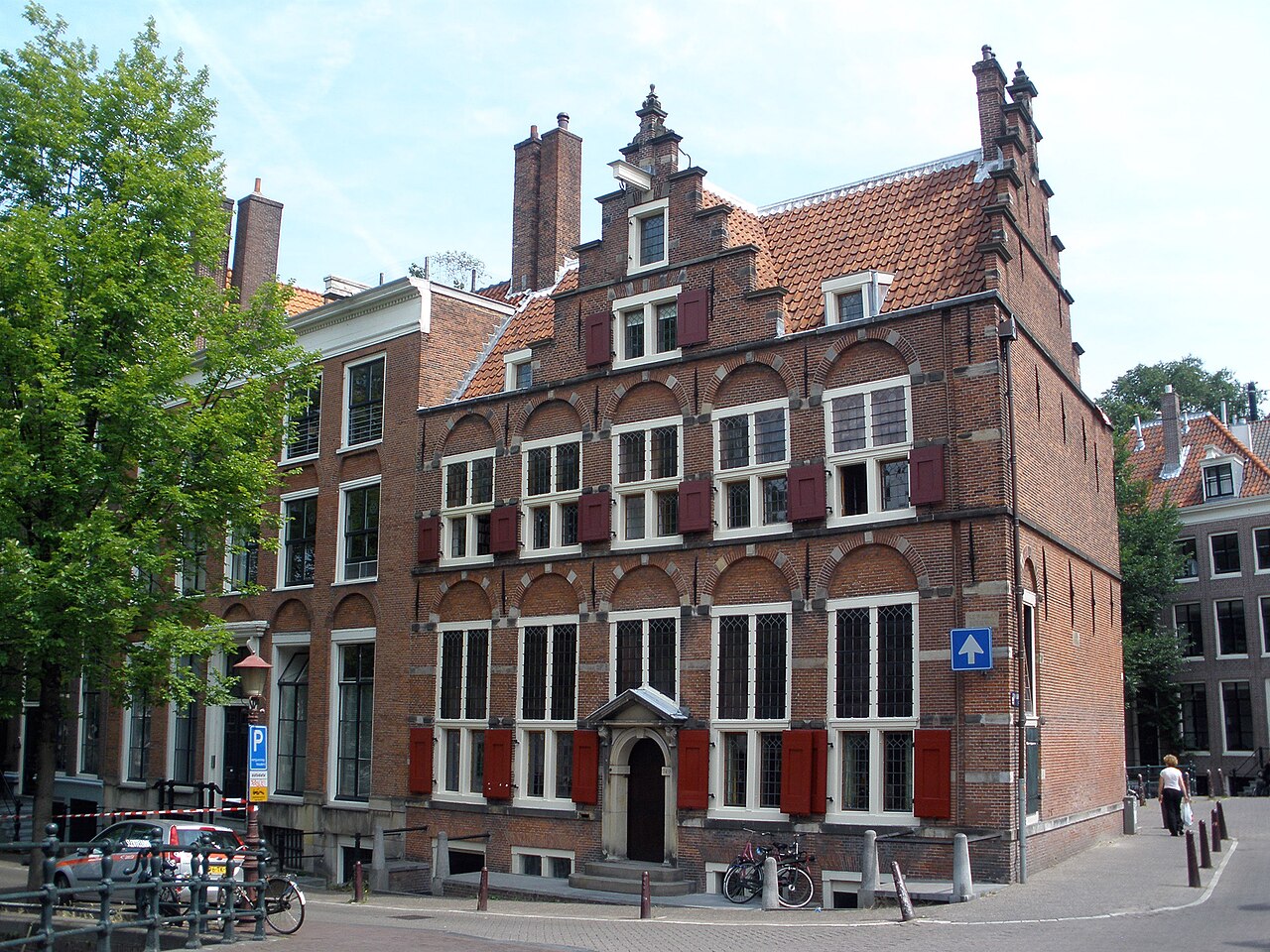
1 min walk
Huis aan de Drie Grachten
- Notable · Heritage site
- Historic monument
Language · 11 published
Historic monument · Amsterdam
Agnietenkapel (UvA)
Reviewed by Elena Voss · Roavina Travel Editor
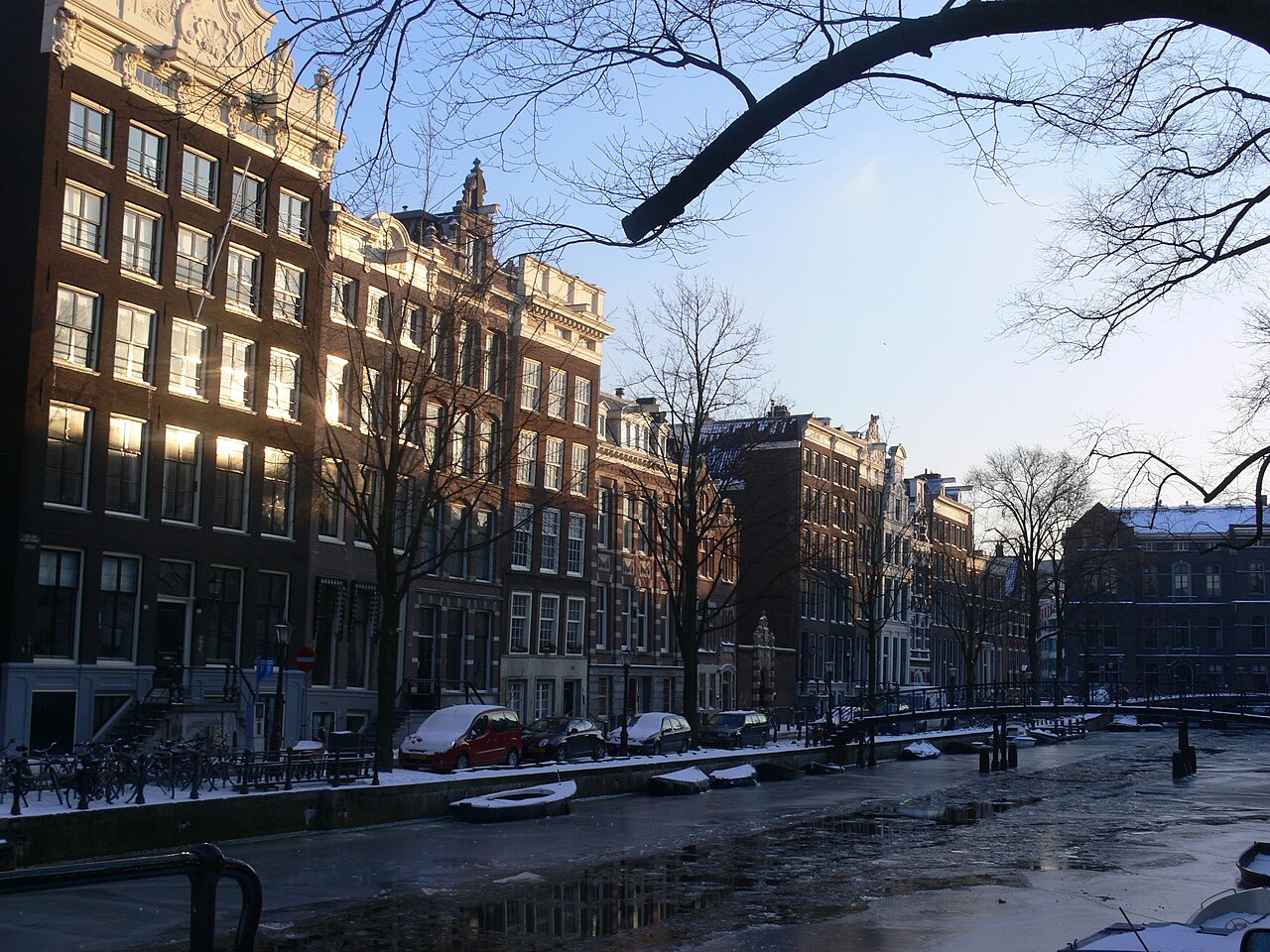
It was established in 1470. It carries the Rijksmonument heritage designation.
Agnietenkapel is a historic chapel in Amsterdam, associated with the University of Amsterdam (UvA). The name derives from the former convent of Saint Agnes. It serves as an academic ceremonial venue rather than a regular place of worship. The building represents surviving religious architecture from Amsterdam's medieval period, adapted for contemporary university use. Its location within the city center places it among other heritage structures. The chapel's connection to the UvA indicates institutional stewardship. Visitors should recognize it primarily as a ceremonial and historical site with restricted public access typical of university-controlled properties. Public access is not standard. The chapel serves university ceremonial functions. Occasional access may occur during specific events or heritage programs, but no regular opening schedule is documented. University ceremonies are typically restricted to participants and invited guests. Public attendance is not generally advertised. Contacting the UvA directly represents the only method to inquire about specific event access.
Checked 2026-08-26 · Source
Interior details of Agnietenkapel are not extensively documented in public sources. The space is configured for academic ceremonies rather than continuous public display. Historical chapels of this type typically contain minimal furnishing to accommodate flexible use. Visitors granted entry would observe a space designed for formal gatherings, with atmosphere shaped by age and institutional function rather than museum-style interpretation.
Checked 2026-08-26 · Source
A visit to Agnietenkapel requires minimal time for exterior observation, approximately five to ten minutes. Interior access is not guaranteed for casual visitors due to university ownership and ceremonial scheduling. Those attending permitted events should allow additional time for security and seating procedures. The compact scale of historic chapels suggests brief interior circulation even when accessible. Planning should treat this as a passing point in a broader walking itinerary rather than a dedicated destination. No guided tours or extended programming are documented. Visitors should adjust expectations accordingly and verify access possibilities in advance through UvA channels.
Checked 2026-08-26 · Source
Agnietenkapel functions as a university ceremonial venue, not a public attraction with regular opening times. Access is presumably limited to scheduled academic events, private ceremonies, or occasional heritage openings. No seasonal patterns or optimal visiting periods are documented. The exterior can be viewed at any time from public thoroughfares. Contacting the University of Amsterdam directly represents the only reliable method to determine potential visitation opportunities. Advance planning is essential given the institutional rather than tourist-oriented nature of the site.
Checked 2026-08-26 · Source
Agnietenkapel does not operate as a commercial tourist attraction. No admission fee structure for casual visitors is documented. Events hosted by the University of Amsterdam may carry separate registration requirements or costs unrelated to heritage visitation. The absence of public ticketing systems indicates that standard tourist passes or city cards do not apply. Visitors should not expect on-site payment facilities. Financial planning for this site is unnecessary unless attending a specific ticketed academic or cultural program.
Checked 2026-08-26 · Source
Agnietenkapel occupies a central Amsterdam location accessible by foot from major transit hubs. The nearest tram and bus stops serve multiple lines through the historic core. Amsterdam Centraal Station lies within walking distance for able visitors. Cycling represents the predominant local transport mode, with parking facilities nearby though congested. Canal boat services do not directly serve this site. The dense urban fabric makes private vehicle use impractical. Signage for university buildings may assist orientation. Street-level navigation in Amsterdam's center requires attention to canal rings and bridge crossings. Standard mapping applications provide adequate routing.
Checked 2026-08-26 · Source
Visitors should respect the primary function of Agnietenkapel as a working university facility. Disruption of ceremonies or academic activities is inappropriate. Exterior photography may attract security attention given institutional ownership. The building's age suggests uneven surfaces and threshold steps requiring care. No permanent staff are present for visitor assistance. Emergency procedures follow university protocols rather than tourist facility standards. The surrounding area experiences typical urban center congestion and bicycle traffic. Nighttime illumination of the exterior is not guaranteed. Visitors should maintain awareness of private property boundaries and refrain from entering restricted areas without authorization.
Checked 2026-08-26 · Source
Photography conditions at Agnietenkapel are constrained by its status as university property. Exterior shots from public rights-of-way are generally permissible under Dutch law. Interior photography requires explicit permission, unlikely for casual visitors. The narrow streetscape may limit framing options for building facades. Lighting conditions vary significantly by season and time of day given northern latitude. Tripod use in pedestrian areas may obstruct passage and attract intervention. No dedicated viewpoints or interpretive panels facilitate composition. The chapel's modest scale challenges architectural photography without specialized equipment. Visitors should prioritize observation over documentation and comply with any staff directives regarding image capture.
Checked 2026-08-26 · Source
Public access is not standard. The chapel serves university ceremonial functions. Occasional access may occur during specific events or heritage programs, but no regular opening schedule is documented.
University ceremonies are typically restricted to participants and invited guests. Public attendance is not generally advertised. Contacting the UvA directly represents the only method to inquire about specific event access.
The chapel is not an active parish church. Its religious function has been superseded by academic ceremonial use.
The name references the former Saint Agnes convent, indicating medieval origins, but precise architectural chronology requires specialist consultation.
No visitor amenities are documented. Agnietenkapel lacks commercial tourism infrastructure. The surrounding area contains standard urban services, but none affiliated with the chapel itself.
As UvA property, any external use would require institutional approval. Direct university inquiry represents the appropriate channel for such requests.
Loading the interactive map…
The interactive map could not be loaded.
Last updated:
Source: OpenStreetMap contributors, Wikidata ·