
10 min walk
Museum Jan van der Togt
- High
- Museum
Language · 11 published
Museum · Amsterdam
Reviewed by Elena Voss · Roavina Travel Editor
| Monday | Closed |
|---|---|
| Tuesday | 11:00 – 17:00 |
| Wednesday | 11:00 – 17:00 |
| Thursday | 11:00 – 17:00 |
| Friday | 11:00 – 17:00 |
| Saturday | 11:00 – 17:00 |
| Sunday | 11:00 – 17:00 |
Parsed from OpenStreetMap opening hours on 2026-09-09.
This place is a Museum. It was established in 1995. It was designed by Wim Quist.
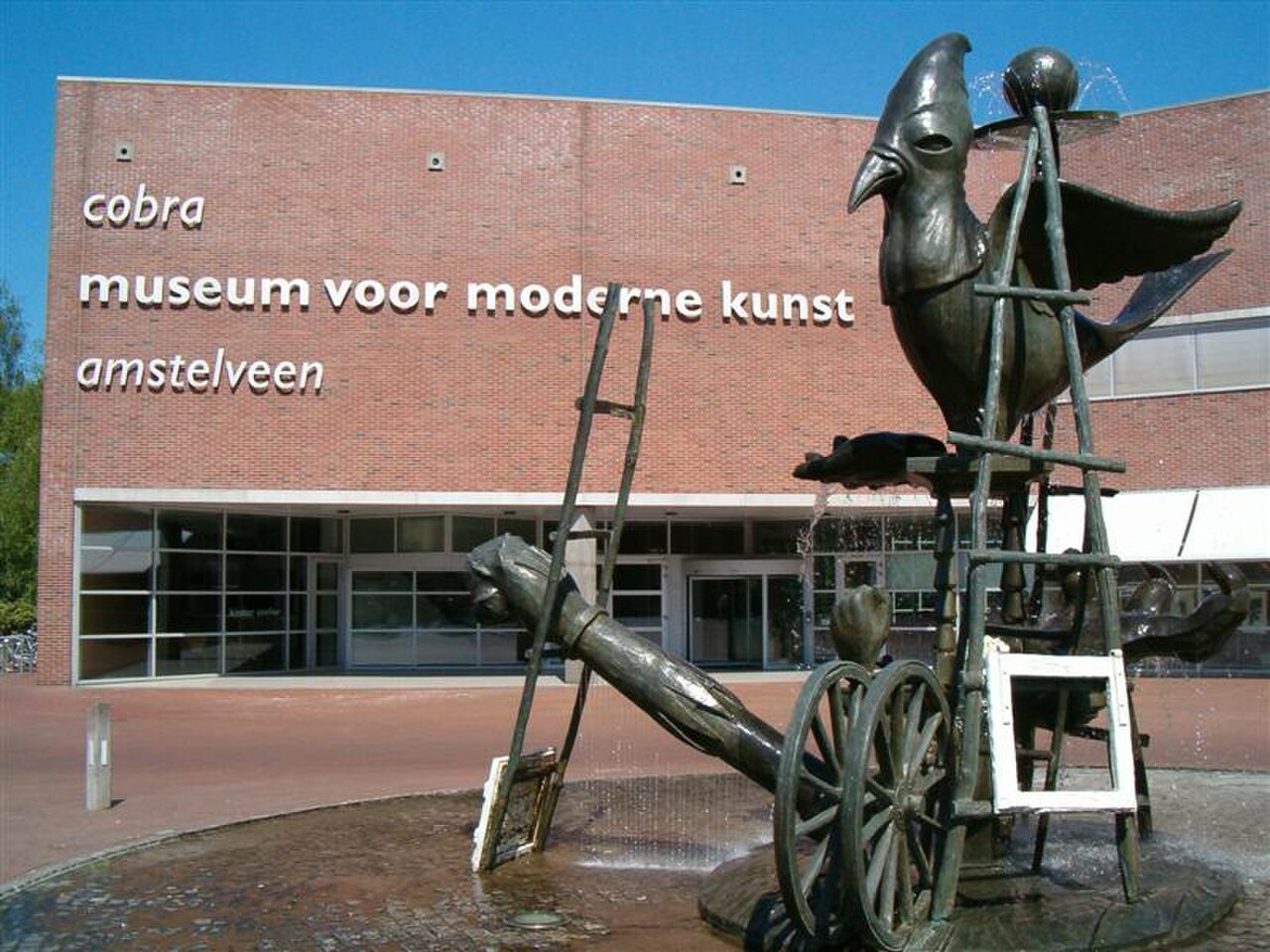
Cobra Museum is a specialist art museum in Amstelveen, the municipality bordering Amsterdam. Its subject is the Cobra movement, an international post-war group whose name joins Copenhagen, Brussels and Amsterdam. Cobra artists are associated with spontaneous, experimental approaches that valued imaginative freedom over academic convention. The museum’s setting gives this history a distinct geographical frame: visitors leave Amsterdam’s historic centre for a dedicated institution in Amstelveen. That makes the museum especially relevant to travellers interested in European modernism, movement-based art history and the connections between Dutch and wider northern European culture. The Cobra Museum is an art museum located in Amstelveen, a municipality bordering Amsterdam in the Netherlands. It is dedicated to the Cobra art movement, an avant-garde collective named after the home cities of its founders: Copenhagen, Brussels, and Amsterdam. No. The museum is located in Amstelveen, a separate municipality that borders Amsterdam. Public transportation connects the two locations.
Checked 2026-08-26 · Source
The museum presents art connected with Cobra and its legacy across several media, including paintings, sculpture, works on paper and related applied arts. The movement’s international character is important to the experience: this is not a display limited to Dutch artists, but a presentation of artistic exchange linking Denmark, Belgium and the Netherlands. The museum also uses exhibitions to place Cobra’s energetic, playful and experimental visual language in a broader modern-art context. The balance between collection material and temporary displays can change, giving repeat visitors a reason to return. Expect the interest to come from seeing how a movement’s ideas travel between media, artists and generations, rather than from a chronological survey of all Dutch art.
Checked 2026-08-26 · Source
Allow roughly one to two hours for a focused visit. That is enough time to move through the museum attentively, compare different media and leave room for a temporary exhibition when one is included in the programme. Visitors who already know post-war modernism, or who read labels and study works closely, may want to stay longer. Since the museum is in Amstelveen rather than central Amsterdam, add the outward and return journey separately when planning the day. A shorter visit can still work as one concentrated art stop, while a slower visit benefits from pausing to compare the movement’s varied visual languages.
Checked 2026-08-26 · Source
Plan Cobra Museum as a deliberate Amstelveen excursion rather than an attraction encountered during a walk through central Amsterdam. A weekday may fit naturally into a quieter museum-focused day, while a weekend visit can be combined with other plans in Amstelveen. The indoor setting makes it a useful choice when outdoor sightseeing is less comfortable, but the museum’s current programme can affect how much time you want to spend there.
Checked 2026-08-26 · Source
Treat admission planning as unresolved when building the day’s budget, and base the decision to visit on the museum’s specialist Cobra focus rather than on an assumed fare. The absence of a recorded price is different from free admission: no charge is asserted here. This keeps the ticket guidance aligned with the available evidence while preserving the museum’s artistic identity as the reason to make the journey.
Checked 2026-08-26 · Source
The museum is in Amstelveen, a separate municipality bordering Amsterdam. Tram line 5 and multiple bus services connect Amsterdam with Amstelveen, and the museum is within walking distance of stops in the town centre. Cycling is also a practical Dutch option, using dedicated cycle infrastructure for the journey from Amsterdam. Drivers should plan for parking in Amstelveen rather than relying on central-Amsterdam parking.
Checked 2026-08-26 · Source
The main planning point is geographical: Cobra Museum is in Amstelveen, not in Amsterdam’s historic centre, even though Amsterdam is part of the movement’s name. Build the connection and final walk into the day, and avoid treating the visit as a quick central-museum detour. The museum’s specialist subject also matters; it is a focused institution about Cobra and related artistic influence, not a general survey of every period of Dutch art.
Checked 2026-08-26 · Source
Visitors should therefore follow gallery signage and staff instructions during the visit, without assuming that every work may be photographed or that flash, tripods or commercial equipment are permitted. Loaned works and temporary exhibitions can carry conditions that differ from collection displays, but no specific Cobra rule is recorded here. Keep image-making secondary to the artworks and leave clear space for other visitors while moving through the museum. This gives practical behaviour guidance without turning a general museum convention into an unsupported fact about this institution.
Checked 2026-08-26 · Source
No. The museum is in Amstelveen, a separate municipality bordering Amsterdam. Plan public transport or cycling from Amsterdam as a journey to Amstelveen, rather than as a walk between central Amsterdam attractions.
No. Cobra was an international movement associated with Copenhagen, Brussels and Amsterdam, so the museum’s subject extends beyond Dutch art and places the movement in a wider post-war European context.
It presents art associated with the Cobra movement and its legacy, including paintings, sculpture, works on paper and related applied arts. Temporary exhibitions may broaden or change the emphasis of what is on view.
Allow about one to two hours for a focused visit. Visitors who study post-war modernism closely or spend time with a temporary exhibition may prefer a longer stay.
Yes. Cycling is a practical option from Amsterdam through Dutch cycle infrastructure. Plan the route using current local information, including the final approach and bicycle parking arrangements.
No free-admission claim is made.
Loading the interactive map…
The interactive map could not be loaded.
Last updated:
Source: OpenStreetMap contributors, Wikidata ·