
18 min walk
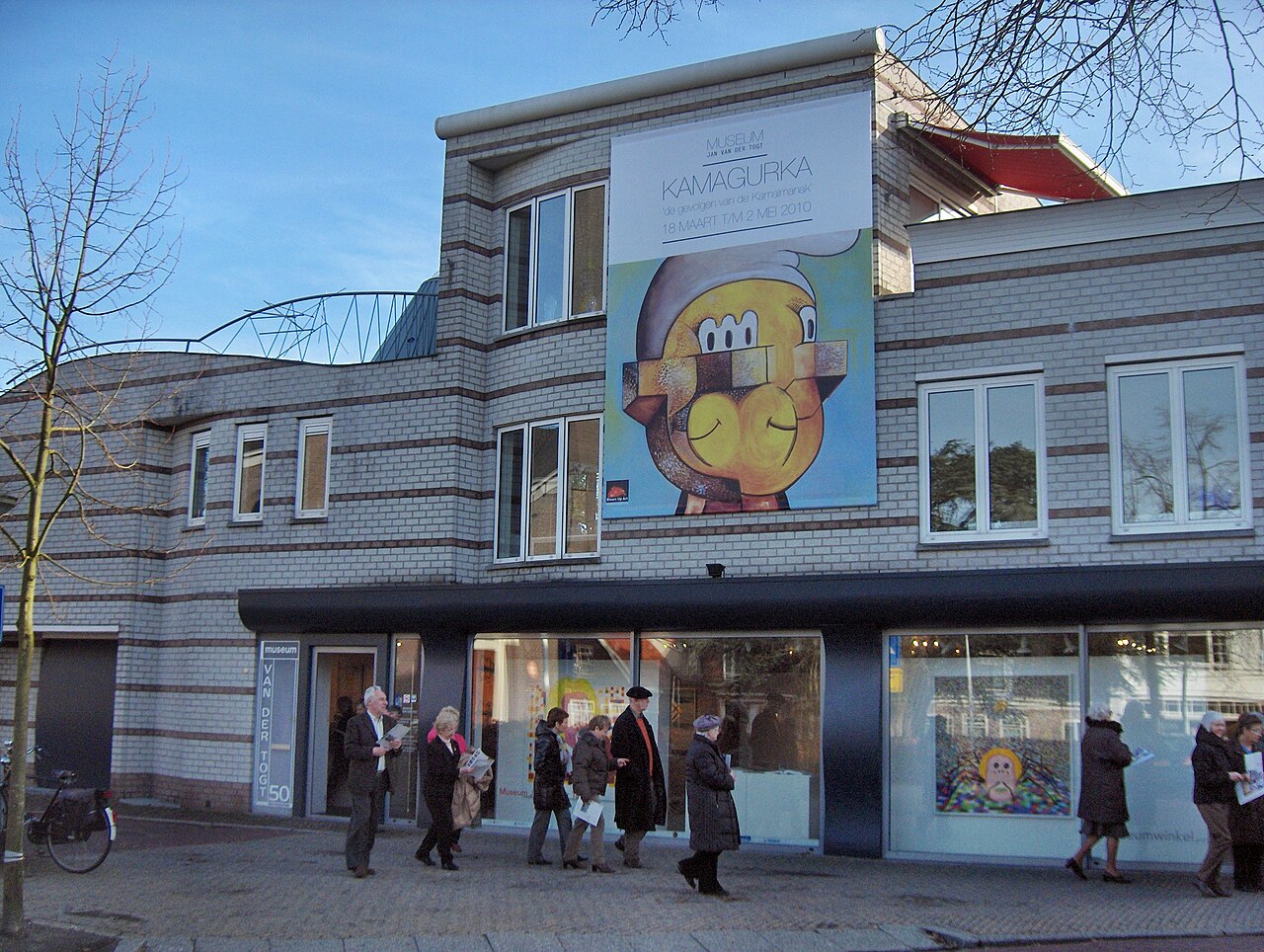
Museum Jan van der Togt
- High
- Museum
Language · 11 published
Nature site · Amsterdam
Reviewed by Elena Voss · Roavina Travel Editor
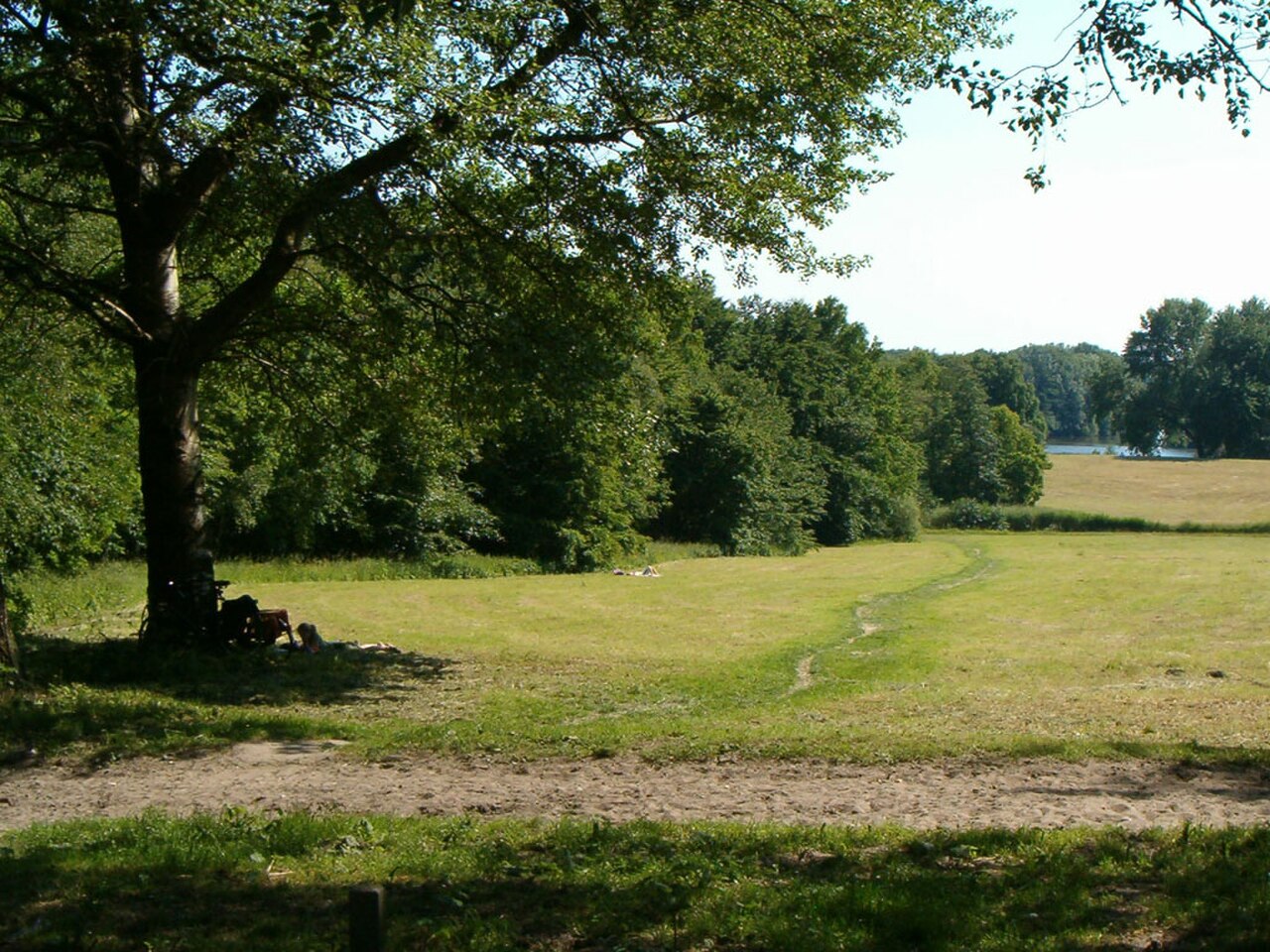
This place is a Park. It was designed by Jakoba Mulder. It is run by Amsterdam.
Amsterdamse Bos is a large, deliberately designed landscape on Amsterdam’s southwestern edge, combining planted woodland, open meadow, water and recreation across one continuous park. Its character differs from a formal city garden: paths connect broad planted areas, quieter natural corners and activity zones, creating the feeling of entering a green district rather than visiting a single monument. The park was created through extensive land reclamation and planting on formerly waterlogged ground. Today, Amsterdamse Bos supports walking, cycling, picnicking, sport, family activities, cultural programming and contact with nature. Its size allows busy recreational areas and more secluded stretches to exist side by side.
Checked 2026-08-26 · Source
The park contains planted woodland, grassy clearings, lakes and ponds, with routes linking areas that have different atmospheres and uses. Visitors can walk, cycle, picnic and explore waterside scenery, while sports and riding facilities add more active ways to use the grounds. A goat farm provides a family-oriented feature, and an open-air theatre brings performances and cultural activity to the park during warmer periods. The landscape also includes places for water-based recreation, although the exact activity available depends on the particular site. Because Amsterdamse Bos is extensive, its facilities are spread out rather than concentrated around one entrance.
Checked 2026-08-26 · Source
Allow one to two hours for a focused visit near a chosen entrance, such as a waterside walk, picnic or time around one family feature. Half a day suits visitors combining several activities or moving between distinct parts of the park. Seeing a broad selection on foot can take most of a day because the grounds are large and destinations are separated by open land, woodland and water. Cycling makes longer connections more practical but still requires choices about where to stop. Families may need extra time for slower walking, play and animal-focused visits. A return visit is often more satisfying than trying to cover every corner in one outing.
Checked 2026-08-26 · Source
Amsterdamse Bos changes noticeably with the seasons. Spring brings fresh growth, flowering colour and increased bird activity around wetland margins. Summer is the strongest period for long outdoor visits, waterside recreation and open-air cultural activity, although popular areas can feel busier. Autumn changes the woodland and avenues into a different palette, while winter can offer quieter paths, open views and a clearer sense of the park’s underlying layout. Weather matters because many routes and destinations are outdoors, with limited shelter across meadows and waterside areas. Choose the season around the main purpose of the visit: foliage and calm for walking, or warmer conditions for combining outdoor activities.
Checked 2026-08-26 · Source
Amsterdamse Bos is best understood as a public landscape whose activities are distributed across a large park, rather than as one compact attraction with a single visitor itinerary. Walking, cycling, picnicking and landscape viewing form one kind of visit; a theatre performance, recreational facility, riding activity or organised programme forms another. Plan around the specific destination and activity you want to use. The park’s size makes this distinction important because the time involved depends on where you enter and which area you intend to reach. Admission arrangements for individual facilities are separate from the general experience of being in the park.
Checked 2026-08-26 · Source
Amsterdamse Bos lies outside Amsterdam’s compact canal-ring core, so the most useful arrival point depends on the first feature you want to reach. Bus connections serve the park from central areas, while cycling is practical for approaching its entrances and continuing between distant woodland, meadow and waterside destinations. The grounds have multiple entrances, and the nearest entrance for one activity may be inconvenient for another. Identify the target area before setting out, especially when visiting for the goat farm, theatre, sports facilities or a particular waterside section. Arriving at the right edge can save a substantial cross-park walk.
Checked 2026-08-26 · Source
Treat Amsterdamse Bos as a substantial outdoor area rather than a compact attraction. Distances between entrances, water, activity areas and family features can be greater than expected, so comfortable footwear and a clear route are useful. Paths may be shared by walkers and cyclists, requiring attention at crossings and on busier stretches. Weather can quickly change the comfort of an open meadow or waterside walk, while woodland routes may feel different from exposed grassland. If one feature is the main purpose of the visit, locate it first so the day is not lost to unnecessary cross-park walking. Water-based activities require attention to the rules displayed at the specific location.
Checked 2026-08-26 · Source
Amsterdamse Bos offers photographs with a broader, more pastoral character than Amsterdam’s built-up centre. Open meadows and water provide clean horizontal compositions, while planted woodland and long paths create depth, repetition and leading lines. Early or late daylight can bring texture to grass, trunks and reflections; overcast weather is often gentler for woodland detail. The goat farm and recreation areas add human scale, while the open-air theatre supplies more structured shapes when it is in use. The park’s size makes quieter viewpoints possible: move beyond the first busy area and look for contrasts between managed planting, open space and water.
Checked 2026-08-26 · Source
Yes, if you choose one entrance and one clear focus, such as a waterside walk, picnic or family feature. The park is extensive, so a short visit is better planned around one local area than around seeing the whole site.
Water-based recreation is associated with parts of Amsterdamse Bos, but this guide does not establish general swimming permission or current arrangements. Do not treat every lake or pond as a swimming place; follow the information and rules displayed at the specific area.
Amsterdamse Bos contains varied woodland, meadow, waterside and activity areas, but this guide does not establish accessibility for its routes or facilities. Conditions should therefore be considered destination by destination rather than assumed to be uniform across the park.
This guide does not establish the park’s dog policy, including leash requirements or exclusion areas. No definite permission or restriction should be assumed from the park’s open landscape; visitors bringing a dog need the rules for the particular area.
Food and drink provision exists in parts of the park, but it is limited and unevenly distributed across the extensive grounds. Visitors planning a long walk or travelling to a peripheral area should account for the distance between destinations and food-service points.
This guide does not establish a specific after-dark safety assessment for Amsterdamse Bos. Conditions can differ across a large park, so evening visitors should keep to familiar maintained routes, keep plans local and use ordinary personal-safety judgement.
Loading the interactive map…
The interactive map could not be loaded.
Last updated:
Source: OpenStreetMap contributors, Wikidata ·